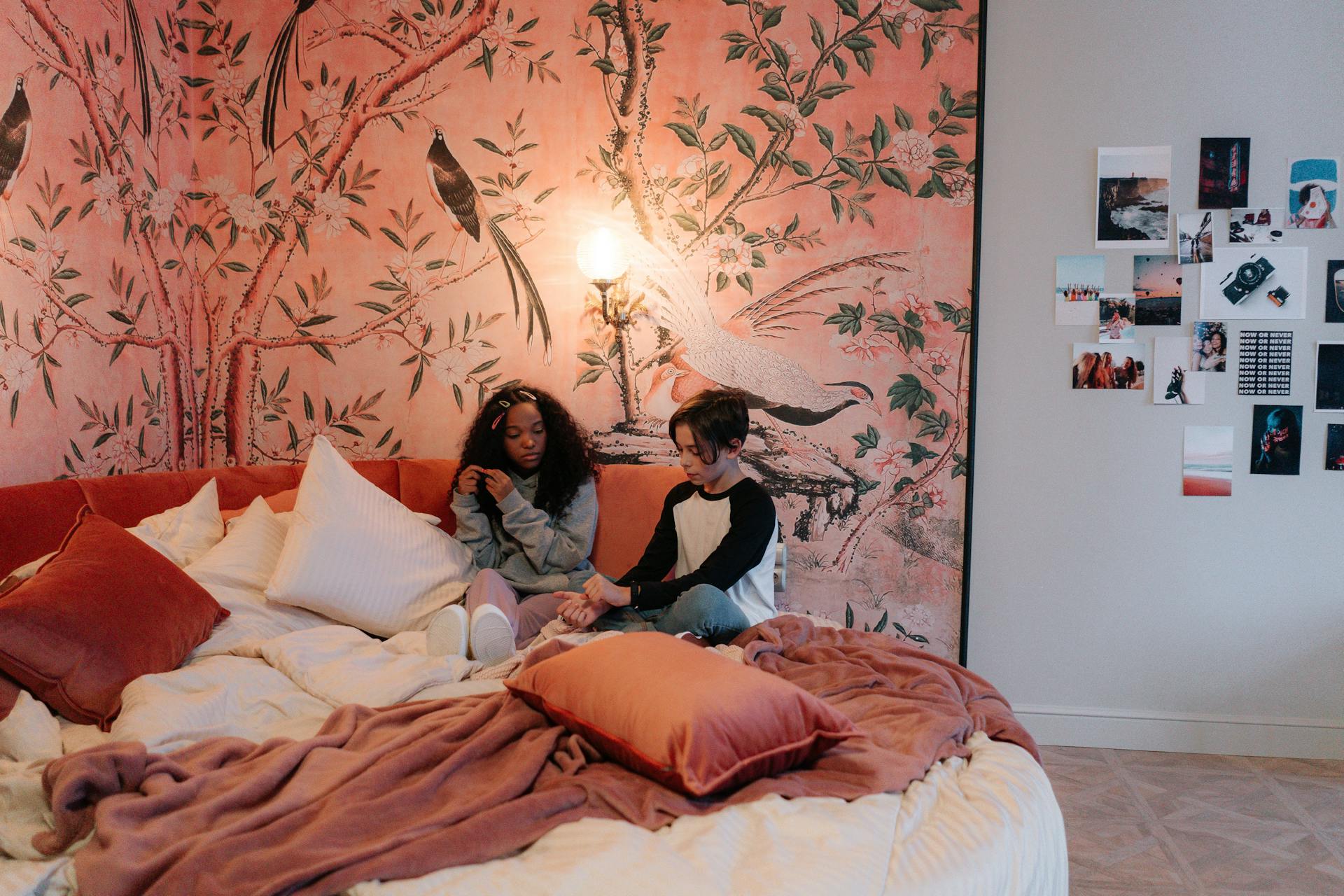
A teenager’s bedroom often becomes their main world. It’s where they sleep. Study. Scroll through their devices. Listen to music. And enjoy some much valued alone time.
In many Australian families, it’s also the place where changes in mood or habits can first show up. That’s because a messy room, poor sleep, or a lack of focus can sometimes be linked to how the space feels.
When they notice these patterns, many parents hit upon the idea of redesigning their teen’s bedroom to better support their wellbeing. Specifically to help them build a space that makes them feel calm, practical, and easy to use.
With a few thoughtful choices in layout, lighting, and furniture, it’s amazing how much difference can be made to your teen’s bedroom. If you want them to have a more conducive place to relax, do homework, and sleep every day, here are five things to consider.
Why Do Teens Need a Comfortable Bedroom Space?
For teenagers, a bedroom takes on much more significance than simply being a place to sleep. It actually represents their base for daily life. That is why the layout, lighting, and overall feel of it are vitally important. It influences everything from sleep patterns to concentration and mood.
If the bedroom is conducive to getting good sleep, your teen will benefit from deeper rest, improved energy levels, and better emotional balance. By contrast, a cluttered or noisy space can make it harder for them to unwind as their mind doesn’t have the chance to settle.
There’s also a sense of identity tied to a teen’s room. As it’s one of the few areas in the home where they can express themselves freely, including them in the design can make the space feel more personal and comfortable.
5 Things To Consider When Designing Your Teen’s Bedroom
If you are looking to create a bedroom space that supports your teen’s overall wellbeing, here are five things you should bear in mind.
1. Create a Calm Space That Doesn’t Feel Overwhelming
The look and feel of a room sets the tone straight away. Bright, clashing colours and crowded shelves can feel overstimulating. A softer approach often works better.
Neutral tones, simple bedding, and a bit of open space can create a calm bedroom space without removing personality. A few carefully chosen decorations can still reflect interests and hobbies. It’s more about balance than stripping everything back.
Reducing visual clutter also makes the room easier to manage. A tidy space can feel lighter and more inviting. Even small changes, like clearing a desk or removing unused items, can shift how the room feels day to day.
2. Choose Furniture That Supports Comfort and Daily Routines
Furniture shapes how a teen uses their room. For instance, a supportive bed encourages better sleep, while well-sized desk can make study sessions feel more manageable. Even having a comfortable chair to sit on supports their posture during long periods on it..
When planning a comfortable and supportive bedroom setup, it helps to think about how each piece fits into daily life. Oversized furniture can crowd the room and pieces that are too small or poorly placed can feel awkward to use.
Some families explore options such as sensory-friendly bedroom furniture when looking for designs that prioritise comfort and wellbeing. These types of pieces are often designed for everyday use, usually offering practical support in both rest and study areas.
The key to creating a good setup is to ensure it feels natural to use. The more that furniture fits a space and supports daily routines, the easier a room becomes to live in.
3. Create Zones for Study, Rest, and Downtime
Teenagers often use their rooms for several activities at once. That is why you’ll find the best bedroom layout for teenagers are ones that have clear zones.
For example, placing a study area near a window can take advantage of natural light. You can also devote a separate corner for relaxation or reading to create a break from screens. Keeping the bed area clear of study materials is also a good way to reinforce a sense of rest.
This kind of setup doesn’t require a large space. In fact, small changes can make a difference. Turning a desk away from the bed, adding a rug, or using a lamp to define a corner can help create a real sense of separation that helps your teen to better rest and relax.
4. Use Lighting to Shape Your Teen’s Mood and Sleep Patterns
Lighting plays an integral role in how a room feels throughout the day. Bright overhead lighting can feel harsh in the evening, while softer lighting creates a more relaxed atmosphere.
Where possible, try to have as much natural light entering the room as possible as doing this has significant mental health benefits. Additionally, introducing a bedside lamp or a desk light can give your teen more control over brightness. It allows them to adjust the room depending on what they’re doing.
5. Keep Organisation Simple and Easy to Stick To
It is important for your teen’s bedroom to be organised, with open shelves, storage boxes, and baskets. All of which can make it easier to organise their bedroom. Your kids will find that when items have a clear place, it become much easier for them (or you!) to tidy up.
The more complicated you make things, the less likely your teen is commit to keeping their room tidy. That is why making it as straightforward as possible can give them the sense of independence to manage their own space.
Ultimately, the clearer the surfaces in the room and the more airflow there is through it, the more conducive it will be for your teen to study, process their emotions, and rest in it.