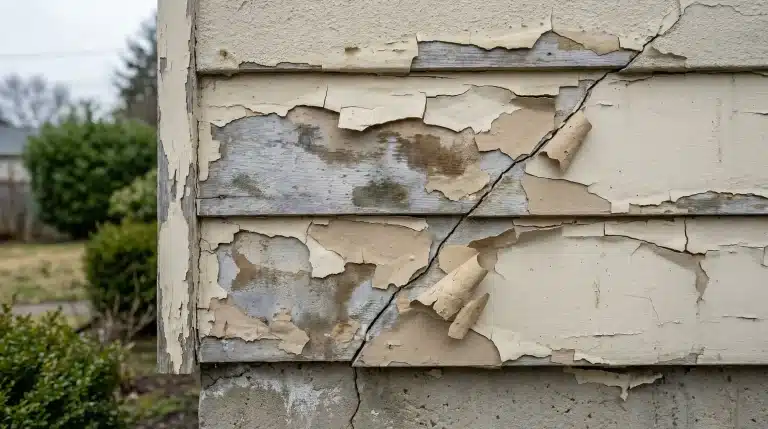
Paint doesn’t peel or crack without a reason. When it keeps failing in the same areas, something underneath is changing, even if it doesn’t seem obvious at first. But the signs do show up over time. There might be subtle changes, such as a small crack or patch that lifts slightly. You repaint, and for a while, it looks fine. But then the same spot starts failing. That pattern isn’t random.
The environment also plays a role in how quickly these problems show up again. For instance, in places like Salina, where weather conditions shift throughout the year, surfaces expand and contract more often. That constant movement puts stress on the walls and finishes, which is something Salina foundation repair experts are trained to recognize. The issue isn’t the paint; it’s the movement, moisture, and structural shifting of the foundation.
Why Paint Problems Often Start Below the Surface
Paint sits on top of surfaces, but it depends completely on what is underneath. If the surface changes even slightly, the paint layer reacts. It cannot stretch or adjust much, and once the surface shifts, the paint begins to lose its hold on the surface.
At first, the changes were small. Fine lines appear in certain areas, and soon, the edges of the paint look slightly uneven. You might also notice small flakes show up near the corners of the surface. Most people ignore these early warning signs, only to be surprised when they suddenly face more visible damage.
In areas where temperature changes are prevalent, surfaces expand and contract more often. The constant movement weakens the bond between the paint and the wall. So even though the issue shows up on the surface, it usually develops due to a deeper issue.
Cracks in Walls and Surfaces
Cracks are often the first visible sign that something is off. They don’t always look serious at first, but they get worse with time if the main source of the issue is not addressed.
How Movement Breaks Paint Layers
When the foundation shifts, it directly affects the wall because even small movement puts pressure on the walls. Gradually, the paint stretches and begins to split, and the edges around the paint cracks weaken. By this time, the paint layer is already compromised, and the surface is not stable, causing the damage to spread outward from that point. What starts as a thin line becomes a larger crack. This process is gradual and may even take months to notice, but once you do, there are likely worse problems under the surface.
Why Repaining Alone Does Not Fix It
Repairing the paint only changes how the surface looks. The crack is still present underneath. Adding a new paint may cover it temporarily, but the movement continues in the background. After some time, the same crack shows up again, often faster than before. This is because the underlying issue has not been addressed. Repainting only works if the surface itself is stable.
Moisture Intrusion
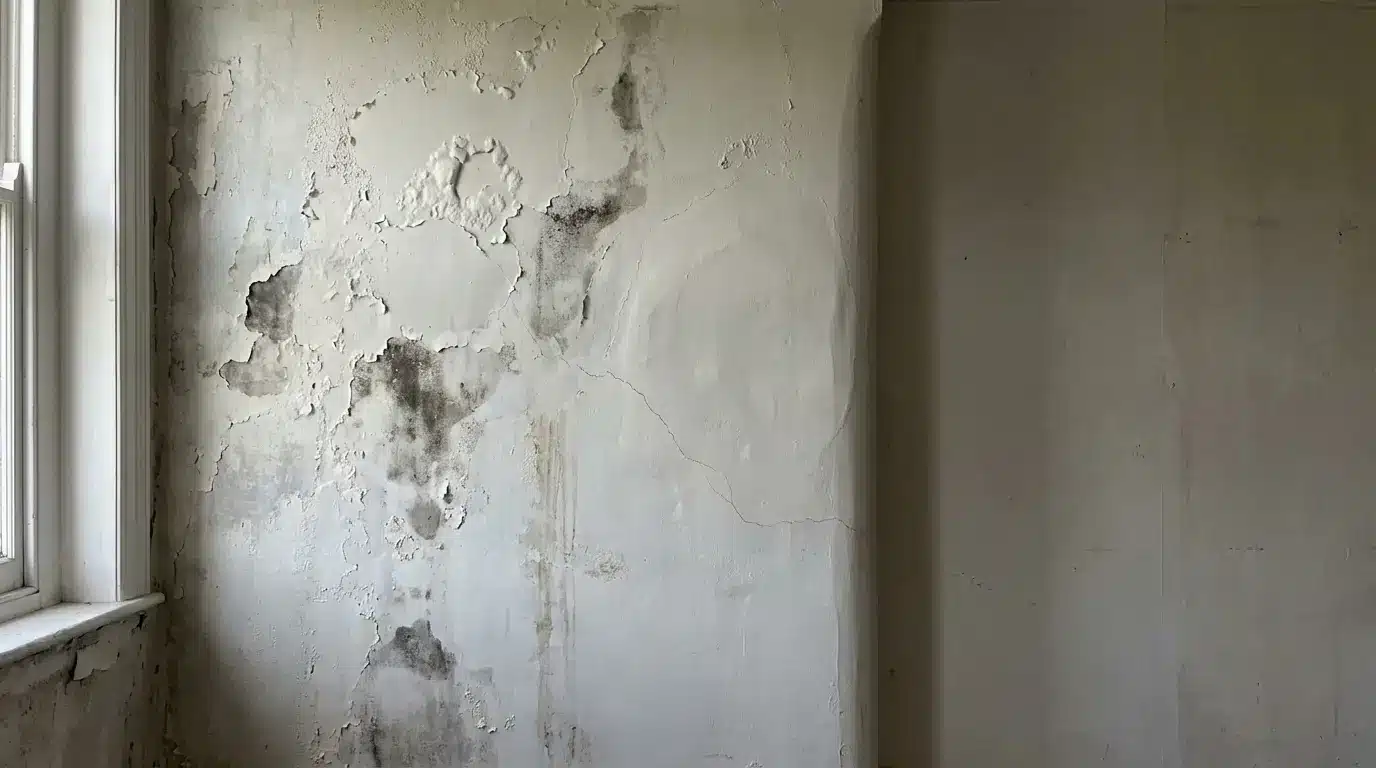
Moisture plays a major role in paint failure. It is not easily visible, making it difficult to catch early on.
How Foundation Shifts Let Water In
When the foundation moves, small gaps form in different parts of the structure. These gaps allow moisture to enter slowly. This develops due to:
- Water seeping in through cracks.
- Joints loosening slightly
- Certain areas staying damp longer than usual
These may not always be visible. Moisture becomes trapped behind walls and other surfaces, and steadily builds up over time.
The Risk of Moisture Intrusion for Paint’s Lifespan
Paint does not bond well when moisture is present. It can lead to:
- Bubble forming beneath the paint
- Sections beginning to peel
- Discoloration appearing in patches
Even if the surface feels dry, the layer underneath may still hold moisture. This weakens the paint from below. Once that happens, repainting does not last long. The same spot begins to fail again because the moisture is still there.
Uneven Surface and Settling
Settling changes how flat and stable the surface is. Slow water intrusion makes it difficult to know that the damage has already begun.
How Warped Walls Affect Paint Adhesion
Paint needs a consistent surface to stay on. It bonds through a combination of mechanical bonding, chemical bonding, and surface tension. Warped or uneven walls create inconsistent surfaces that affect how paint spreads and cures, and that means the paint can’t bond to the surface. Certain sections fail sooner, and even if repainted, the problem keeps recurring.
How to Recognize the Signs of Uneven Surfaces and Settling
The signs are often subtle. You might notice:
- Light reflecting differently across the wall
- Straight lines looking slightly off
- Certain areas needing frequent touch-ups
You might notice that paint problems repeat in the same locations. That usually indicates the surface beneath the paint is inconsistent.
Poor Surface Preparation
The level of preparation and techniques used while painting can also affect how paint lasts. But this is often overlooked, especially in DIY paint projects.
Why Proper Surface Preparation Is So Important
Preparation is what allows the paint to stick properly. Before painting, the surface needs to be clean and stable, because dust and dirt reduce adhesion. Moisture prevents bonding, and loose material weakens the base. Even high-quality paints can’t perform if the surface isn’t ready.
What Happens When Surfaces Aren’t Properly Prepared
Skipping preparation leads to early failure. Paint may begin to peel sooner than expected. Coverage might look uneven, and the finish does not last as long as it should. If there are already foundation issues, poor preparation makes everything worse. It speeds up damage instead of slowing it down.
Why Addressing the Root Cause of Paint Failure Is So Important
Only fixing the surface does not solve the problem. You might face problems like:
- Paint failing in the same area
- Repairs becoming more frequent
- Costs increasing over time
- Underlying damage continuing to develop
The issue doesn’t go away on its own. It shows up again, often in the same places. Addressing the root cause reduces repeated work and helps the paint last longer.
The Importance of Working With the Right Professionals
When paint problems keep coming back, it helps to look beyond the surface. A painting company can handle the visible layer, but repeated failure usually points to something deeper. If there are signs of movement or moisture, those need attention first.
If the base is not stable, the outcome does not change. That’s why professional painters identify the cause of the issue before applying a new layer of paint. This helps you avoid any repeated fixes and create a stable result.
Final Thoughts
Paint failure happens when the same foundation issues keep appearing again and again. There is usually something happening underneath the surface. Homeowners repaint on the surface, but if the surface keeps shifting or holds moisture, the result will not be favorable. It makes more sense to take a step back and look at what is actually changing the structure. Once that is stable, the paint has a better chance of holding on. That’s the key to a longer-lasting finish.