Your Deck Plays a Bigger Role Than You Think
When homeowners think about pest control, they usually picture indoor treatments or traps inside the house. What often gets overlooked is that many pest issues actually begin outdoors, especially around decks and exterior structures.
Poorly designed decks can create ideal conditions for rodents, insects, and moisture-related infestations. That’s why professional construction matters. Experienced deck-building experts design outdoor spaces that don’t just look good; they actively help protect your home from hidden pest problems before they start.
1. Building Higher for Better Protection and Airflow
One of the most effective ways to reduce pest activity is proper elevation. Decks built too close to the ground often trap moisture and create dark, enclosed spaces where rodents and insects thrive.
When a deck is raised properly, it allows better airflow and reduces damp conditions that attract pests. It also makes the underside of the structure less inviting for nesting or burrowing activity. A well-planned elevation is one of the simplest yet most powerful defenses against hidden infestations.
2. Strong Foundations That Keep Pests Out From the Start
The way a deck meets the ground can determine how vulnerable it is to pests. Poor spacing, gaps, or uneven foundations create entry points that are often invisible until damage is already done.
Working with professionals like KMA Building, local Winnipeg deck building experts, ensures the structure is designed with precision from the ground up. Proper framing, secure joints, and tight construction reduce weak points where rodents or insects might try to enter.
A strong foundation doesn’t just support weight; it supports long-term home protection.
3. Sealing the Small Gaps That Cause Big Problems
Pests don’t need large openings to enter a structure. Mice, for example, can squeeze through incredibly small spaces, while insects often exploit tiny cracks in wood or joints.
Careful construction helps eliminate these vulnerabilities. Deck boards that are properly fitted and secured reduce the chances of hidden pathways forming beneath or within the structure. Over time, this attention to detail prevents minor gaps from becoming major infestations.
4. Keeping Moisture Under Control Naturally
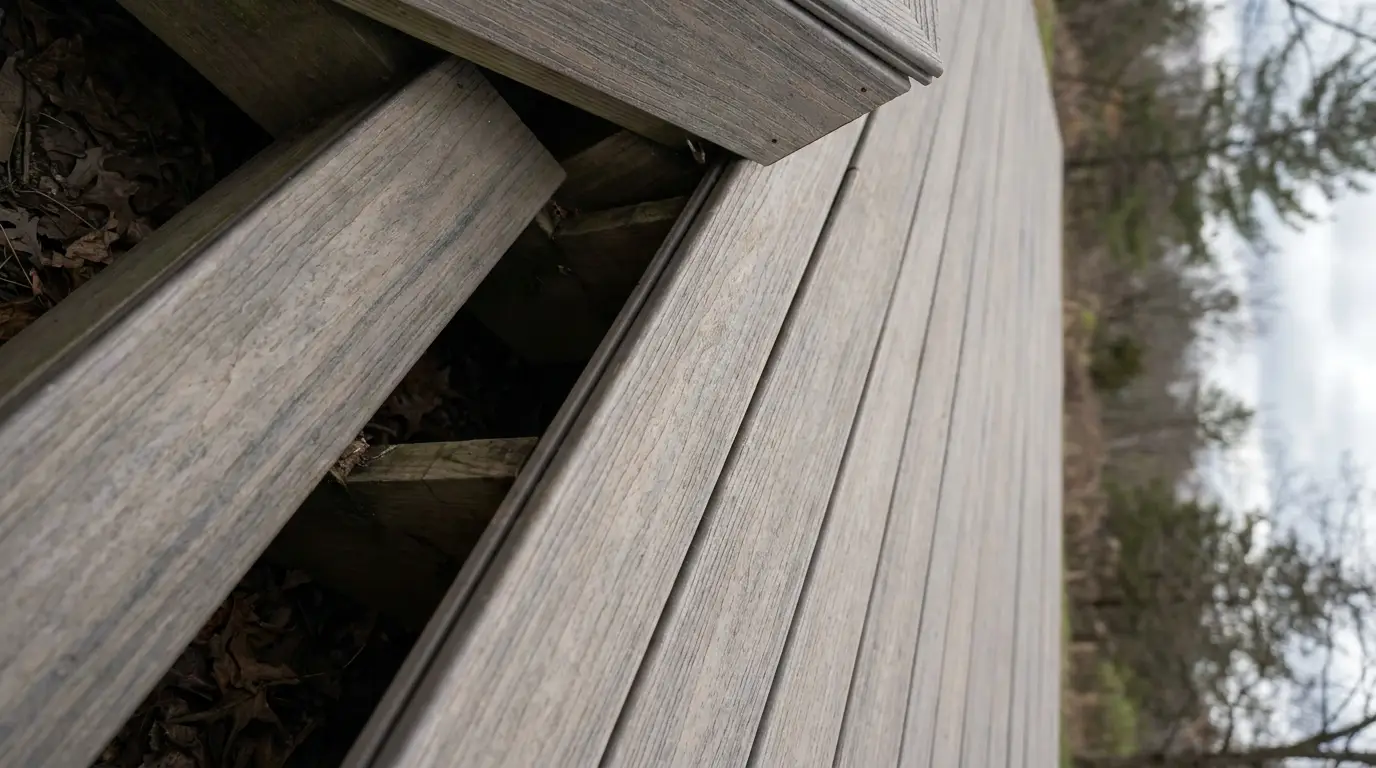
Moisture is one of the strongest attractors for pests. Damp wood, stagnant water, and poor drainage can quickly turn a deck into a breeding ground for insects and rodents seeking shelter.
A properly designed deck includes spacing between boards, angled surfaces for runoff, and ventilation underneath. These features help keep the structure dry and less appealing to pests. Good moisture control also extends the life of the deck itself, preventing decay that can further invite infestations.
5. Choosing Materials That Pests Don’t Like
Not all building materials perform the same when it comes to pest resistance. Some types of wood are more prone to rot, while others are treated or engineered to withstand environmental damage.
Modern deck construction often uses treated lumber or composite materials that are far less attractive to insects and rodents. These materials reduce food sources for pests and minimize the risk of structural weakening over time. Choosing the right materials is a long-term investment in both durability and home safety.
6. Designing Cleaner Spaces That Are Easy to Monitor
Decks with cluttered or overly enclosed designs can create hidden spaces where pests go unnoticed. Over time, these areas become ideal nesting spots.
Professional designs focus on accessibility and visibility. Open layouts and thoughtful spacing allow homeowners to easily inspect the structure for early warning signs. When a deck is easy to maintain, it becomes much harder for pest issues to develop unnoticed.
7. Managing the Surrounding Environment Matters Too
Even a well-built deck can be compromised if the surrounding environment encourages pests. Overgrown shrubs, leaf buildup, and stored materials near the structure all contribute to hiding spots and food sources.
Smart deck planning takes the surrounding landscape into account. Keeping vegetation trimmed and ensuring proper spacing between the home and natural growth reduces the chances of pests migrating toward the structure. A clean perimeter reinforces the effectiveness of the deck itself as a protective barrier.
8. Thinking Beyond Construction: A Complete Home Protection Approach
Deck design is only one part of a larger home health strategy. When outdoor structures and pest control work together, homeowners get stronger long-term protection against infestations.
In many cases, issues discovered under or around decks eventually lead to indoor pest activity if not addressed early. That’s why services like mouse extermination by Gilles Lambert Pest Control often work best alongside preventative construction measures. Combining structural improvements with professional pest management creates a more complete defense system for the entire property.
A Well-Built Deck Is More Than an Outdoor Living Space
A deck is often seen as a place for relaxation, but it also plays a key role in protecting your home from hidden pest problems. From proper elevation and moisture control to material selection and environmental planning, every design choice matters.
When built correctly, a deck becomes more than just an extension of your home; it becomes part of its defense system. By working with experienced professionals and maintaining a proactive approach, homeowners can enjoy outdoor spaces that are not only beautiful but also safer and more resilient against pests.