I never knew sweet potatoes came in so many colors until I walked past a farmer’s market display that stopped me in my tracks.
Purple, white, orange, even ones with red skin. I’d been buying the same orange kind for years without realizing I was missing out on completely different flavors and textures.
Sweet potato varieties aren’t just about color; they each bring something unique to your kitchen.
Some are perfect for roasting and come out caramelized and sweet. Others hold their shape in soups or turn creamy when mashed.
You’ll see which varieties work best for baking, which ones have the most nutrients, and how to pick the right type for whatever you’re cooking. Let’s know what makes each variety special and how you can use them.
What Makes Each Sweet Potato Variety Unique?
Every sweet potato variety has its own personality in the kitchen. The differences go way beyond just color.
Some are super sweet and almost dessert-like when you cook them. Others taste more earthy and subtle. I’ve noticed texture varies a lot too. Certain varieties get soft and creamy, perfect for mashing. Others stay firmer and hold their shape, which works great in stir-fries or salads.
The moisture content changes between types. Drier varieties are fantastic for fries because they crisp up beautifully. Moister ones practically melt in your mouth when roasted.
You’ll also find nutritional differences. Orange varieties pack more beta-carotene, while purple ones contain unique antioxidants you won’t get from the orange types.
Even cooking times shift between varieties. Some take longer to soften, while others cook quickly. Understanding these differences helps you pick the right sweet potato for what you’re making. You’ll get better results when you match the variety to your recipe.
Understanding Sweet Potatoes and Yams
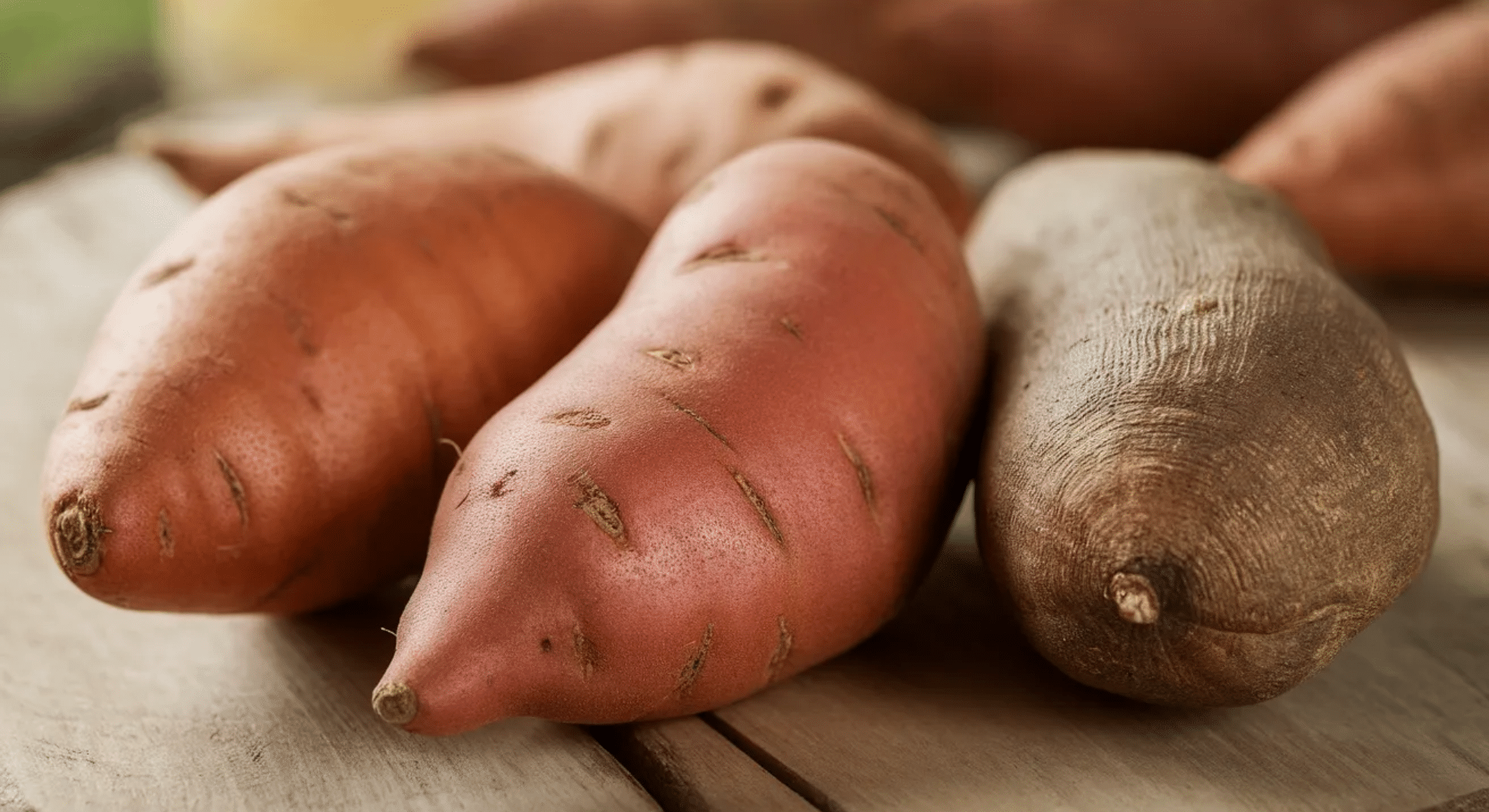
Here’s something that surprised me at the grocery store: those “yams” in the produce section aren’t actually yams at all.
Sweet potatoes belong to the morning glory family. They’re native to Central and South America. Yams, on the other hand, come from Africa and Asia and belong to an entirely different plant family.
True yams have rough, bark-like skin and starchy, dry flesh.
The confusion started decades ago in the US. When orange-fleshed sweet potatoes arrived, producers needed to distinguish them from the white varieties already being sold. They borrowed the African word “yam” for marketing, and the confusion stuck.
Real yams are hard to find in regular American supermarkets. What you’re buying labeled as yams are just a different type of sweet potato.
This matters because recipes calling for yams usually mean orange sweet potatoes, not actual yams.
If you somehow found a true yam, it would cook differently and taste nothing like what your recipe expects. You’d end up with a dish that doesn’t turn out right.
Types of Sweet Potatoes
Sweet potatoes fall into three main categories based on their flesh color. Each category brings different flavors and textures to your cooking.
Orange-Fleshed Varieties
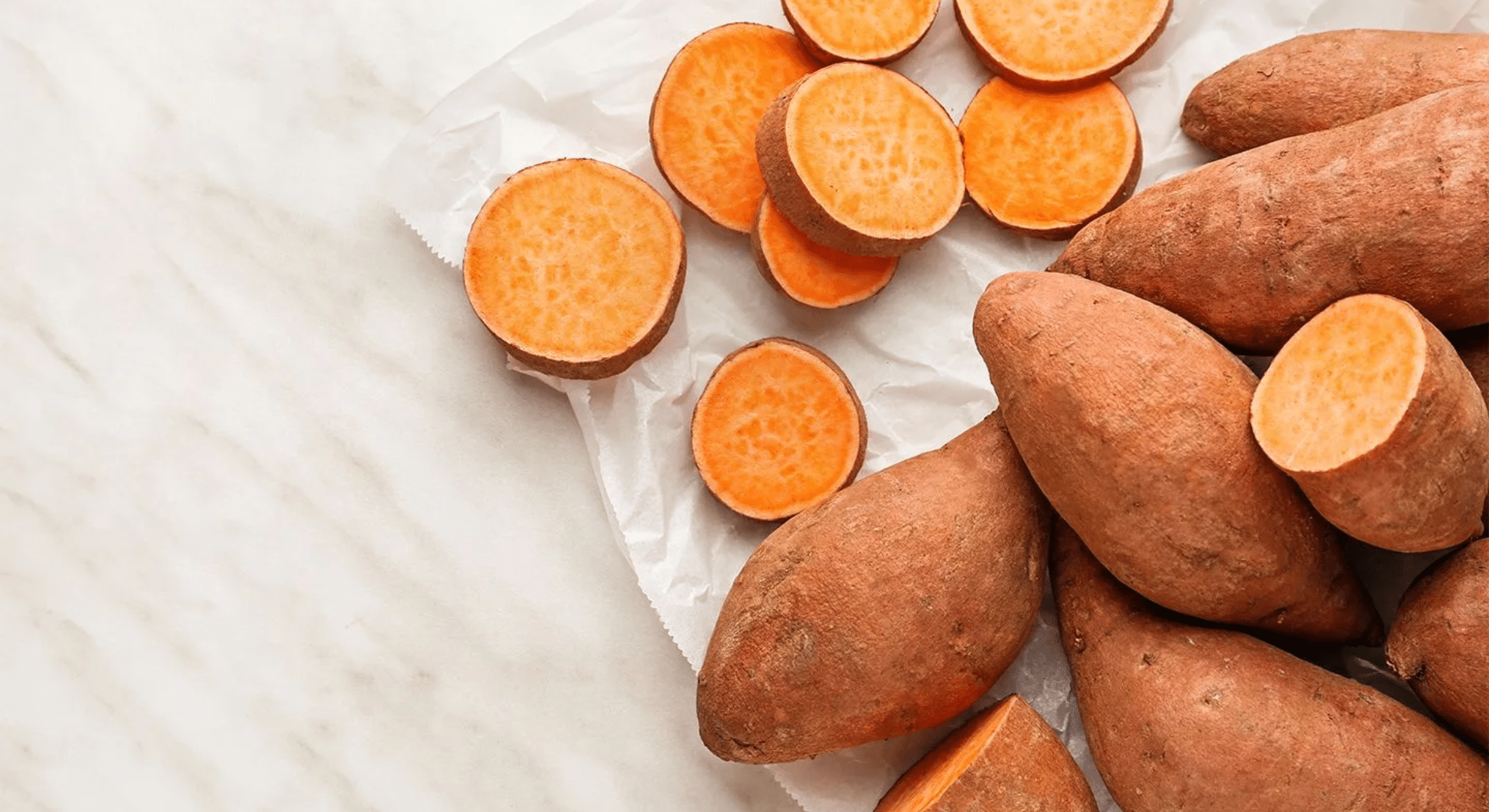
These are the ones you see most often in stores.
Beauregard is probably sitting in your grocery store right now. It’s the most widely grown variety in the US. You’ll get moist, sweet flesh that’s perfect for just about anything. I use these when I’m not sure which type to pick.
Jewel looks similar to Beauregard with its copper skin. The flesh is bright orange and super sweet. It gets creamy when baked and works beautifully in casseroles.
Garnet has darker, reddish-purple skin. The inside is deep orange and incredibly moist. These are my go-to for mashing because they turn out so smooth and creamy.
Covington is sweeter than Beauregard and has a rounder shape. The texture stays firm even after cooking, which makes it great for roasting or grilling.
White/Yellow-Fleshed Varieties
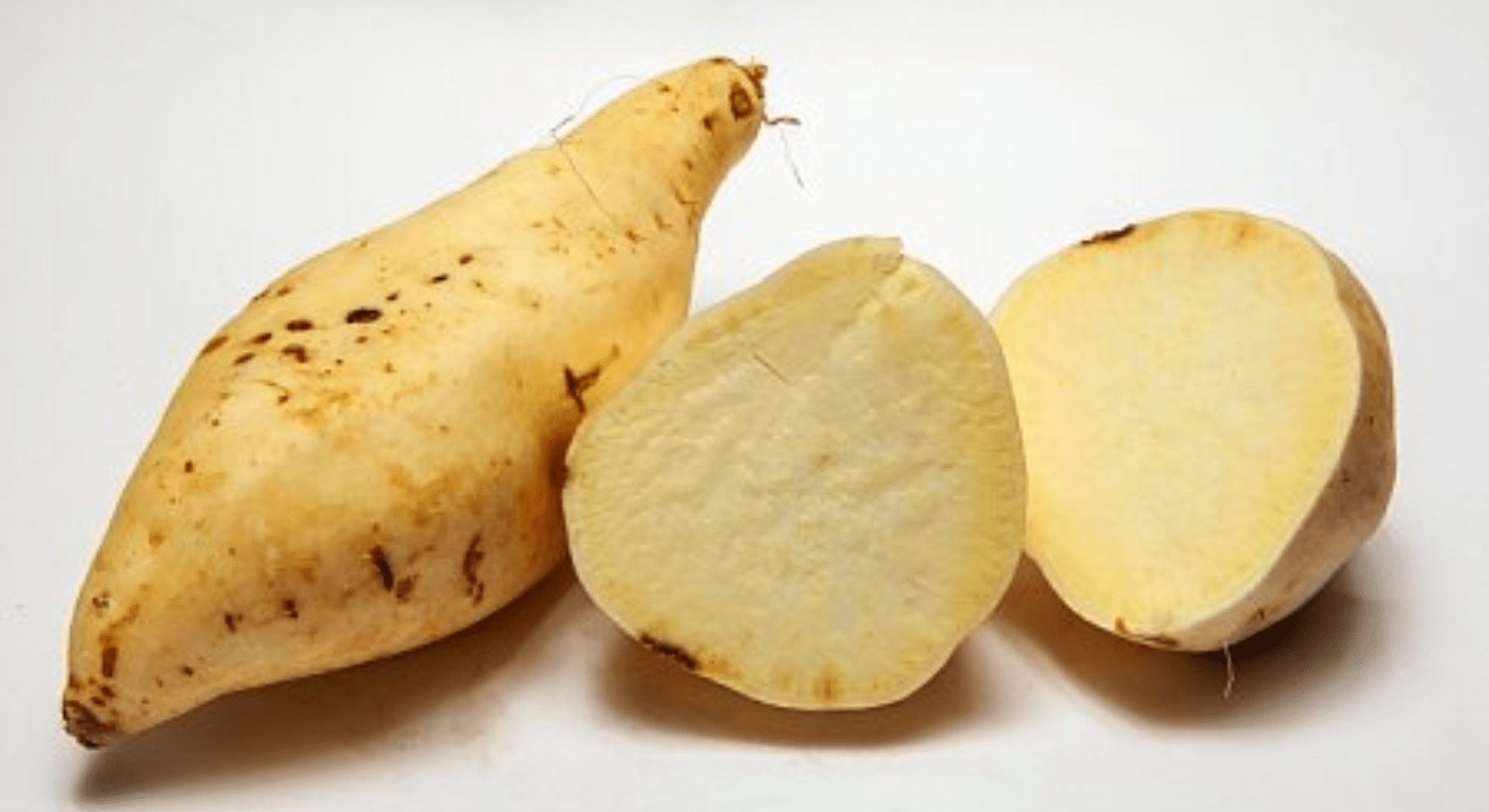
These taste less sweet and more subtle.
Hannah has tan skin and pale yellow flesh. The texture is drier and fluffier than orange varieties. You’ll notice it tastes more like regular potatoes with just a hint of sweetness. It’s excellent for fries because it crisps up nicely.
Jersey is one of the oldest varieties still around. It has golden skin and pale flesh. The flavor is mild and slightly nutty. Use it when you want sweet potato nutrition without overwhelming sweetness in your dish.
Purple-Fleshed Varieties
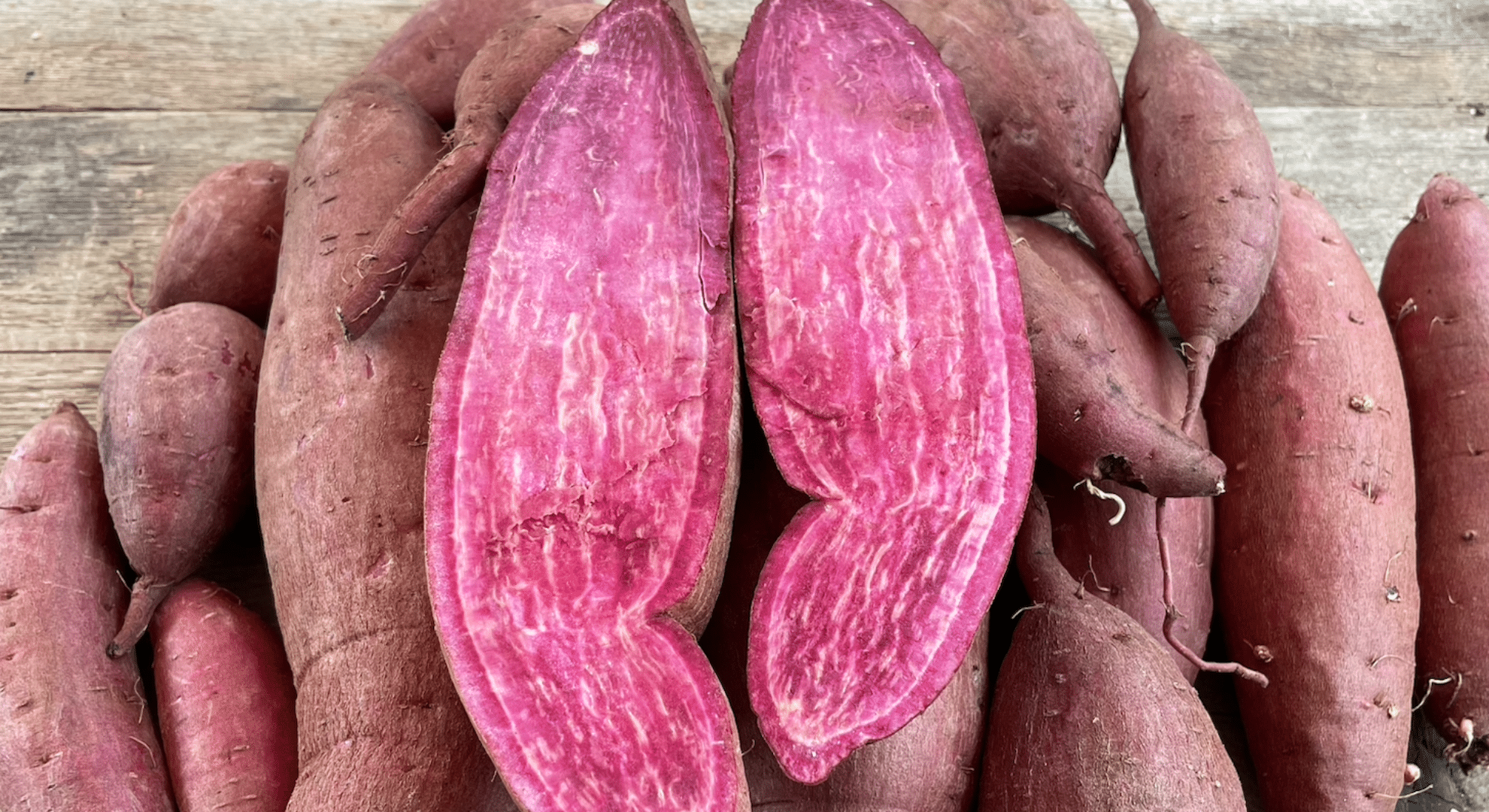
These are harder to find but worth seeking out.
Murasaki has purple skin with white flesh that has purple streaks. The taste is mildly sweet with a nutty undertone. The texture stays firm, making it perfect for salads or stir-fries.
Stokes Purpleis vibrant purple inside and out. It’s slightly sweet with an earthy flavor. The color stays even after cooking, which makes for stunning presentations.
Okinawa comes from Japan and has beige skin with bright purple flesh. It’s denser and drier than orange varieties. The flavor is subtly sweet with hints of chestnut.
Health Benefits of Different Sweet Potato Varieties
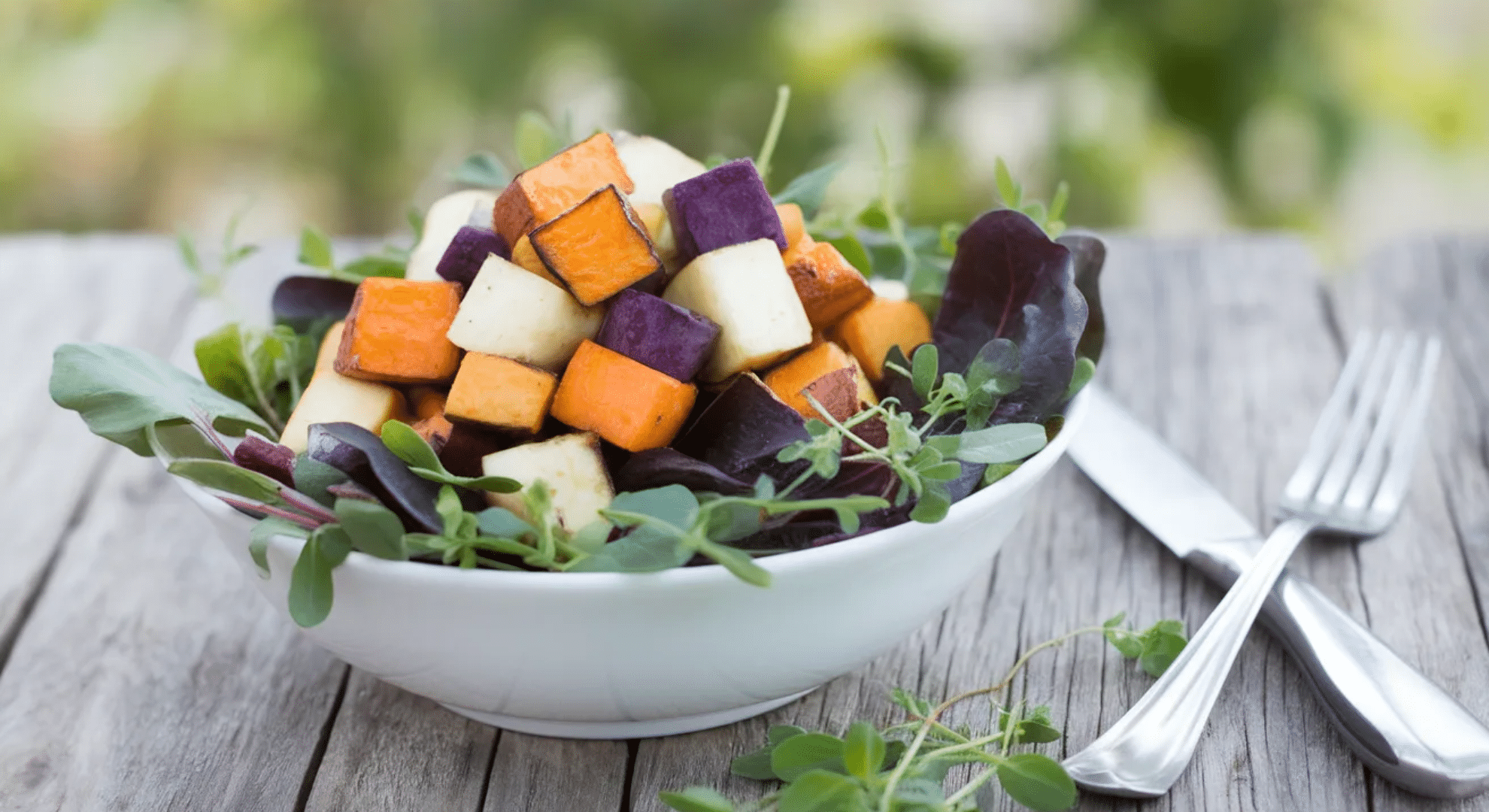
Sweet potatoes pack serious nutrition no matter which variety you choose. They’re loaded with fiber, vitamins, and minerals that support your overall health.
All varieties give you plenty of vitamin C, potassium, and manganese. You’ll also get a good dose of fiber that helps with digestion and keeps you feeling full longer.
Orange Varieties Lead in Beta-Carotene
The bright orange flesh tells you these are packed with beta-carotene. Your body converts this into vitamin A, which supports eye health and immune function. Just one medium orange sweet potato gives you more than your daily vitamin A needs.
Purple Varieties Offer Unique Antioxidants
Purple sweet potatoes contain anthocyanins, the same compounds found in blueberries. These antioxidants help fight inflammation and may support brain health. I’ve seen studies suggesting they might help with blood sugar control too.
White Varieties Are Lower Glycemic
White and yellow varieties have a lower glycemic index than orange ones. They cause a slower rise in blood sugar, which can be helpful if you’re watching your glucose levels.
Easy Ways to Add Them to Your Diet
You can start your day with mashed sweet potato in oatmeal or smoothies. It adds creaminess and natural sweetness without extra sugar.
Swap regular fries for baked sweet potato wedges as a side dish. You’ll get more nutrients and fiber.
Try adding cubed sweet potatoes to soups and stews. They hold up well and make meals more filling.
Rotate between different varieties throughout the week. You’ll get a broader range of nutrients and keep your meals interesting. Your body benefits from the variety just as much as your taste buds do.
Best Uses for Each Type of Sweet Potato
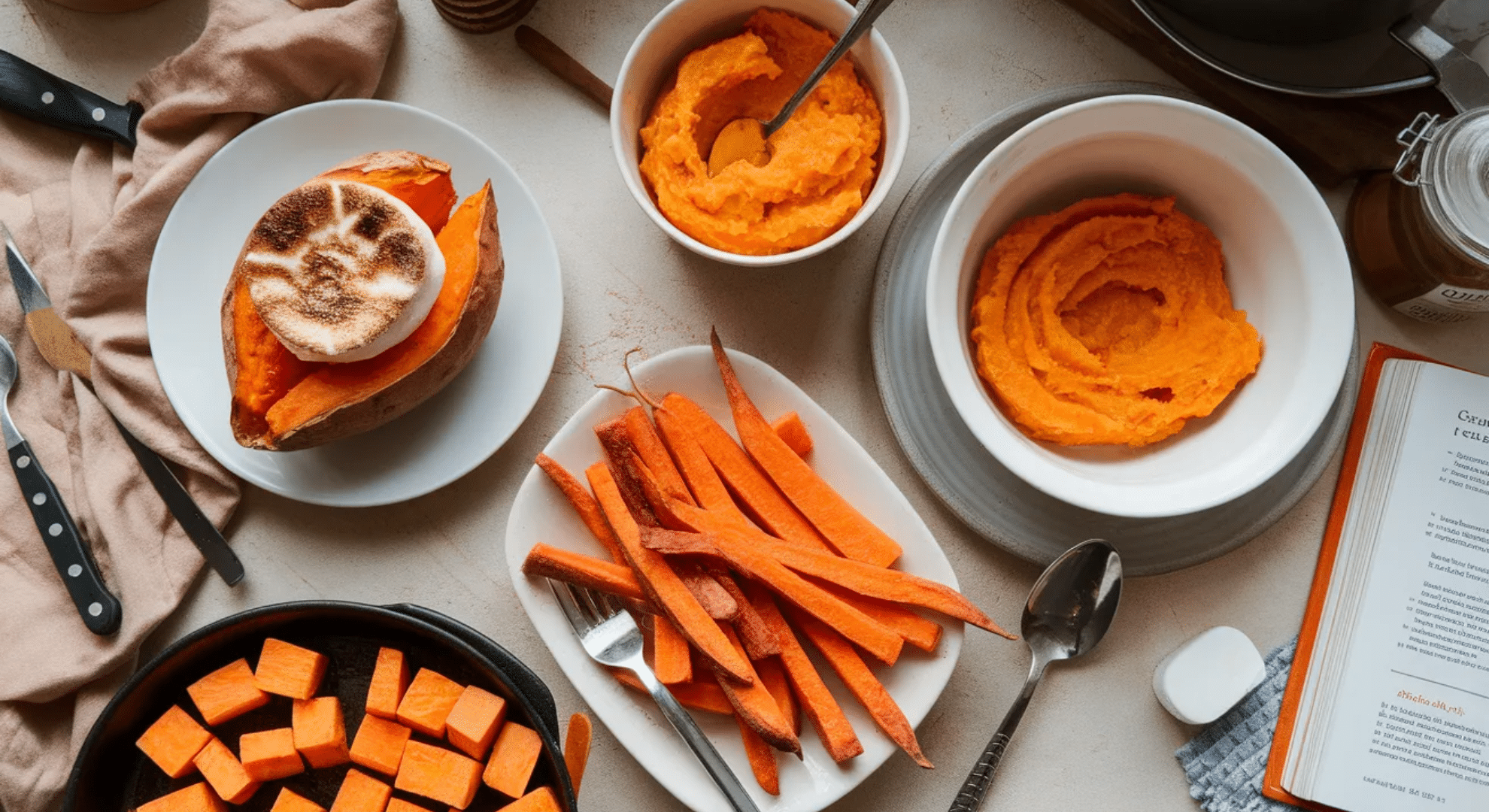
Choosing the right variety for your cooking method makes a huge difference in how your dish turns out. Some sweet potatoes turn to mush when you want them firm, while others stay too dense when you’re hoping for creamy.
Here’s what works best for different cooking methods:
| Cooking Method | Best Varieties | Why They Work |
|---|---|---|
| Baking & Casseroles | Garnet, Jewel, Beauregard | High moisture content makes them creamy and smooth. They practically melt in your mouth when baked. |
| Mashing | Garnet, Jewel, Covington | These get super soft and whip up fluffy. You won’t need much butter or milk to make them creamy. |
| Roasting | Covington, Beauregard, Stokes Purple | They hold their shape and develop caramelized edges. The natural sugars come out beautifully. |
| Frying | Hannah, Jersey, Murasaki | Lower moisture means crispier results. They won’t get soggy and hold up to high heat. |
| Soups & Stews | Murasaki, Jersey, Okinawa | Firmer texture means they won’t fall apart during long cooking times. They add substance without turning mushy. |
| Salads | Stokes Purple, Murasaki, Hannah | They stay intact after cooking and cooling. The colors make salads more visually interesting too. |
| Grilling | Covington, Hannah, Beauregard | Dense enough to handle direct heat without falling through grates. They develop nice char marks. |
I’ve learned to keep different varieties on hand depending on what I’m planning to cook. Orange varieties are my default for comfort food dishes where I want that classic sweet potato flavor.
White varieties go in my kitchen when I’m making fries or need something less sweet. Purple ones come out when I’m entertaining because they always impress guests with their color and unique taste.
How to Select the Best Sweet Potato for Your Needs
Picking the right sweet potato starts with thinking about what you’re making.
Ask yourself if you want something sweet or more neutral. Orange varieties give you that classic sweet taste. White or yellow ones taste closer to regular potatoes with just a hint of sweetness.
Next, consider the texture you’re after. Need something creamy and soft? Go for Garnet or Jewel. Want it to hold its shape? Hannah or Murasaki work better.
The cooking method matters too. High-heat methods like frying need drier varieties like Hannah. Moist dishes like casseroles do better with Beauregard or Jewel.
Here’s my simple rule: if your recipe calls for the sweet potato to be the star with bold flavor, choose orange varieties. If it’s playing a supporting role or you’re adding other strong flavors, white or purple varieties won’t compete.
At the store, look for firm sweet potatoes without soft spots or sprouting. The skin should be smooth without major blemishes. Size doesn’t affect quality, but similar-sized ones cook more evenly if you’re making multiple servings.
Growing Sweet Potatoes at Home: Tips and Tricks
I started growing sweet potatoes in my backyard a few years ago, and they’re honestly one of the easiest crops I’ve tried. They don’t need much fussing and they’re pretty forgiving for beginners.
Here’s what you need to know to get started:
- Choose beginner-friendly varieties: Beauregard and Centennial are your best bets when you’re just starting out. They grow well in most climates and produce reliably. You’ll get a good harvest without dealing with finicky plants.
- Start with slips, not seeds: Sweet potatoes grow from slips, which are shoots sprouted from existing sweet potatoes. You can buy them from garden centers or grow your own by placing a sweet potato in water until it sprouts.
- Give them loose, well-draining soil: They need soil that’s not compacted. Sandy or loamy soil works perfectly. If your soil is heavy clay, work in compost to improve drainage. Sweet potatoes hate sitting in water.
- Plant after the last frost: Wait until soil temperatures hit at least 60°F. Sweet potatoes love heat and won’t grow well in cold soil. Warm weather is essential for a good crop.
- Water consistently but don’t overdo it: Keep soil moist during the first few weeks after planting. Once they’re established, they’re pretty drought-tolerant. Too much water leads to rot and reduces sweetness.
- Be patient with harvest timing: Most varieties need 90-120 days to mature. Wait until leaves start yellowing before digging them up. Harvesting too early means smaller, less sweet potatoes.
- Cure them before eating: After harvesting, let them sit in a warm, humid spot for 10-14 days. This process develops their sweetness and helps them store longer.
The vines spread quite a bit, so give them space to grow. You’ll be amazed at how many sweet potatoes one plant can produce when conditions are right.
Conclusion
I’ve learned that sweet potato varieties offer way more than I ever expected. Each type brings its own flavor, texture, and benefits to the table. The orange ones give you that classic sweetness and creaminess.
White varieties work when you want something less sweet. Purple types add unique antioxidants and stunning color to your meals.
You’ll get better results in the kitchen when you match the variety to what you’re cooking. Pick the right one for roasting, mashing, or frying. Growing them at home is easier than you’d think if you’ve got the space.
Start experimenting with different types and see which ones become your favorites. Your cooking will improve when you understand what each variety does best. Check out other blogs for more tips on cooking and growing fresh produce at home!