Throw pillows can make or break a room, and most of the time, it’s not about the color or the pattern; it’s about the size.
A pillow that’s too small gets lost on a sofa, while one that’s too large just looks like it bulldozed its way in.
Getting the scale right is honestly the quiet secret behind those dreamy, effortlessly styled living rooms you keep saving on Pinterest.
Stick around, because once you understand standard throw pillow sizes, styling a cohesive, beautiful space starts to feel a whole lot more intuitive.
Standard Throw Pillow Sizes
Pillow sizing follows a pretty simple logic once you see it laid out. Here’s a clean breakdown of the most common sizes and where they actually belong in your space:
| Pillow Type | Size | Best For |
|---|---|---|
| Small Accent | 16 x 16 in | Armchairs, small sofas, layering in front |
| Standard | 18 x 18 in | Most sofas, beds, and everyday styling |
| Full & Luxurious | 20 x 20 in | Larger sofas, adding a plush, cozy feel |
| Oversized / Designer | 22 x 22 in | Statement pieces, sectionals, floor seating |
| Standard Lumbar | 12 x 20 in | Lower back support, sofa, and bed styling |
| Elongated Lumbar | 12 x 24 in | Wider sofas, centered front-row placement |
| Statement Lumbar | 14 x 36 in | King beds, large sectionals, bold focal points |
Throw Pillow Size Chart by Furniture Type
Different furniture pieces have different proportions, and matching your pillow size to your furniture is what separates a styled space from one that just looks like pillows were tossed on randomly.
Use this as your go-to reference every time you’re shopping or restyling.
Sofa Throw Pillow Sizes
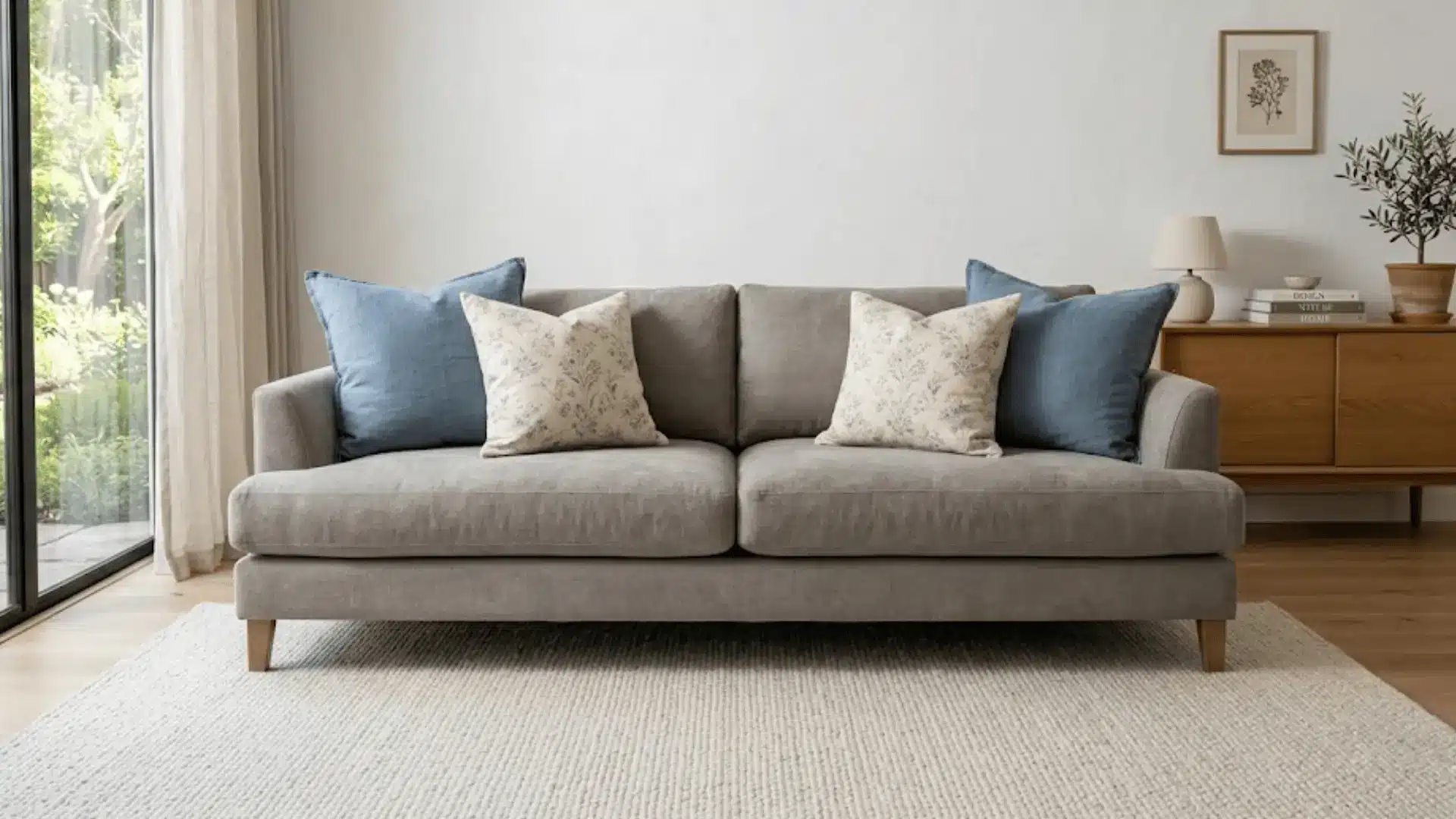
The sofa is usually the star of the living room, so pillow sizing here sets the whole tone. Getting the scale right on your sofa makes everything else in the room fall into place naturally.
- Standard sofas look best with 18 x 18 or 20 x 20 pillows for a balanced, put-together feel.
- Deep sofas can handle 22 x 22 without looking overwhelmed.
- Layering works beautifully when you mix one size up and one size down, like pairing 20 x 20 with an 18 x 18 in front.
Sectional Sofas
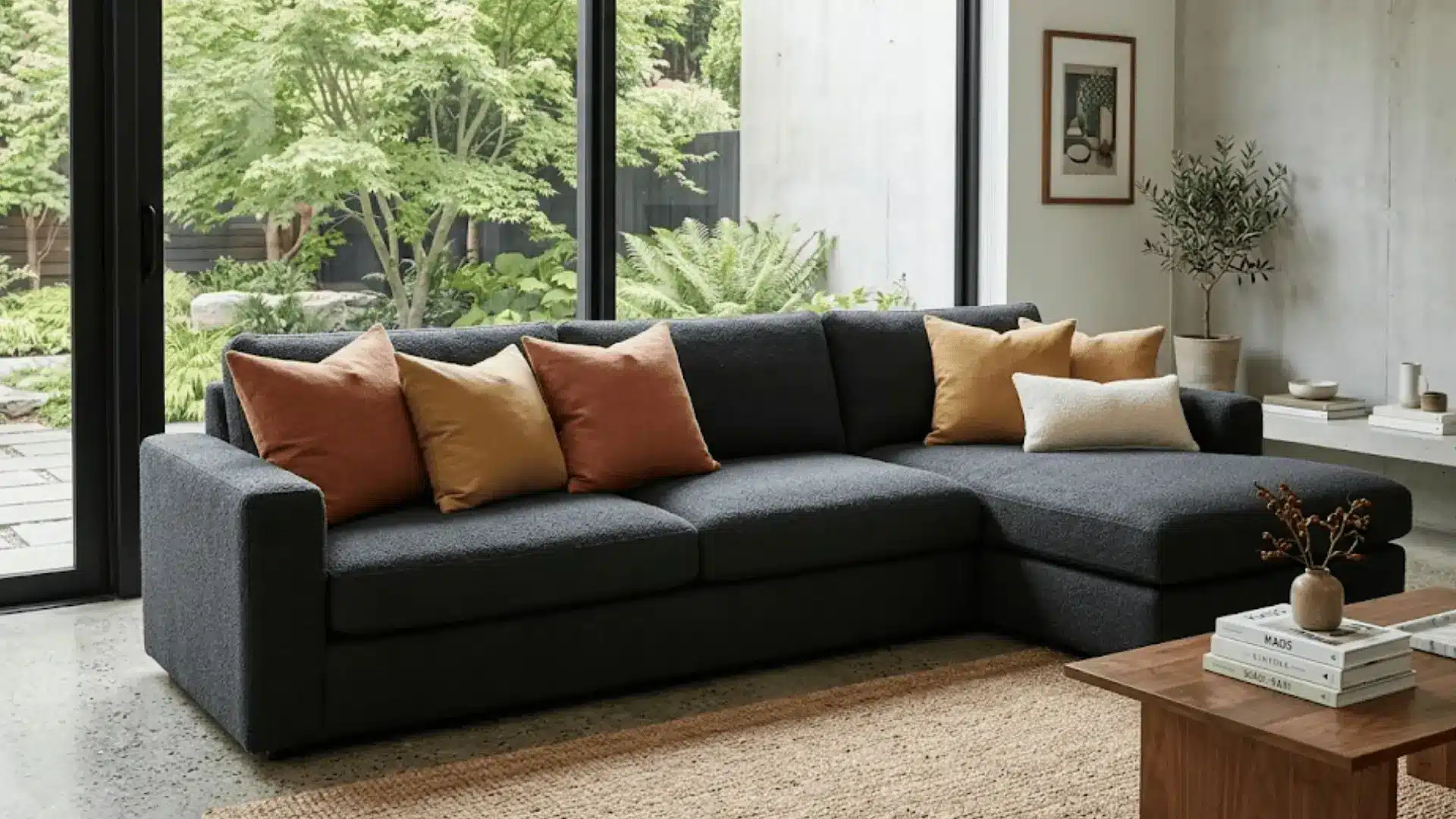
Sectionals have more real estate, which means you can actually play with scale. The trick is filling the space intentionally rather than just piling on pillows and hoping for the best.
- A mix of 20 x 20 and 22 x 22 pillows fills the space without looking cluttered.
- Lumbar pillows tucked along the chaise or corner add a nice visual break.
- Odd numbers almost always style better than even groupings.
Accent Chairs
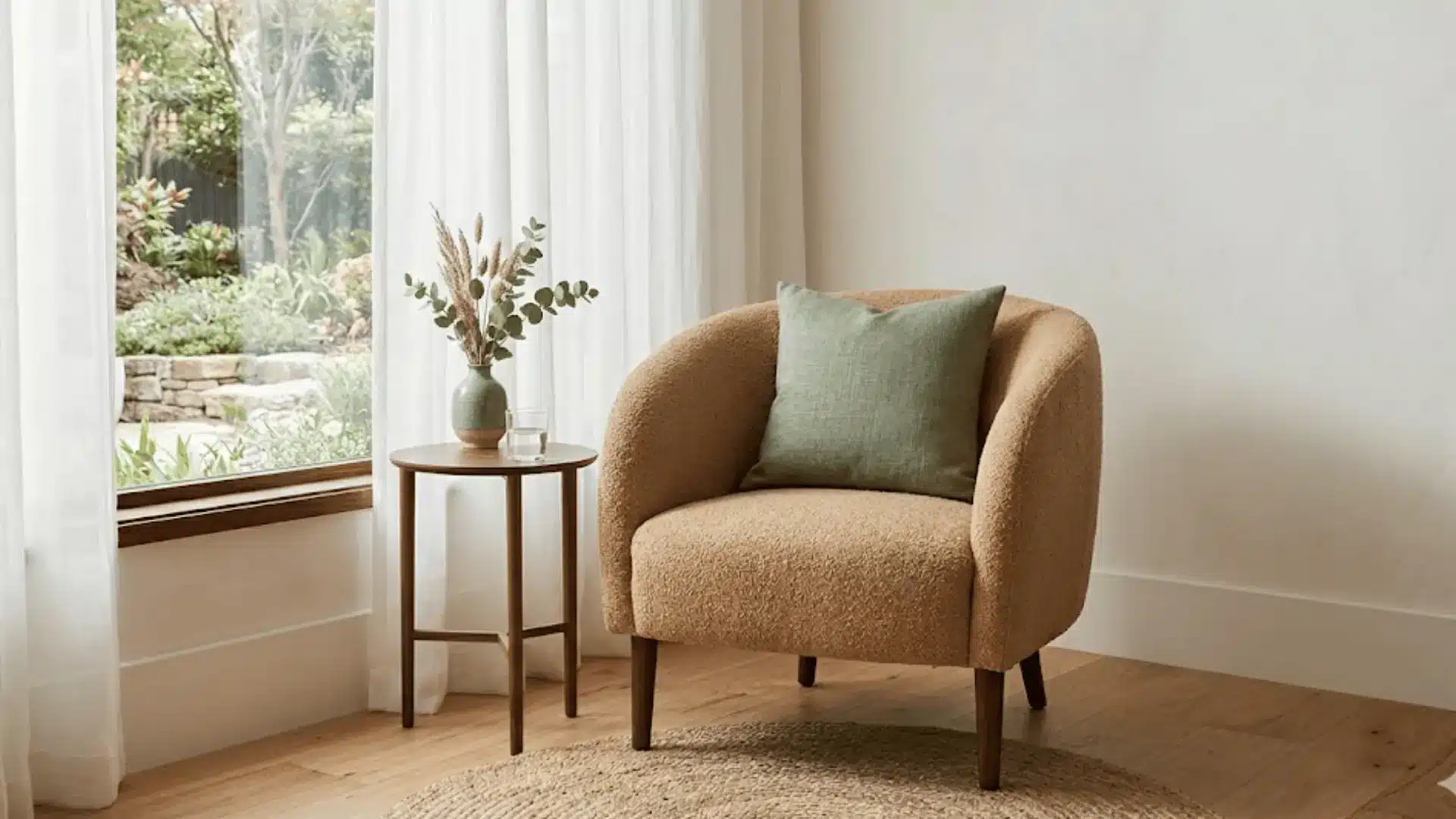
Accent chairs are petite by nature, so pillow sizing needs to stay proportional. Oversizing here is one of the most common styling mistakes people don’t even realize they’re making.
- 16 x 16 or 18 x 18 pillows are the sweet spot for most accent chairs.
- Oversized pillows tend to swallow the chair and make it look unintentional.
- One well-chosen pillow is genuinely enough here.
Bed Throw Pillow Sizes
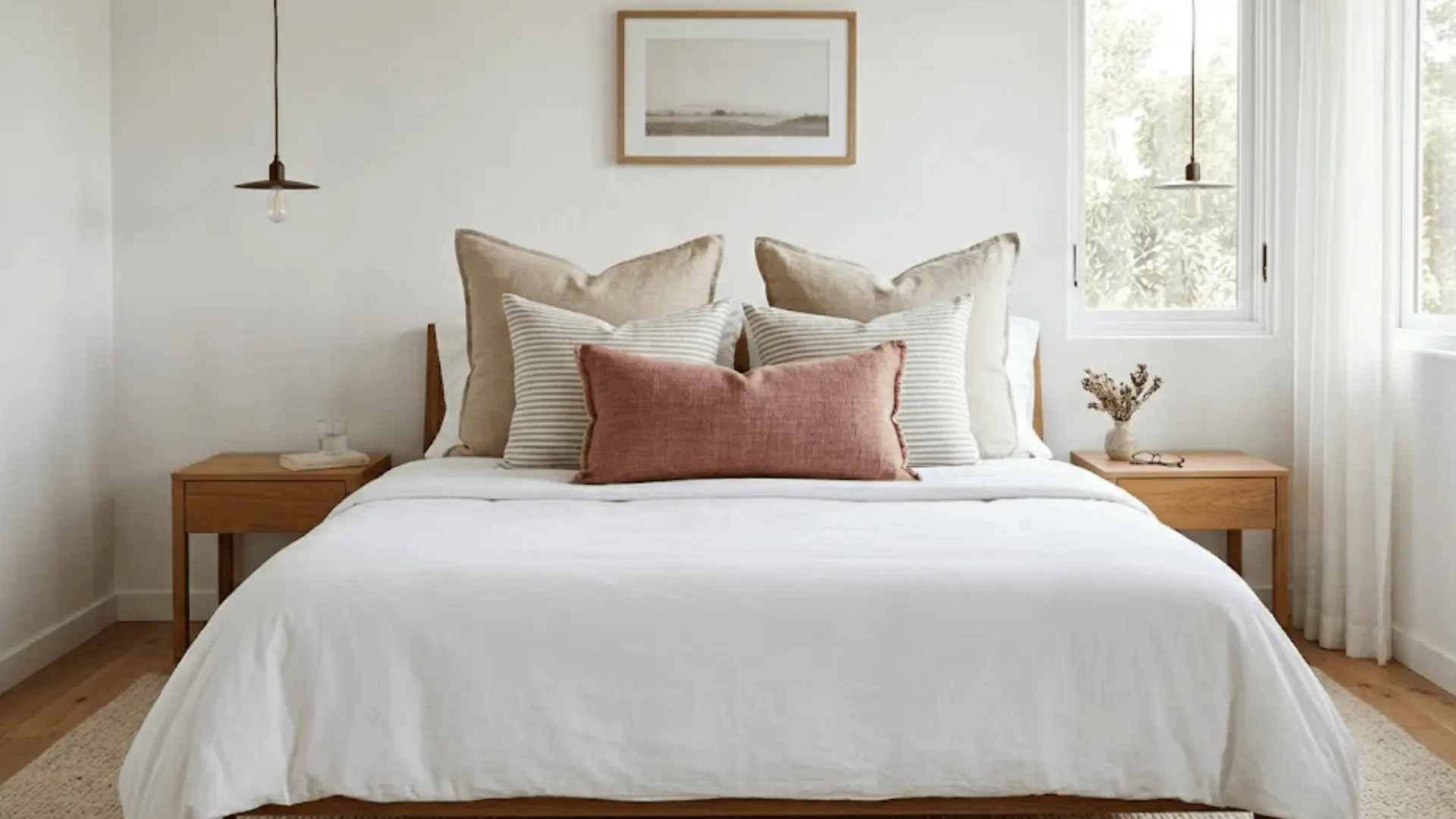
Bed styling follows a layering logic that starts with your mattress size. When the pillow sizes scale with the bed, the whole setup looks intentional and designer-ish without much effort.
- Twin beds feel complete with a 16 x 16 or a simple lumbar pillow.
- Queen beds layer nicely with 18 x 18 pillows paired with a lumbar in front.
- King beds can carry 20 x 20 or 22 x 22 pillows without losing proportion.
How to Choose the Right Throw Pillow Size?
Choosing the right pillow size feels overwhelming until you have a few simple rules to lean on.
It’s less about following strict guidelines and more about training your eye to see what looks and feels balanced in your specific space.
- Deep seating naturally calls for larger pillows, while shallow chairs and sofas look cleaner with smaller, more proportional sizes.
- Pillows that overpower the furniture throw off the whole visual balance of a room, so when in doubt, size down.
- A good mix of decorative and supportive pillows keeps your space looking styled without sacrificing everyday comfort.
- Always consider the visual weight of your pillow alongside its size. A chunky textured pillow reads larger than a flat one in the same dimensions.
- Proportion over preference is the golden rule here; even if you love oversized pillows, the furniture always gets the final say.
At the end of the day, the right pillow size is the one that makes your space feel intentional. Trust the proportions, layer thoughtfully, and let the furniture guide the sizing rather than the other way around.
Throw Pillow Arrangement Ideas
Arrangement is honestly where pillow styling gets really enjoyable. Once you know your sizes, it’s just about finding a layout that feels natural to your space and the kind of aesthetic you’re going for.
1. Two-Pillow Arrangement

Simple, clean, and surprisingly effective. A two-pillow setup works best when you want a minimal, uncluttered look that still feels intentional rather than bare.
Place one pillow on each end of the sofa in a matching or complementary size, ideally 18 x 18 or 20 x 20, and let the symmetry do the work. This setup is perfect for anyone who loves a minimal, pared-back aesthetic where less is genuinely more.
2. Three-Pillow Arrangement
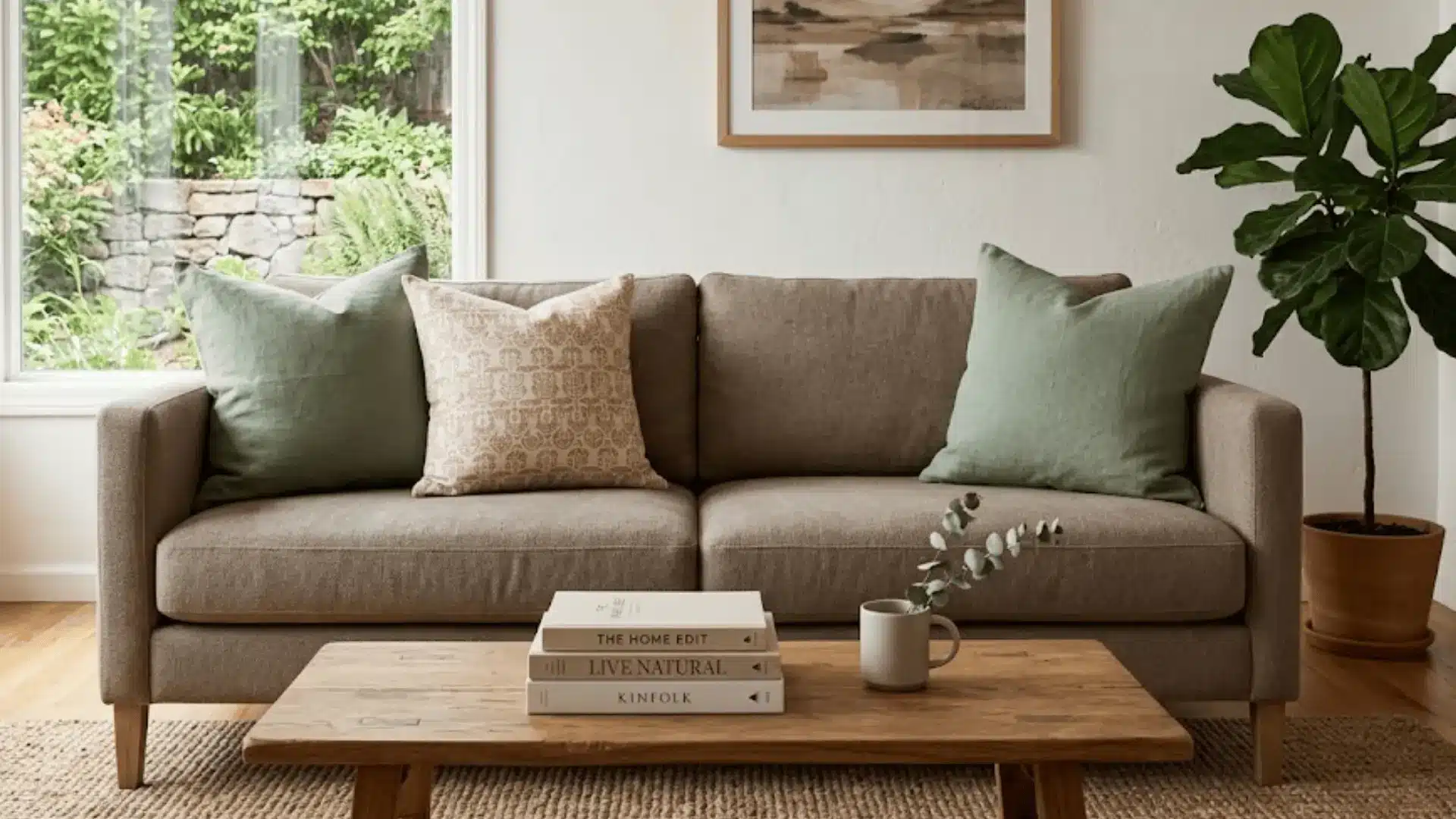
Three pillows hit that sweet spot between styled and lived-in. The most effortless approach is two matching pillows on the outer ends with one contrasting pillow placed in the center, whether that’s a different size, texture, or print.
This layout works across almost every sofa size and style, which is exactly why it’s such a go-to arrangement for most interiors. It’s balanced without feeling too rigid or overly decorated.
3. Five-Pillow Arrangement
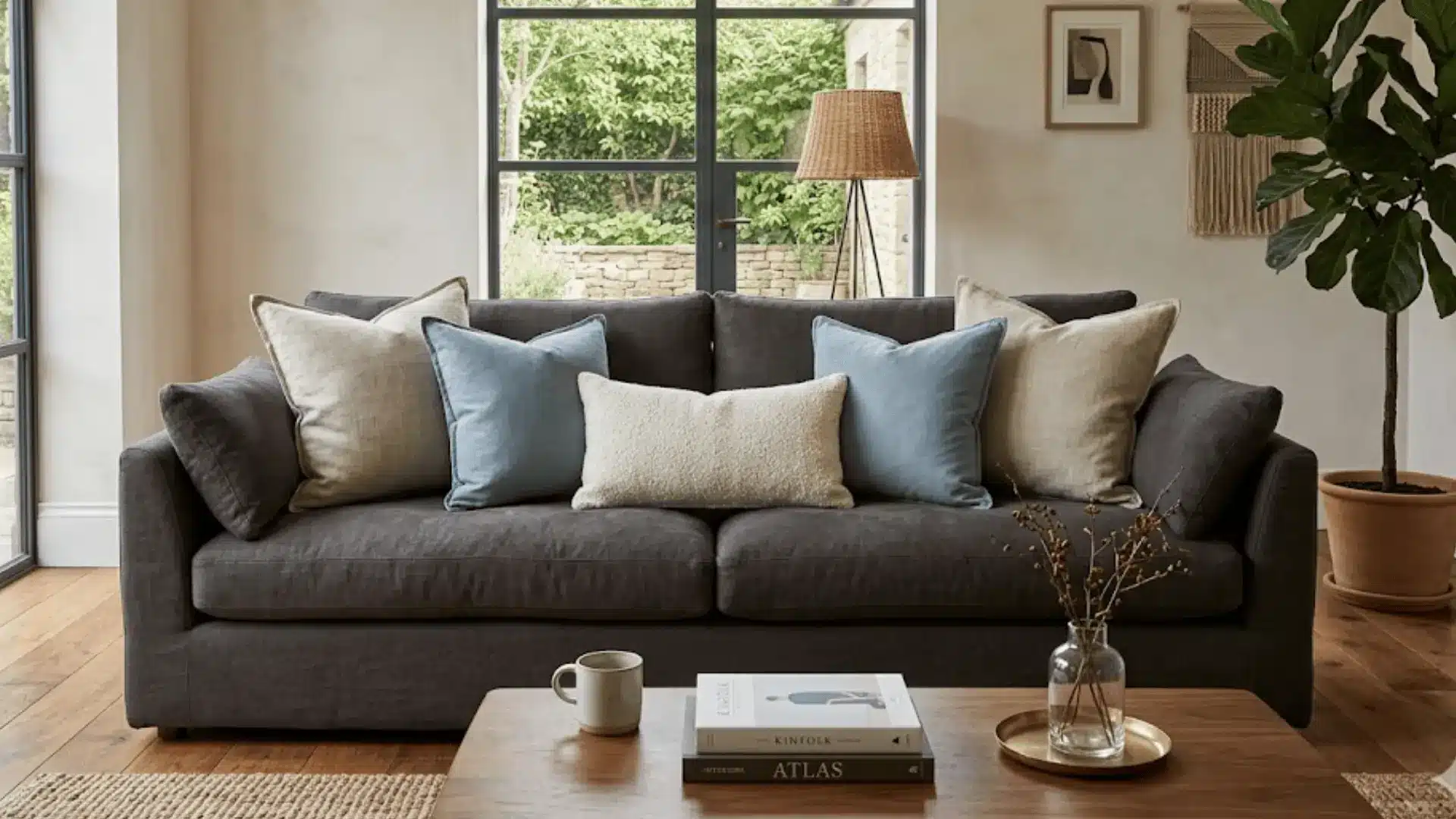
This is the arrangement that makes a sofa look like it belongs in a magazine. A five-pillow setup typically layers two large pillows at the back, two medium pillows in front, and one lumbar or accent pillow centered at the front.
The key is varying the sizes and textures so it feels curated rather than crowded. When done right, this arrangement creates that effortlessly layered, designer-inspired look without actually needing a designer.
4. Mixing Square and Lumbar Pillows
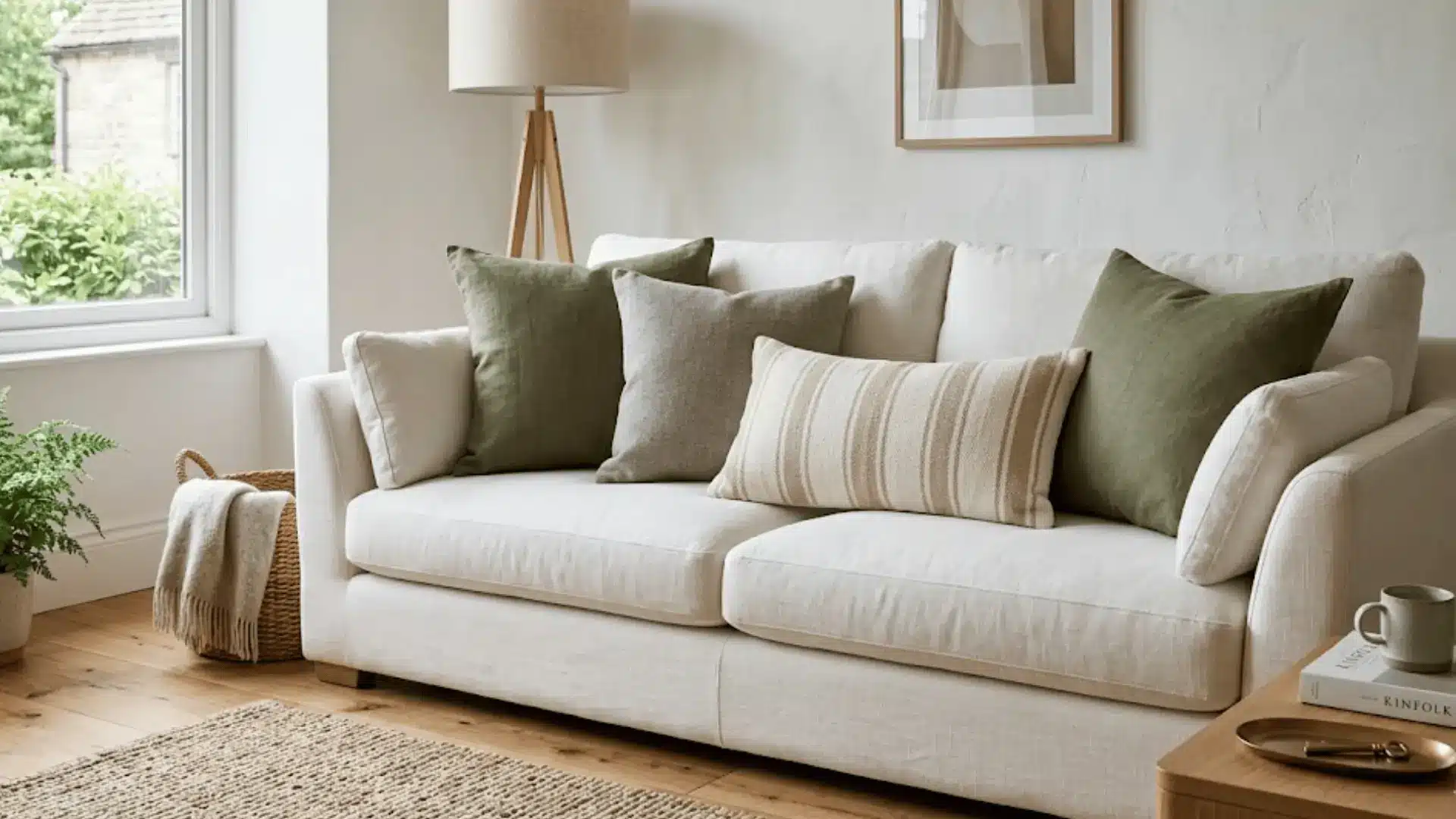
Adding a lumbar pillow to a square pillow arrangement instantly elevates the whole setup. The rectangular shape breaks the visual repetition of the same-sized pillows and adds a layer of dimension that just feels more intentional.
Place the lumbar centered at the front of your arrangement, whether you’re working with two, three, or five pillows behind it. It’s a small addition that makes a genuinely noticeable difference to the overall look.
Designer Tips for Mixing Throw Pillow Sizes
Mixing pillow sizes distinguishes a casually stylish sofa from a thoughtfully designed one. These are the quiet little rules designers swear by, and once you start using them, you’ll notice the difference immediately.
- Odd-number groupings almost always look more natural and visually interesting than even ones; three or five pillows will style better than two or four.
- Layer from largest to smallest, placing bigger pillows at the back and working your way forward with smaller sizes and lumbar pillows.
- Mixing textures and patterns across different sizes adds depth without needing to change your color palette at all.
- Sticking to a cohesive color palette across all your pillow sizes is what ties the whole arrangement together and keeps it feeling intentional rather than random.
The best pillow arrangements always look a little effortless, and that effortlessness is just good proportion and thoughtful layering working quietly in the background.
Keep these tips in your back pocket, and styling your space will start to feel a lot more intuitive.
Throw Pillow Inserts vs. Covers
The cover and the insert are equally important, and getting their sizing relationship right is what gives pillows that full, plush look you see in well-styled spaces.
Here’s a quick breakdown of what to know before you buy:
| Fill Type | Insert Size Rule | Shape Retention | Best For |
|---|---|---|---|
| Down | 2 inches larger than the cover | Soft, settles over time | A luxurious, lived-in look |
| Polyester | 1-2 inches larger than the cover | Holds shape well | Everyday use and durability |
| Down Alternative | 1-2 inches larger than the cover | Moderate, mimics down | Comfort without allergens |
The Bottom Line
Getting your standard throw pillow size right really does change how a space feels, and hopefully, this guide made that process feel a lot simpler.
Styling a home is never about perfection; it’s about finding what feels balanced and beautiful to you.
Start with the right sizes, layer thoughtfully, and the rest tends to fall into place on its own.
Got a pillow arrangement you swear by or a sizing trick that works for your space? Drop it in the comments, would love to hear what’s working for you.