A fence isn’t just wood and nails, it’s a line you draw between the world and your space.
When I built mine, it wasn’t about keeping things out. It was about creating a spot that felt like mine.
I didn’t use fancy tools or hire anyone. I just started with a few solid diy fence ideas and made it work with what I had.
Now it’s your turn to shape your own space. In this blog, you’ll find fence ideas that are simple, doable, and made for real people.
We’ll go through easy builds, smart tips, and ways to make your fence last. You don’t need to be an expert. You just need a plan and that starts right here.
How to Choose the Right DIY Fence for Your Yard
Choosing the right DIY fence for your yard starts with knowing why you need it. Are you looking for privacy? Keeping pets in? Just want to make your space feel more complete?
Your reason will help you choose the right style and height.
Next, look at your yard. Is the ground flat or sloped? Some fence types are easier on uneven land than others. Also, check your local rules, some areas have limits on height or style.
Then think about the materials. Wood looks warm and classic.
Metal is strong. Vinyl is easy to clean. Pick what fits your budget and how much upkeep you’re okay with.
Finally, be honest about your tools and skills. Choose a design that you can build without too much stress. A simple fence done well is better than a fancy one left half-finished.
Plan it out, keep it simple, and make it yours.
Simple DIY Fence Ideas You Can Build
You don’t need to be a pro or spend a lot to build a good fence. These ideas are made for real people with real budgets and they actually work. Pick one that fits your space, grab some tools, and start building:
1. Lean-To Privacy Fence Panels
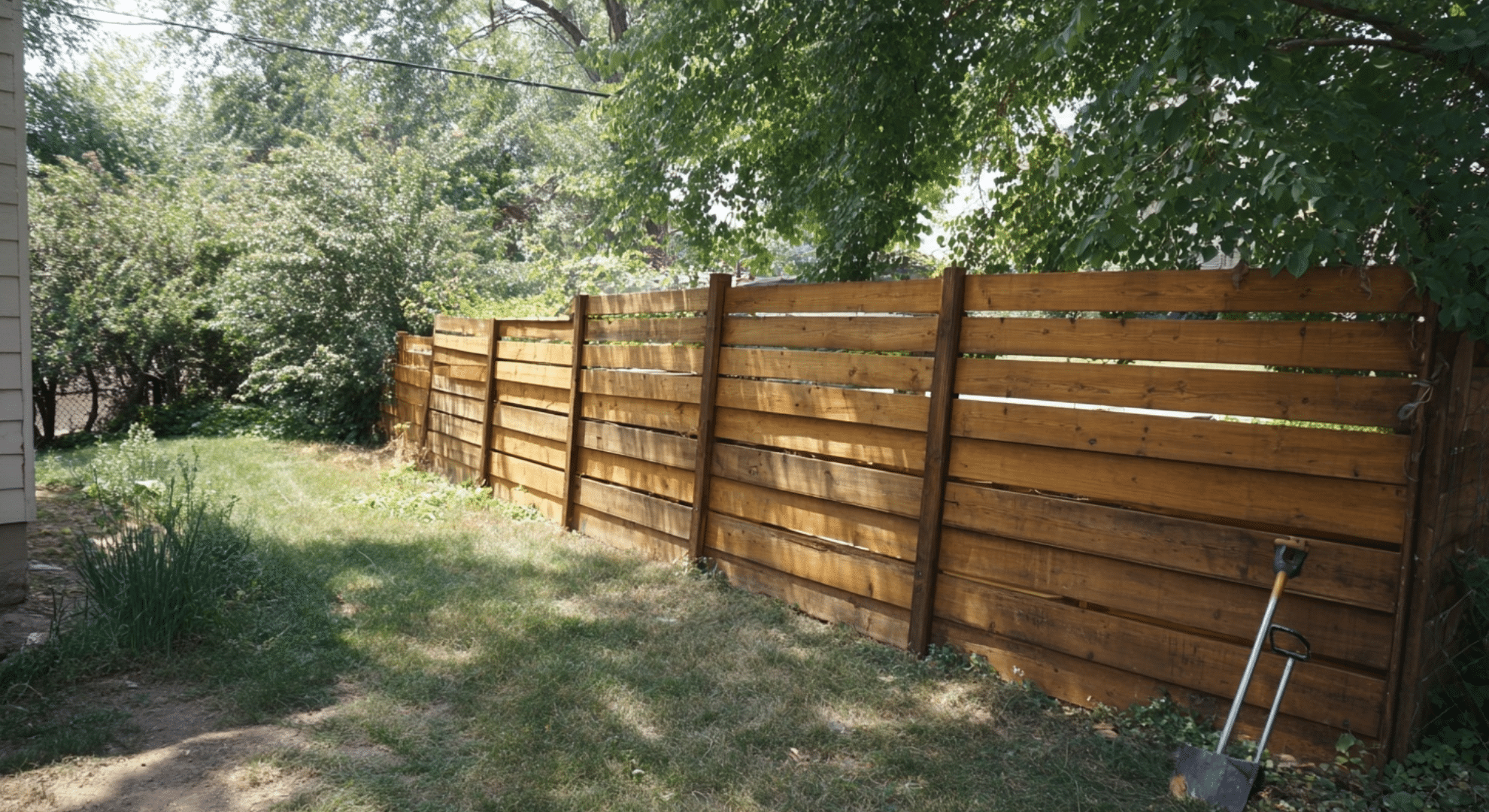
Build angled fence panels that tilt slightly inward. This design blocks views more effectively than flat panels and uses fewer boards.
It’s great for corners or areas needing strong privacy without high material costs. Easy to build with just standard lumber and basic tools.
2. Staggered Height Wood Fence
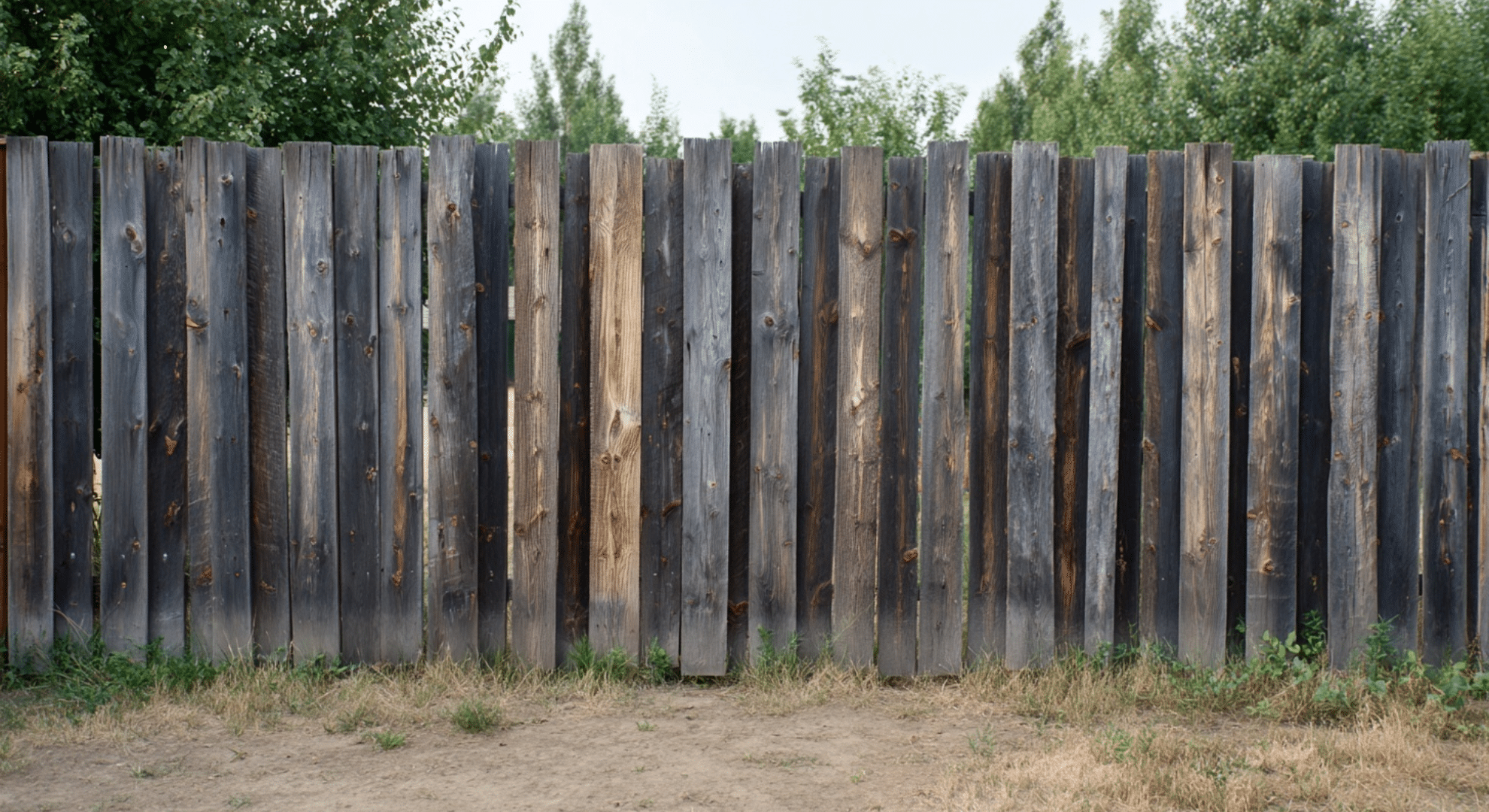
Instead of using the same height boards, alternate between tall and short ones. This cuts costs while still giving privacy where it matters.
It adds visual interest too, and works well in yards that don’t need full coverage everywhere.
3. Corrugated Metal and Wood Frame Fence
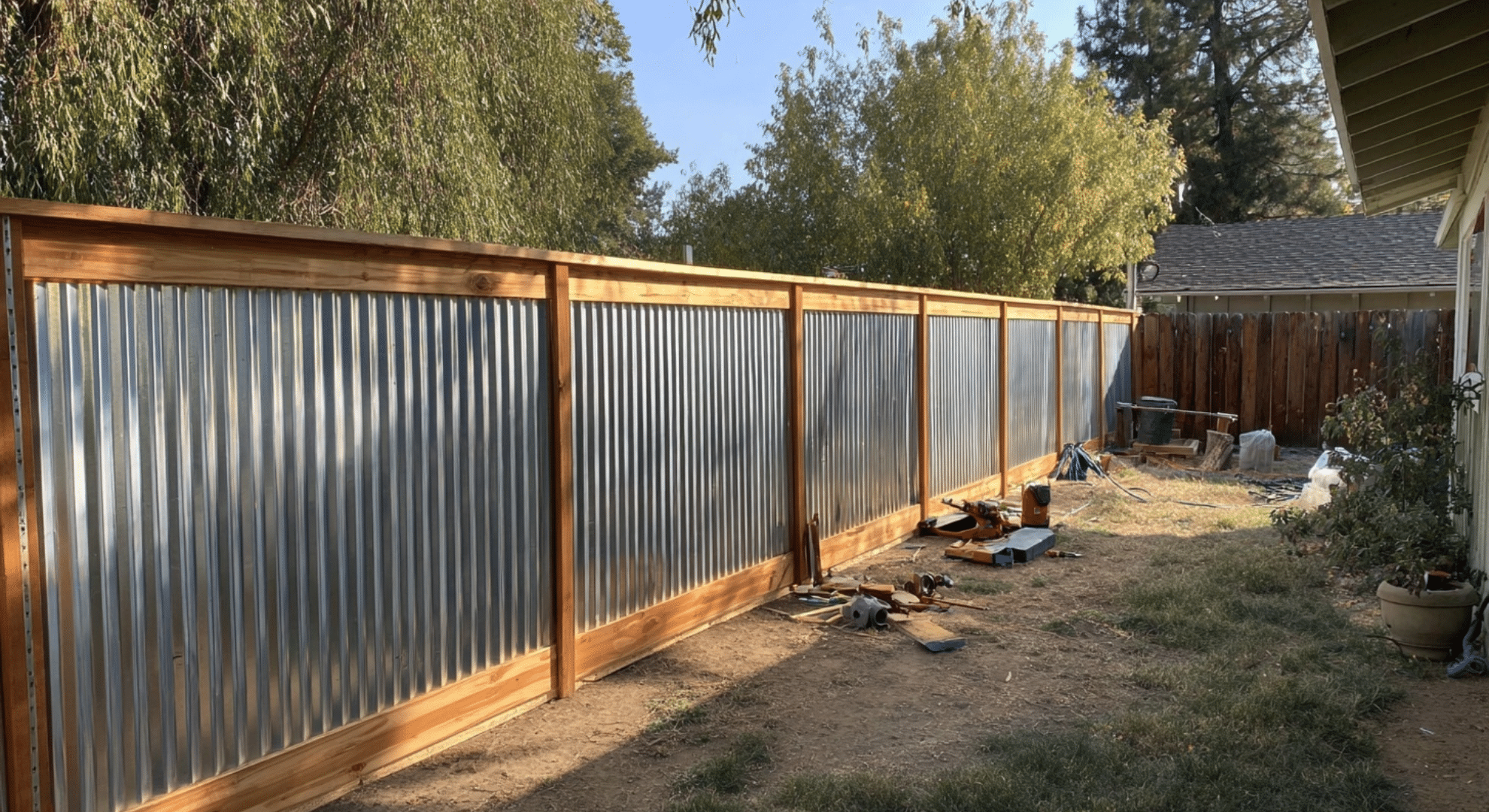
Frame corrugated metal sheets with simple wood boards. This mix of materials gives you a strong, modern fence that’s fast to build.
It blocks views well and stands up to wind and weather. Great for backyard privacy with a bit of style.
4. No-Dig Concrete Block Fence
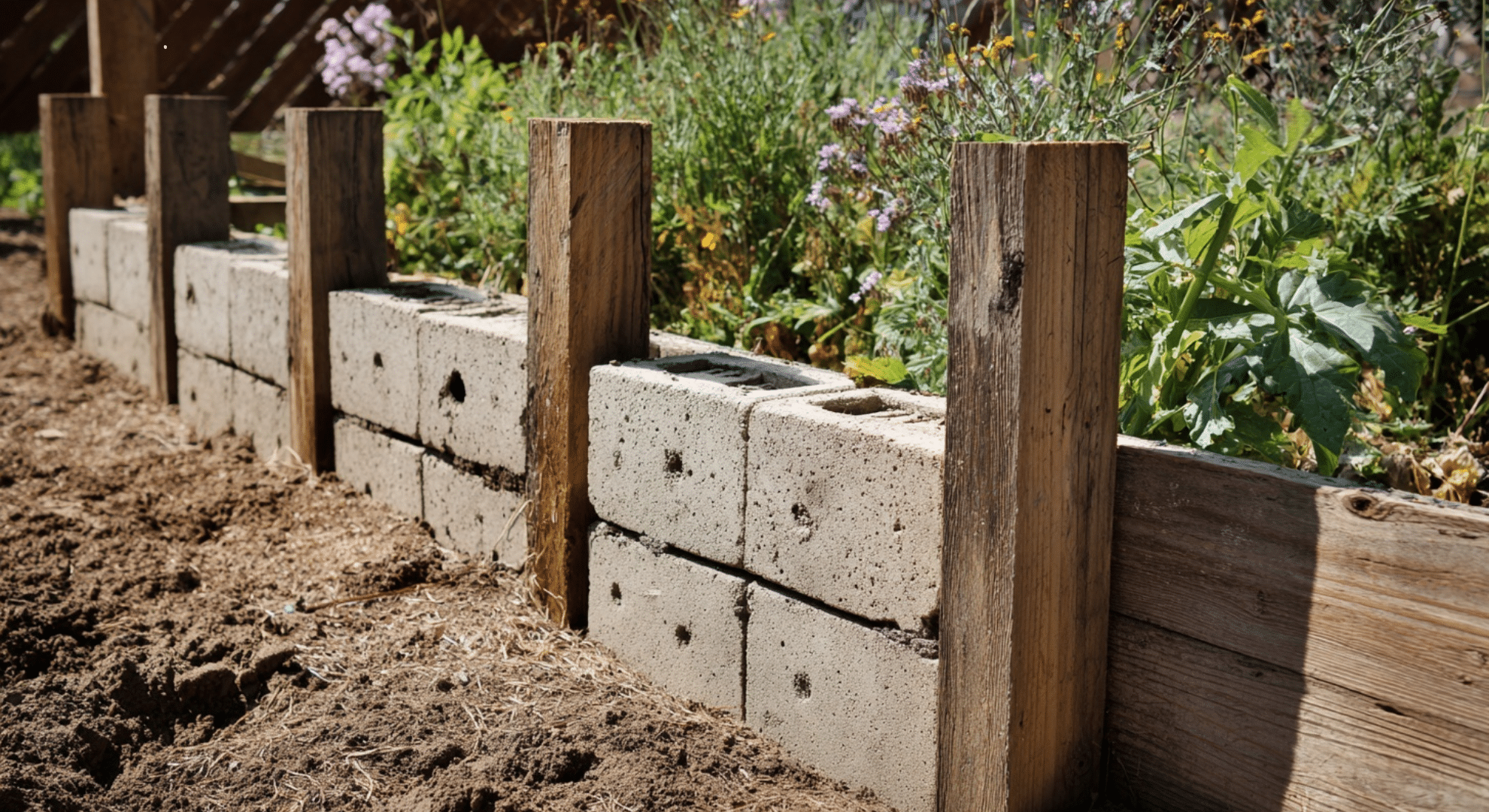
Stack hollow concrete blocks and slide wood posts through the holes. No digging, no poured concrete.
It’s stable, easy to move or change later, and gives you a strong fence fast. A smart option if you’re renting or want less effort upfront.
5. Horizontal Fence With Spaced Boards
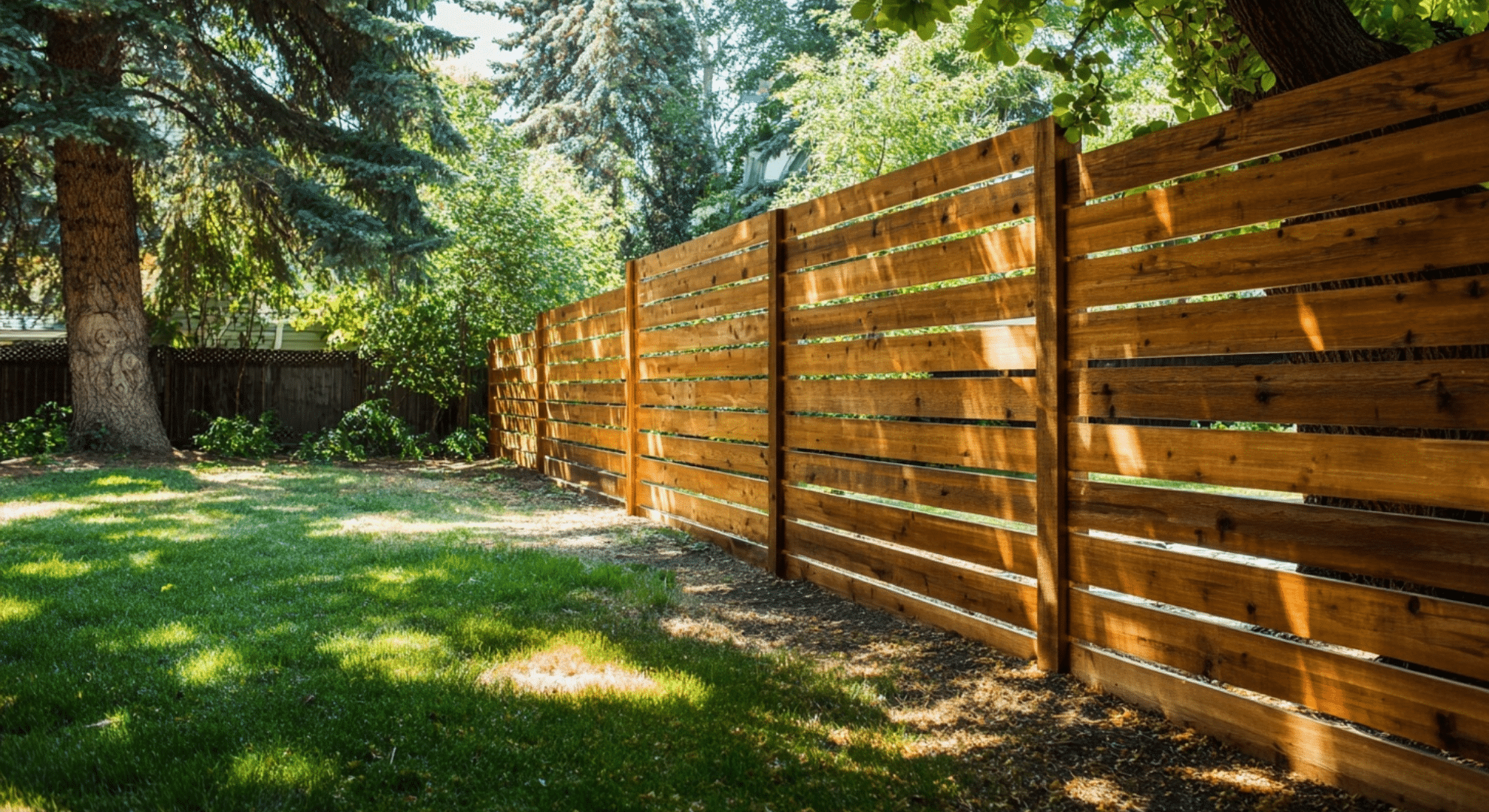
Lay boards sideways with small gaps in between. It uses fewer boards but still keeps things private when viewed at an angle.
Plus, it allows airflow, good for warm areas. Clean, modern look that’s easy to build and budget-friendly.
6. Rope and Wood Post Fence Screen
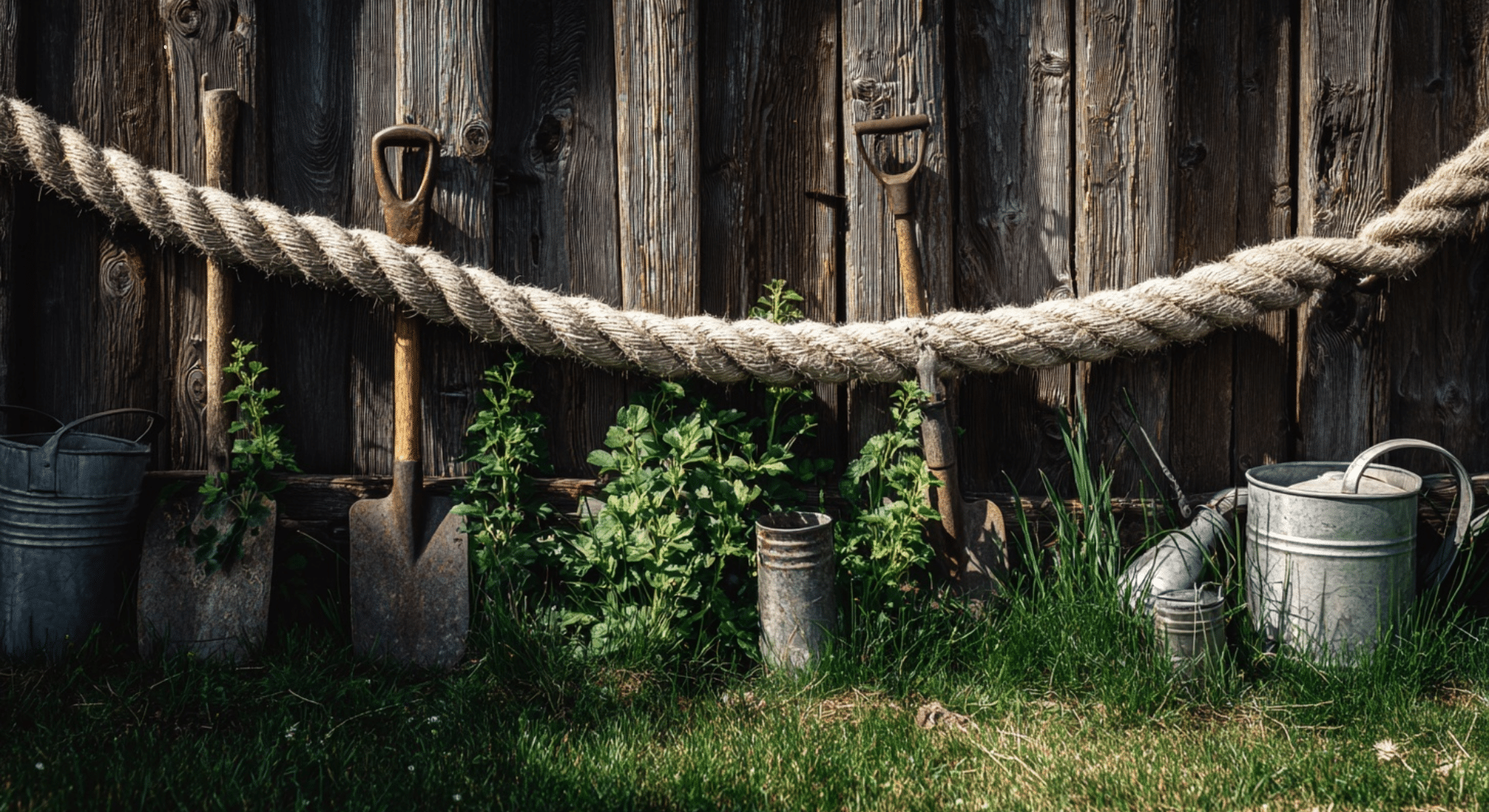
Stretch thick outdoor rope between upright wood posts. You can plant climbing vines later for added privacy.
It’s a creative and cheap fencing idea that works well for light privacy or dividing spaces in the yard. Easy to build and adjust.
7. Sliding Panel Privacy Fence
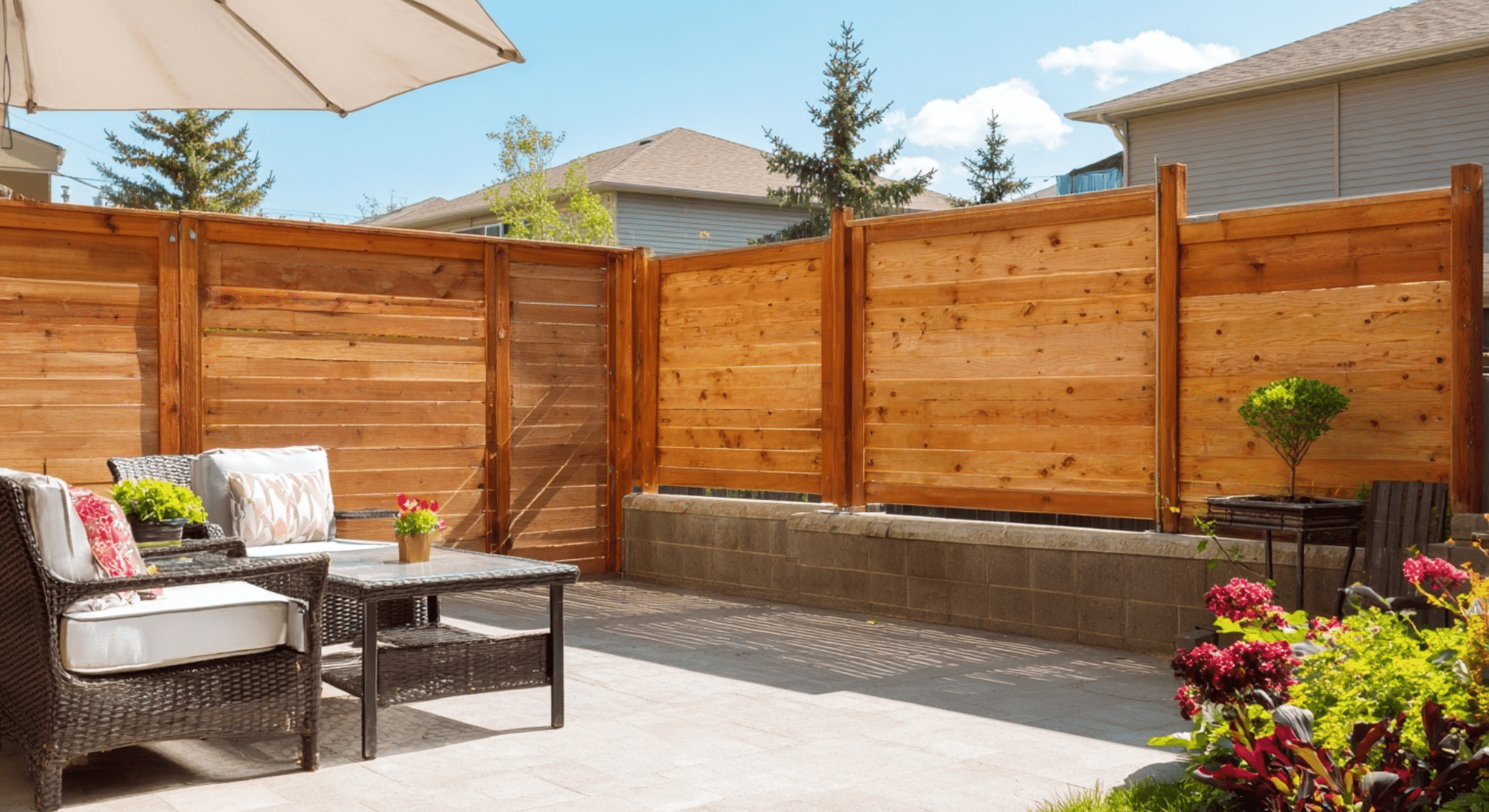
Make panels that slide along a track to open or close. Use them around patios or decks where you only want privacy sometimes.
Great for small yards or renters. It’s flexible and lets you control the space based on what you need.
8. Fence Made From Old Doors

Line up used or salvaged doors side by side on a wood frame. It gives instant height and solid coverage, perfect for backyard fences.
Cheap if you can find doors for free or secondhand. Adds character and gets the job done.
9. Mixed Board Width Fence
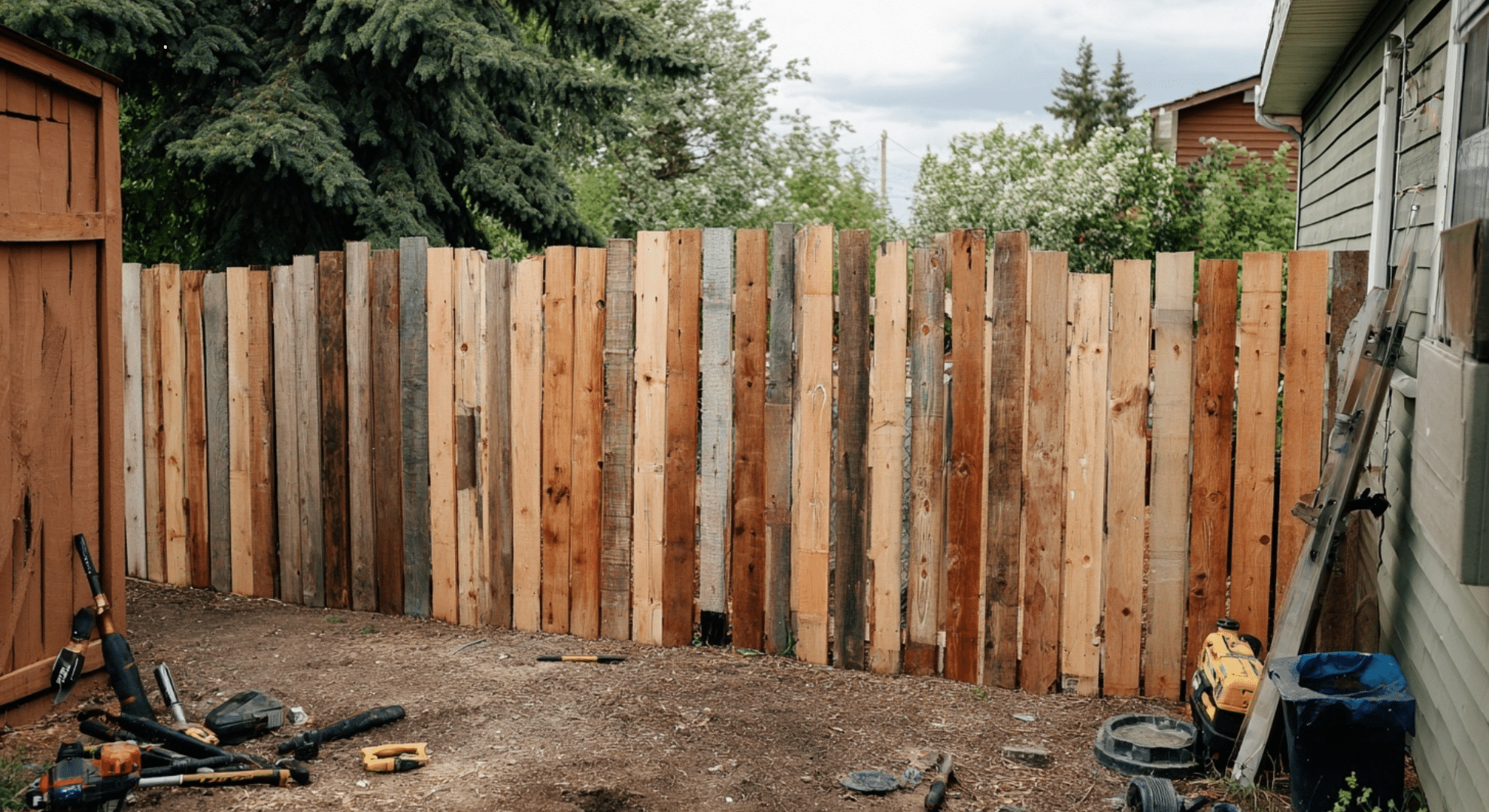
Use leftover boards of different widths instead of matching ones. This makes use of scraps and reduces waste.
It still gives full privacy and looks cool in a simple, patchwork way. Great for DIYers using what they have on hand.
10. Bamboo Roll Fence With Wood Frame
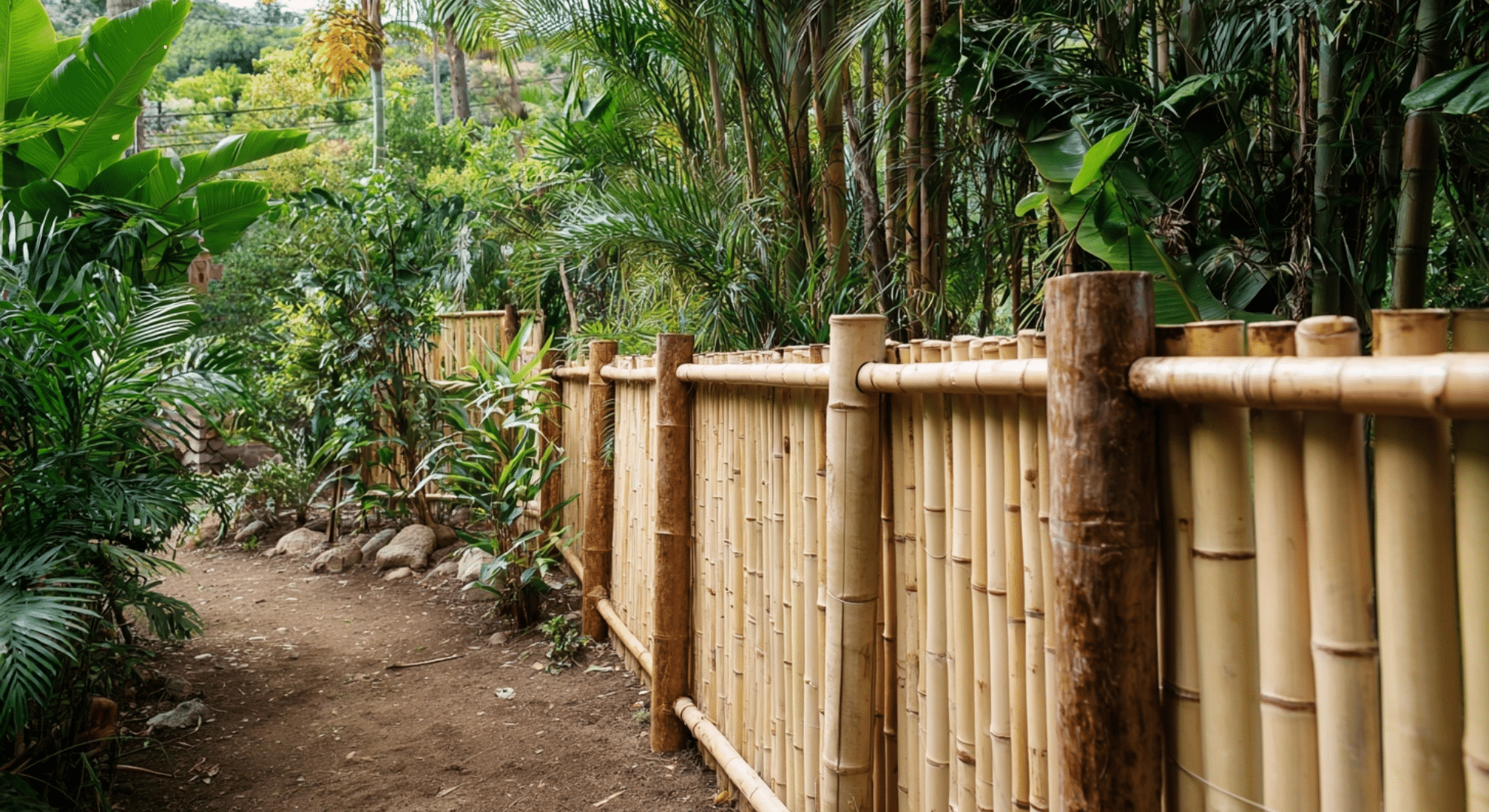
Attach bamboo fencing rolls to a simple wood frame or existing posts.
It’s lightweight, low-cost, and easy to install. Even though bamboo looks thin, it blocks views better than you’d expect. It’s a quick fix with a natural vibe.
11. Half-Solid, Half-Open Fence
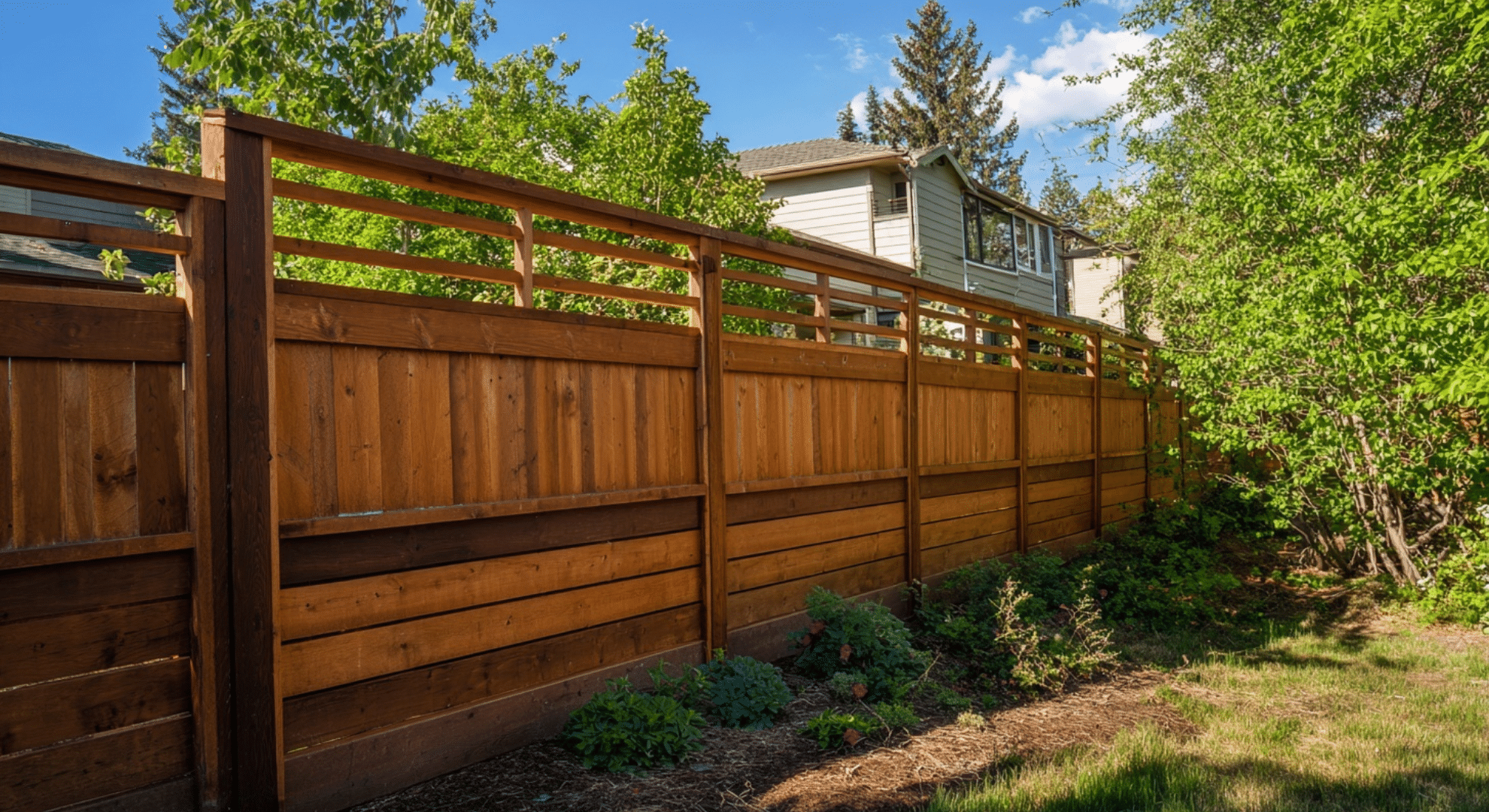
Build the lower half solid and leave the upper half open with slats. This keeps people from seeing in while saving on wood.
It feels more open and still offers the privacy you need. Good for front yards or along sidewalks.
12. Raised Planter Fence Wall
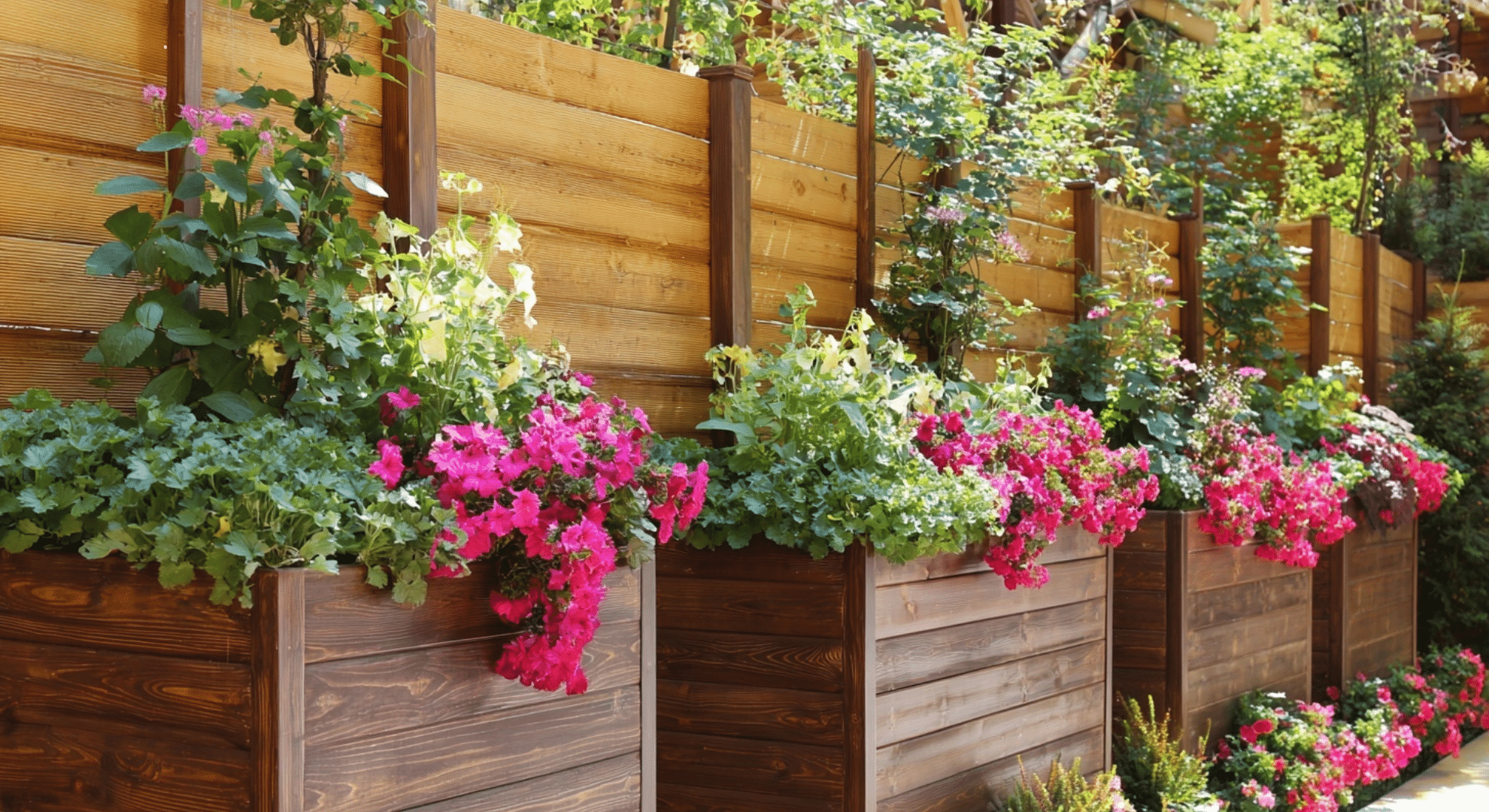
Combine raised planter boxes with tall boards on the back.
The fence gives solid coverage, and the plants add height and softness. Great for patios or small backyards. It doubles as a garden and privacy wall in one.
13. Fence Using Livestock Panels and Wood
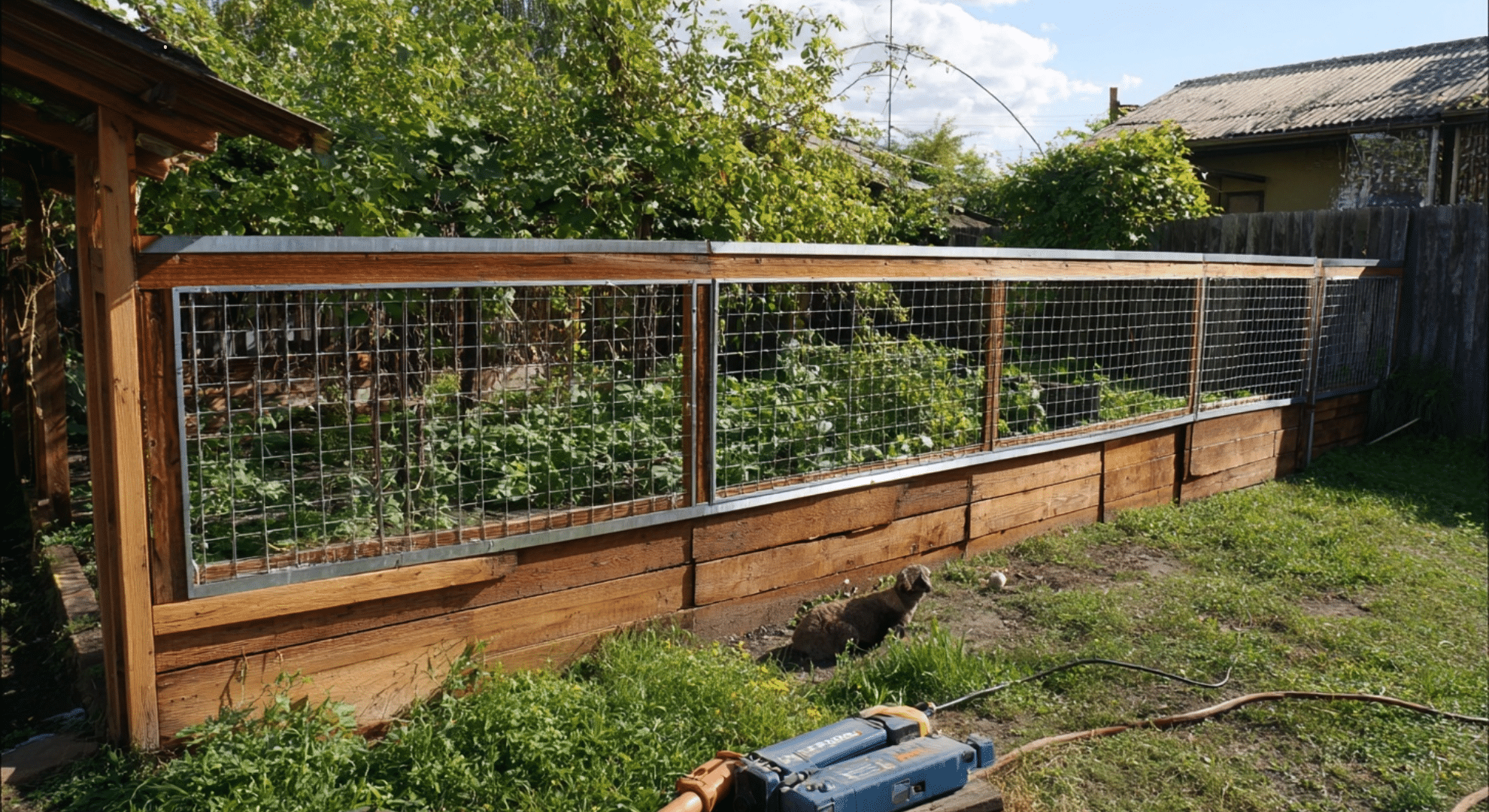
Frame metal livestock panels with wood posts and rails.
Strong and easy to put together. Add vines or plants for more privacy over time. It’s a smart, sturdy fence that holds up well and doesn’t take long to build.
14. Zig-Zag Fence Layout
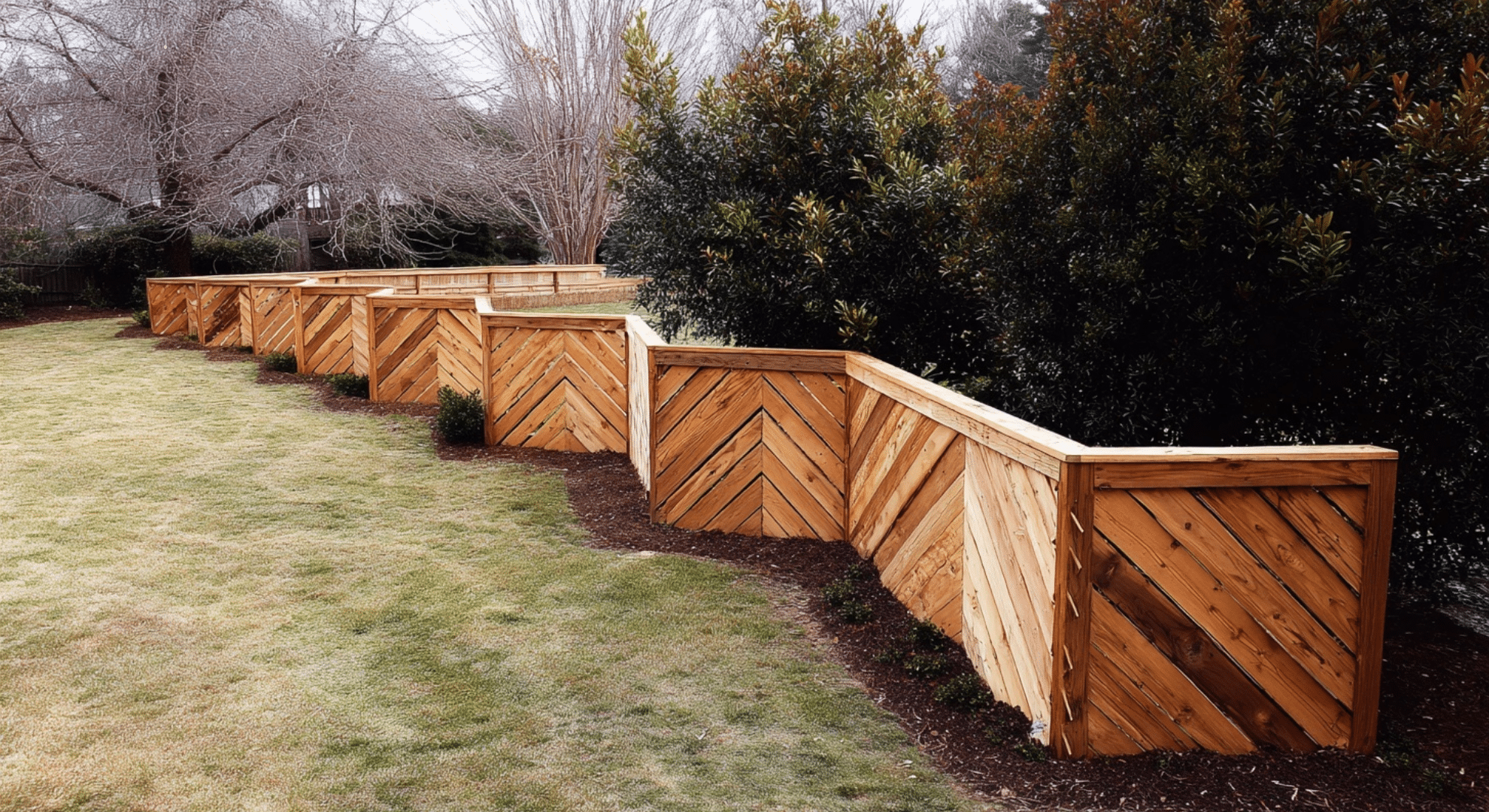
Install panels in a zig-zag pattern instead of a straight line.
This stops direct views without needing tall fences. It adds strength too, so you may not need as many posts. A creative way to boost privacy without extra height.
15. Removable Privacy Fence Sections
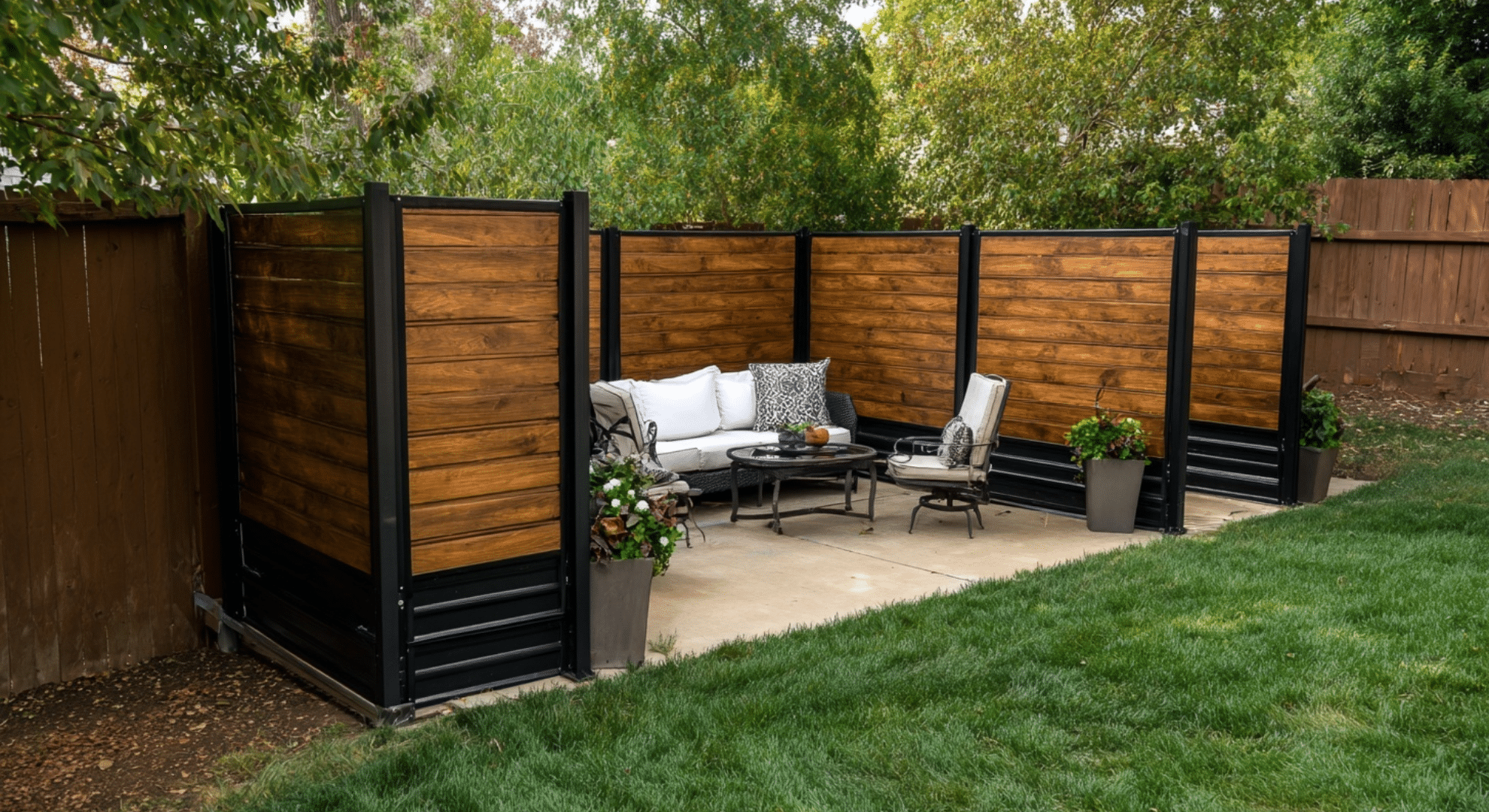
Build panels that lift out or unbolt when needed.
Perfect for renters or people who might want to move the fence later. It gives solid privacy when in place, but full flexibility to take it down without a mess.
How Much Does DIY Fencing Really Cost?
Before starting, it’s smart to know what you’re getting into. Costs can change based on the materials you pick and how big your yard is. Here’s a simple breakdown to help you plan:
| Fence Type | Material Cost (per foot) | Tools Needed | Total DIY Cost (Approx.) |
|---|---|---|---|
| Basic Wood Fence | $3 – $7 | Saw, drill, screws | $400 – $1,200 |
| Corrugated Metal + Wood Frame | $6 – $12 | Saw, drill, metal snips | $600 – $1,500 |
| Bamboo Roll Fence | $4 – $8 | Staple gun, posts | $300 – $800 |
| Rope and Post Fence | $2 – $5 | Drill, rope, level | $150 – $500 |
| Concrete Block + Wood Posts | $5 – $10 | Level, mallet, post caps | $500 – $1,200 |
| Reclaimed Doors Fence | $1 – $4 (used doors) | Hinges, drill, screws | $100 – $400 |
Prices can go up or down depending on what you already have at home. Start small, compare prices, and build as you go. It doesn’t have to cost a lot to work well.
Common DIY Fence Mistakes That Cost More Later
It’s easy to rush into building a fence without thinking through the details. But small mistakes now can lead to big problems (and costs) later. Watch out for these common slip-ups:
- Skipping the property line check: Building even a few inches over can cause legal trouble.
- Ignoring local rules or permits: Some areas have height or style limits that can’t be skipped.
- Using untreated wood: It might look good at first, but it won’t last in the weather.
- Not setting posts deep enough: Shallow posts can lean or fall when the ground shifts.
- Forgetting to seal or stain the wood: Unsealed wood fades fast and rots even faster.
- Spacing boards too far apart: This reduces privacy and makes the fence look unfinished.
- Not planning for gates: Adding one later is harder and often more expensive.
Take your time, measure twice, and think ahead, it’ll save you money and stress down the road.
Conclusion
I didn’t expect building a fence to change how I felt about my yard, but it did. It made the space quieter, more mine, and oddly satisfying to finish with my own hands. It wasn’t about being handy. It was about trying.
Now, you don’t need to follow a perfect plan. Just start with one of the diy fence ideas that makes sense for your space. Let it be simple. Let it be yours.
And if you’re still thinking it through, that’s fine too. There’s more real advice waiting. Take a look at the other blogs, they’re written just like this one: clear, doable, and made to actually help you build, not just scroll!