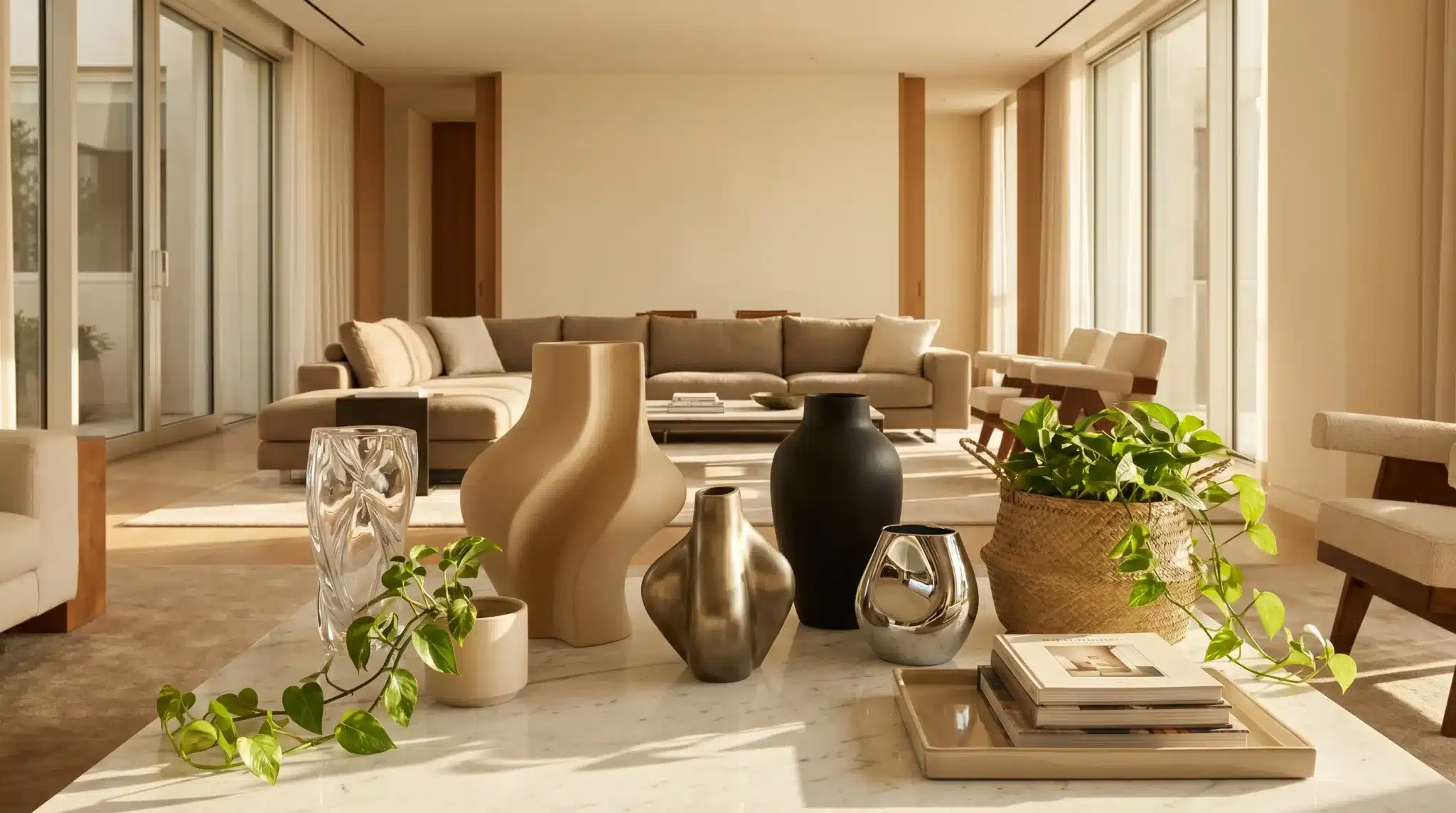
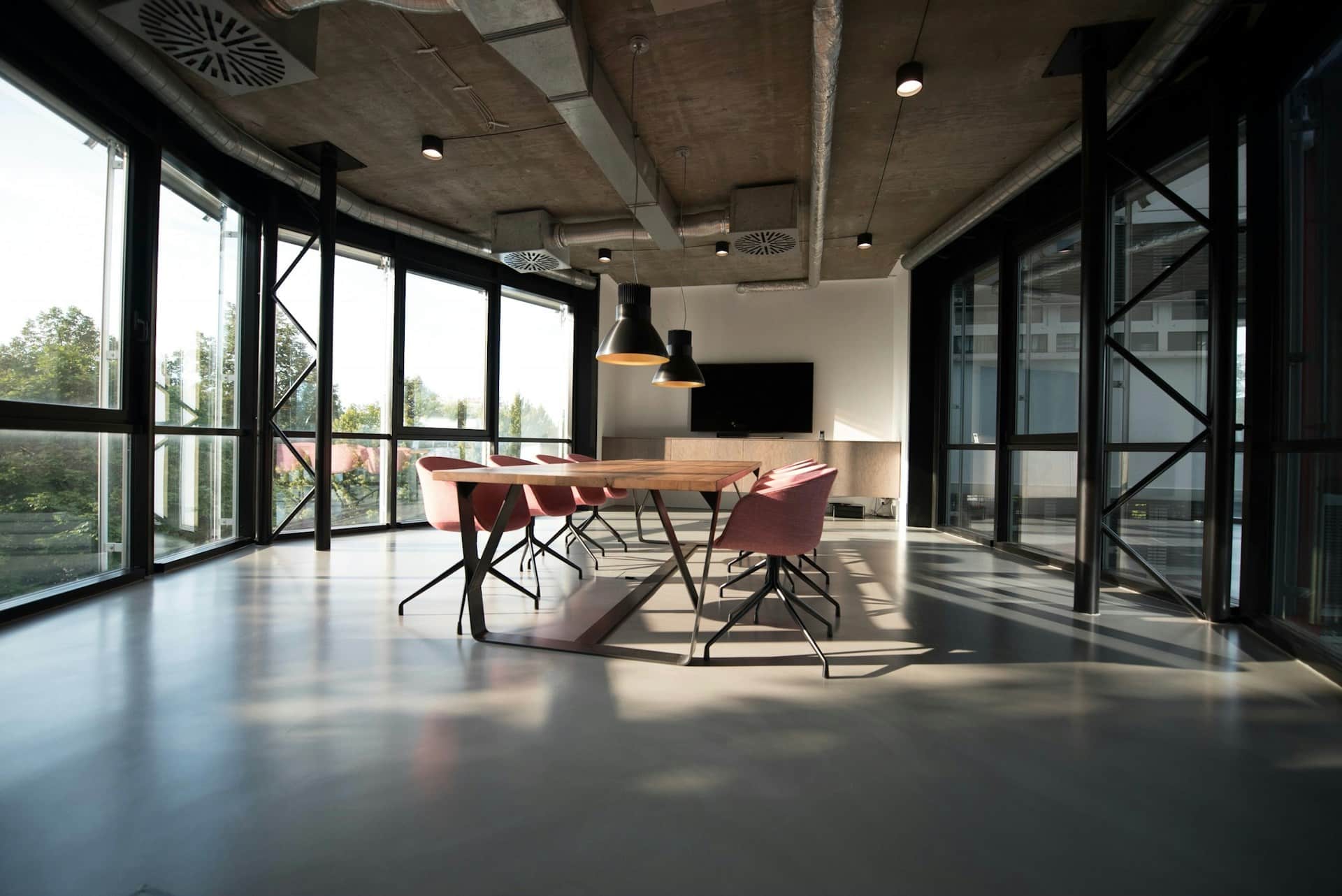
A small room doesn’t need miracle square footage. It needs better decisions. Plenty of compact homes feel calm, open, and comfortable because every item earns its place. Others feel cramped by noon because they’re packed with bulky furniture, poor lighting, and random clutter that somehow multiplies overnight.
The biggest mistake is treating a small room like a storage unit with windows. That never ends well.
Start by Editing the Room Hard
Before styling begins, remove what doesn’t belong. Not someday. Now. Small spaces punish hesitation. If a chair collects laundry instead of guests, it’s not helping. If three side tables exist because no one wanted to choose one, choose now.
A designer once said the fastest way to improve a room is subtraction. That advice still wins. The last time a cramped guest room was restyled for a rental, removing two decorative stools and an oversized lamp made the room feel twice as usable in under ten minutes.
Keep what works. Lose what blocks movement, light, or peace.
Use Furniture That Fits the Scale
Tiny rooms often feel smaller because the furniture is too deep, too dark, or too heavy-looking. Massive couches with thick arms can swallow a living room. Wide dressers can dominate a bedroom wall. The room isn’t the problem. The proportions are.
Choose pieces with slimmer legs, visible space underneath, and cleaner lines. Raised furniture lets the eye travel farther, which creates a sense of openness. It’s why thoughtfully selected airbnb furniture often looks lighter and more adaptable than traditional oversized sets made for sprawling suburban layouts.
Less bulk. More breathing room.
Let Light Bounce Everywhere
Dark corners shrink a room faster than bad paint choices. Natural light helps, but reflected light does even more. Mirrors across from windows, glossy finishes, glass surfaces, and soft metallic accents can stretch brightness around the room.
This doesn’t mean turning the place into a disco ball. One mirror placed well can change everything.
A narrow hallway once felt like a tunnel until a large round mirror was hung at eye level and a warm wall sconce was added beside it. Suddenly, it looked intentional instead of apologetic. Funny how that works.
Keep window treatments light and simple. Heavy drapes can smother a room that already struggles for air.

Pick Colors That Open the Walls
White can work, but it’s not the only answer. Soft sand, warm gray, pale sage, muted blue, and creamy beige can all make walls recede. The trick is consistency. Jumping from one strong color to another chops the room into pieces.
Use similar tones across walls, trim, and large furniture when possible. That smooth visual flow helps the eye move without interruption.
If bold color is irresistible, place it in smaller accents. Pillows. Art. A painted stool. A lamp base with personality. Let the room whisper and the accessories talk.
Create Zones Without Building Barriers
Studio apartments and compact homes often need one room to do three jobs. Living area. Workspace. Dining nook. Sometimes yoga studio if ambition is high enough.
Avoid tall dividers that slice the room apart. Use rugs, lighting, and furniture placement instead. A small rug under a desk tells the eye where the work zone starts. A pendant over a table defines dining space. A sofa turned slightly can separate lounging from everything else.
This approach works especially well in transient living setups, where flexible layouts matter more than fixed ones. The same principle helps in places offering accommodation for students in Brisbane, where rooms may need to shift between study mode, sleep mode, and social mode in a single afternoon.
Think Vertical, Not Just Horizontal
When floor space runs out, walls become allies. Tall bookcases, floating shelves, peg rails, and wall-mounted lighting free up valuable room below. Vertical storage also draws the eye upward, which makes ceilings feel higher.
There is one warning here. Don’t stack chaos to the ceiling.
Use baskets, matching bins, or closed cabinets to keep visual noise down. Open shelving packed with mismatched clutter can feel stressful fast. Even beautiful objects need room around them.
A single tall shelf with a few books, a plant, and negative space beats six crowded ledges every time.
Choose Fewer, Better Accessories
Small rooms can’t absorb endless decor. Every candle holder, basket, and framed quote competes for attention. That competition creates tension, even when each item is lovely on its own.
Pick a few stronger pieces instead. One oversized artwork can make a room feel grander than five tiny prints. One textured throw can do more than a pile of mismatched cushions. One healthy plant often beats a shelf of fake greenery trying very hard.
Editing decor is hard because many items were bought with hope. But hope is not a styling strategy.

Keep Sightlines Clear
Want a room to feel larger instantly? Make it easier to see across it. Clear pathways. Don’t block windows with tall furniture. Avoid placing random pieces in the middle of walkways. Keep tabletops reasonably open.
Even transparent materials help. Acrylic side tables, glass desks, and open-frame chairs provide function without visual heaviness.
People read rooms quickly. If the eye can move, the room feels easy. If the eye keeps crashing into obstacles, the room feels crowded before anyone sits down.
Add Personality Without Overloading It
Minimal doesn’t have to mean sterile. Small spaces still need warmth, humor, and signs of life. A vintage lamp. A weird ceramic bowl. Linen bedding with texture. A framed photo that actually matters.
The goal isn’t to erase personality. It’s to curate it.
Rooms feel bigger when they feel settled. When every item looks chosen instead of accumulated. When there’s space to move, think, and breathe. Smart styling can’t create more square footage, but it can absolutely make a home feel like it finally has enough.