“When the winds are favorable and the waters flow smoothly, life flourishes.”
This ancient Chinese wisdom captures the essence of Feng Shui, a practice that has shaped harmonious living spaces for thousands of years.
Your living room is where energy gathers, conversations bloom, and daily life finds its heartbeat.
In Feng Shui philosophy, this central space holds remarkable power to influence your well-being and the gentle flow of positivity through your home.
This guide brings you expert-backed principles on layout, furniture placement, color palettes, and décor elements that transform your living room into a sanctuary that nurtures your soul.
What is Feng Shui?
Feng Shui, meaning “wind and water,” is an ancient Chinese art of arranging spaces to harmonize with natural energy. At its heart lies Chi, the life force that flows through every room, influencing mood and vitality.
The practice weaves together the Five Elements (wood, fire, earth, metal, water), the Bagua map that divides spaces into life areas, and the balance of Yin and Yang energies.
Your living room’s layout becomes the foundation for all this magic.
How furniture positions itself, where pathways curve and open, and the way energy moves through doorways can either invite abundance or create stagnant pockets that dim your space’s potential.
Understanding the Bagua Map for Your Living Room
The Bagua map is your gentle guide to understanding which areas of your living room correspond to different aspects of life. Imagine overlaying an energy grid onto your space, where each section holds unique potential.
When you align your layout with these zones, you’re not just decorating but intentionally nurturing specific life areas.
The way you position furniture, choose colors, and place meaningful objects shifts depending on which Bagua sector your living room occupies.
Key Bagua areas often found in living rooms:
- Wealth corner (far left) thrives with lush plants and purple accents
- Family area (middle left) loves wooden elements and cherished photographs
- Fame sector (far center) glows with lighting, candles, and recognition symbols
- Love corner (far right) blossoms with pairs of objects and soft, romantic touches
Core Feng Shui Principles for Any Living Room
These core principles form the foundation of any harmonious living room.
When you understand how energy moves, where power positions lie, and how elements dance together, your space becomes a living, breathing sanctuary.
1. Ensure Strong Energy Flow (Chi)
Chi is the vital life force that breathes through your living room, and it needs clear pathways to move like water finding its natural course. Clutter acts as a dam, creating stagnant pockets that drain your vitality.
Keep walkways wide and inviting, allowing energy to circulate freely without rushing out too quickly. Balance is key here.
While openness lets Chi flow, you’ll want grounding elements like a substantial sofa or coffee table to anchor the space and prevent energy from escaping before it nourishes you.
2. Create a Commanding Position
The commanding position is about feeling safe, empowered, and in control of your environment. When you sit in this power spot, you can see the entrance without being directly in line with it, giving you a subconscious sense of security.
Position your main sofa diagonally or perpendicular to the doorway, ideally with a solid wall behind for support.
Never arrange seating with backs facing the door, as this creates vulnerability and unease. This placement isn’t just practical but deeply nurturing to your nervous system.
3. Balance the Five Elements
The Five Elements bring different energies into harmony: Earth offers stability, Wood encourages growth, Fire sparks passion, Water invites flow, and Metal provides clarity.
Add Earth through terracotta pots and warm neutrals, Wood via plants and natural furniture, Fire with candles and ambient lighting, Water through mirrors and fluid shapes, and Metal in picture frames or rounded accents.
The magic happens when no single element dominates but all coexist in gentle balance.
Feng Shui Living Room Layout: Step-By-Step Guide
Your living room layout sets the stage for how energy moves and settles. Each piece of furniture plays a role in creating flow, conversation, and comfort.
Let’s build your space step-by-step with intention and grace.
Step 1: Start With the Main Sofa
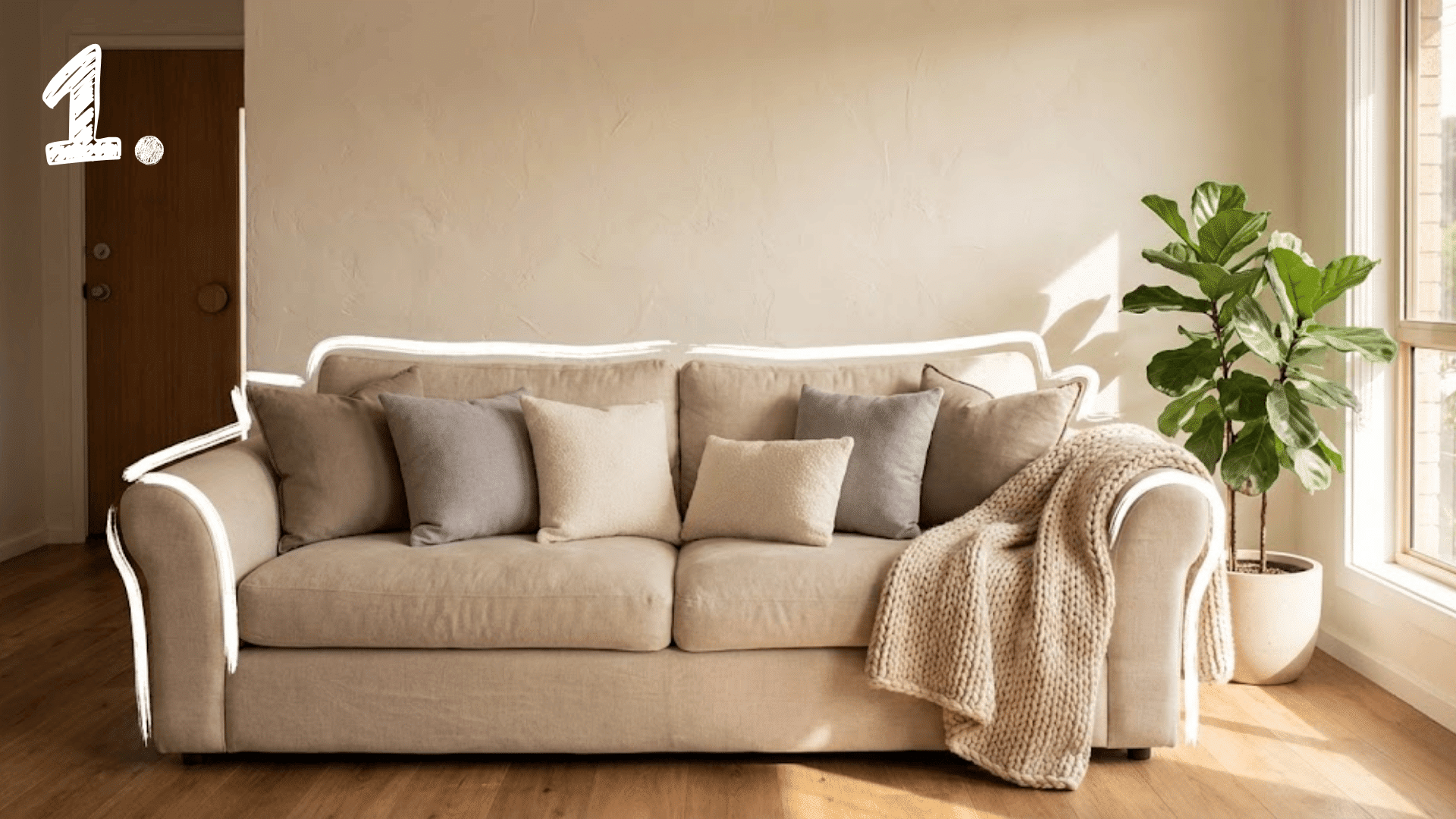
Your sofa is the anchor of your living room, so its placement matters deeply. Position it against a solid wall where you can see the entrance, creating that essential commanding position.
Avoid floating it in the middle with exposed backs, blocking doorways, or facing sharp corners that send cutting energy your way.
The sofa should feel like a warm hug, offering support and security while inviting connection and rest into your space.
Step 2: Additional Seating Arrangements
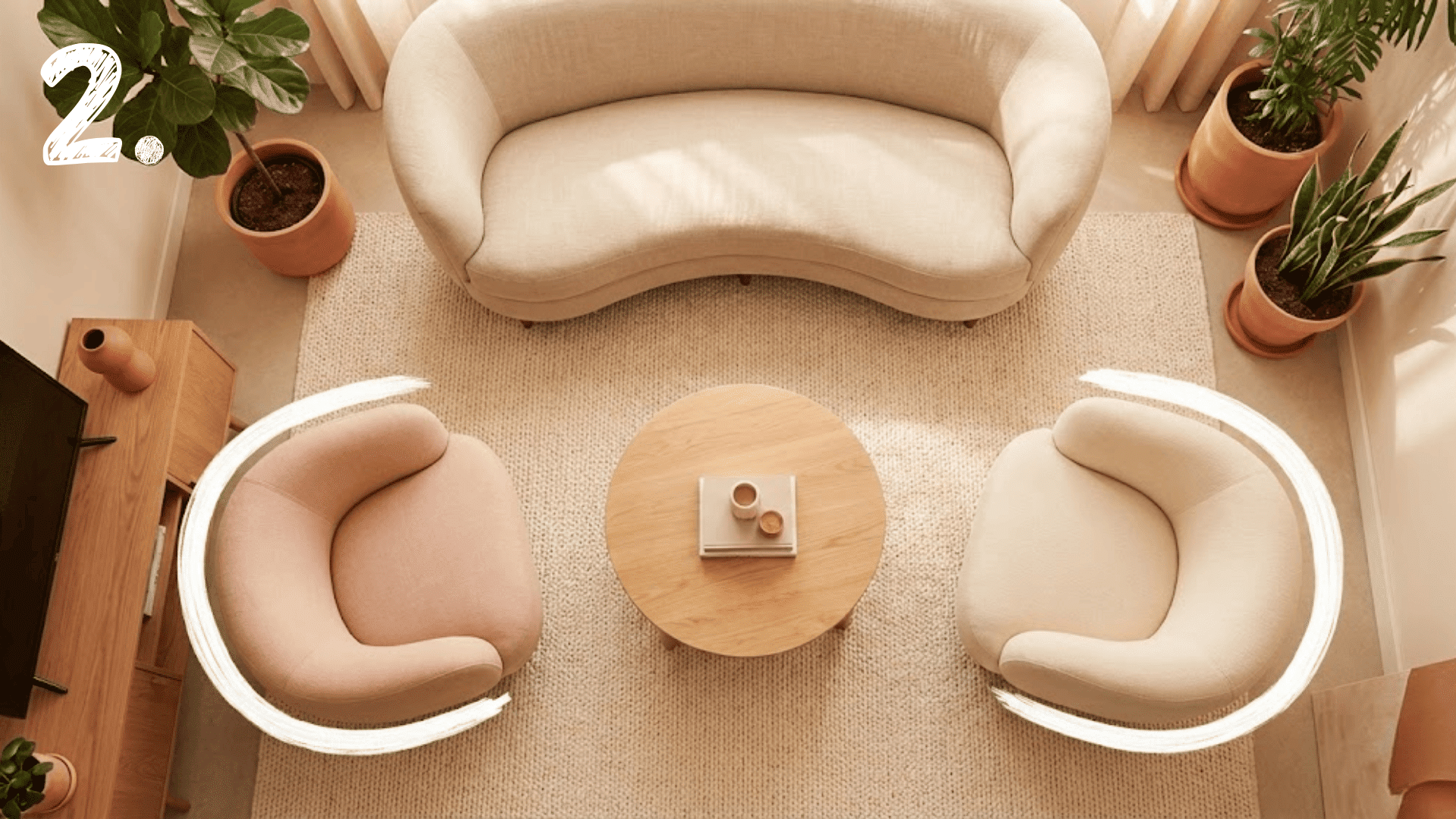
Conversation flows best when seating creates a gentle circle or semicircle, drawing people naturally toward one another. This curved arrangement encourages connection and allows Chi to move smoothly between guests.
Avoid rigid straight lines that feel formal or uncomfortable, and resist the urge to orient everything toward the TV. Your living room should invite human interaction first, with entertainment as a secondary pleasure.
Let chairs and accent seating complete the circle without crowding or creating obstacles.
Step 3: The TV and Electronics
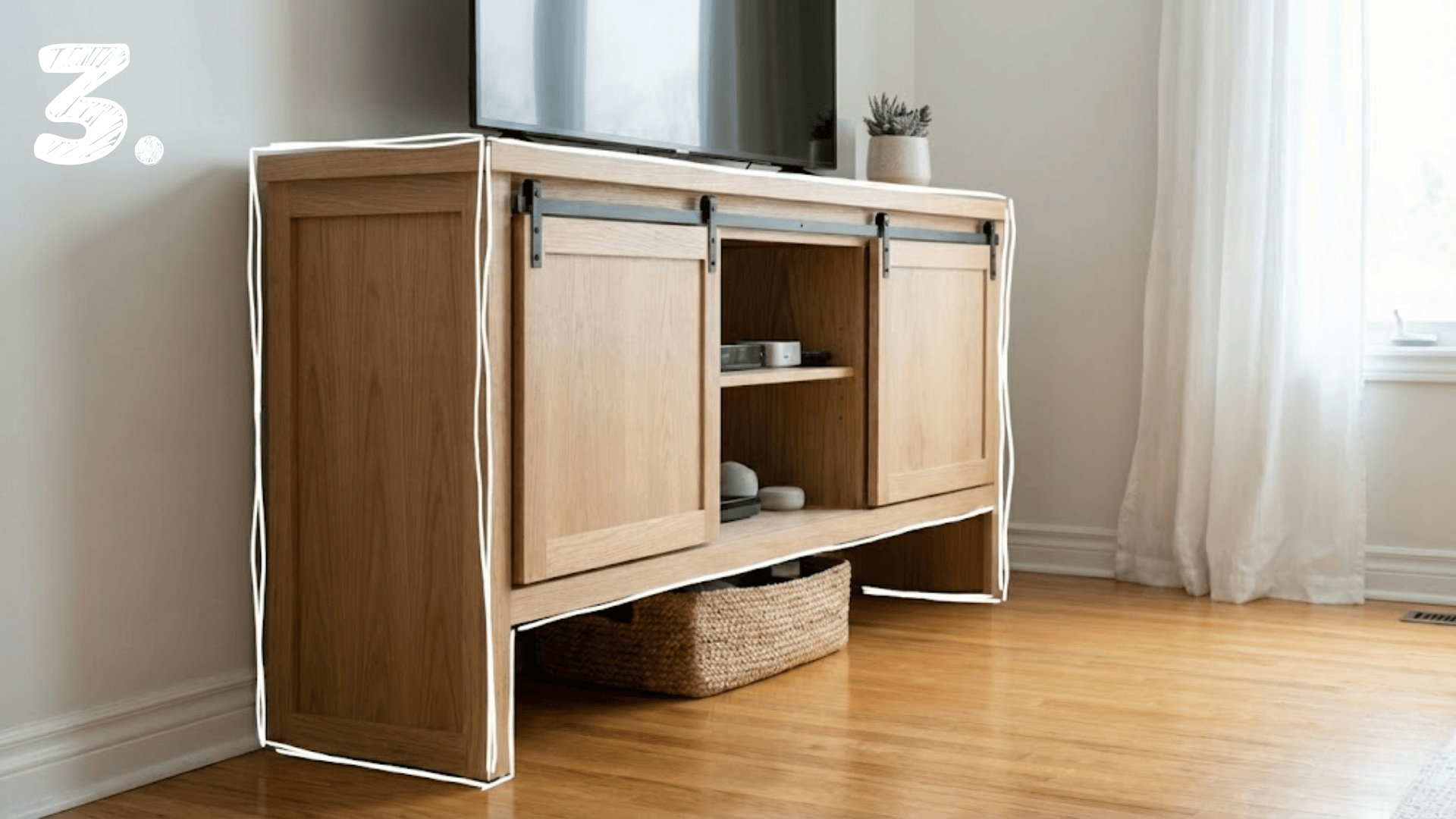
Electronics emit strong energy that can disrupt the peaceful flow of your living room. Place your TV on a side wall rather than the main focal point, allowing it to serve you without dominating the space.
When possible, conceal electronics in cabinets or behind closed doors when not in use. This simple act prevents the constant pull of screens and preserves the room’s calming energy.
Consider your TV as a guest in the space, not the host of the gathering.
Step 4: Coffee Table Feng Shui
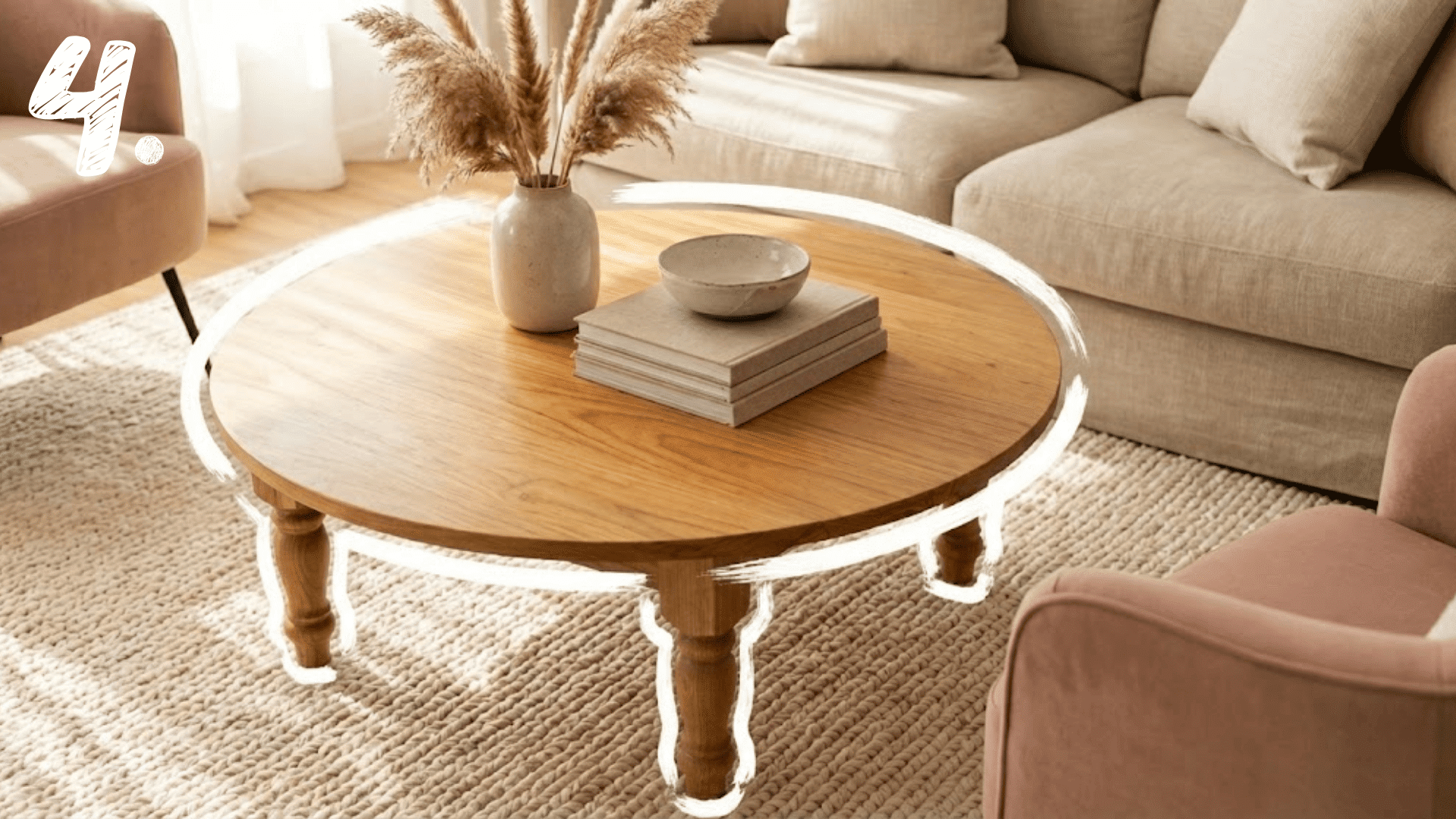
Round or oval coffee tables encourage smooth energy flow and softer interactions, while sharp-cornered tables can create cutting Chi directed at those seated nearby.
Choose materials that support your elemental balance: wood for growth, glass for clarity and water energy, or stone for grounding earth qualities.
Size matters too. Your coffee table should feel proportional, sitting comfortably within reach without crowding the seating or blocking pathways. Let it serve connection, not create barriers.
Step 5: Rug Placement for Grounding Energy
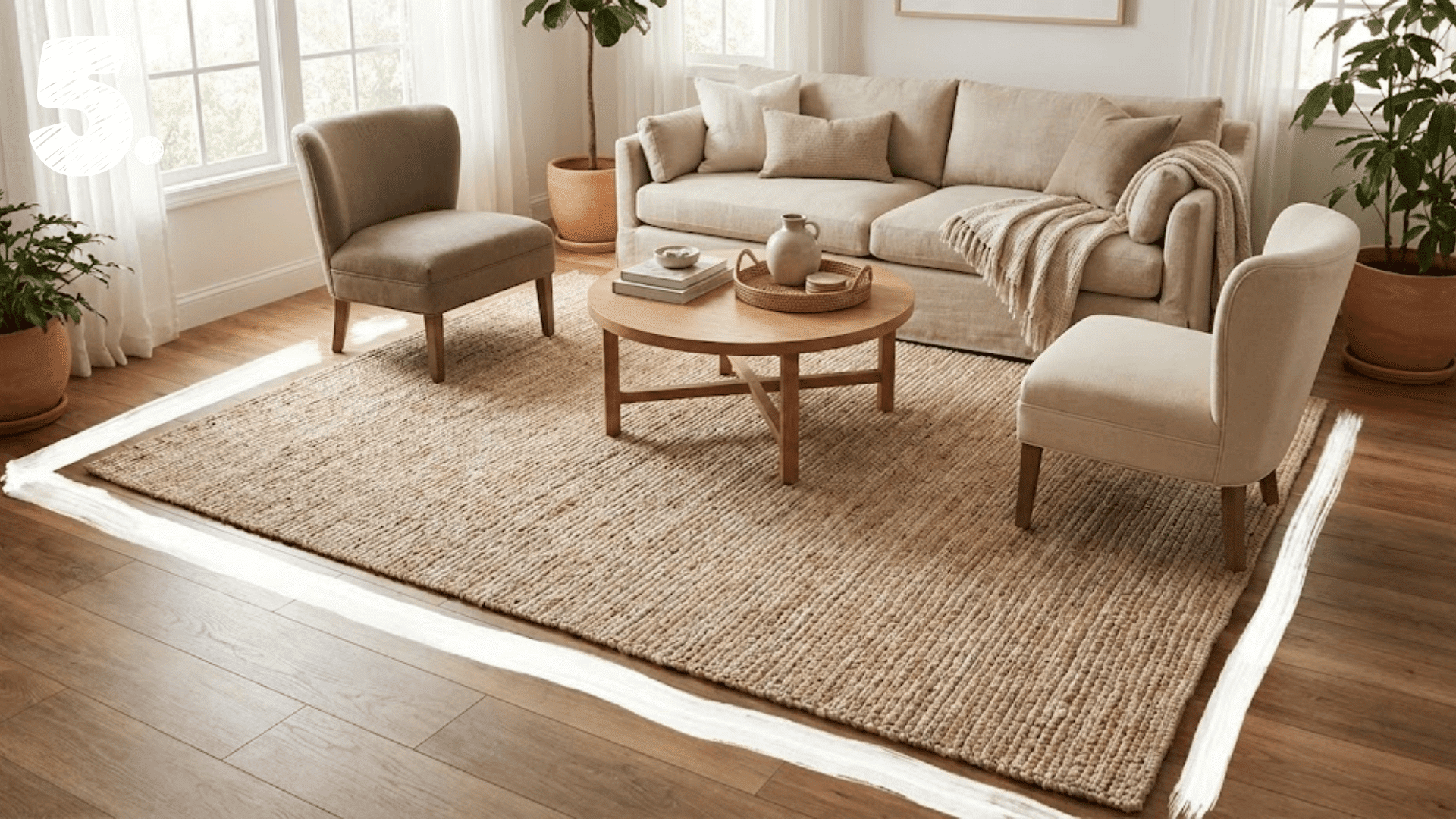
A well-placed rug anchors your seating arrangement and grounds the energy of the entire space. It should be large enough that all front furniture legs rest on it, creating visual and energetic unity.
Choose colors and textures that support your elemental needs: earthy tones for stability, soft plush for yin energy, and natural fibers for the wood element.
The rug becomes the foundation that holds everything together, preventing energy from scattering and creating a cohesive, nurturing atmosphere.
Feng Shui Tips for Doors, Entryways & Windows
Doors, windows, and entryways are the breathing passages of your living room, where energy enters, circulates, and sometimes slips away.
Understanding how to work with these openings helps you welcome good Chi while maintaining the warmth and vitality your space deserves.
- Keep the main door clear and unobstructed so Chi can enter freely without hitting immediate barriers or clutter that blocks its natural flow into the room
- Position furniture at angles to the door rather than in direct alignment with the entrance, preventing energy from rushing straight through and out of windows
- Use sheer curtains or light-filtering blinds that invite natural light while softening harsh glare and preventing Chi from escaping too quickly through large glass expanses
- Place a substantial piece near large windows, like a console table or plant, to anchor energy and prevent it from flowing out before nourishing the space
- Ensure doors open fully without catching on furniture or rugs, allowing opportunities and positive energy to enter your life without restriction or struggle
When your entryways and windows work in harmony, your living room becomes a vessel that holds good energy tenderly, letting it circulate and settle where it’s needed most.
Feng Shui Colors for the Living Room
Colors speak a silent language in Feng Shui, whispering to your subconscious and shaping the energy that fills your living room. The hues you choose should align with the Bagua zone your space occupies while balancing brightness with serenity.
| Bagua Zone | Recommended Colors | Energy Created |
|---|---|---|
| Wealth & Abundance (Southeast) | Deep purple, rich green, gold | Prosperity and growth |
| Fame & Reputation (South) | Warm red, vibrant orange | Passion and recognition |
| Love & Relationships (Southwest) | Soft pink, terracotta, peach | Romance and connection |
| Family & Health (East) | Fresh green, botanical hues | Vitality and harmony |
| Career & Life Path (North) | Deep blue, charcoal, black | Flow and clarity |
| Creativity & Children (West) | White, soft gray, silver | Creative expression |
| Knowledge & Wisdom (Northeast) | Calming blue, sage, earth tones | Contemplation and insight |
| Helpful People & Travel (Northwest) | Light gray, white, gold | Support and guidance |
Balance vibrant accents with softer neutral bases. Let one or two colors sing while others hum quietly, creating a space that energizes without overwhelming
Feng Shui Décor Essentials
The right décor pieces don’t just fill empty spaces but invite specific energies into your living room. Each element you choose becomes a quiet conversation between your intentions and the atmosphere you’re cultivating.
1. Plants
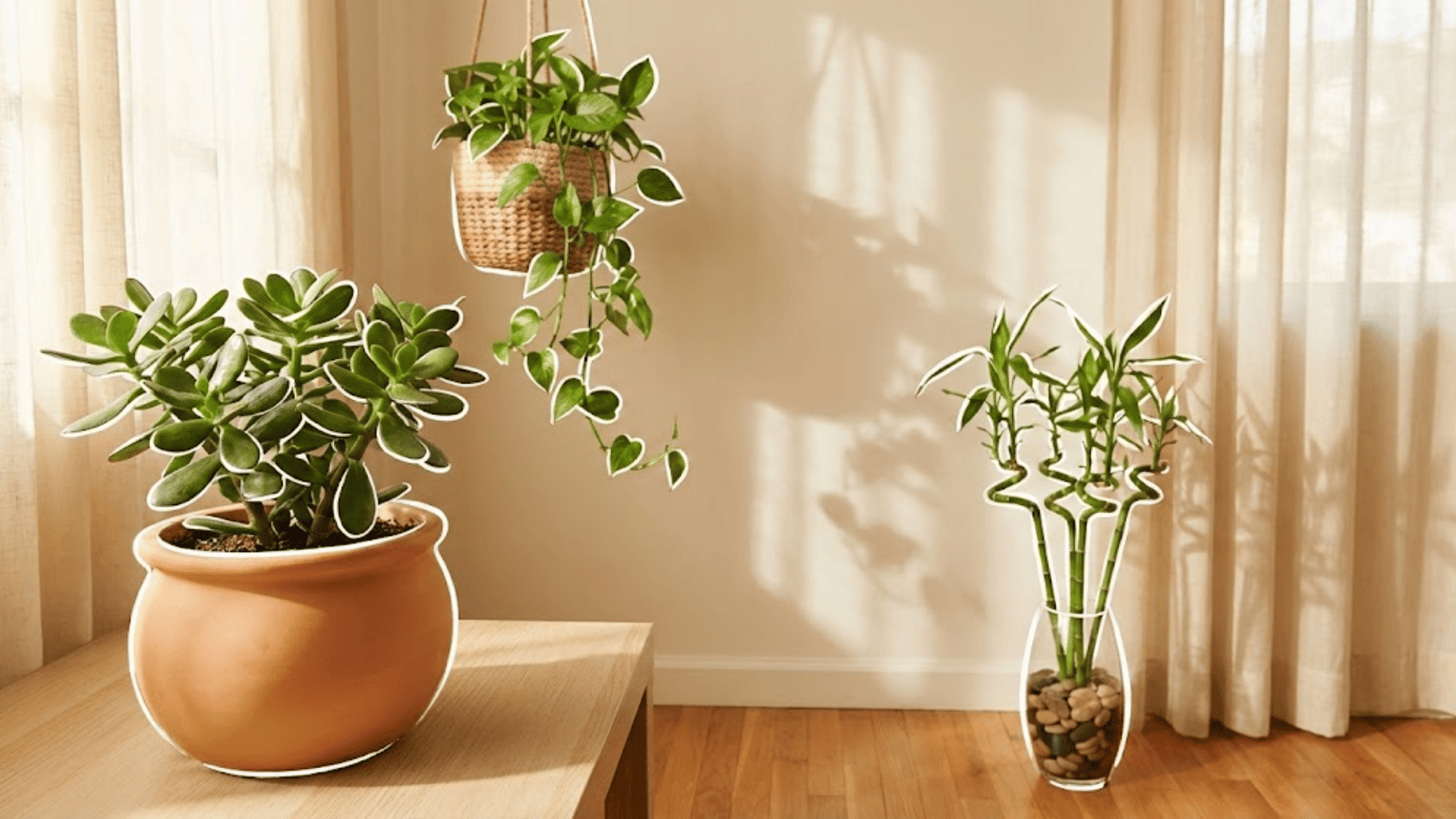
Living greenery brings vitality, purifies the air, and connects your indoor space to the natural world outside. Plants represent the wood element, encouraging growth, renewal, and vibrant health throughout your home.
- Money plant, lucky bamboo, and jade plant symbolize prosperity and should be placed in wealth corners or near entryways.
- Position plants in corners or empty spaces where energy stagnates to activate and refresh these dormant areas.
- Avoid spiky plants like cacti, as they create aggressive cutting energy that disrupts the gentle flow.
2. Mirrors
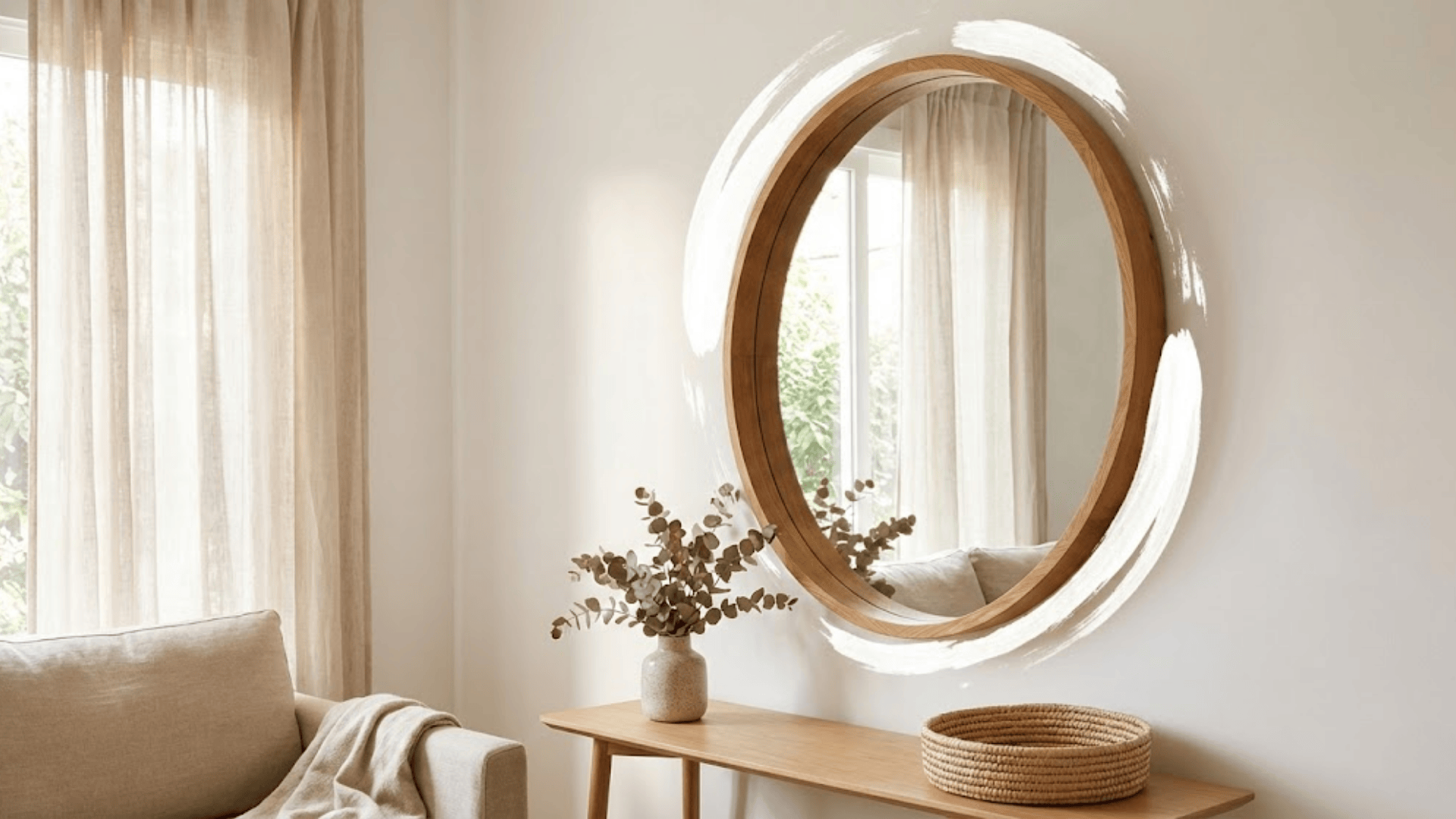
Mirrors are magical multipliers in Feng Shui, doubling light, expanding visual space, and reflecting energy back into your room. When placed thoughtfully, they become portals that amplify beauty and brightness.
- Hang mirrors to reflect beautiful views or natural light rather than clutter or chaotic scenes.
- Never position mirrors directly facing the main door, as this pushes Chi right back out immediately.
- Choose round or oval mirrors with warm frames to encourage smooth energy flow without sharp edges.
3. Artwork and Wall Décor
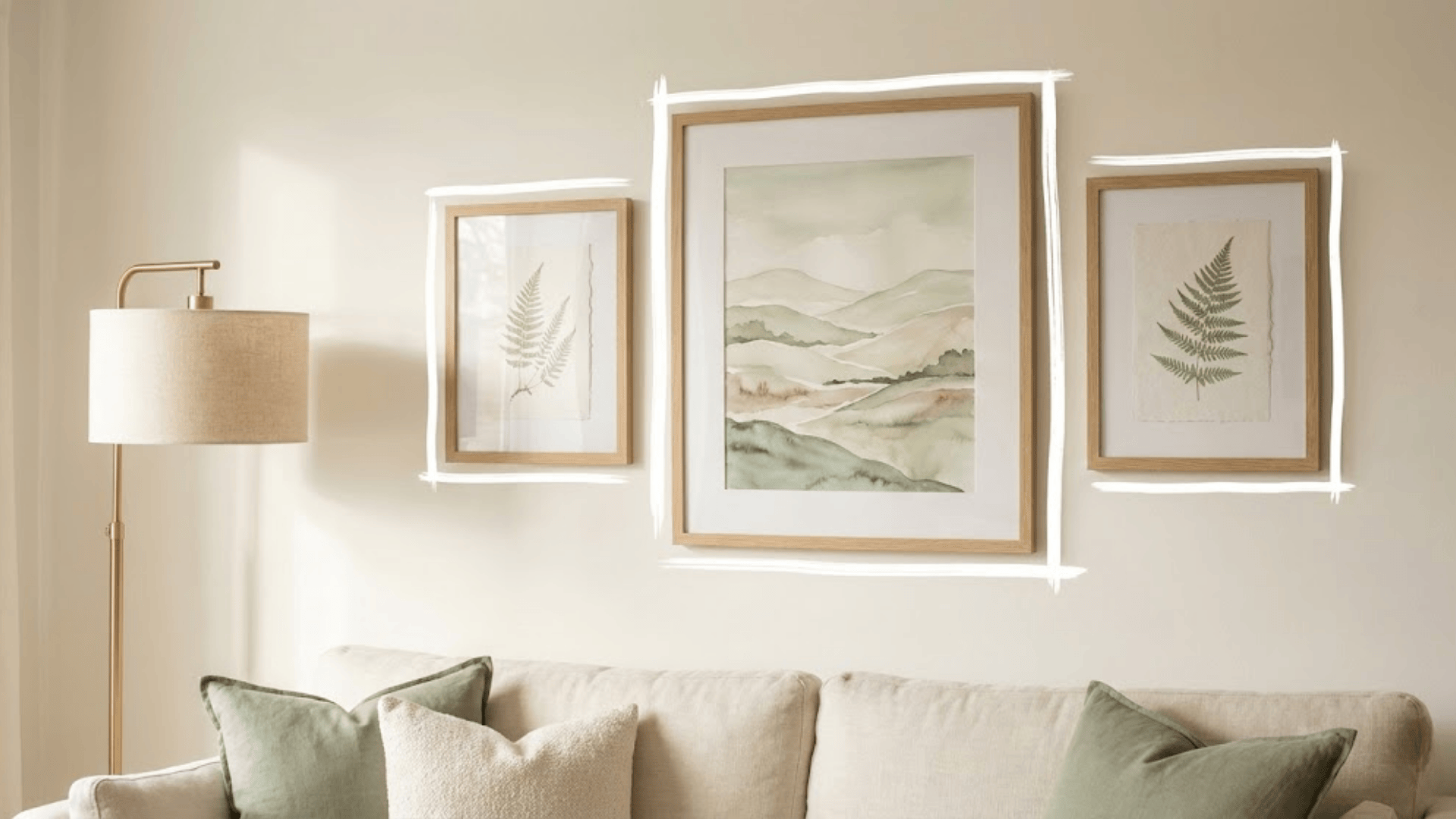
The images you surround yourself with speak directly to your subconscious, shaping your mood and aspirations. Art becomes a visual affirmation of the life you’re inviting into your space.
- Display uplifting themes like nature scenes, peaceful landscapes, or water images that evoke positive feelings.
- Avoid artwork depicting loneliness, chaos, storms, or sharp objects, as these introduce unsettling energy.
- Hang art at eye level in pairs or groups to represent balance while avoiding sharp corners pointing toward seating.
4. Lighting
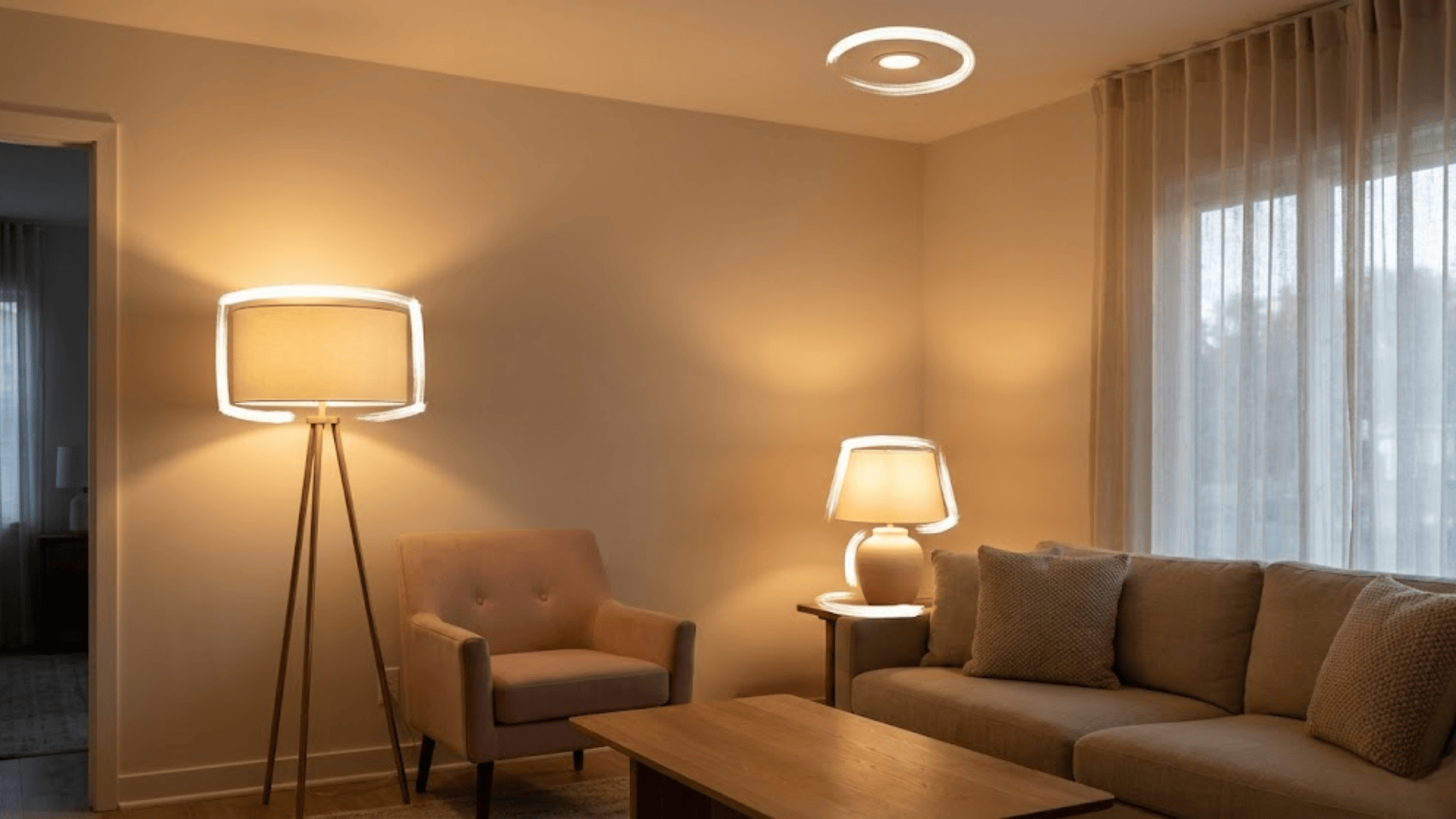
Light is yang energy that awakens and activates your space. Layering different light sources creates dimension, warmth, and the ability to shift the room’s energy throughout the day.
- Combine ambient ceiling lights with table and floor lamps to create varied light pools and prevent harsh shadows.
- Choose warm-toned bulbs over cool white to invite cozy, welcoming energy for relaxation and connection.
- Add dimmer switches to adjust brightness based on time and activity, controlling whether your space feels energized or restful.
Feng Shui for Small Living Rooms
Small living rooms can hold just as much harmony as grand spaces when you work with intention.
Choose furniture that hugs the walls, keeping pathways open for Chi to flow freely. Multi-functional pieces like storage ottomans or nesting tables serve you well without creating clutter.
Mirrors placed thoughtfully expand the room visually while bouncing light into shadowy corners. Stick with a cohesive palette of lighter tones that lift rather than weigh down the energy.
Less is truly more here. Each piece should earn its place, contributing to the flow rather than creating obstacles that trap stagnant Chi in corners.
Real-Life Edit: Before and After Feng Shui Changes
This community makeover showcases how intentional repositioning can shift a living room’s entire energy. The before image reveals common pitfalls like blocked pathways and furniture fighting against natural flow.
The after demonstrates the power of commanding position placement, cleared sightlines, and purposeful arrangement that invites Chi to circulate freely.
Notice how small adjustments in sofa orientation and décor placement create a space that feels immediately more welcoming and grounded.
Real changes like this prove that Feng Shui isn’t about perfection but about listening to your space and responding with thought.
Expert Tips to Maintain Feng Shui Harmony Over Time
Feng Shui isn’t a one-time arrangement but a living practice that evolves with you and your space.
Maintaining harmony requires gentle attention and seasonal adjustments that keep energy fresh, vibrant, and aligned with your changing needs.
- Declutter weekly or bi-weekly by clearing surfaces and removing items that no longer serve you.
- Refresh energy with each season by opening windows, rearranging small décor pieces, or adding seasonal flowers.
- Rotate décor elements quarterly to maintain balance among the Five Elements through cushions, artwork, or accessories.
- Deep clean monthly to remove dust and clear stuck energy, especially in corners and behind furniture.
- Reassess furniture placement annually as your life circumstances shift to ensure your layout supports current goals.
Harmony thrives on consistent care rather than perfection. Small, mindful gestures throughout the year keep your living room feeling alive, supportive, and beautifully in tune with who you’re becoming.
The Closing Note
Your living room holds the potential to be so much more than a beautiful space.
When you apply these Feng Shui living room principles with intention and care, you’re not just rearranging furniture but inviting balance, joy, and positive energy into your daily life.
Each thoughtful choice, whether it’s the curve of your coffee table or the warmth of your lighting, contributes to a home that truly supports your wellbeing.
Start with one small shift today and notice how your space begins to breathe differently. What Feng Shui change will you make first? Share your thoughts in the comments below.