Il Giardino di Famiglia is a flower farm in northern Italy, just south of Milan, set within an eighteenth-century farmhouse, or cascina. We grow cut flowers, and perhaps that is why we are so attentive to finding the right vessel — one that truly brings out their beauty. I am Rosanna Foresti Nicoletti, the founder of Il Giardino di Famiglia, and it was precisely this search that led me to a wonderful discovery.
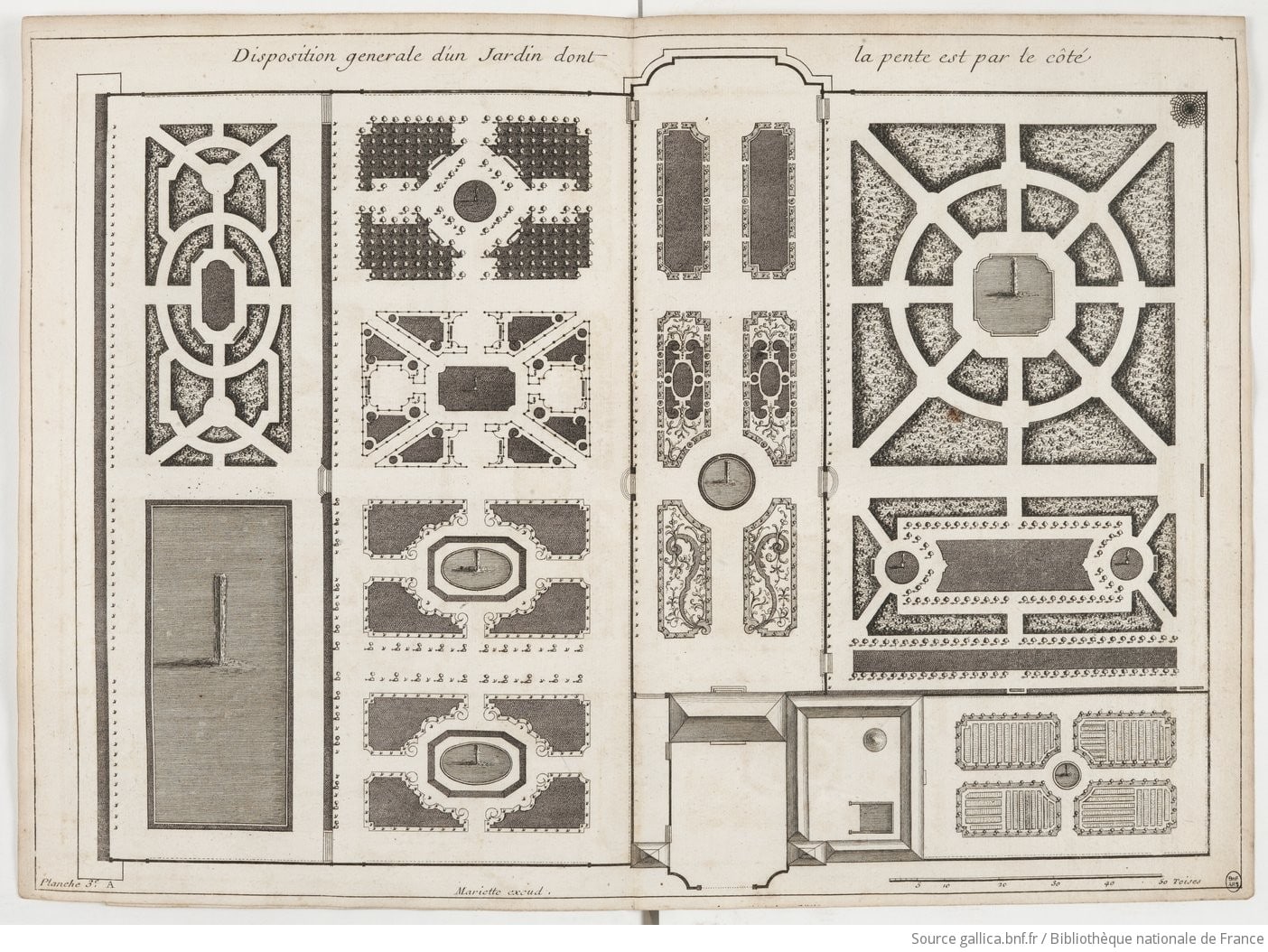
When we think of the Italian garden, we immediately picture a Renaissance garden renowned for its geometric lines traced by hedgerows and evergreen shrubs, columns, statues, and pergolas. I never thought I would find it on a dinner table, though. Yet that’s exactly what happened when I started searching for the perfect vases and discovered Barettoni.
Barettoni, Formerly Antonibon: Italy’s Oldest Manufactory
Barettoni is based in Nove, a charming little village in the Veneto region that has been synonymous with fine ceramics since the 18th century and before. When I visited their atelier, Giuliana, one of the three sisters, together with Alessandra and Roberta, who run the family business, walked me through three centuries of history. It is astonishing to think that the premises haven’t changed, and that the manufactory still stands in the same palazzo after three hundred years. She told me that it was founded in 1727 in the family home of Giovanni Battista Antonibon in Nove, and soon became the most important ceramics factory in the Venetian Republic, so much so that the Council of Trade exempted it from taxes for twenty years. Unfortunately, with the decline of the Venetian Republic in the late 1800s, the manufactory went through difficult times until 1907, when the lawyer Lodovico Barettoni purchased it to save it from closure. And so, the story continued, right down to Alessandra, Roberta and Giuliana Barettoni.
As I made my way through their showroom, I was delighted by the range of their collection: refined tableware, elegant bowls, and vessels of every kind. Yet, it was when I encountered an array of columns and architectural elements that my curiosity was truly piqued — I was then told that Barettoni also produces these remarkable ceramic centrepieces, miniature interpretations of the Italian Renaissance garden itself.
The inspiration for these ceramic pieces runs deep into Renaissance Italy. The Italian Garden, or Giardino all’italiana, emerged during the 15th and 16th centuries as a celebration of human order imposed upon nature. Rigorous geometric lines, perfectly clipped hedgerows, symmetrical parterres, elegant columns, balustrades, and fountains are the defining features of the Italian garden. These weren’t merely decorative elements; they were an architectural language that represented the ideals of Renaissance Humanism. Barettoni’s centrepieces capture this essence, bringing the grand vision of Renaissance Garden design into miniature ceramic form: each balustrade, each column, and each architectural detail mirrors the harmonious principles that once graced the historic landscapes of Italy and beyond. In a sense, the Barettoni family has preserved not just a craft, but an entire philosophy of beauty.
The Anatomy of the Set
As we looked at the set together, she explained how each piece works. Each set contains four white ceramic pieces — two curved balustrades and two curved flower holders — which can be arranged and combined freely to suit any table, whatever its shape or size. Beyond the set itself, a number of optional pieces can be added to expand and personalise the composition: corner balustrades, columns, straight balustrades, candle holders, and figurines.
What I found particularly ingenious is that the curved flower holders are reversible: on one side they present a decorative ledge, ideal for a dry, elegant arrangement; on the other, they are hollow, allowing one to fill them with water and fresh flowers. The columns, too, are wonderfully versatile: one may place a candle inside, tuck in a few fresh blooms, or simply leave them as they are for a quietly classical effect.
A Garden That Changes with the Seasons
One of the greatest joys of this centrepiece is that it changes with the seasons, just as a real garden does. In June, I love to use dahlias, their opulence and rich colour are simply magnificent, softened with a few stems of cosmos to add a sense of lightness and movement. Come autumn, the arrangement takes on a warmer, more rustic character: colourful leaves, dried seed pods, amaranth, and celosia, all work beautifully together. At Christmas, small pine branches and ilex with its bright red berries bring a festive touch. And in the quiet months of January and February, hellebores come into their own, understated and elegant.
As spring arrives, I would reach for crocuses, small tulips, or narcissi rather than the larger varieties which deserve a vessel of their own. Barettoni’s fan-shaped tulip vase or their two-tiered tulip vase, designed specifically for the purpose, show them off to perfection. In every season, the garden on your table tells a different story.
Within the hollow balustrades, there are two approaches to arranging flowers. The first is to think of them as blocks of colour, using a single variety in different shades, allowing some stems to sit deeper while others reach outwards, creating a gentle sense of movement. The second approach draws inspiration directly from nature: imagine low, carpeting flowers at the base, with taller, airier blooms rising above them like the canopy of a woodland garden. This layered composition gives the centrepiece a sense of vitality and natural grace.
If I were to recommend one flower above all others for this centrepiece, it would be the hydrangea. Its generous blooms are perfectly suited to the hollow balustrades: just a few heads are enough to fill the entire garden. What I love most about hydrangeas is that they are just as beautiful fresh as they are dried. In autumn, as the blooms turn to warm shades of russet and rose, they are at their most romantic. If you cut them at precisely this moment and allow them to dry naturally, they will hold their colour beautifully, giving your centrepiece a second life that lasts throughout the winter months.
Endless Possibilities
One of the most exciting aspects of this centrepiece is its flexibility. Whether your table is round or rectangular, large or intimate, the pieces can be arranged and expanded to suit your space perfectly, always leaving enough room for a full table setting. You might choose to extend the garden along the length of a dining table, or create a circular composition for a round one.
And the possibilities don’t end there: nothing stops you from introducing additional vessels of your own choosing a single statement vase at the centre, framed by a ring of balustrades, for instance. Each arrangement can be entirely tailored to your needs, your table, and your personal taste.
My love of history and gardens has inspired me to share this one-of-a-kind centrepiece with you. There is something deeply satisfying about setting a beautiful table. And when the flowers come from your own garden, the pleasure is even greater. Arranging them in these little vessels is a meditative act: it feels like taking a slow walk through the garden, where time seems to have stood still.
The Italian Garden, with all its centuries of history and beauty, has found its way to your dining table…and I cannot think of a more elegant place for it to be.