Spring is the season of good intentions in the yard. The weather warms up, the urge to fix the place hits all at once, and it is easy to start ten projects and finish none of them. The smarter approach is to focus on a few jobs that actually deliver by the time summer arrives, when you are outside enough to enjoy the results.
The projects below are the ones that reward an early start. Get them done in the next few weeks and the payoff shows up right when the season is in full swing, not a year from now.
Plant a Pollinator Patch While the Soil Is Cool
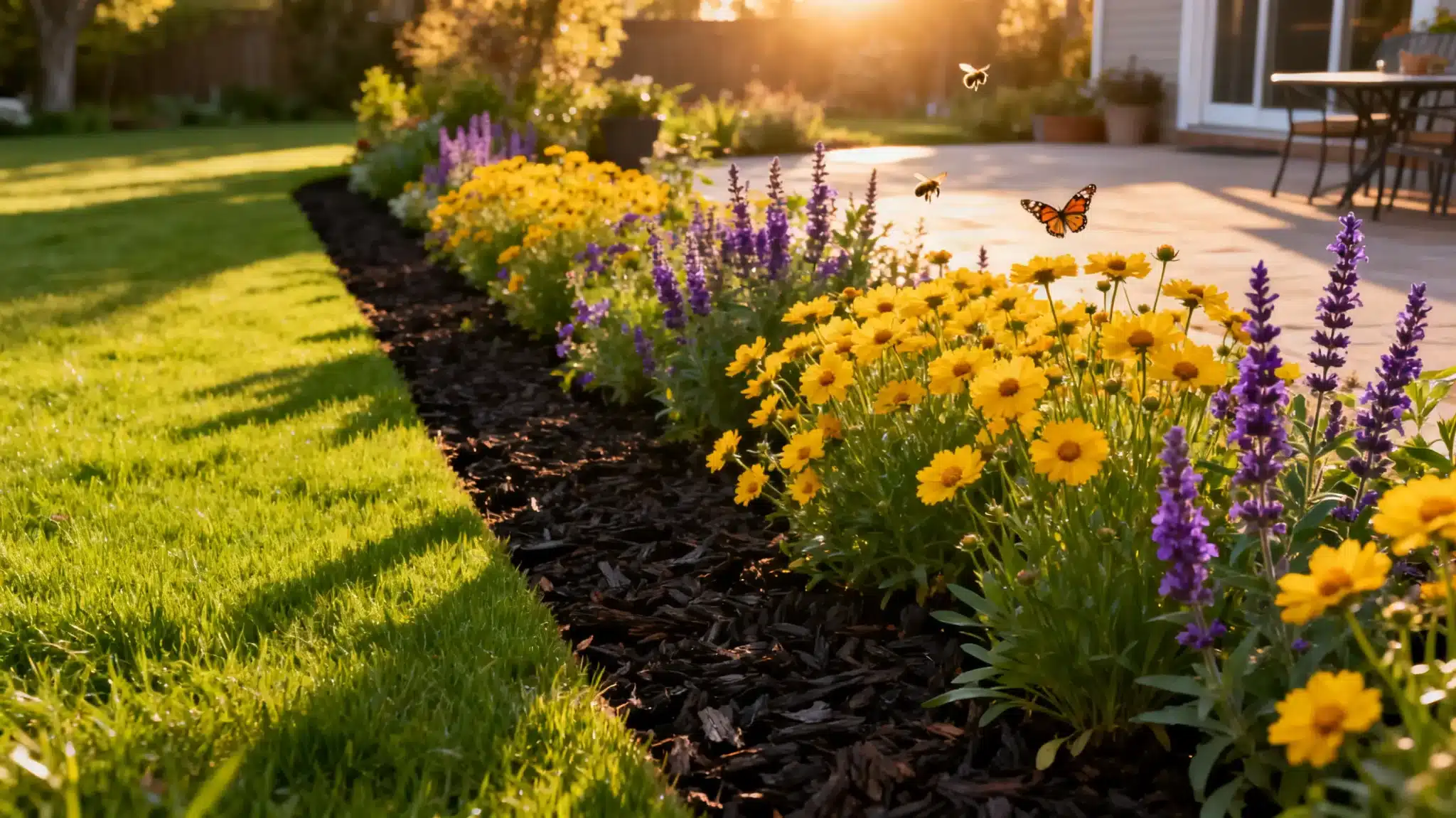
The single best spring project for a yard that feels alive is also one of the easiest. Set aside a sunny bed, even a small one, and fill it with pollinator plants. Spring planting gives the roots cool soil and time to settle before the summer heat arrives, which means stronger plants and more blooms in the very first season.
By June the patch is busy with bees and butterflies, and the difference between a quiet yard and one with movement in it is hard to overstate. It is the kind of project that looks like far more effort than it actually took, which is exactly the sort of project worth doing first.
Edge and Mulch for an Instant Lift
If you only have one afternoon, spend it edging and mulching. Cutting a crisp line between your lawn and your beds is the closest thing yard work has to a magic trick, since it makes even tired plantings look sharp and intentional. Follow it with a fresh layer of dark mulch and the whole place reads as cared for. Mulch does real work beyond appearances, too, holding moisture through the dry months ahead and keeping weeds down so you spend summer relaxing instead of pulling. It is cheap, it is fast, and almost nothing else delivers as much improvement per dollar.
Build Lasting Beds With Perennials
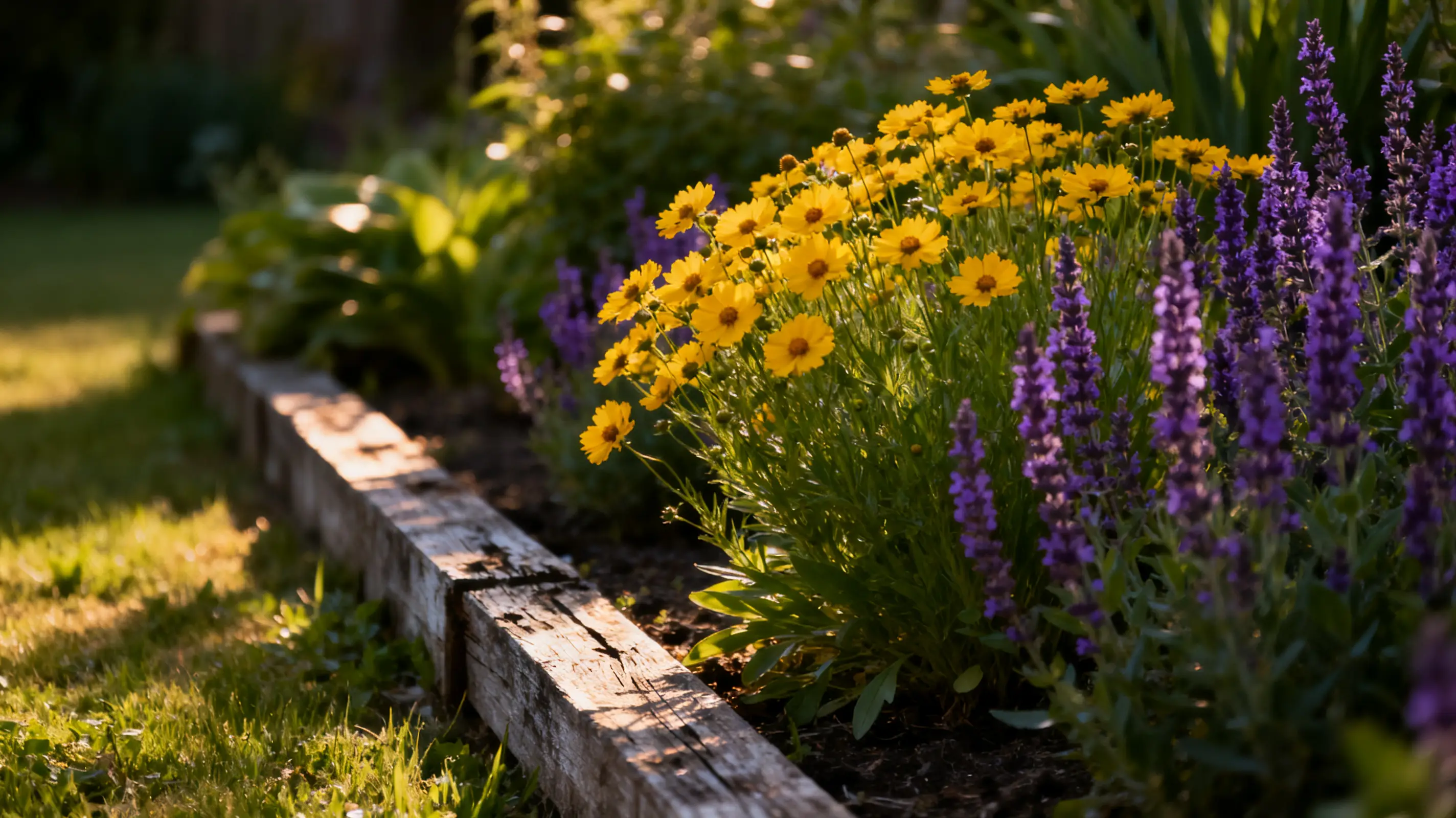
For beds you will not have to redo, build them on perennials. Unlike annuals that need replacing every year, perennials come back each spring and spread to fill space over time, so a modest spring investment keeps growing into something fuller for years. Plant them now and many will bloom by summer, especially quick starters like coreopsis, salvia, and daylilies.
Group a few of the same plant together rather than dotting singles around, repeat a color in a couple of spots, and the beds look designed instead of random. Spring is the ideal window to get them in, while the soil is still cool and the rains are steady, so they settle before the first heat wave tests them.
Tackle the Bare and Shady Spots
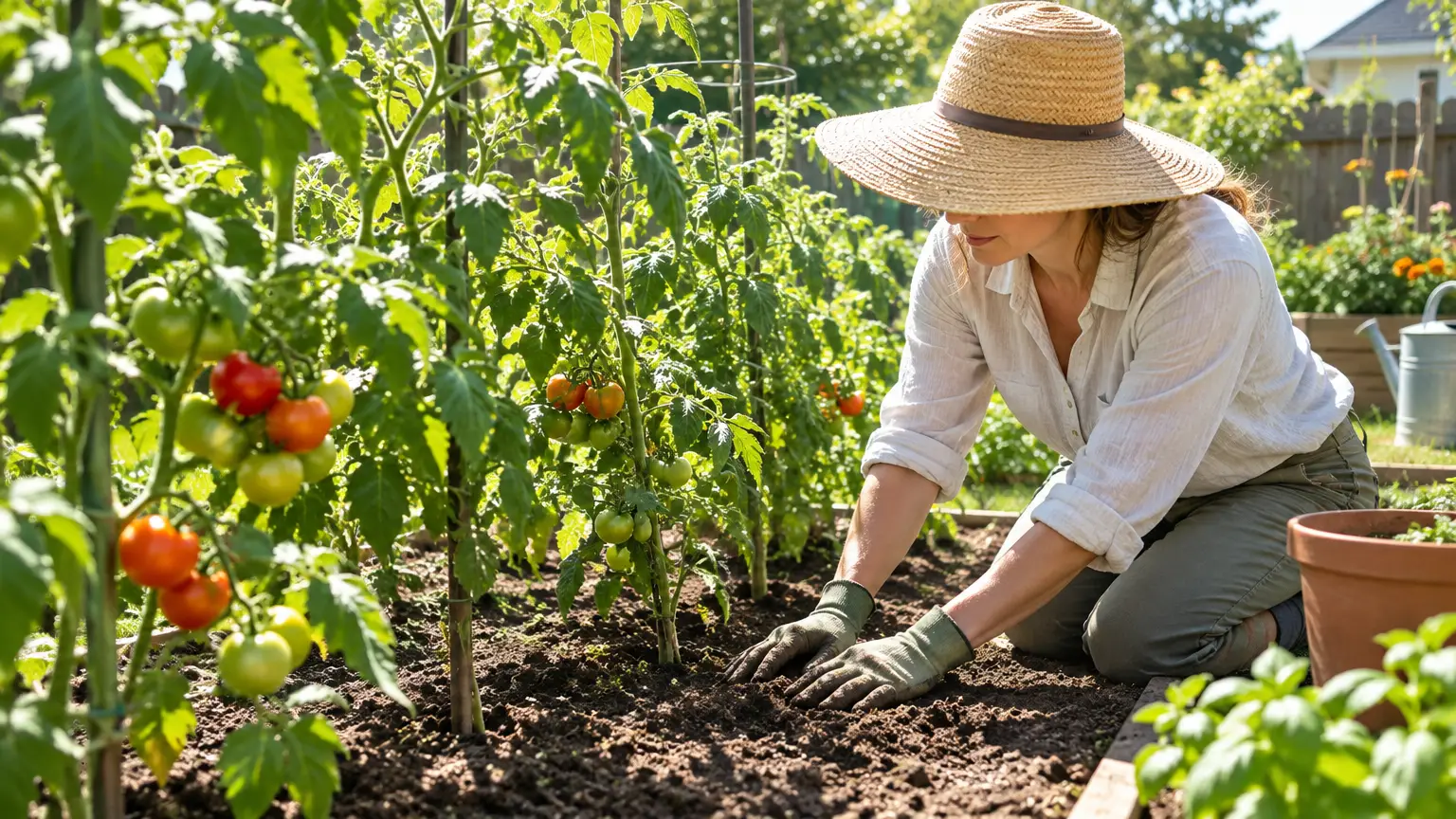
Every yard has a problem area, the strip along the north side or the patch under a tree where grass simply will not grow. Spring is the time to stop fighting it. Clear the struggling grass, loosen the soil with a little compost, and plant shade-tolerant greenery that actually wants those conditions. Solving that one eyesore early gives it the whole season to fill in, and by late summer the spot that used to bother you every time you pulled into the driveway is just another part of the yard that looks finished.
While you’re at it, give that bed the same care you would any other. Loosen the soil, mix in compost, and group the new plants instead of scattering them, and the formerly dead corner fills in to match the rest of the yard by season’s end. The plants that handle shade tend to spread on their own once settled, so a modest start now becomes a full, established bed within a couple of years. Bare patches reseeded with grass spring after spring only repeat the same disappointment, so this is the year to break the cycle for good.
Get the Lawn Healthy Before the Heat
The lawn responds best to attention in spring, not the middle of a July drought. A little work now, raking out winter debris, overseeding thin patches, and setting the mower a notch higher to encourage deeper roots, pays off in grass that stays greener through summer with less water. Healthy turf also frames your new beds and makes the whole yard look maintained. Spring effort on the lawn is simply worth more than the same effort spent later in the year.
Set up a Simple Watering Plan
The last project worth doing early is the least glamorous and the most useful. Decide now how you’ll water through summer, before a heat wave forces the decision for you. Grouping thirstier plants together, adding a layer of mulch to hold moisture, and watering deeply but less often all set the yard up to coast through July with far less effort. A little planning in spring is what keeps everything you planted from struggling the moment the weather turns, and it tends to lower the water bill in the bargain.
Why Spring Effort Pays Off
There is a reason agents push these jobs. Curb appeal weighs heavily on first impressions, and the National Association of Realtors has reported that basic lawn and garden care ranks among the highest-return improvements a homeowner can make, with most agents recommending exterior work before a home is listed. Whether or not selling is on your mind, the math holds. A few focused spring projects cost little and lift the entire property, and unlike a flashy one-summer display, beds built on perennials only get better with each passing year.
Pick Two and Start
You do not need to do all of this, and trying to is how spring projects stall out by May. Pick the two that bother you most, a pollinator patch and fresh mulch, say, or new perennial beds and that stubborn shady corner, and finish them while the weather is still on your side. Done early, those few jobs carry the whole yard through summer looking its best. That is the quiet advantage of spring. A little work now buys you a season of sitting back and enjoying the results.