
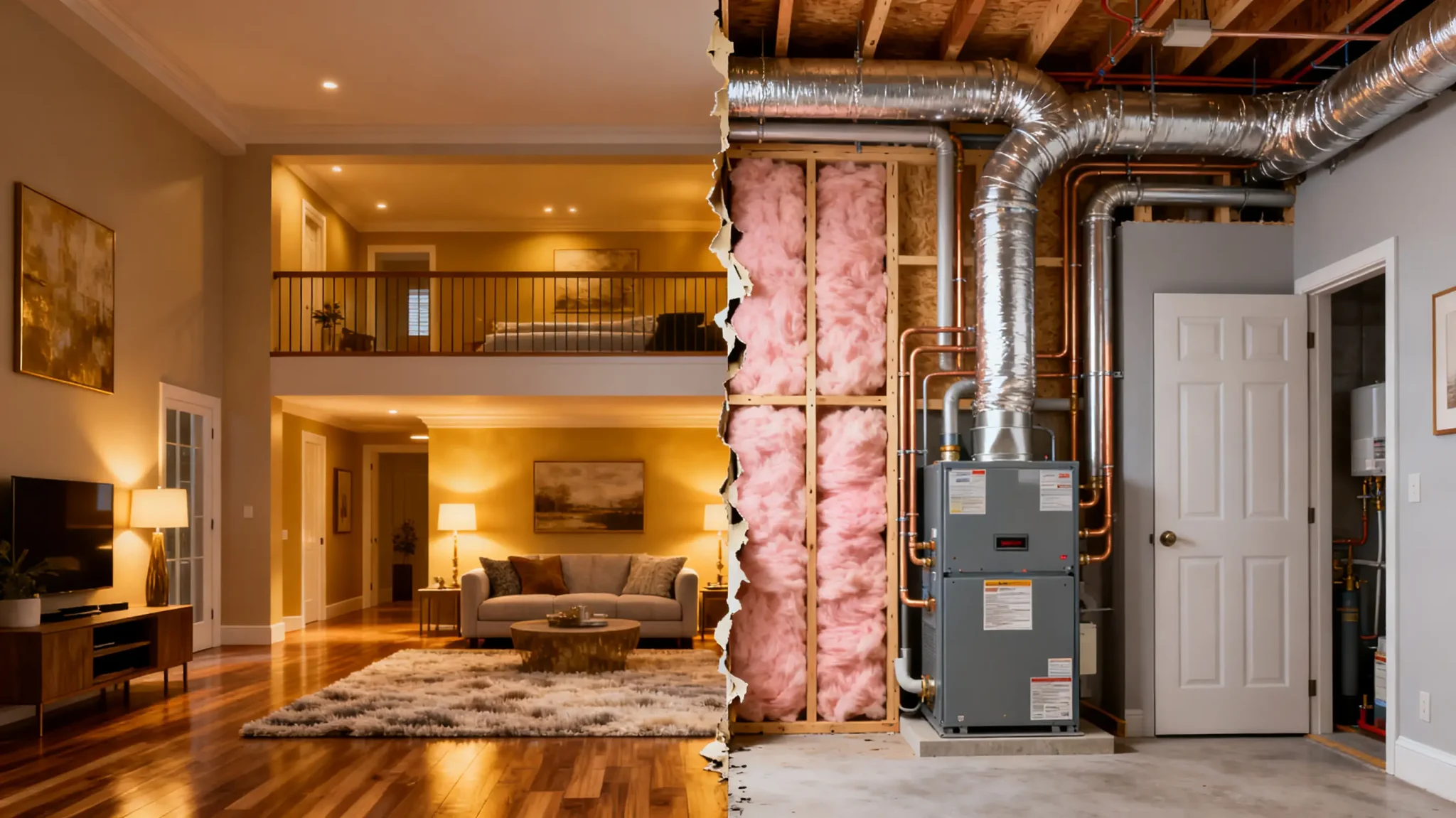
You repainted the living room. You found the perfect sofa. The lighting is warm and the rug ties it together. So why does the space still feel stuffy in July and drafty by January? Here is the uncomfortable truth: how a home feels has almost nothing to do with how it looks.
Real comfort lives in the systems you cannot see, the air you breathe, the moisture in it, and the temperature that holds steady from room to room.
While décor shapes how a room looks, the HVAC system largely determines how it feels. When cooling performance starts to decline, homeowners often turn to solutions such as A/C Man Heating and Air’s expert air conditioning repair services to restore consistent temperatures and airflow throughout the home.
Interior design sets the mood, but it cannot fix a hot upstairs bedroom or a clammy basement.
1. Swap a Basic Thermostat for a Smart One
A smart thermostat is the cheapest comfort upgrade with the fastest payback, and it does more than save money. It learns your schedule, holds a steadier temperature, and lets you fix a cold house from your phone before you walk in the door.
The savings are real too. According to ENERGY STAR, a certified smart thermostat trims roughly 8% off heating and cooling bills, about $50 a year on average.
The better models go further. Independent testing of the Nest found average savings of 10% to 12% on heating and 15% on cooling. Copeland reports its Sensi units cut HVAC energy use by about 23% through scheduling, geofencing, and remote access.
The comfort win is simple. The system stops overshooting and undershooting, so rooms feel even instead of swinging hot and cold.
2. Seal and Insulate the Building Envelope
If your home feels drafty no matter how high you set the thermostat, the problem is the envelope, not the furnace. Air leaks around the attic, foundation, windows, and doors let conditioned air escape and pull outside air in. That is why one room feels fine and the next feels like a different season.
Sealing those gaps and adding insulation is one of the highest-impact comfort fixes available. The EPA estimates homeowners save an average of 15% on heating and cooling costs by air sealing and adding insulation in attics, crawl spaces, and basements.
Beyond the bill, a tight envelope means fewer drafts, quieter rooms, and a house that holds its temperature for hours after the system cycles off. This is comfort you can feel within a day of the work being done.
3. Add Whole-Home Humidity Control
Temperature gets all the attention, but humidity decides whether a room actually feels good. Air at 74 degrees can feel sticky and oppressive at 65% humidity or dry and comfortable at 45%. Same number on the thermostat, completely different experience.
The EPA recommends keeping indoor humidity between 30% and 50%. Stay in that band and you avoid the two extremes that wreck comfort: muggy summer air that breeds mold and dust mites, and bone-dry winter air that cracks skin and worsens static.
A whole-home dehumidifier or humidifier tied into your ductwork holds that range automatically across every room, not just the one with a portable unit running in the corner. It also takes load off your air conditioner, since dry air feels cooler at a higher temperature.
4. Zone Your HVAC System
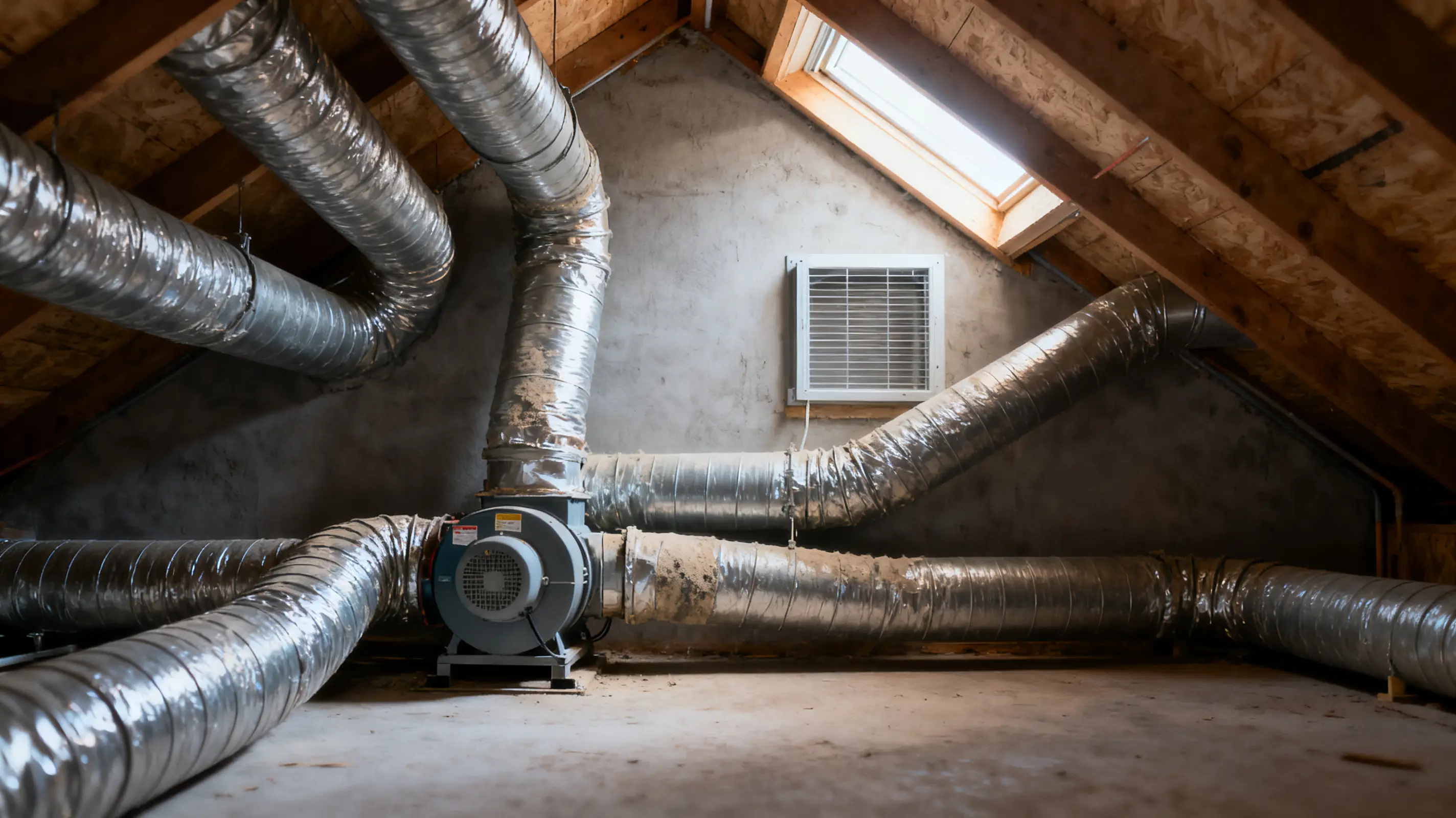
A hot upstairs and a freezing basement are the classic signs of a single-zone system fighting physics. Warm air rises, cool air sinks, and one thermostat in the hallway cannot serve a whole multi-level house.
Zoning fixes this by dividing the home into separate areas, each with its own thermostat and a damper in the ductwork that controls airflow. The result is the same temperature in the bedroom as the den, without overcooling rooms nobody is using.
The efficiency gains are significant. The U.S. Department of Energy notes that proper zoning can cut heating and cooling energy use by as much as 35%. For two-story homes and houses with rooms that bake in afternoon sun, zoning solves a comfort problem that no amount of thermostat fiddling ever will.
5. Move to a Variable-Speed System
Older air conditioners and furnaces run at one speed: full blast or off. That on-off cycling is why you get cold snaps, warm spells, and that loud kick every time the system starts. A variable-speed system runs at low output most of the time, ramping up only when needed.
Running longer at lower speed does three things a single-stage unit cannot. It holds temperature within a tighter band, it runs far quieter, and it pulls more moisture out of the air on humid days because longer cycles dehumidify better.
Single-stage units often struggle to remove humidity, while variable-speed equipment can target a set humidity level and balance it against temperature. If your home feels clammy even when the thermostat reads cool, this upgrade is the answer.
6. Upgrade Your Air Filtration
Comfort is not just temperature, it is the air itself. The EPA reports that Americans spend about 90% of their time indoors, where pollutant levels often run 2 to 5 times higher than outside. The cheap fiberglass filter in most systems protects the equipment, not your lungs.
Stepping up to a MERV 13 filter, the level the EPA recommends for better indoor air, captures 75% or more of bacteria-sized particles along with dust, pollen, and smoke. For anyone with allergies or asthma, the difference in how a room feels is immediate.
Pair the filter upgrade with your system’s blower capacity, since a denser filter needs adequate airflow, and you get cleaner air without straining the equipment. A media air cleaner built into the return is the longer-term version of the same fix.
7. Seal and Service Your Ductwork
You can buy the best system on the market and still lose its benefit to leaky ducts. In a typical home, ENERGY STAR estimates that 20% to 30% of the air moving through the duct system escapes through leaks, gaps, and poor connections before it ever reaches a room.
That is conditioned air you paid for, dumped into the attic or crawl space. Sealing those ducts with mastic and insulating the runs you can reach restores airflow to the rooms that need it, evens out temperatures, and recovers much of the efficiency a leaky system throws away.
Add a yearly tune-up that checks refrigerant, coils, and airflow, and the whole system delivers what it was sized to deliver. Maintenance is the upgrade people skip, and it is often the one that fixes the most.
Where to Start When Comfort Comes First
Here is the pattern across all seven: the upgrades that change how a home feels are the ones you never see. A perfectly styled room still disappoints if the air is humid, the temperature swings, or the upstairs never cools down. Decor is the last 10% of comfort. The first 90% is mechanical.
The smart order is to fix the foundation before adding features. Seal the envelope and the ducts, get the existing equipment running right, then layer on humidity control, zoning, or a system upgrade based on what your home actually needs.
Spending on a variable-speed system while 30% of its output leaks into the attic is money poured into a hole. If you are not sure which of these your house needs most, a proper HVAC assessment will tell you where your comfort is leaking before you invest, so every dollar lands on the upgrade that moves the needle.
FAQ
Which home comfort upgrade gives the best return on investment?
For most homes, air sealing and duct sealing top the list. The EPA estimates 15% savings from sealing and insulating, and ENERGY STAR notes that 20% to 30% of duct air is typically lost to leaks. Both are relatively low-cost, and both improve comfort and bills at the same time. A smart thermostat is the cheapest entry point with payback often inside two years.
Can a new air conditioner fix uneven temperatures between floors?
Not by itself. Uneven temperatures usually come from duct design, air leaks, or the lack of zoning, not the unit’s capacity. A new system on top of leaky ducts and a single thermostat will still leave the upstairs hot. Address zoning and duct sealing alongside any equipment upgrade for even temperatures.
What humidity level should I keep my home at for comfort?
The EPA recommends 30% to 50% indoor humidity year-round. Aim for the lower end in summer to avoid that muggy, sticky feeling and the upper end in winter to prevent dry skin and static. Whole-home humidity control holds the range automatically across every room.
How much does a smart thermostat actually save?
ENERGY STAR puts the average at about 8% of heating and cooling costs, roughly $50 a year. Higher-end models report more: independent testing of one popular brand found 10% to 12% on heating and 15% on cooling, and some manufacturers claim savings above 20% through geofencing and learning schedules.