Most homes have a list. A leaky tap, a door that sticks, a corner that never quite came together. This is where that list gets shorter.
Pick up a tool. Start somewhere. The home you want is already in front of you.
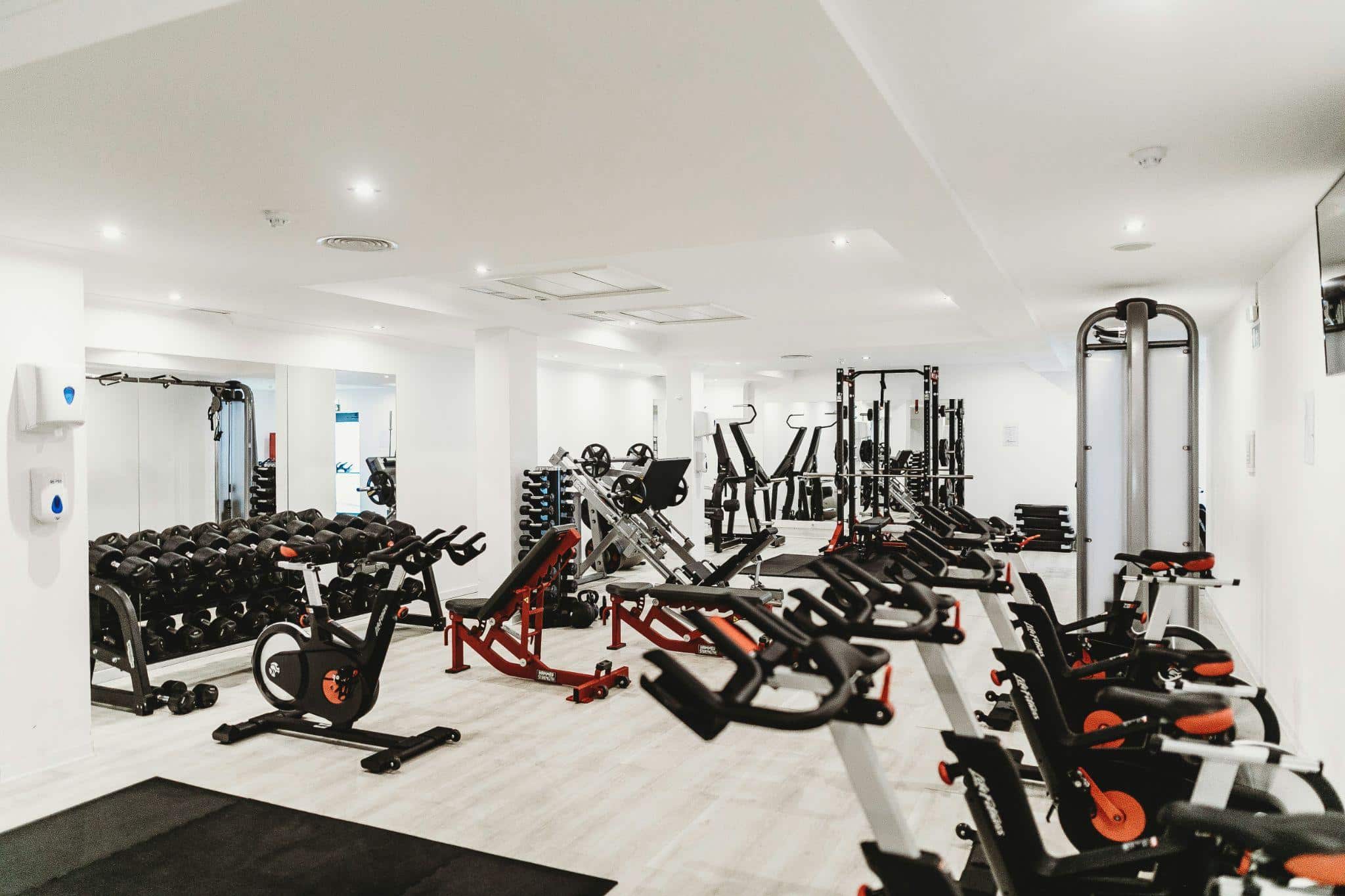
Home gyms have become increasingly popular as people look for more convenient ways to stay active without relying on crowded facilities or lengthy commutes. Among all the spaces available in a house, garages often seem like the most practical option. They offer room for equipment, separation from living areas, and flexibility for different workout styles. Yet many garage gyms end up becoming expensive storage spaces rather than places where people exercise consistently.
The difference usually comes down to design and practicality rather than equipment cost. A garage filled with machines does not automatically create motivation. In fact, overly complicated setups often become harder to use regularly. The garage gyms that see the most use are typically the ones designed around everyday habits, convenience, and routines that fit naturally into real life.
Nutrition Often Matters as Much as Equipment
Many people focus heavily on choosing the right weights, benches, racks, and cardio machines while paying less attention to the habits that support training outside the gym. Exercise and nutrition tend to work together, especially when someone has specific goals related to strength, endurance, performance, or recovery.
Someone building a more structured fitness routine may spend time exploring sports nutrition meal planning online while figuring out how meals, training schedules, and recovery habits fit together throughout the week. A workout space may encourage consistency, but long-term progress usually depends on routines that extend beyond the workout itself.
Organization Determines Whether a Gym Gets Used
One of the biggest reasons garage gyms fail is clutter. Equipment scattered across the floor, limited storage space, and poorly organized layouts can make workouts feel inconvenient before they even begin.
People are far more likely to use a space that feels accessible. When weights, resistance bands, mats, and accessories have designated locations, it becomes easier to start a workout without spending time moving boxes or searching for equipment first.
The goal is to reduce friction. The fewer obstacles standing between someone and a workout, the more likely the gym becomes part of a regular routine.
Storage Solutions Often Make the Biggest Difference
Many garages serve multiple purposes at the same time. Seasonal decorations, tools, outdoor equipment, automotive supplies, and household storage frequently share space with workout equipment. Without proper organization, the room can quickly become difficult to use effectively.
This is where practical storage planning becomes important. Shelving systems, wall-mounted racks, storage cabinets, and organizational accessories often help maximize available space while keeping workout areas clear. Products from https://mygaragesupplies.com/ may become part of these projects when homeowners are trying to create a garage environment that remains functional for both fitness and everyday storage needs.
A well-organized space usually feels more inviting and easier to maintain over time.
Comfort Encourages Consistency
Temperature, lighting, ventilation, and flooring all influence how frequently a home gym gets used. A garage that feels too hot in summer, too cold in winter, or poorly lit throughout the year often becomes less appealing regardless of the equipment inside.
Simple improvements such as fans, insulation, better lighting, rubber flooring, or improved airflow can significantly improve the overall experience. These upgrades may not be as exciting as purchasing new equipment, but they often have a greater impact on long-term consistency.
People generally return to spaces that feel comfortable and practical.
Bigger Is Not Always Better
Many successful garage gyms are surprisingly simple. A few versatile pieces of equipment used consistently often provide more value than a room packed with specialized machines that rarely get touched.
Adjustable dumbbells, resistance bands, benches, racks, and open floor space frequently support a wider variety of workouts than people initially expect. Starting with essential equipment also leaves room for future additions based on actual usage patterns rather than assumptions.
The best home gyms evolve around real habits instead of trying to replicate a commercial fitness center immediately.
The Most Effective Gym Is the One You Use
A garage gym does not need to look impressive on social media to be successful. What matters most is whether it supports regular movement, fits daily routines, and remains easy to access throughout the week.
When nutrition, organization, comfort, and practicality work together, a garage can become one of the most effective fitness spaces in a home. People often discover that consistency comes less from having perfect equipment and more from creating an environment that makes healthy habits easier to maintain.
Ultimately, the smartest garage gym is not the one with the most equipment. It is the one that continues getting used month after month, long after the excitement of setting it up has passed.
Daniel Mercer spent 12 years in residential contracting before he started writing about it. He holds a certification in construction management and has contributed to several home improvement publications across the US.
Daniel joined our platform to help homeowners approach repairs and renovations with clarity, and when he's not writing, he's usually scouting salvage yards for his next project.
Daniel Mercer spent 12 years in residential contracting before he started writing about it. He holds a certification in construction management and has contributed to several home improvement publications across the US.
Daniel joined our platform to help homeowners approach repairs and renovations with clarity, and when he's not writing, he's usually scouting salvage yards for his next project.