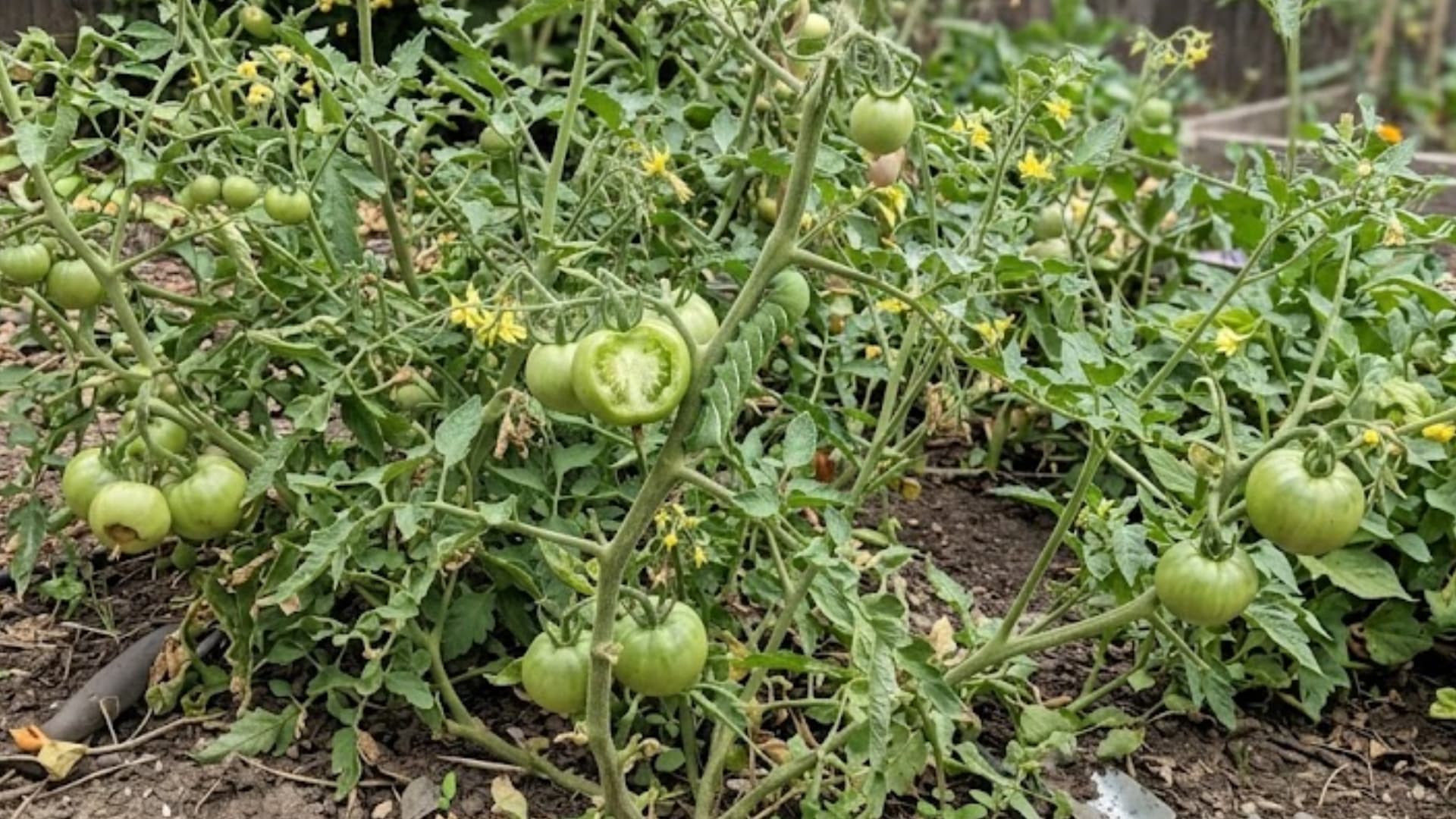

You finish watering tomatoes, step back to enjoy your raised herb beds, then suddenly start swatting insects around your face and ankles. Experiences like that can be quite plentiful.
Many beautiful backyards quietly trap moisture, stale air, and shaded hiding spots without homeowners noticing. A mosquito smart garden changes that experience completely. With better airflow, smarter planting layouts, and simple drainage fixes, you can create a productive outdoor space that feels far more comfortable during warm evenings in Europe, according to the World Health Organization.
Learn What Attracts Mosquitoes First
You can call it their instinct for survival; that’s why many biting insects are swarming. They only need small pockets of still moisture to multiply and overtake your home-prevention tricks.
According to the CDC, some of these pesky pests can grow from egg to adult in about seven to ten days during warm weather, although others can reproduce faster than that. Forgotten trays, clogged drain pipes, gutters, and water trapped in containers often become hidden breeding spots. This is exactly where principles of sustainable home gardening become important, especially when you design outdoor spaces to manage moisture flow and long-term plant balance.
When you remove these damp areas early, you break the cycle before swarms begin forming.
Build Raised Beds With Better Airflow
When you want a healthy vegetable garden, you’ll have to know that it’ll naturally hold more moisture because of frequent watering and dense growth patterns. You will notice it most in summer when airflow drops, and leaves stay damp longer.
When Properly Designed, Raised Herb Beds Improve Airflow as Elevated Soil Dries Faster After Rain.
Know That Companion Planting Attracts Dragonflies and Birds That Reduce Pests.
Also, Proper Spacing Prevents Overcrowding and Moisture Buildup.
Adopting smarter layouts like these can keep your beloved edible space productive and better balanced to achieve your desired results.
Design Outdoor Seating Around Insect Behavior
Mosquitoes, by their nature, struggle against moving air. It’s a small detail that can completely change how comfortable your outdoor setup will feel, especially during humid evenings.
You can also employ some effective tricks, like placing your seating zones where natural breezes move through patios, herb boxes, or flower container rows. Avoid, as much as you can, surrounding benches with dense shrubs or tall decorative grasses because trapped humidity creates ideal resting conditions nearby. Regional behavior patterns (even for insects) also matter.
For example, in warmer Southern climates, activity levels and peak seasons vary depending on rainfall and local vegetation timing. That is why reviewing resources, like a reliable mosquito exterminator Carolinas services, can help homeowners like you understand local species, seasonal pressure, and prevention methods specific to your locality. Most of the time, simple placement decisions can often outperform expensive gadgets and exterminators.
A breezy corner beside raised planters may feel noticeably better than a shaded sitting area surrounded by thick greenery.
Rethink Decorative Features That Hold Moisture
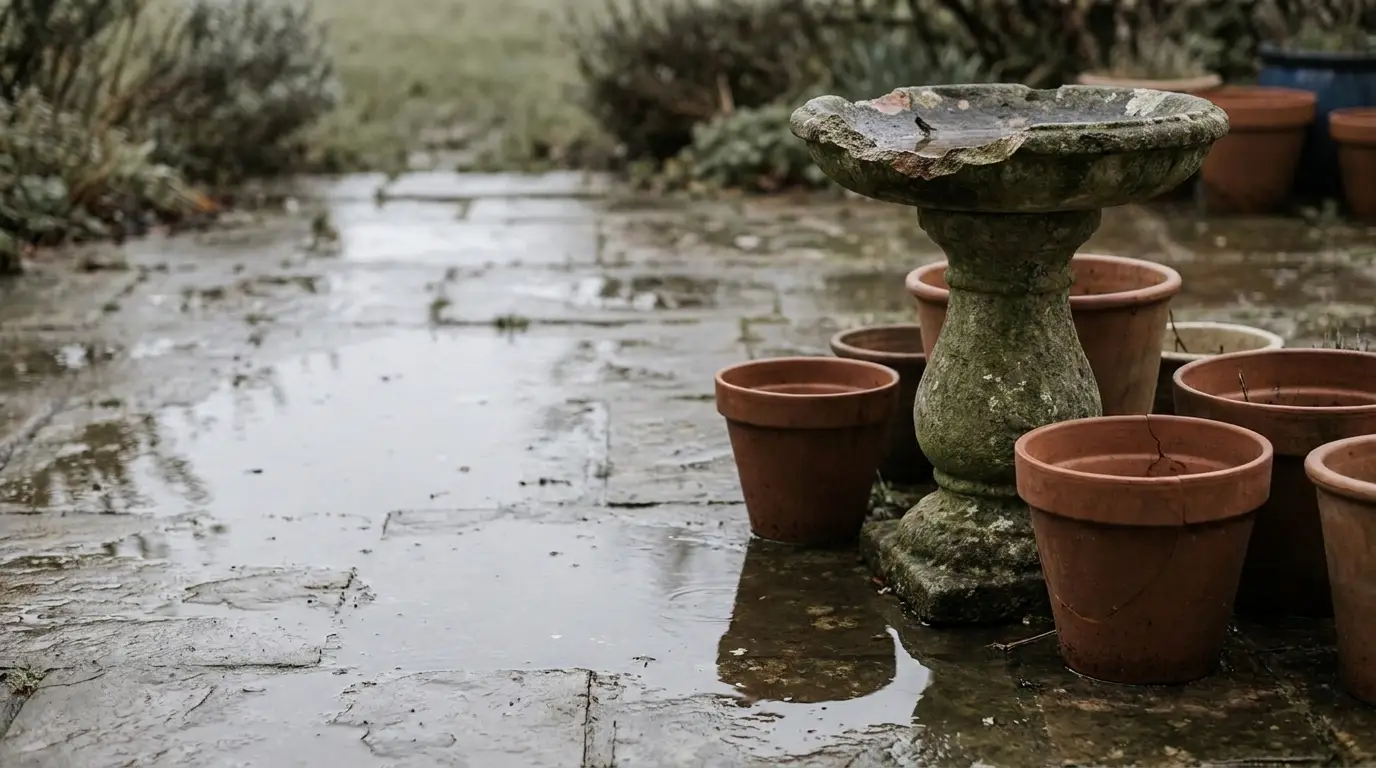
Unknowingly, your home may have many beautiful outdoor features that are accidentally supporting mosquito breeding. Some of these are quite inconspicuous, like birdbaths, rain barrels, neglected fountains, and low drainage zones, which become risky when moisture stays still for several days.
Additionally, moving water tips the scales. Currently, technologies such as miniature solar-powered fountains or circulation pumps can keep larvae from developing inside ornamental water gardens or small backyard features. Both the Environmental Protection Agency and CDC suggest fixing water issues and routinely draining accumulated moisture in and around homes.
You also need to look at how container gardening can pose similar or even amplify your problems. Saucers beneath pots quietly collect runoff after storms. Emptying them weekly can reduce future insect activity significantly, especially in compact urban growing spaces where containers sit close together.
Use Weekly Maintenance To Prevent Bigger Problems
Crafting a mosquito-smart landscape is not really about perfection; it’s more about consistency, like your health regimen. Small weekly habits, for instance, can create the biggest difference over time.
After heavy rains, it’s best to check hidden corners, especially for spaces and nooks that could retain water, like underneath dense leaves, behind stacked pots, inside folded tarps, and even near drain outlets. Many insects can hide and stay under some foliage during the day, when the sun is at its peak, before becoming active again after the sun sets.
Mulch depth matters, too. Excess mulch can trap moisture in the soil and easily create cooler pest-shelter areas under your vegetable or potted plants. When you keep mulch layers moderate, it can improve your pot’s drainage while still shielding roots from dying of heat stress.
Create an Outdoor Space You Actually Want to Use
The best mosquito smart setup does not feel sterile or defensive. It feels productive, breathable, and relaxing enough for slow mornings, outdoor dinners, and late summer harvesting.
When you craft raised edible beds, thoughtful seed spacing, pollinator support, airflow, and moisture control, your outdoor space can become naturally less attractive to pests. Start with one improvement at a time, pay attention after storms, and treat prevention as part of your growing strategy instead of a last-minute reaction.