A home-grower mold scenario is any indoor plant-related setup where soil moisture, low airflow, or wet leaves create conditions favorable to mold colonization. Operations like Fast Mold Testing handle the larger residential mold-detection work. The prevention side, however, sits with the gardener. Coverage of the Dos and Don’ts of Seedsheet gardening pairs cleanly with the prevention pointers here. The framework below covers what to watch for.
Why Do Indoor Gardens Create Mold-Friendly Conditions?
An indoor garden microclimate is a localized pocket of high humidity, low air movement, and consistent warmth that develops around any cluster of indoor plants.
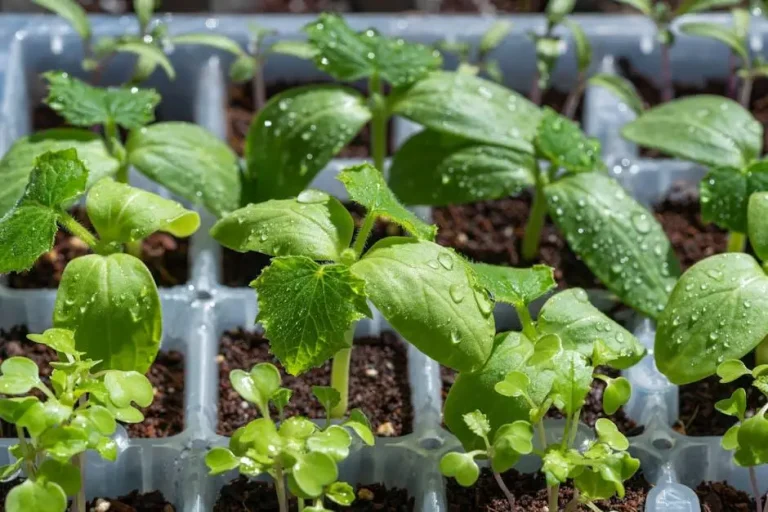
The first driver is moisture management. Seed-starting trays, terrariums, and freshly planted seedling pots all benefit from high humidity in the first 7 to 14 days. That same humidity also suits mold growth on the soil surface and the underside of leaves. The trick is timing the humidity step-down.
The second is airflow. Most indoor gardens sit on windowsills, kitchen counters, or bathroom shelves where ambient airflow is minimal. Without air movement, the moisture sits on leaf and soil surfaces longer than it should.
The third is sunlight balance. Plants positioned for partial sun rather than direct sun take longer to dry between waterings. Slow drying favors mold. A small grower who matches plant choice to actual light availability avoids the problem.
What Are the Earliest Signs of Indoor Garden Mold?
Six early signals belong on every grower’s checklist.
- White fuzzy growth on the soil surface. Saprophytic mold appears within days when watering exceeds soil drainage capacity.
- A musty or earthy odor around the planter. The smell often arrives before the visible mold patch.
- Yellowing leaves at the base of the plant. Root rot from overwatering often correlates with mold colonization in the surrounding soil.
- Black spots on leaves or stems. Fungal leaf disease is a downstream signal that the broader plant area is too humid.
- A film or slime on tray or planter walls. Algae and mold often coexist on damp container surfaces.
- Persistent dampness in the soil 4-5 days after watering. Soil that should be approaching dry remains wet, indicating drainage or watering-volume issues.
The US Environmental Protection Agency’s mold and moisture overview covers the broader household framework gardeners should reference for the bigger picture.
How Should Home Growers Prevent Mold in an Indoor Garden?
Five practices work together to keep the indoor garden mold-free.

Alt text: A home gardener carefully watering a houseplant indoors
The first is the watering-cadence reset. Most overwatering happens because the schedule comes from a calendar rather than from the soil itself. The standard test is a finger pressed an inch into the soil. If it feels wet, skip the watering. If it feels dry, water.
The second is the airflow step. A small clip-on fan running 30 minutes twice daily across the indoor garden area cuts mold risk dramatically. The fan does not need to be powerful. It just needs to move the air over the plants regularly.
The third is the drainage upgrade. Trays and pots that pool water create the conditions mold favors. Switching to containers with drainage holes and a saucer that empties after watering closes off most of the risk.
The fourth is the soil-surface monitoring. A quick weekly check of the soil surface across all indoor plants catches the early fuzzy-patch signal before it spreads. Coverage of moving seedlings from indoor to outdoor based on climate zone reinforces the importance of timing the transitions deliberately.
The fifth is the location audit. Plants positioned near humidifiers, in bathrooms with poor ventilation, or in sun-starved corners produce more mold than plants placed elsewhere. A grower running a quarterly location audit catches the bad placements before they compound.
When Should a Home Grower Bring in a Professional Mold Inspection?
A professional mold inspection is a third-party assessment performed by a certified inspector when household mold concerns exceed routine prevention.
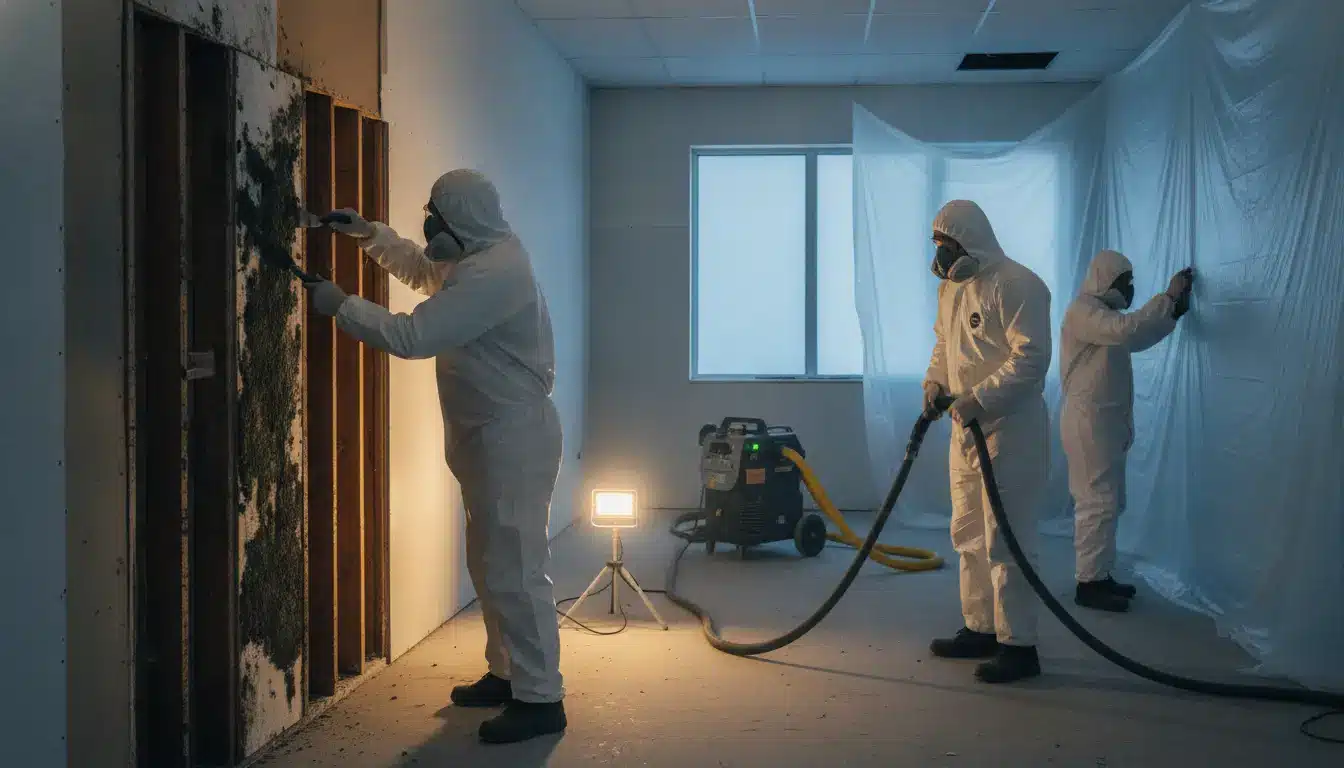
Indoor gardens themselves rarely justify professional inspection. The trigger is when mold spreads to surrounding surfaces (walls, floor, baseboards) and starts producing broader household indicators. Common signs include a persistent musty smell across rooms, visible discoloration on walls or ceilings, or family members reporting respiratory symptoms.
| Trigger | Owner Response | When to Escalate |
|---|---|---|
| Soil-only mold on one plant | Repot, reduce watering | Routine; no escalation |
| Mold spreading to tray walls or shelf | Clean with vinegar, improve airflow | Routine; no escalation |
| Wall or floor discoloration near garden | Stop watering, ventilate area | Schedule professional inspection |
| Musty smell across multiple rooms | Check broader humidity sources | Schedule professional inspection |
| Respiratory symptoms in household | Move plants temporarily | Schedule professional inspection |
| Recent water leak under or near garden | Address leak first | Schedule professional inspection |
The Centers for Disease Control and Prevention’s mold health information covers the broader household-mold framework worth referencing when the indoor garden mold has clearly spread beyond the planters.
A Quick Reality Check for Indoor Gardeners
- Test soil moisture by finger before every watering
- Run a small fan over the indoor garden twice daily
- Check soil surfaces weekly for early fuzzy patches
- Audit plant positions quarterly for sun and ventilation fit
- Escalate to professional inspection only when mold reaches walls or floors
The Honest Bottom Line on Indoor Garden Mold
A small fuzzy patch on a seedling tray is rarely the start of a household disaster. It is, however, a signal that the indoor garden’s moisture-and-airflow balance has drifted. Gardeners who reset the watering cadence, add a small fan, and audit plant positions usually resolve the issue inside a week. When the mold escalates from soil surfaces to surrounding walls or floors, that is the moment for a professional inspection. The prevention discipline pays back across every growing season the gardener runs.
Frequently Asked Questions
What Causes the White Fuzz That Appears on Seed-Starting Soil?
The white fuzz is usually saprophytic mold, a harmless soil mold that appears when the soil stays consistently wet. It rarely harms the seedlings directly but signals overwatering. A gentle surface scrape and adjusted watering frequency resolve most cases.
Should I Throw Out Moldy Soil From an Indoor Plant?
Usually no. The surface mold can be scraped off and the soil allowed to dry out properly. Persistent or widespread mold across the entire pot warrants a full repot with fresh soil and a cleaned container.
Does Cinnamon Actually Prevent Indoor Soil Mold?
Cinnamon has mild antifungal properties and a thin layer on the soil surface can slow mold development. It is a useful supplement to the airflow-and-watering-cadence basics rather than a standalone solution.
How Often Should I Inspect My Indoor Garden for Mold?
A 30-second weekly visual check of all soil surfaces is the standard discipline. Add a quarterly broader audit of plant positions, drainage, and humidity sources to catch the slower-developing issues.