A healthy vegetable garden starts long before you plant the first seed. The work you do ahead of time shapes how well your plants grow, how easily roots develop, and how consistently the bed holds moisture and nutrients through the season.
Good bed preparation also helps prevent common problems like poor drainage, compacted soil, and fast-growing weeds. When you choose the right location, improve the soil, and add layers like compost and mulch, you give your vegetables a much stronger start. Even simple prep work can make a noticeable difference, especially for new gardeners.
Choose the Right Location for Your Garden Beds
The location of your garden beds can influence everything that comes after. Most vegetables need at least six to eight hours of direct sunlight a day, so it helps to choose a bright, open area whenever you can. A sunny spot supports stronger stems, healthier leaves, and better production over time.
Drainage matters just as much as sunlight. Soil that stays wet for long periods can weaken roots and create conditions that make disease more likely to develop. If possible, choose a spot where water drains well after rain. Slightly raised ground or a gentle slope often works well because excess moisture is less likely to sit around the roots.
It is also worth thinking about how much room your plants will need later on. Beds that feel spacious at planting time can fill in quickly. Giving vegetables enough room for airflow and growth makes them easier to maintain and reduces the risk of pest or fungal problems.
Ease of access matters as well. A bed that is close to a water source and easy to reach is much simpler to care for throughout the season. When the location works well, everything from watering to harvesting becomes more manageable.
Improve Soil Structure Before Planting
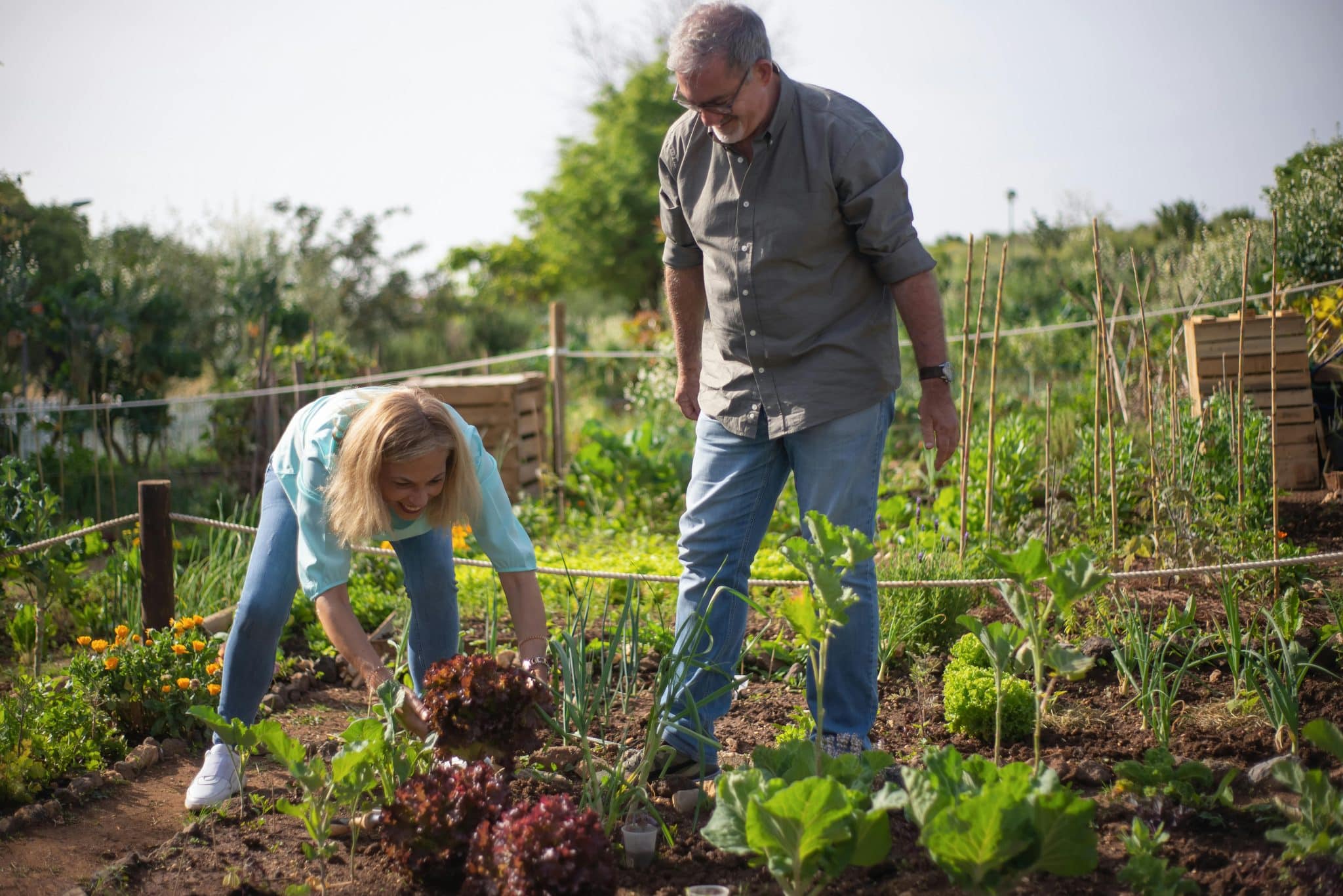
Healthy soil structure gives roots the space they need to grow deep and reach water and nutrients more easily. When soil is compacted or heavy, roots struggle to spread, and plant growth often slows. Preparing the soil before planting helps create a looser, more balanced growing environment.
A good first step is loosening the soil to a depth of about 8 to 12 inches with a garden fork, shovel, or tiller. This improves airflow and helps water move more evenly through the bed. It can also reduce the risk of water pooling around roots after a hard rain.
Adding organic matter is one of the most effective ways to improve soil over time. Compost, well-aged manure, and shredded leaves can all help the soil hold nutrients while still draining well. As those materials break down, they support beneficial soil life that contributes to healthier plant growth.
It also helps to know what kind of soil you are working with. Sandy soil drains quickly and may need more organic matter to hold moisture. Clay-heavy soil often benefits from materials that improve aeration and reduce compaction. Small adjustments like these can lead to a much more productive garden bed.
Research on healthy, living soil supports the same general idea: soil rich in organic matter tends to support stronger roots, better moisture retention, and more active soil life, all of which can improve how garden beds perform.
Add Compost and Nutrients to Support Healthy Plants
Once the soil structure is in better shape, the next step is making sure the bed has the nutrients vegetables need for steady growth. Garden beds respond especially well to organic materials that feed plants gradually while also improving the soil itself.
Compost is one of the best things you can add to a vegetable garden. It provides a wide range of nutrients, including nitrogen, phosphorus, and potassium. Spreading a layer over the bed and mixing it into the top few inches of soil helps create a richer growing space where roots can establish more easily.
It also improves the soil’s ability to hold moisture without becoming waterlogged. That balance is important during warm weather, when vegetables need reliable access to water to keep growing evenly.
Well-aged manure can be useful here as well, as long as it has fully broken down before being added to the bed. Fresh manure may be too strong for young plants and can cause problems rather than helping. When it is properly aged, it adds nutrients while supporting beneficial organisms in the soil.
Because organic materials break down slowly, nutrients become available over time instead of all at once. That steady release supports more consistent growth and lowers the risk of nutrient imbalances during the season.
Mulch and Regional Growing Conditions
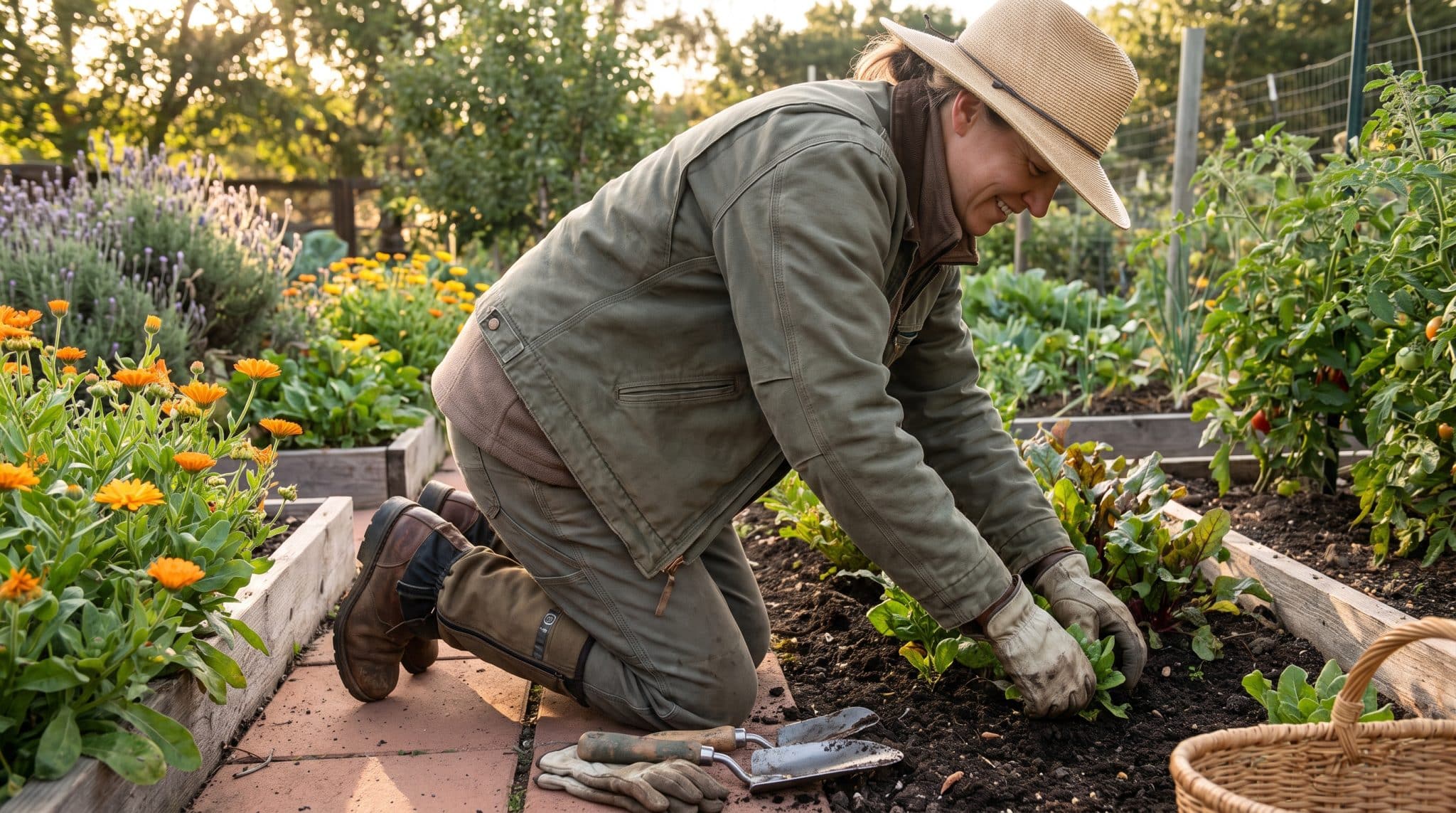
Mulch is an important part of many vegetable gardens because it helps the soil hold moisture, softens temperature swings, and slows weed growth. After compost has been mixed into the soil, many gardeners add mulch to protect the bed surface and create steadier growing conditions.
How mulch is used often depends on local weather patterns. In cooler parts of the Northeast and upper Midwest, such as New York and Michigan, mulch can help buffer the soil during cold spring nights and early-season temperature shifts. In warmer southern regions like Georgia or Texas, it is more often used to reduce moisture loss during longer periods of heat.
Because mulch is often spread in larger amounts to protect vegetable beds from weeds and moisture loss, the mulch delivery Dubois PA gardeners rely on makes it easier to bring in enough material for proper bed coverage and more stable soil conditions throughout the growing season. Having mulch delivered can also save time and effort when preparing larger garden areas, especially during the early stages of bed preparation.
The type of mulch used can vary based on local conditions and what is readily available. In cooler northern climates, gardeners often use shredded bark or straw to help insulate the soil. In warmer regions, pine straw or wood chips are more common because they still protect the soil surface while allowing airflow.
Plan Your Vegetable Layout Before Planting
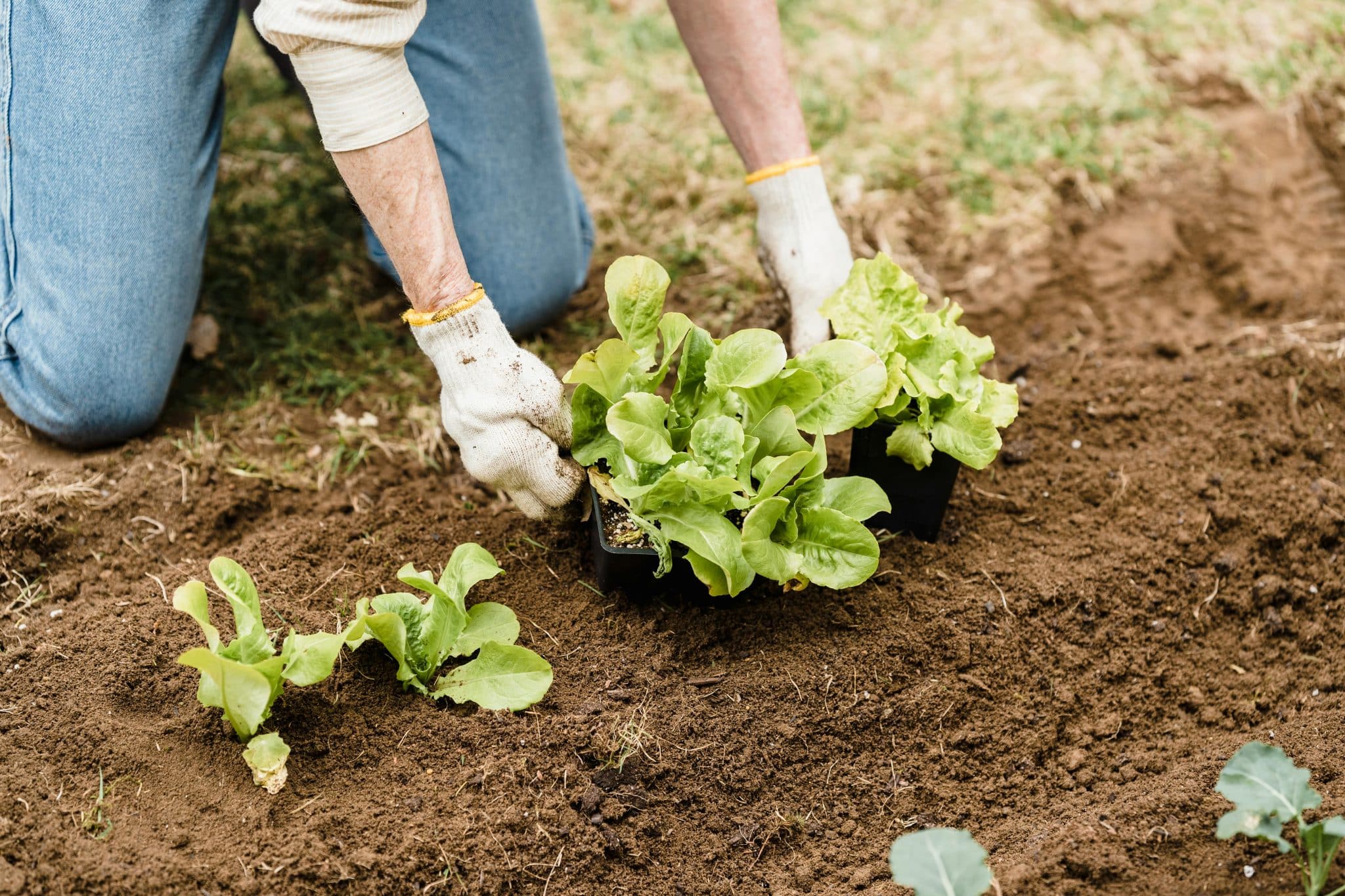
Planning your layout before planting can save a lot of trouble later. It helps prevent overcrowding and gives vegetables the space they need for airflow, sunlight, and healthy growth. When plants are placed too close together, they compete for water and nutrients, and that can make them more vulnerable to pests and disease.
A good place to start is with the mature size of each crop. Larger plants like tomatoes, peppers, and squash need more room to spread, while smaller crops such as lettuce, spinach, and radishes can be planted more closely. Organizing vegetables by size and growth habit makes the bed easier to manage as the season goes on.
It also helps to group vegetables with similar water and sunlight needs. Leafy greens that prefer more consistent moisture can do well together, while crops that tolerate drier conditions may be better suited to another part of the bed. That kind of planning makes watering and routine upkeep much simpler.
Looking at a practical vegetable garden layout guide can also help gardeners picture how spacing and plant placement shape the overall structure of a bed. A simple visual reference often makes it easier to avoid common mistakes before planting begins.
Prepare Beds for Easy Planting
Once the soil has been improved and the layout is planned, the last step is getting the bed ready for planting. A smooth, level surface helps seeds make better contact with the soil, leading to more uniform germination and stronger early root development.
Start by lightly raking the bed to break up clumps and remove any leftover debris, such as sticks or stones. This creates a more even surface and helps prevent small seeds from ending up too deep in the soil. It also makes it easier to keep planting depth consistent across the bed.
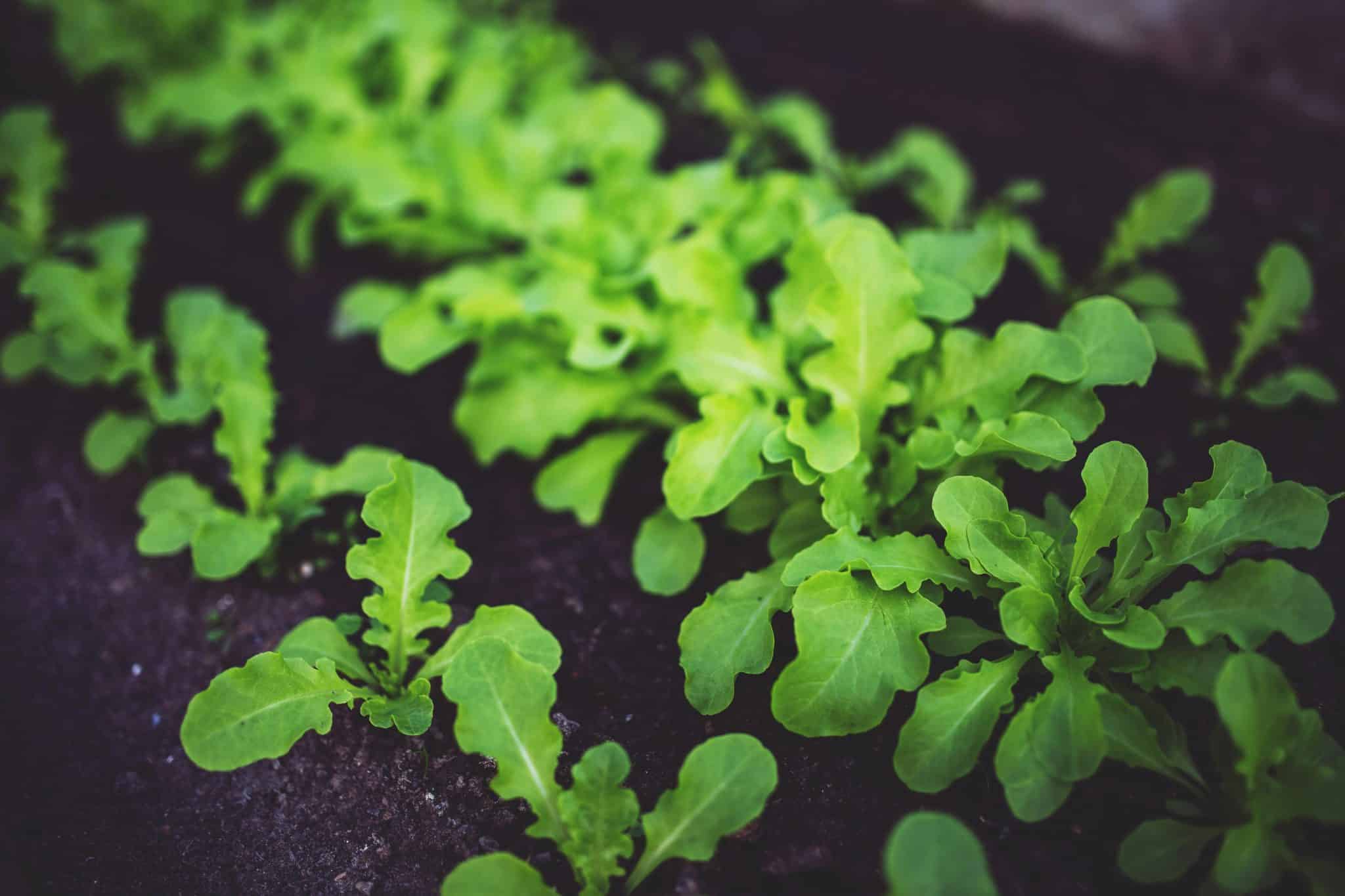
If the surface is very dry, a light watering before planting can help. Slightly moist soil allows seeds to settle in more easily and begin absorbing moisture right away as germination starts.
These finishing touches do not take much time, but they can make planting noticeably easier. When the soil is level, prepared, and ready to go, the bed is in much better shape to support strong early growth.
Conclusion
Preparing garden beds before planting creates better conditions for vegetables from the very beginning. Choosing a sunny location, improving soil structure, and adding compost all help build healthier soil and support stronger roots.
Mulch protects the soil surface, reduces weed pressure, and helps hold moisture more evenly. Careful layout planning also prevents overcrowding and gives plants the room they need to grow well.
By taking time to prepare the soil, organize planting areas, and protect the bed surface, gardeners can create a stronger foundation for the whole season. Well-prepared beds make it much easier to support healthy vegetable growth from planting through harvest.