

Choosing a realty company is not simply about finding someone who can list a property or arrange a showing. The right company should fit what you are actually trying to accomplish with the property. Someone preparing to sell has different priorities from a buyer looking for a long-term home, while an investor may need advice that goes beyond the initial purchase.
That is why comparing realty companies in Chicago based only on reputation or the number of listings they handle can be misleading. A better approach is to consider the services they provide, their knowledge of the local market, and whether their approach makes sense for your plans.
Start by Defining Your Property Goals
Before contacting a realty company, get clear about what you want from the property. This makes it much easier to identify the type of professional you need.
You may be looking to sell within a certain timeframe, purchase a home, find an investment property, build a rental portfolio, or improve the performance of a property you already own. Your priorities may also depend on the type of property involved. A downtown condo, single-family rental, and multifamily building can all require different strategies.
Once you know your objective, you can ask more useful questions. Instead of simply asking whether a company handles real estate transactions, you can find out whether it regularly works with properties and clients similar to yours.
Look Beyond the Number of Listings
A company with a large portfolio may appear impressive, but listing volume alone does not tell you whether it is the right fit.
Look at the types of properties the company handles and the neighborhoods where its agents actually work. Local familiarity can be valuable when considering neighborhood demand, pricing, taxes, rental conditions, and the factors that influence how buyers and renters view a particular area.
Pay attention to communication, too. Does the representative explain why they are making a recommendation, or do they simply tell you what to do? Are they willing to discuss different approaches when your priorities change?
These details can tell you more about the potential working relationship than awards or marketing claims.
Ask How They Would Handle Your Situation
A useful conversation with a realty company should go beyond questions about commission rates.
Explain what you want to accomplish and ask how they would approach it. If you are selling, ask how they would establish an asking price and whether there are improvements worth making before putting the property on the market. If you are considering an investment, ask what they would examine before recommending a property.
Communication should also be part of the conversation. Find out who your primary contact would be, how often you can expect updates, and how the company handles time-sensitive decisions.
The answers can reveal whether the company has a clear process or relies on the same approach for every client.
Think About What Happens After the Transaction
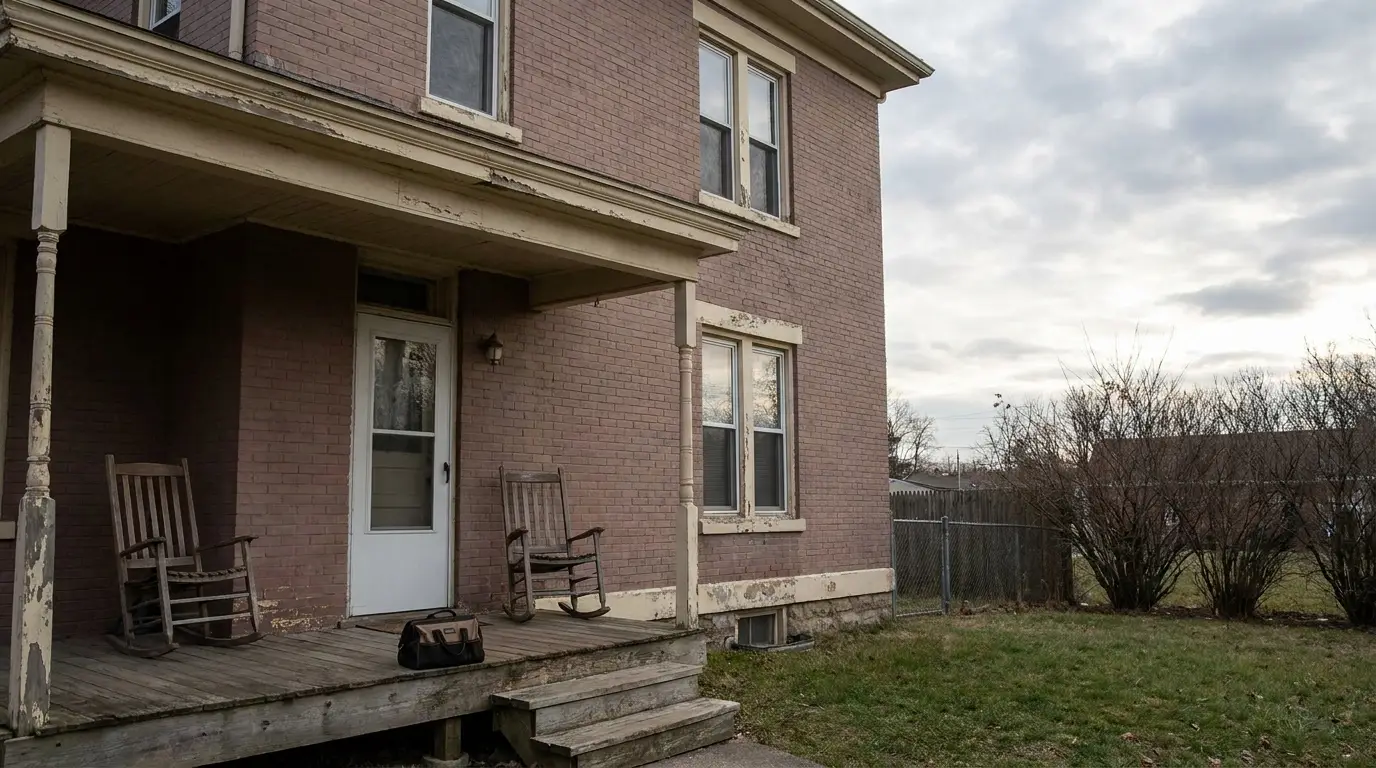
For property owners, the relationship with a realty company does not necessarily end when a transaction closes. If you purchase a rental property, you may soon have to deal with tenant communication, maintenance requests, rent collection, inspections, and other responsibilities.
This is where it helps to understand the difference between real estate services and property management. If your plan is to hold rental property rather than sell it immediately, you may also need property managers in Chicago who can handle the day-to-day work.
A realty company may offer several related services, while another may focus primarily on buying and selling. Knowing what support you will need several months or a year from now can prevent you from choosing a provider based only on what you need today.
Compare Fees With the Services Included
Cost matters, but the lowest fee is not automatically the best value. A company charging less may provide fewer services, while another may charge more because it offers support that is particularly useful for your situation.
Ask for a clear explanation of what the fee includes. Depending on your needs, services could involve valuation, marketing, photography, showings, negotiations, tenant placement, or coordination with other professionals.
Ask about additional charges as well. Getting the details in writing makes it easier to compare companies and reduces the likelihood of surprises later.
The objective is not necessarily to find the cheapest provider. It is to find a company whose pricing makes sense for the expertise and services you actually receive.
Consider Local Market Knowledge
Real estate decisions are often shaped by details that can be missed without strong knowledge of the local market.
A company familiar with the neighborhoods where you own or plan to purchase property may have a better understanding of what buyers and renters want. They may also recognize differences between nearby areas that are not obvious from broad market statistics.
For investors, this can be especially important. A property that looks attractive because of its purchase price may have weaker rental demand, higher operating costs, or a smaller pool of potential tenants.
The U.S. Census Bureau provides housing data covering areas such as home values, rents, vacancy, and homeownership. These figures can provide useful context when evaluating local housing conditions.
You can use that information as a starting point, then ask a prospective realty company how current market conditions affect the property you are considering.
Check Reviews and Past Experience
Online reviews can help narrow down your choices, but they should not be the only deciding factor.
Look for patterns in what previous clients mention. Consistent comments about communication, responsiveness, market knowledge, or attention to detail can provide useful insight into how a company operates.
You can also ask whether the company has experience with properties similar to yours. An agent who primarily works with homebuyers purchasing a primary residence may not be the best choice for an investor purchasing multiple rental units.
If possible, review examples of recent properties the company has represented. This gives you another way to assess whether its experience matches your needs.
Choose the Company That Fits Your Plans
The right realty company is ultimately the one that understands what you are trying to accomplish and has the experience to support that objective.
Compare several options rather than choosing based on the biggest name or the largest number of listings. Look at their services, fees, communication style, local knowledge, and experience with your type of property.
Most importantly, make sure they understand your goals before recommending a course of action. A good fit can make buying, selling, or investing much easier to navigate and can give you greater confidence in the decisions you make along the way.