
Learning how to reseal windows starts with one important step: identifying what kind of seal problem you actually have. Not every draft, leak, or foggy window is fixed the same way.
Sometimes the issue is cracked exterior caulk. Sometimes it is worn weatherstripping around the moving part of the window. Other times, the problem is water damage, rotted trim, poor installation, or a failed insulated glass seal between double-pane glass.
Resealing windows can improve comfort, reduce drafts, protect trim, and help prevent moisture from getting into the home. But the right fix depends on where the problem is coming from.
First, Identify What Kind of Window Seal Problem You Have
Before grabbing a caulk gun, inspect the window carefully. “Resealing a window” can mean several different things depending on the issue.
A draft around the frame may mean there are gaps in the caulk, trim, or weatherstripping. A water leak may point to cracked exterior sealant, damaged flashing, failing trim, or siding issues. Fog between glass panes usually means the insulated glass unit has failed, which exterior caulk will not solve.
Drafts Around the Window Frame
Drafts are often easiest to notice during cold, windy, or very hot weather. You may feel air moving around the window trim, sash, or frame.
If the draft comes from a stationary gap between the trim and wall, caulk may help. If the draft comes from the part of the window that opens and closes, weatherstripping is usually the better solution.
Water Leaks Around the Window
Water leaks should be taken seriously. If water is entering around the window, the issue could be cracked exterior caulk, damaged flashing, poor installation, rotted trim, or a problem with nearby siding.
Caulk can help with small gaps, but it should not be used to hide a deeper moisture problem. If water keeps coming back after resealing, the window area needs a closer inspection.
Fog or Condensation Between Glass Panes
Fog between double-pane glass is different from condensation on the inside or outside surface. If moisture is trapped between the panes, the insulated glass seal has likely failed.
In that case, resealing the outside of the window will not remove the trapped moisture. The glass unit, sash, or full window may need to be replaced.
Peeling Paint or Soft Wood Trim
Peeling paint, soft wood, swelling trim, or dark staining around a window can point to moisture exposure. These areas should be repaired before caulk or paint is applied.
Covering damaged trim with new caulk may temporarily hide the problem, but it will not stop rot or water damage from spreading.
Caulk vs. Weatherstripping: Which One Do You Need?
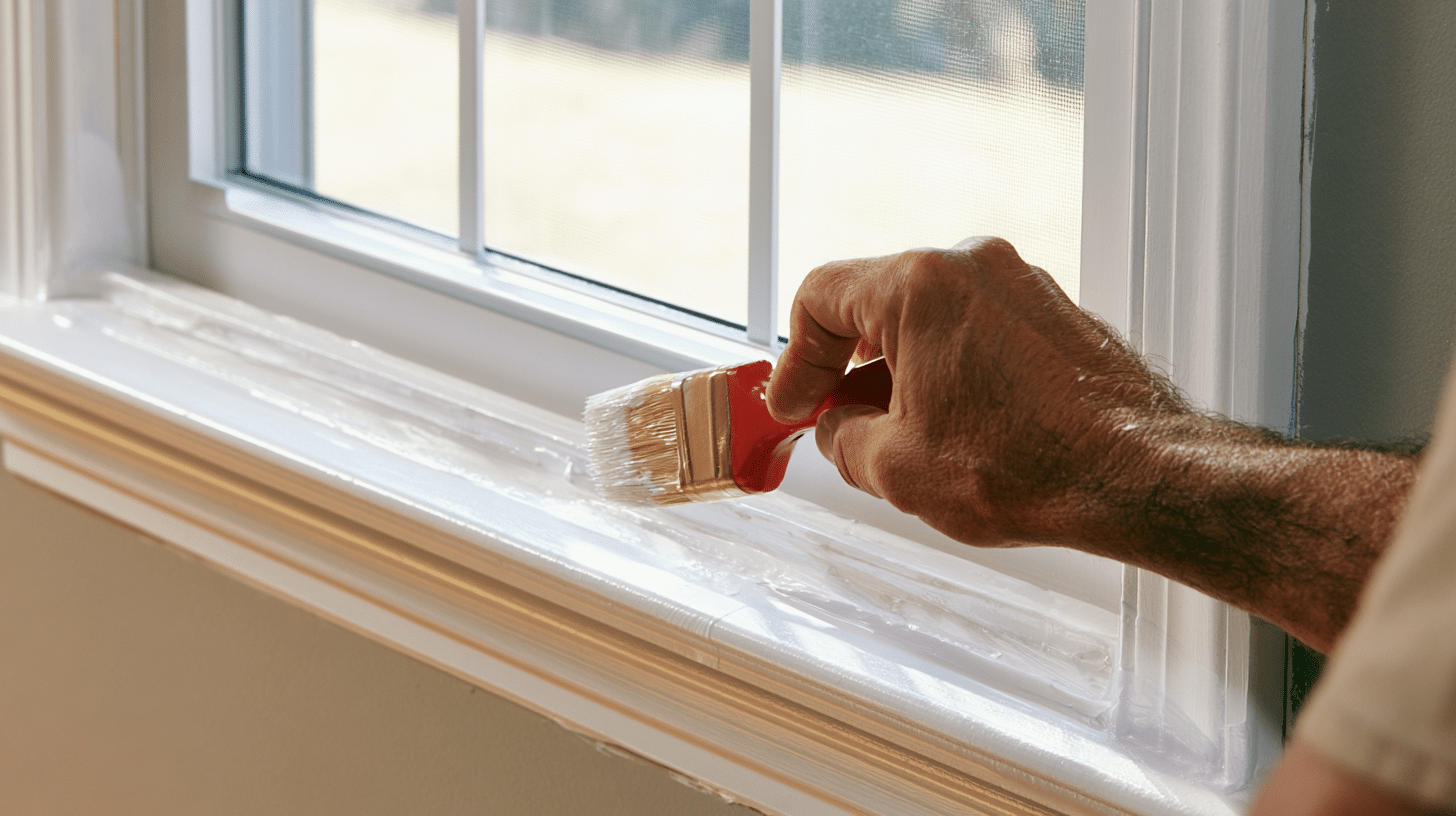
Caulk and weatherstripping are both used to seal windows, but they are not interchangeable.
Caulk is used for stationary gaps, cracks, and seams. Weatherstripping is used around moving parts of a window, such as the sash.
Use Caulk for Stationary Gaps
Caulk is usually used around exterior trim, interior trim gaps, and seams between the window frame and surrounding wall materials. It works best for small cracks and joints that do not move.
Exterior window caulk should be weather-resistant and appropriate for the surface. If the caulk will be painted, choose a paintable product.
Use Weatherstripping for Moving Window Parts
Weatherstripping is used where the window opens and closes. If air is leaking around the sash, caulking that area would prevent the window from operating properly.
Foam tape, V-strip, felt, rubber, and silicone weatherstripping are common options. The right choice depends on the window style and the size of the gap.
Use Repair or Replacement for Failed Glass Seals
If the window is foggy between panes, caulk and weatherstripping will not fix the issue. That usually means the insulated glass unit has failed.
Depending on the window, the solution may be glass replacement, sash replacement, or full window replacement.
Tools and Materials Needed to Reseal Windows
For a basic window resealing project, you may need a utility knife, putty knife, scraper, caulk remover, caulk gun, exterior-grade sealant, painter’s tape, cleaning cloths, mild cleaner, weatherstripping, gloves, and a ladder if working outside.
If there is damaged trim, peeling paint, rot, or siding damage, the project may require additional repair tools and materials.
Always use caution when working on ladders or second-story windows. Exterior window work may be better left to a professional if the area is difficult or unsafe to reach.

How to Reseal Windows With Caulk Step by Step
If the problem is cracked, loose, or failing caulk around a stationary joint, resealing with new caulk may help.
Step 1: Remove Old or Failing Caulk
Do not apply new caulk directly over cracked or peeling caulk. It will not bond properly, and the seal may fail again quickly.
Use a utility knife, scraper, or caulk removal tool to remove old material. Be careful not to damage the window frame, trim, siding, or painted surfaces.
Step 2: Clean and Dry the Surface
Once the old caulk is removed, clean the area. Remove dirt, dust, mildew, loose paint, and debris. The surface should be dry before applying new sealant.
Moisture trapped under caulk can create future problems, especially around wood trim.
Step 3: Choose the Right Sealant
Use the right caulk for the location. Exterior window joints usually need an exterior-rated, weather-resistant sealant. If the area will be painted, make sure the product is paintable.
Follow the manufacturer’s directions for surface preparation, application temperature, cure time, and painting.
Step 4: Apply a Smooth, Even Bead
Cut the caulk tube tip at an angle. Place the tube in the caulk gun and apply steady pressure as you move along the joint.
The bead should be consistent. Avoid applying too much caulk, which can look messy and may not cure properly.
Step 5: Smooth the Caulk Line
Smooth the bead with a caulk tool or your finger. If you used painter’s tape, remove it before the caulk skins over.
Wipe away excess caulk before it cures. Clean lines help the finished window area look more professional.
Step 6: Let the Caulk Cure
Let the caulk cure according to the product instructions. Avoid painting too soon or exposing the area to heavy moisture before it is ready.
Cure time can vary depending on product type, temperature, humidity, and weather.
How to Reseal Drafty Windows With Weatherstripping
If the draft comes from the moving sash, weatherstripping is usually the right fix.
First, remove old weatherstripping that is cracked, loose, compressed, or falling apart. Clean the surface so the new material can adhere properly.
Next, choose the correct weatherstripping type for the window. Foam tape can work for some small gaps, while V-strip, rubber, or silicone may be better for other window styles.
Install the weatherstripping where the sash meets the frame, then open and close the window to make sure it still operates smoothly. The goal is to reduce air movement without making the window difficult to use.
Protecting Trim, Paint, and Exterior Surfaces Around Windows
Resealing windows often involves more than caulk. Trim, paint, siding, and surrounding surfaces all affect the final result.
If the trim is cracked, soft, rotted, or loose, repair it before sealing. Caulk should not be used as a substitute for proper repair.
After caulk cures, trim and surrounding surfaces may need touch-up paint. Clean paint lines make the window look finished and help protect exposed materials.
If resealing windows reveals peeling paint, damaged trim, or exterior surface wear, a painting and repair company like Cover Pro Painting can help refresh the window area so the trim, siding, and painted surfaces look clean and protected.

When Resealing Windows Is Not Enough
Some window problems cannot be solved with caulk or weatherstripping.
If moisture is trapped between panes, the insulated glass seal has likely failed. If the frame is rotted, warped, or damaged, it may not hold a proper seal. If the window was installed incorrectly, resealing may only provide a temporary improvement.
Old or inefficient windows may also continue leaking air even after minor repairs. In those cases, replacement may be the better long-term solution.
When to Call a Window Installation Professional
Minor caulking and weatherstripping can be manageable for some homeowners. But repeated leaks, damaged frames, foggy glass, and widespread drafts should be evaluated more carefully.
Homeowners dealing with failed seals, repeated leaks, damaged frames, or aging windows can work with Elevate Construction and Window Installation to evaluate whether repair, glass replacement, or full window replacement is the better long-term solution.
Professional help is especially useful when multiple windows have the same issue, when leaks continue after resealing, or when the window area shows signs of rot or water damage.
Common Window Resealing Mistakes to Avoid
One common mistake is caulking over old failed caulk. New sealant needs a clean, stable surface to bond properly.
Another mistake is sealing weep holes. Some windows have built-in drainage paths that should not be blocked. Blocking them can trap water and make the problem worse.
Using the wrong caulk can also cause issues. Interior-only caulk may fail outdoors, and non-paintable caulk can create problems when finishing trim.
Homeowners should also avoid resealing over moisture damage. Rot, mold, soft wood, or wet materials should be repaired first.
Finally, do not expect caulk to fix foggy double-pane glass. Fog between panes is usually a glass seal problem, not an exterior caulk problem.

How to Maintain Window Seals Over Time
Window seals should be checked regularly. Look for cracking, shrinking, separation, peeling paint, water stains, or gaps around the trim.
Inspect caulk lines before rainy or cold seasons. Clean dirt, mildew, and debris from window areas so problems are easier to spot.
Painted trim and exterior finishes should also be maintained. Paint helps protect wood and other surfaces from moisture, so peeling or exposed areas should be addressed before damage spreads.
Final Thoughts: Resealing Windows Starts With the Right Diagnosis
Learning how to reseal windows is really about identifying the right problem first. Cracked caulk, worn weatherstripping, damaged trim, water intrusion, and failed glass seals all require different solutions.
Small drafts and cracked caulk may be manageable DIY repairs. But if the window keeps leaking, fogs between panes, shows frame damage, or has recurring moisture problems, repeatedly adding more caulk is not the answer.
A properly sealed window should help protect the home, improve comfort, and keep the finished trim and exterior surfaces looking clean for years.