There’s a certain point when a home starts to feel full in a way that’s hard to explain.
Not messy, exactly. Not ruined. Just heavy.
The entryway has shoes that belong to three different seasons. The closet still has coats pushed against beach bags. The kitchen counter has become a landing strip for mail, keys, school papers, receipts, and the random things no one knows where to put. And somewhere in the background, there’s that quiet thought you keep avoiding.
We need to deal with this.
The truth is, clutter usually does not arrive all at once. It sneaks in during busy weeks, family changes, holidays, late nights, rushed mornings, and those “I’ll put it away later” moments that somehow turn into months. By the time a new season rolls around, your home may be holding onto things your life no longer needs every day.
That’s why seasonal transitions are such a good time to reset. Not because your home needs to look perfect. It doesn’t. But because your space should help you feel more grounded, not more overwhelmed.
A seasonal reset is not about throwing everything away or becoming a completely different person by next weekend. It’s about making room. Room to think. Room to rest. Room to move through your day without bumping into unfinished decisions.
And honestly, that kind of breathing room matters.
Notice What the New Season Is Asking From Your Home
Every season brings a different rhythm into your house.
Summer might bring pool towels, outdoor gear, coolers, sandals, and kids coming in and out all day. Fall may bring school supplies, jackets, sports bags, and a busier family calendar. Winter often adds blankets, holiday decorations, guest items, and heavier clothes. Spring can bring cleaning supplies, gardening tools, donation piles, and the urge to open the windows and start fresh.
Your home has to keep up with all of that.
But sometimes, instead of shifting with the season, we just keep adding. The old season stays in place while the new one piles on top of it. That’s when things start to feel crowded.
So before you start organizing, take a slow walk through your home. Look around without judging yourself. What feels stuck? What feels like it belongs to a version of your life from three months ago, six months ago, or even three years ago?
You do not have to fix everything right away. Just notice.
That first step is more powerful than it sounds.
Start Where You Feel It Most
When your whole home feels cluttered, it’s tempting to make a huge plan. You might tell yourself you need to clean the garage, reorganize every closet, sort the pantry, donate five bags of clothes, and finally tackle that one room everyone avoids.
That sounds productive, but it can also be exhausting before you even begin.
Start smaller.
Choose one space that affects your mood every day. Maybe it’s the kitchen counter you see first thing in the morning. Maybe it’s your bedroom, where laundry has started forming its own little mountain. Maybe it’s the entryway, where everyone drops their stuff the second they walk in.
Pick the place that makes you sigh.
That’s where you begin.
Clearing one visible, high-impact space can change how your entire home feels. A clean nightstand can make bedtime calmer. An organized entryway can make mornings smoother. A cleared dining table can make dinner feel like dinner again, instead of another reminder of everything you still need to handle.
You’re not trying to win a home makeover show. You’re trying to make daily life feel a little easier.
That’s enough.
Sort With Kindness, Not Pressure
Decluttering can bring up more emotion than people expect.
It sounds simple at first. Keep this. Donate that. Toss this. Put that away.
But then you pick up a sweater you haven’t worn in years, and suddenly you remember who gave it to you. You find old baby items, hobby supplies from a phase you miss, books you meant to read, or boxes from a move you never fully unpacked. These things are not just things. Sometimes they carry memories, guilt, hope, or a version of yourself you’re not quite ready to let go of.
So be kind with yourself.
Try sorting items into simple groups: keep, donate, recycle, relocate, and decide later. That last group matters. Not everything needs an instant answer. Some decisions need a little space around them.
As you sort, ask yourself one honest question. Does this still support the life I’m living now?
Not the life you thought you would have. Not the life you see online. Not the life where you magically have unlimited storage, time, and energy. Your real life. The one you wake up to every morning.
If the answer is yes, keep it with intention. If the answer is no, maybe it’s time to let it move on. And if the answer is “I’m not sure,” that’s okay too.
You’re allowed to take your time.
Make Room for What’s Coming Next
Once you’ve cleared a little space, think about the season ahead.
What will your household actually need in the next few months? This is where decluttering becomes less about getting rid of things and more about preparing your home to work better for you.
If cooler weather is coming, maybe it’s time to bring jackets, boots, and blankets within reach. If summer is around the corner, maybe heavy bedding can move out of the main closet, and sunscreen, swim gear, and outdoor items can become easier to grab. If school is starting, backpacks, lunch supplies, and homework areas may need a real home. If the holidays are approaching, you might want to clear pantry space, guest room space, or room for decorations.
The goal is not to make your home look empty. The goal is to help it respond to your life.
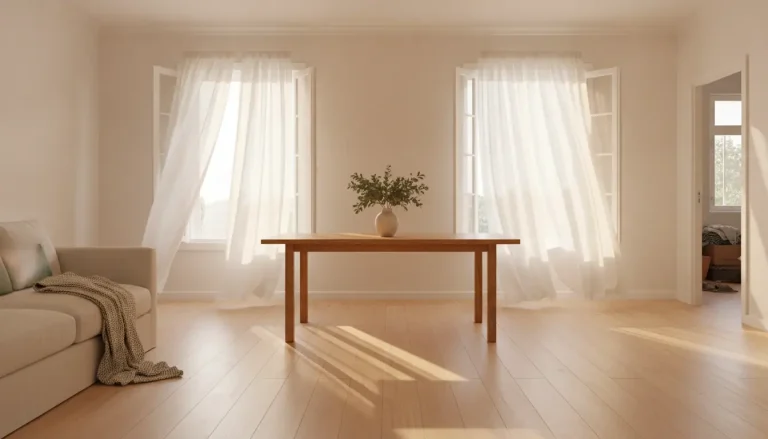
A home that breathes is not bare. It still has personality, memories, favorite mugs, family photos, throw blankets, books, toys, tools, and all the ordinary stuff of daily living. But those things have space to exist without taking over every surface.
That’s the difference.
Give “Not Right Now” Items a Place to Go
Some items are easy to deal with. Broken things can be tossed. Clothes that no longer fit can be donated. Old paperwork can be shredded.
But what about the items you still value, just not in your everyday space?
That’s where a lot of people get stuck.
Maybe you have seasonal décor, family keepsakes, extra furniture, sports equipment, hobby supplies, business materials, or boxes from a recent move. You don’t want them sitting in your living room or garage forever, but you also don’t want to make a rushed decision and regret it later.
Sometimes, the best answer is not “keep it here” or “get rid of it.” Sometimes the answer is simply “give it another place to be.”
For homeowners and renters who need more breathing room without making rushed decisions, securing a self storage in Houston Heights can be a practical way to create space at home while keeping meaningful belongings close by.
The key is to be honest about what belongs in your daily living space and what does not. Your home should not have to hold every item you own in the most visible, usable areas. Some belongings matter, but they do not need to be part of your everyday routine.
And that simple shift can make your home feel lighter almost immediately.
Build Habits That Keep the Clutter From Creeping Back
A big reset feels great, but the real magic is in the habits that follow.
You do not need a complicated system. In fact, the more complicated it is, the less likely you are to keep using it. Most people need simple, obvious storage that matches how they already live.
Use clear labels. Group similar things together. Keep everyday items easy to reach. Put seasonal items in bins that are actually marked. Create a small donation spot so unwanted items do not drift back into closets. Give mail, keys, bags, and shoes a place to land.
And be realistic.
If your family drops backpacks by the door every day, don’t design a system that requires everyone to walk across the house and hang them in a hidden closet. Put hooks near the door. If paperwork always ends up on the counter, add a tray or folder right where it naturally lands.
Good organization does not fight your habits. It works with them.
That’s what makes it last.
Let Go of the Perfect Home Idea
A breathable home is not a perfect home.
It’s not always spotless. It’s not always photo-ready. It probably still has a junk drawer, a chair that collects clothes, and at least one cabinet you open carefully because something might fall out.
That’s normal.
The point is not perfection. The point is peace.
Can you walk into your home and feel a little more at ease? Can you find what you need without digging through five piles? Can your rooms support the way you actually live instead of constantly reminding you of what you haven’t finished?
That’s what you’re working toward.
A home should hold your life, not bury it.
So let the process be imperfect. Let it happen in stages. Let one cleared shelf count. Let one donated bag count. Let one calm corner remind you that progress does not have to be dramatic to be real.
Small changes can shift the whole feeling of a room.
Try a Simple Weekend Reset
If you want a clear starting point, try giving yourself one weekend to reset one area of your home.
On Friday evening, choose the space. Do not choose the entire house. Pick the closet, the entryway, the pantry, the bedroom, the garage corner, or the home office. Gather a few basic supplies like trash bags, donation boxes, labels, and cleaning wipes.
On Saturday morning, start sorting. Keep the categories simple. Keep, donate, recycle, relocate, and decide later. Try not to wander into other rooms and start new projects. That’s how one closet turns into seven unfinished piles across the house.
On Saturday afternoon, clean the cleared space. Wipe shelves. Vacuum corners. Put back only what belongs there. Give the space a little breathing room instead of filling every inch right away.
On Sunday, handle the leftovers. Drop off donations if you can. Recycle what needs to go. Move misplaced items back to their proper rooms. Put “decide later” items somewhere contained, not scattered.
Then stop.
Really. Stop.
You do not have to turn a weekend reset into a full-house overhaul. Let yourself enjoy the progress you made. Stand in the room for a minute and notice how it feels. Lighter? Calmer? Easier to use?
That feeling is the reward.
Give Your Home Room to Support You Again
Before a new season begins, your home deserves a chance to reset. And so do you.
You deserve to walk into rooms that feel usable. You deserve mornings that are not made harder by clutter. You deserve closets that open without stress, counters that give you space to cook, and corners that are not packed with decisions you keep postponing.
Will one weekend fix everything? Probably not.
But one cleared surface can change the way your morning feels. One organized closet can make the week smoother. One room with more space can remind you that your home is not just a place to store things. It’s a place to live.
So start small. Start gently. Start with the space that bothers you most.
The next season is coming either way. Give yourself a home that feels ready to welcome it.