Waste problems don’t usually start as major issues. It’s small things at first; a bin might fill up faster than expected, or a pickup gets delayed by a day or two. Most people adjust and move on, but over time, those small problems repeat. What feels manageable in the beginning slowly turns into something you have to keep dealing with. That’s when scheduled trash pickup services come into play. It removes inconsistencies and the risk of buildup over time, and instead, replaces frustration with predictable and reliable services.
What’s Included With Scheduled Waste Disposal?
Scheduled waste disposal is built around a routine rather than a reaction, instead of waiting for waste to accumulate. The schedule is set based on how much waste is generated and how often it needs to be removed. The provider adjusts services based on usage; if waste increases, they’ll increase pickups, and if it decreases, they’ll also schedule accordingly. The system stays structured, but it is not rigid.
Most services operate on fixed pickup days, which means you already know when waste will be collected. This removes the need to keep checking or remembering when to arrange the next pickup. Along with that, there are usually defined time windows, so you are not left waiting without clarity on when the service will arrive.
There are also clear instructions on how waste should be prepared. This may include sorting, placement, or separating different types of materials. In some cases, handling also depends on the type of waste, which helps avoid issues that come from mixing everything together.
The Benefits of Scheduled Waste Disposal
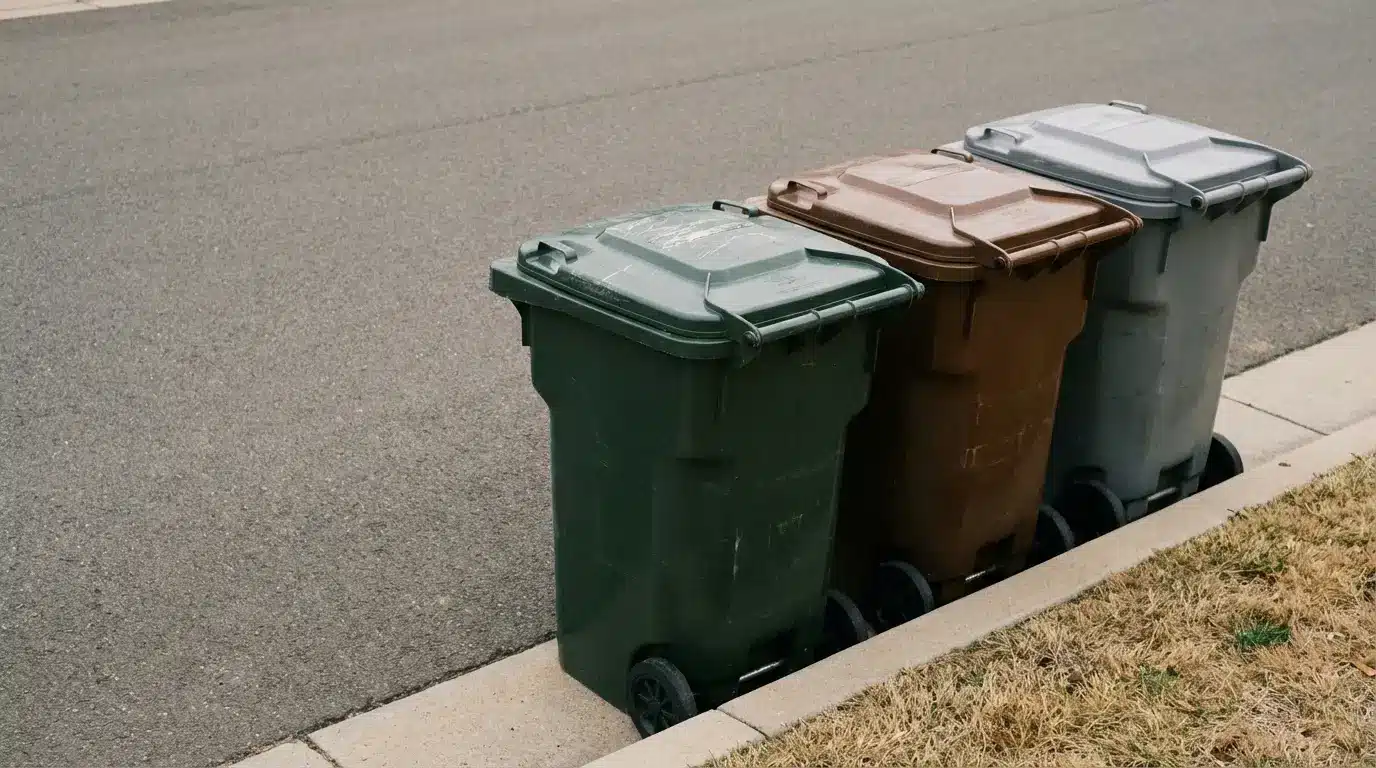
The benefits of a scheduled system do not always show up immediately after it is implemented. They become noticeable when the same issues stop repeating. Over time, the process becomes easier to manage because fewer things go wrong.
Consistency and Reliability
Irregular waste handling feels fine at first. You deal with it as it comes up and move on, but then the problem returns. You might deal with delays, a missed pickup, or any other small issue. They might seem fine on their own, but when they keep happening, trash starts piling up.
A scheduled system can change that. The timing stays fixed, so you are not planning around every few days. You know when things will be cleared, and that removes a lot of small decisions. It also reduces the back-and-forth communication that comes with delays; instead of adjusting your schedule every time something shifts, the process stays steady and reliable.
Improved Hygiene and Cleanliness
When waste sits longer than it should, it changes the environment around it. Odor builds gradually, bins become harder to manage, and surrounding areas start needing more attention. This builds slowly, which is why it often goes unnoticed in the beginning.
Regular removal prevents that buildup. Waste leaves before it reaches the point where it starts affecting the space. This makes the area easier to maintain without needing extra cleaning or effort.
Better Safety and Compliance
Not all waste can be handled the same way. Hazardous materials like needles and blades demand stricter protocols and most US states have specific regulations governing their disposal. For example, Virginia sharps disposal guidelines require sharps to be placed in rigid, puncture-resistant containers (e.g., detergent bottles) labeled “do not recycle”. Certain waste cannot be handled casually, and delays in disposal can create unnecessary risk. By planning ahead and scheduling pickup for dangerous materials, you’re reducing the chances of making a mistake.
Time and Effort Savings
Waste management often takes more time than people expect, and often, small tasks go overlooked. These tasks can be as simple as checking if bins are full, arranging pickups, or adjusting when things overflow. Each of these tasks is minor, but together they take time, effort, and attention.
With a scheduled system, those tasks are reduced. You don’t need to keep checking or planning. The process continues without requiring constant input, which frees up your time and mental energy without changing much else.
Cost Predictability
Cost starts to feel unpredictable when the service itself is not consistent, even if you don’t notice it immediately. But one extra pickup, a delay, or a sudden adjustment can shift what you end up paying. It becomes harder to track what is normal and what is not.
A scheduled setup brings things back to a fixed pattern. You know what to expect because the service doesn’t change over time. There are fewer surprises, and you’re not trying to figure out where the extra cost came from. This clarity helps to make a difference. You are not reviewing charges every time something feels off, because both the system and the costs are steady and predictable.
Environmental Benefits
Waste is easier to manage when it does not pile up unevenly. When pickup happens on time, materials are handled before they start mixing or overflowing. That alone can change how waste moves through the system. Things stay contained, and sorting becomes more practical and manageable.
There is also less buildup between cycles. That means fewer situations where waste sits longer than it should. Once this system is in place, the process becomes easier to manage without needing constant readjustment. That means reliable care for the environment, even when you have an excess of waste.
Fewer Interruptions in Daily Routine
Waste problems often interrupt normal routines. You stop what you are doing to deal with the overflow of trash, and that can interfere with things. You might need to adjust plans because of delays, or spend time fixing something that could have been avoided. These interruptions are not always obvious, but they affect how smoothly things run.
A scheduled system reduces these situations. Waste is handled in the background, so you won’t need to keep dealing with it.
Who Should Try Switching to a Scheduled Waste Disposal Service?
Homes with steady waste output, offices with daily use, and shared spaces tend to see these benefits more clearly because waste builds up at a predictable rate. In places where handling matters more, such as clinics or environments dealing with specific types of waste, specific waste management professionals help prevent serious problems from developing. Even warehouses or properties with limited storage benefit from a fixed schedule because waste can’t sit for too long without disrupting operations.
If you find yourself checking the bins often or adjusting your routine to manage waste, don’t ignore it. That’s a sign that the current system is not working as well as it could, and that you’d likely benefit from professional scheduled trash pickup services.
Final Thoughts
Waste becomes harder to manage when it is handled inconsistently without a proper schedule. It’s not one large issue, but small problems, such as delays, overflow, and last-minute adjustments that keep repeating. A scheduled system doesn’t remove all challenges, but it helps you manage and reduce these situations beforehand. And over time, that makes the entire waste disposal process easier to manage.