I used to think bugs in my garden were just part of the deal, until I saw a whole tomato gutted from the inside. That was it.
I didn’t want to use sprays that smelled like gas or risk hurting the bees and butterflies I worked hard to attract.
So I started figuring out natural pest control for garden problems on my own. I kept things simple, stayed consistent, and over time, my garden changed.
Now it’s your turn to take control. If you’ve been watching your garden struggle and wondering if there’s a safer way, there is.
In this blog, you’ll learn how to stop pests without giving up what makes your garden feel alive.
Why Garden Pests Are Part of a Healthy Ecosystem
When you see bugs in your garden, it can feel like something’s wrong. But that’s not always true. Some pests are a natural part of a healthy garden. They show up because plants give them food and shelter. That doesn’t mean your garden is in trouble.
There’s a big difference between a few bugs and an infestation. A few pests are normal. They’re food for birds, frogs, and other helpful animals. But when there are too many, they can hurt your plants. That’s when you need to take action.
Still, the goal isn’t to wipe out every bug. Trying to kill all pests can hurt the good bugs too. A garden needs balance. When the balance is right, nature often takes care of the problem.
Over time, a healthy garden learns to manage itself. The more life in your garden, the better it can handle pests without your help.
What Natural Pest Control for Gardens Means For Your Space
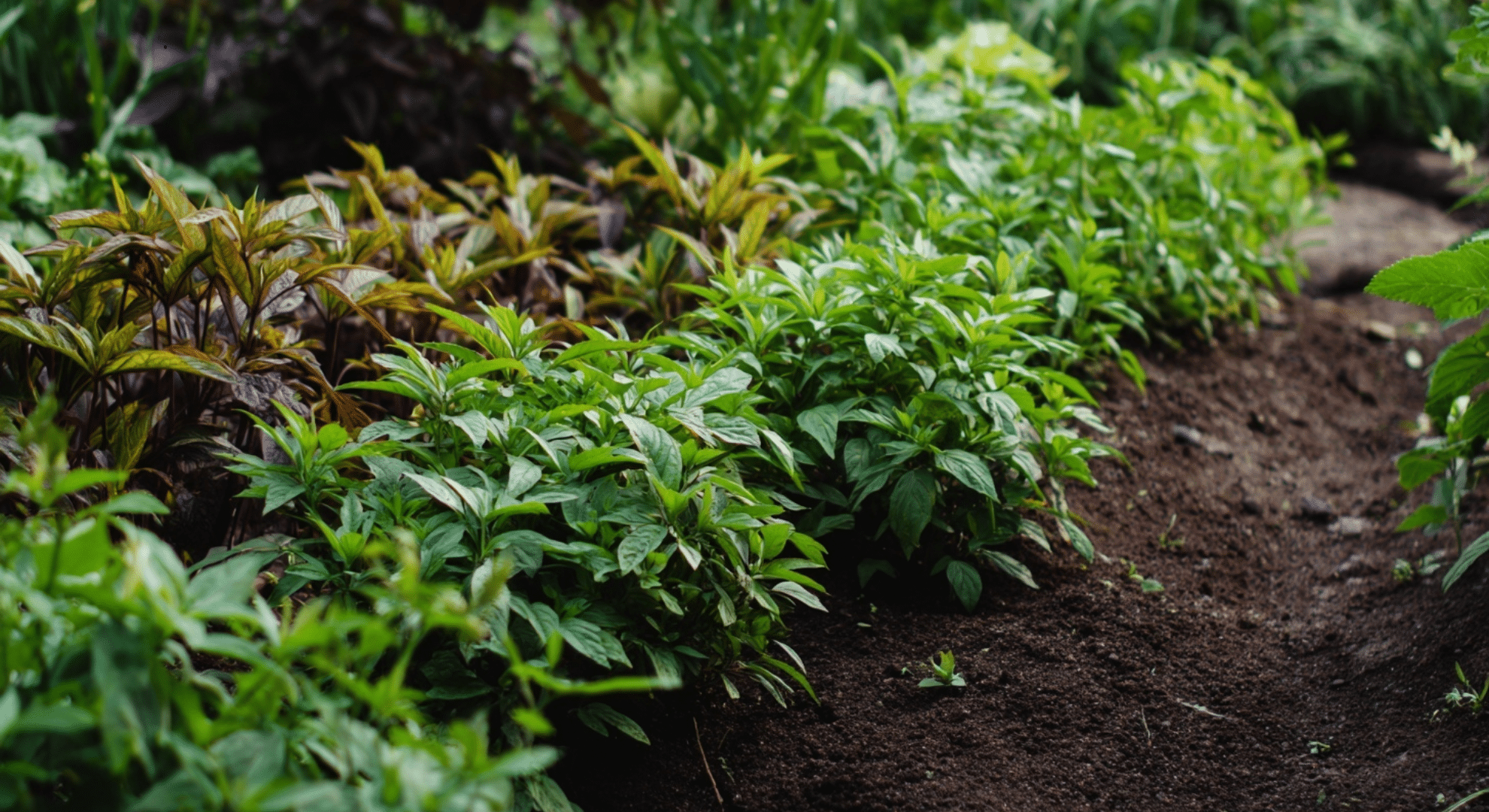
Natural pest control means using safe, non-chemical ways to manage bugs in your garden.
This includes things like letting ladybugs eat aphids, using neem oil, planting strong-smelling herbs like mint or basil, and growing different plants together to confuse pests.
It’s not the same as spraying chemical bug killers. Many chemical sprays don’t just kill the bad bugs, they also hurt bees, butterflies, and helpful insects.
These sprays can also damage the soil and stay on the fruits and veggies you eat.
Natural pest control helps keep the soil full of life. It keeps pollinators safe so your plants can keep making food. It also keeps your garden strong year after year, instead of causing bigger problems later.
Some people think natural pest control doesn’t work. That’s not true. It takes more time and care, but it works with nature instead of fighting it.
Natural methods might not wipe pests out fast, but they help your garden stay healthy in the long run. And that means fewer problems in the future.
Common Garden Pests and What Attracts Them
Before we talk about getting rid of pests, it’s important to understand why they show up in the first place. Most garden pests are drawn to certain conditions.
If you know what attracts them, you can stop many problems before they start. Here are some of the most common garden pests and what brings them in:
1. Aphids
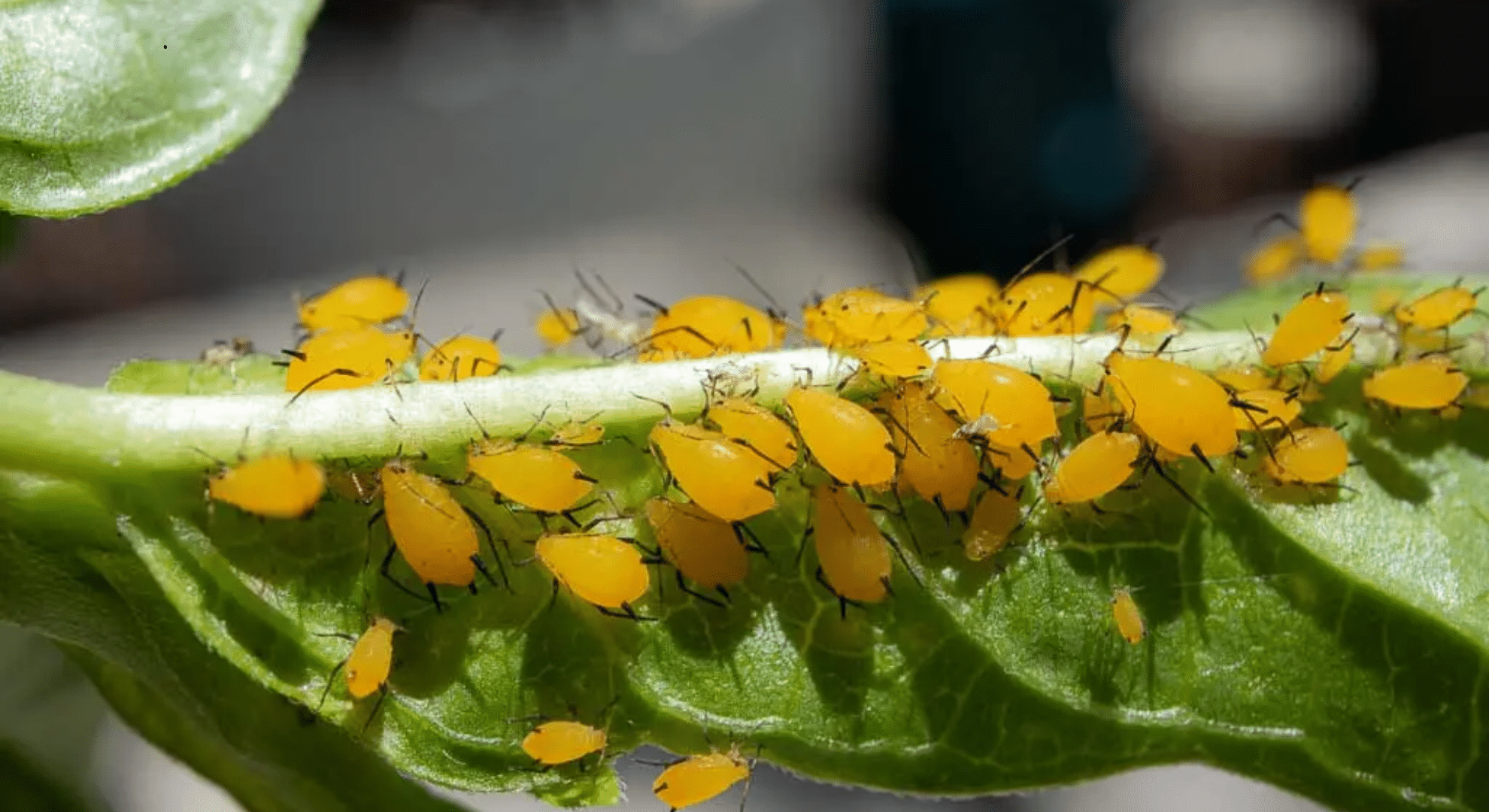
These tiny bugs love soft, new plant growth. They often show up in spring when plants are growing fast.
What attracts them: Too much nitrogen from over-fertilizing, crowded plants, and weak stems.
Early signs: Sticky leaves, curled leaves, and ants walking on your plants (ants “farm” aphids for their sweet waste).
2. Caterpillars
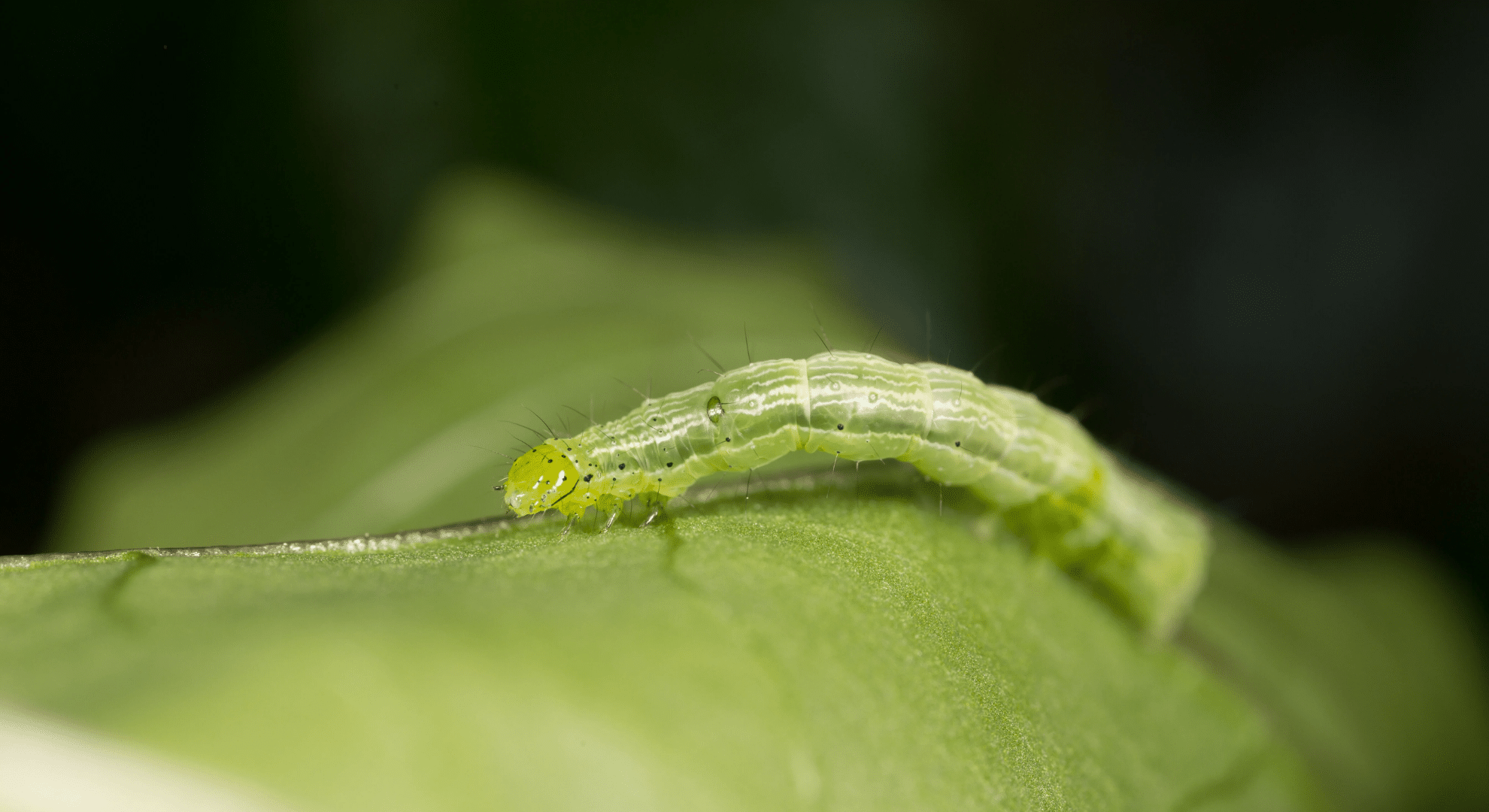
Caterpillars are baby moths or butterflies. They chew big holes in leaves.
What attracts them: Open garden beds without variety, strong-scented leafy greens like cabbage and kale.
Early signs: Small white or yellow eggs on the undersides of leaves, torn leaves, or tiny poop (droppings) around plants.
3. Slugs and Snails
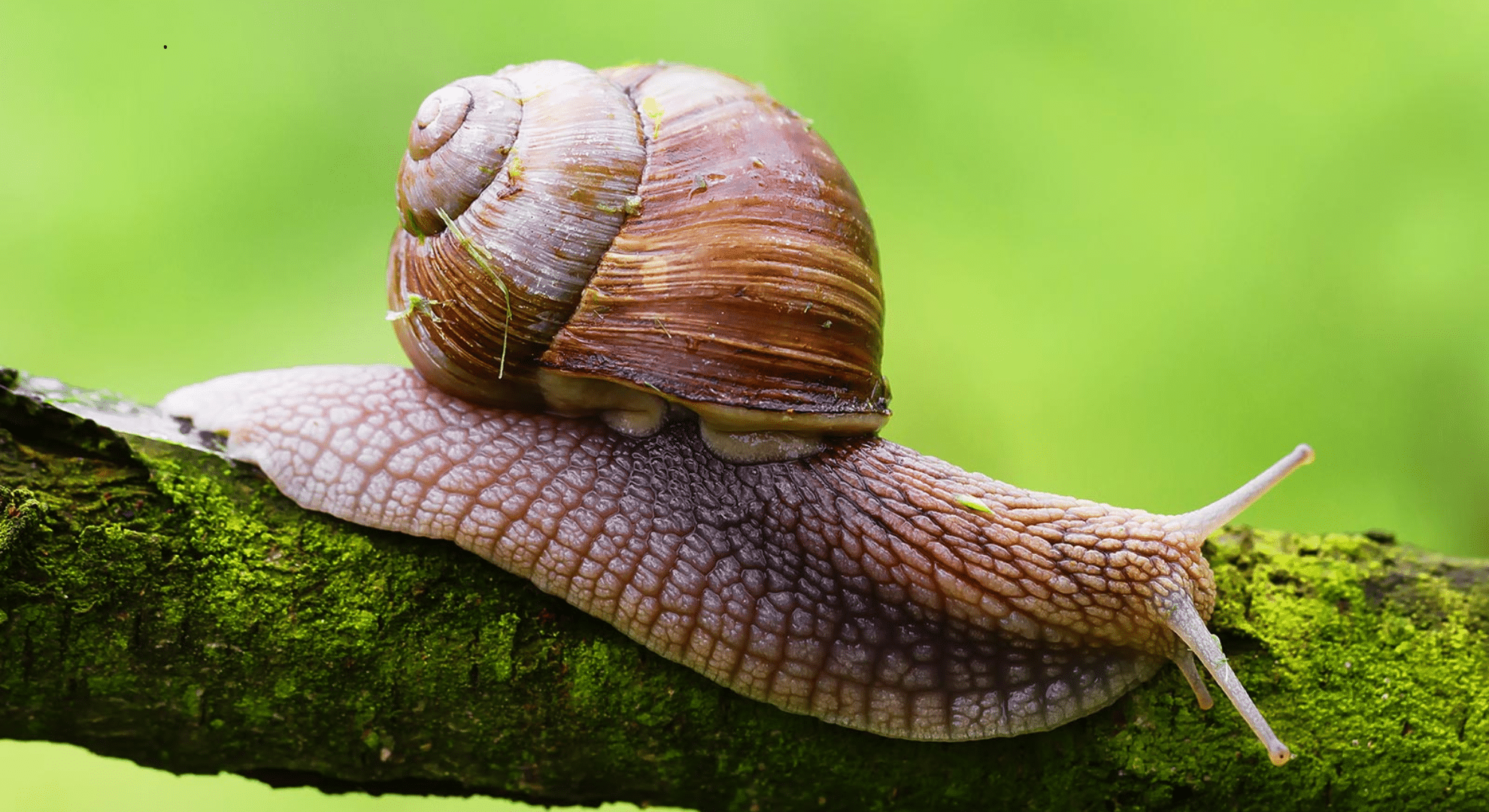
These pests love cool, damp spots. They come out at night or after rain.
What attracts them: Wet soil, thick mulch, overwatered gardens, and low plants with lots of shade.
Early signs: Silver slime trails, chewed leaf edges, and missing seedlings.
4. Spider Mites
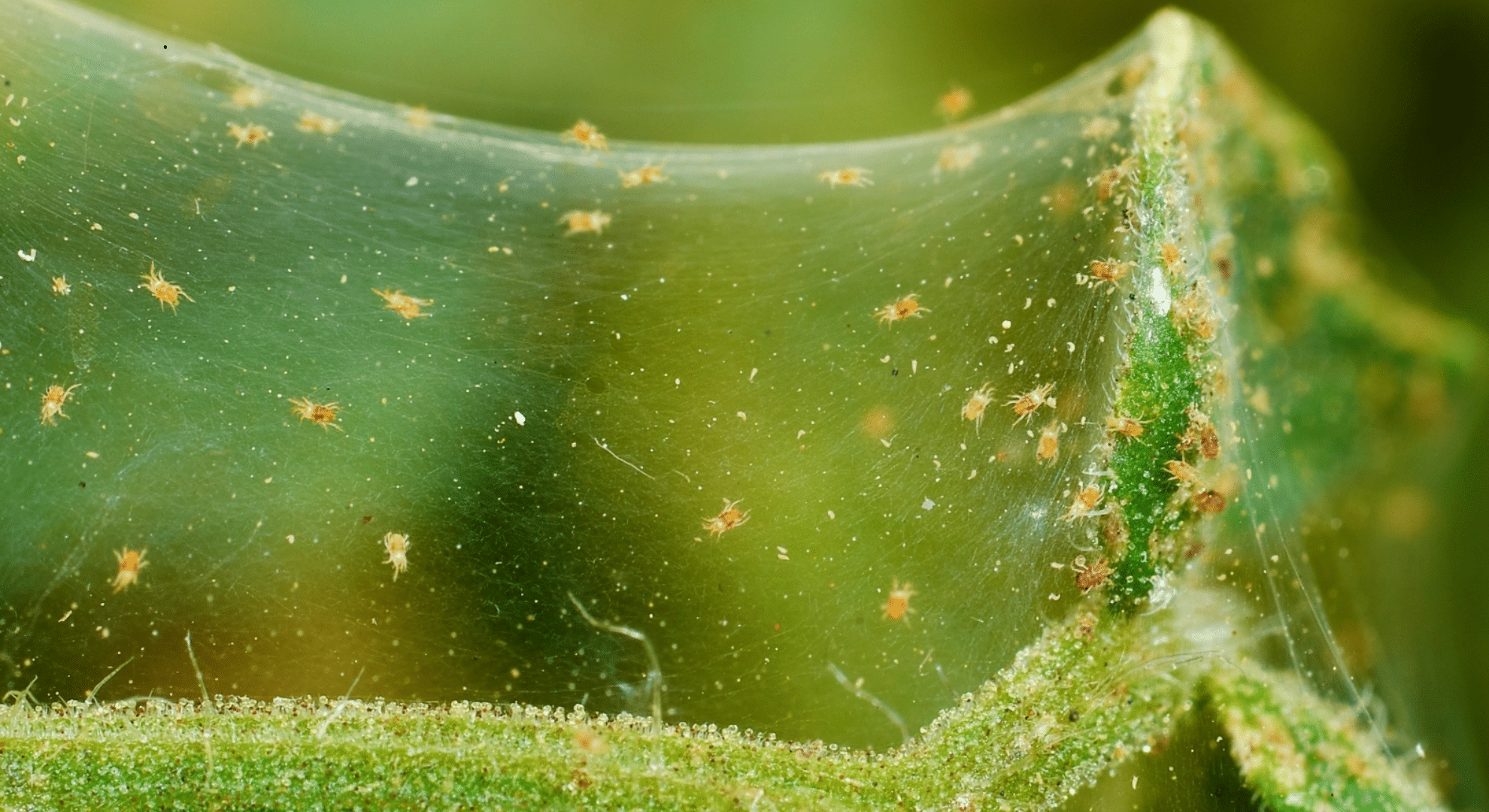
These pests are super small and hard to see at first. They suck juice from leaves, making them dry out.
What attracts them: Hot, dry weather and dusty plants.
Early signs: Tiny yellow or brown dots on leaves, fine webbing under the leaves, and leaves that look speckled or faded.
5. Whiteflies
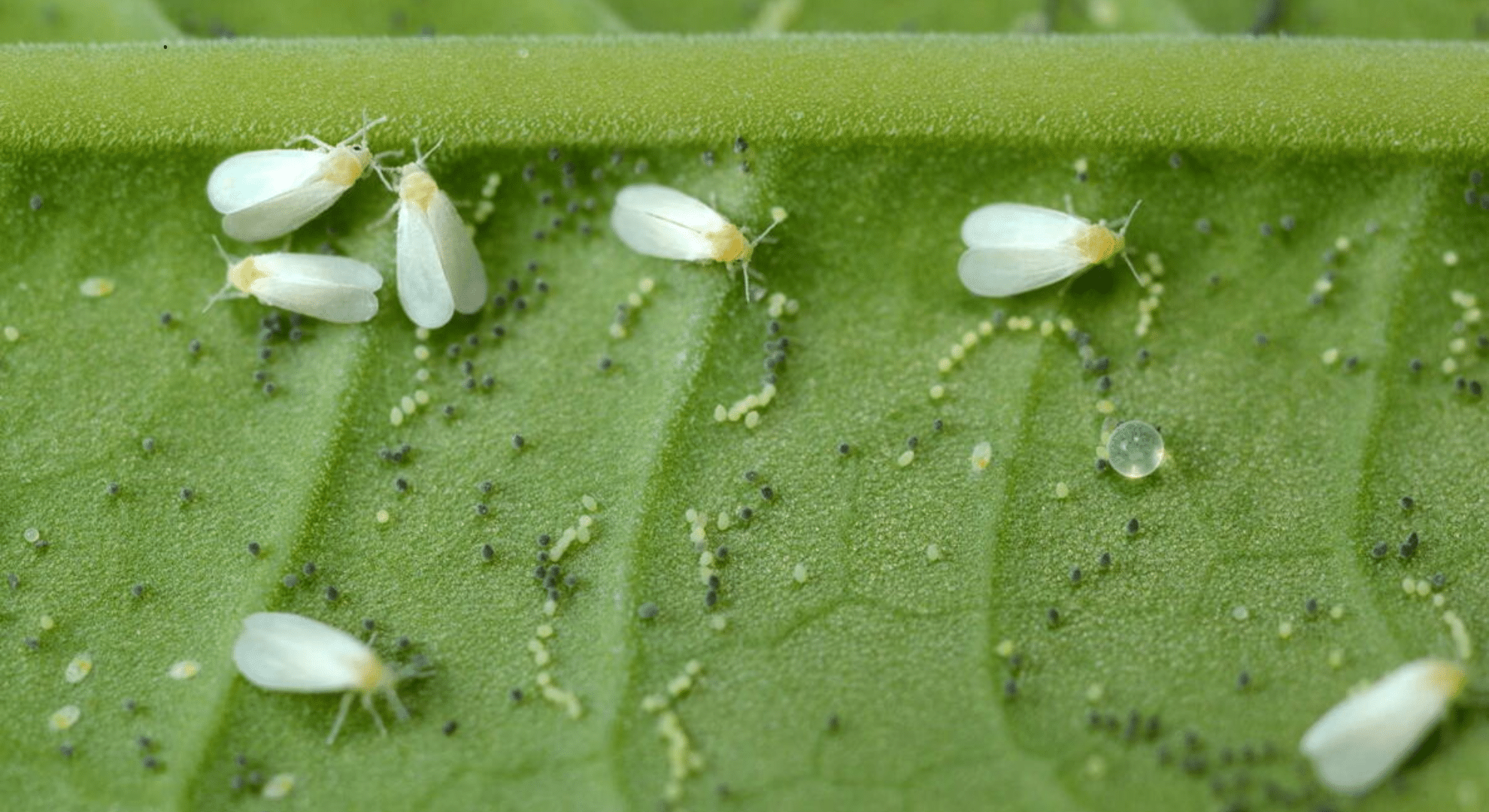
Whiteflies are tiny flying bugs that feed on the bottom of leaves.
What attracts them: Overcrowded plants, warm air with poor airflow, and weak plants.
Early signs: Clouds of tiny white bugs flying when you shake the plant, sticky leaves, and yellowing leaves.
Learning what draws pests in and spotting the early clues can help you act fast—before things get out of hand. A garden that gets regular care and attention is less likely to be overrun by bugs.
Natural Pest Control Methods That Support Garden Balance
Keeping your garden healthy doesn’t mean wiping out every bug. It means finding balance. Natural pest control works with nature, not against it. These methods help your garden stay strong without harsh chemicals:
Companion Planting
Certain plants naturally protect others. This happens when strong scents confuse bugs, or when one plant attracts pests away from another. You don’t need sprays, just smart planting.
Plants that repel pests:
- Basil: keeps mosquitoes and flies away
- Marigolds: fight off aphids and nematodes
- Mint: confuses cabbage moths and ants
- Chives and garlic: block mites and aphids
- Rosemary: helps against carrot flies and caterpillars
Trap crops and decoy plants:
- Nasturtiums: pull aphids and caterpillars away from other crops
- Radishes: distract flea beetles
- Mustard greens: attract bugs that would eat cabbage
Placement tips for best results: Mix plants that repel pests right into your garden beds. Put decoy plants a little distance away, so pests go for them first. Avoid planting big blocks of one crop, mix things up to keep bugs confused.
Physical Barriers
Barriers don’t kill pests; they keep them out. These easy tools work well and don’t hurt pollinators or helpful insects.
Row covers are light sheets that keep out bugs while letting air and light in. Use them right after planting. Insect netting has finer holes and stops tiny pests like whiteflies and aphids. Just make sure it’s tight around the edges.
Paper or plastic collars stop cutworms from chewing stems. Mesh cages protect single plants from birds or larger pests like squirrels.
Remove covers once your plants start to flower. Bees and butterflies need to reach the blooms for pollination. You can put the covers back on later if pests become a problem again.
Helpful Bugs and Animals
Not every bug is bad. Some are actually your garden’s best workers. They eat harmful pests and help keep everything in balance. Birds and frogs help too, they’re like tiny garden guards.
- Ladybugs: eat lots of aphids, mites, and tiny bugs
- Lacewings: their babies are pest-eating machines
- Parasitic wasps: super small but deadly to caterpillars and beetles
- Birds: hunt for caterpillars, beetles, and grubs
- Frogs and toads: love eating slugs, snails, and flies
To bring in more of these helpers, grow flowers like yarrow, dill, and sweet alyssum. These give food to good insects. Add a small birdbath or leave out a dish of water for frogs. Plant native bushes to give birds a place to rest.
Be careful with sprays, even ones made from plants. They can still hurt your helpers. Spray only when needed, and only on the leaves that pests are attacking.
If you spray everywhere, you might chase away the bugs and animals that were helping you in the first place.
Letting nature help you manage pests isn’t just safer. It makes your garden stronger and smarter. Over time, you’ll need to step in less, and your plants will be healthier. That’s real garden success.
Natural and Organic Pest Control Sprays
Sometimes pests need a bit more than traps and barriers. That’s where natural sprays come in. These sprays aren’t as harsh as chemical ones, but they still need to be used the right way.
If used incorrectly, they can hurt your plants or scare off helpful bugs. Here’s how to use the most common natural sprays safely and smartly:
Neem Oil
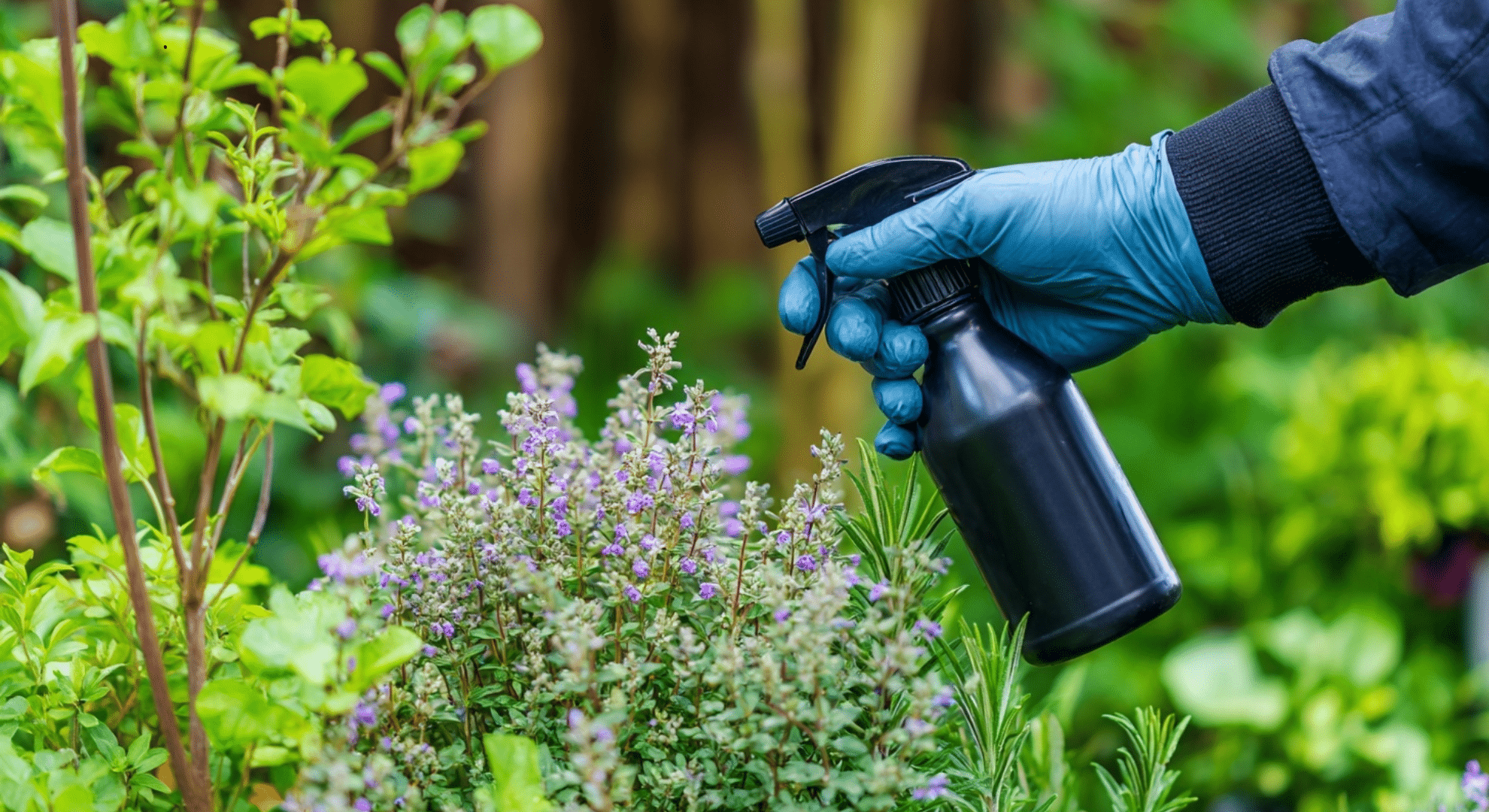
Neem oil is made from the seeds of the neem tree. It doesn’t kill bugs on contact. Instead, it messes with their life cycle. It stops them from growing, laying eggs, or eating.
How neem works: It covers pests and blocks their hormones. They stop feeding, slow down, and eventually die. It works best on young bugs like aphids, whiteflies, and spider mites.
Proper dilution: Always mix neem oil with water and a little bit of mild soap (this helps it stick). Most store-bought neem oils give the correct amount to mix. Don’t guess, too much can burn your plants.
Timing and frequency: Spray in the early morning or late evening, never in strong sunlight. Once a week is usually enough. Always test it on a few leaves first.
When to avoid spraying: Don’t spray when bees are active. Avoid spraying flowering plants during the day. Also skip spraying during heatwaves or right before rain.
Insecticidal Soap for Soft-Bodied Pests
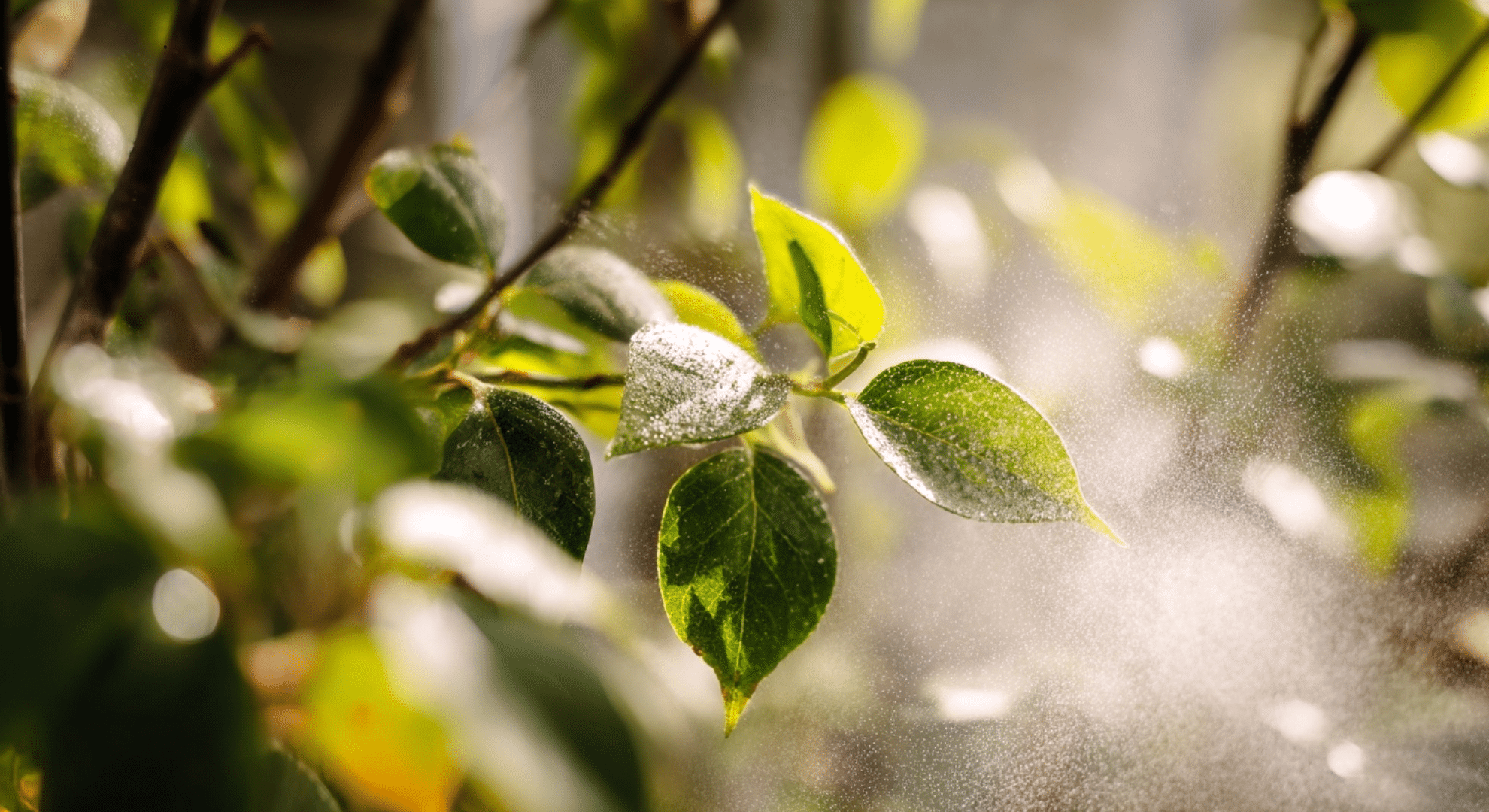
This spray is simple: it’s just soap and water. But it can be powerful against soft bugs.
Target pests: Aphids, mealybugs, spider mites, and whiteflies. These pests have soft bodies, and the soap breaks down their outer layer.
Application tips: Spray directly on the bugs, especially the underside of leaves. Don’t just spray the air around the plant. Reapply every few days if needed.
Risks to beneficial insects: Soap sprays can hurt ladybugs and lacewings if sprayed on them. Only spray where pests are. Don’t soak the whole plant unless you have to.
Garlic and Chili Sprays as Repellents
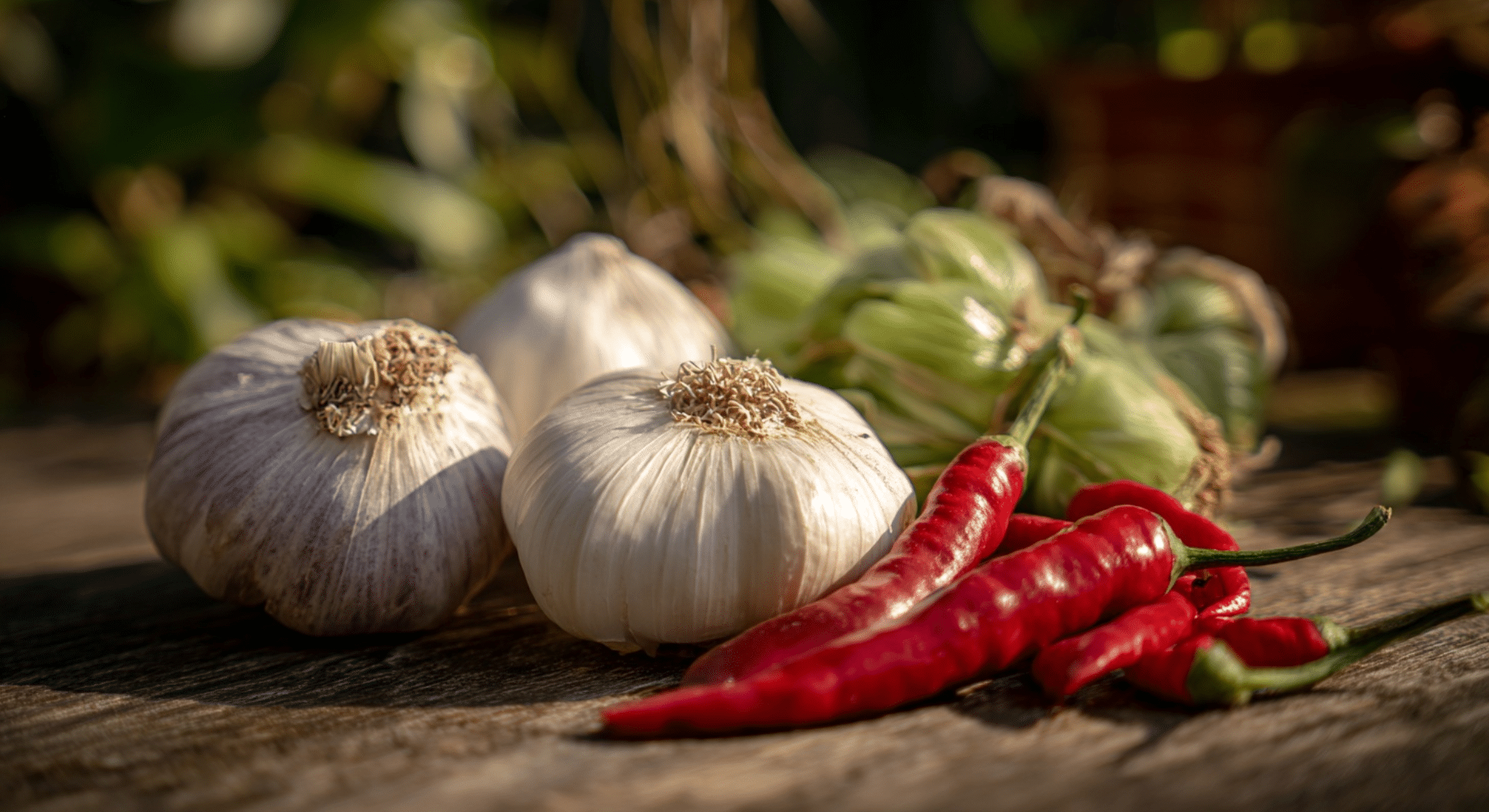
These sprays don’t kill bugs; they chase them off. Strong smells like garlic and hot pepper confuse or scare pests.
What they deter: Aphids, beetles, and some moths and animals (like rabbits or squirrels).
What they don’t kill: These sprays won’t kill bugs already on your plants. They work better as a shield to keep pests away.
Plant sensitivity warnings: Some plants don’t like these sprays. Leaves might turn yellow or curl. Test it first on a small section and wait 24 hours.
Vinegar and Baking Soda
A lot of people suggest vinegar or baking soda as easy garden fixes. But they can do more harm than good if used the wrong way.
Why vinegar can damage plants: Vinegar is very acidic. It doesn’t just kill weeds; it can burn the leaves of any plant. Even watered-down vinegar can harm soil life.
Situations where it causes harm: Spraying vinegar on a windy day? You might burn nearby plants by accident. Using it often can hurt your soil and make it hard for things to grow.
Safer natural alternatives: Instead of vinegar for pests, try neem oil or garlic spray. For mildew or fungus, a small amount of baking soda mixed with water can help, but only if you follow a recipe and test first. For weed control, pulling by hand or using mulch is much safer.
Even natural sprays need caution. Always test on a small part of the plant, avoid spraying in the heat, and protect the good bugs.
Just because it’s natural doesn’t mean it’s always safe. Smart, careful use is what keeps your garden strong and your plants happy.
Natural Powders and Biological Controls Explained
Some garden problems need more than sprays. Natural powders and tiny living helpers can offer strong support if used the right way. One common powder is diatomaceous earth.
It’s made from crushed fossils and feels soft to us but sharp to bugs. When insects crawl over it, it scratches their bodies and dries them out. It works best on dry soil and dry leaves, so avoid using it right before rain.
Sprinkle it at the base of plants or wherever you see crawling bugs like slugs, ants, or beetles. But be careful, it can also hurt helpful bugs like bees and ladybugs, so don’t use it near flowers.
Another option is BT (Bacillus thuringiensis) and Spinosad. These are natural bacteria that target certain pests. BT works well on caterpillars, while Spinosad helps with thrips and beetles.
Both are allowed in organic gardening, but they should only be used when needed. They can still harm helpful insects, so use them carefully and only when other methods fail.
Pest-Specific Natural Solutions
Different pests need different plans. Here’s a clear analysis of what works best, what else you can try, and what to avoid, so you don’t hurt your garden while trying to save it:
| Pest | Best Natural Method | Backup Option | What to Avoid |
|---|---|---|---|
| Aphids | Insecticidal soap spray | Blast with water from a hose | Harsh chemical sprays that harm good bugs |
| Caterpillars | Hand-picking in early morning | Neem oil or BT spray | Broad sprays that harm butterflies |
| Slugs & Snails | Copper tape or beer traps | Diatomaceous earth around plants | Using salt it ruins soil and hurts other life |
| Spider Mites | Spray water to raise humidity | Insecticidal soap or neem oil | Dry, dusty conditions |
| Whiteflies | Yellow sticky traps | Neem oil or insecticidal soap | Crowded plants and poor airflow |
Using the right method for the right pest saves time and avoids harming your garden. Always start with gentle options.
Watch your plants closely, treat early, and avoid spraying just because you see bugs, many of them are helping more than hurting.
How to Prevent Pest Problems Naturally Over Time
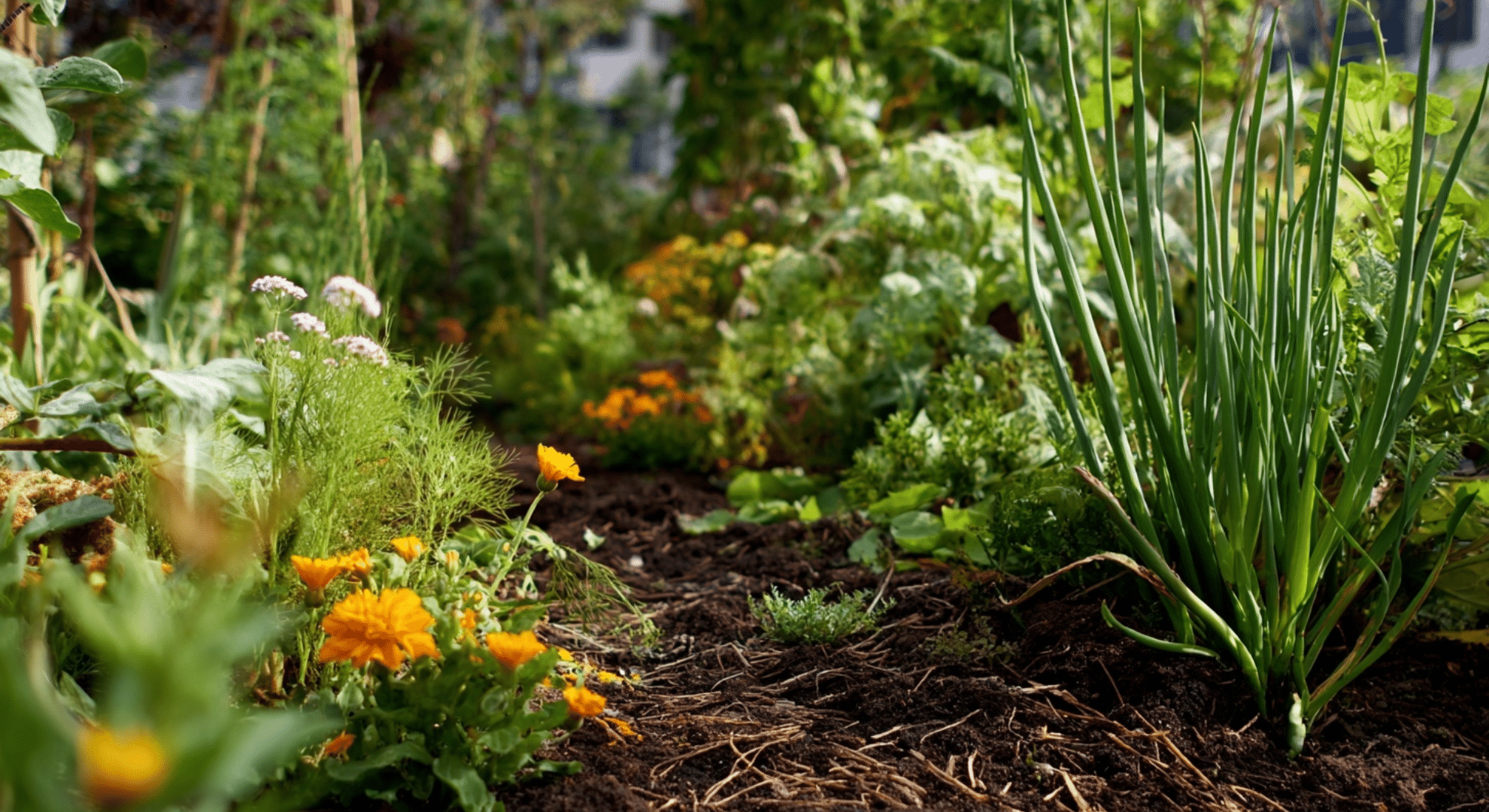
The best way to handle pests is to stop them before they show up. Healthy gardens are less likely to get overwhelmed. It all starts with good soil.
Healthy soil helps plants grow strong, which makes them harder for pests to attack. Adding compost gives your soil nutrients and feeds helpful microbes that protect roots.
Rotate where you grow your crops each season; crop rotation keeps pests from building up in one spot. Plant diversity is also key. Mix different plants together so pests can’t find their favorite food easily.
Water the right way; deep but not too often. Overwatering can invite slugs and fungus, while dry plants get weak and stressed. Finally, check your garden often.
Regular monitoring helps you catch small problems before they grow big. Look under leaves, check for damage, and notice changes early.
With steady care, you won’t need to rely on sprays. You’ll be building a garden that protects itself, one season at a time.
Common Mistakes That Make Natural Pest Control Fail
Natural pest control works best when you use it the right way. But sometimes, small mistakes can lead to bigger problems. These slip-ups can hurt your garden more than help it:
- Using natural sprays too often, even when pests aren’t causing real damage
- Spraying during the day when pollinators like bees are active
- Forgetting to test sprays on a few leaves before using them everywhere
- Killing helpful bugs like ladybugs, lacewings, and parasitic wasps by accident
- Ignoring early signs of pests like chewed leaves, sticky spots, or tiny eggs
- Treating symptoms (like yellow leaves) without checking the real cause
- Not improving the garden’s overall health, poor soil and overcrowded plants invite pests back
To avoid these mistakes, be gentle and alert. Focus on long-term balance, not just quick fixes. A calm, steady approach leads to a stronger garden and fewer pest problems over time.
Conclusion
I didn’t fix my pest problems overnight. But once I started using natural methods, I noticed a shift: fewer chewed-up leaves, more helpful bugs sticking around, and a garden that felt alive in the right way.
Learning natural pest control for garden care wasn’t just about stopping pests; it was about working with nature, not against it.
Now think about your garden. What’s one thing you can try today? Maybe planting a helpful flower, or skipping that chemical spray.
Here’s a tip: observe more than you react. Nature usually tells you what it needs.
If this clicked with you, go check out the other blogs on the website for more!