Cozy kitchen opening toward a backyard garden with herbs, baskets, and natural light
There’s something deeply satisfying about bringing the outdoors into everyday life. Maybe it starts with a few herbs near the window. Maybe it grows into raised beds, tomato plants, edible flowers, or a backyard that slowly becomes part of how you cook and gather. However it begins, garden-to-table living is rarely just about what you plant. It’s also about whether your home, especially your kitchen, is set up to support that lifestyle.
A kitchen connected to the rhythms of homegrown cooking feels different. It welcomes produce that arrives with dirt still clinging to the stems. It gives you space to wash, sort, chop, store, and cook fresh ingredients without turning the whole room upside down. It understands that seasonal living is beautiful, but it can also be messy. And when the design embraces that reality, the kitchen becomes one of the most rewarding spaces in the house.
One of the most valuable features in this kind of home is a strong indoor-outdoor flow. That doesn’t necessarily mean large custom doors or a dramatic renovation. Sometimes it simply means easy access to the garden, a practical path for bringing in harvest baskets, or a layout that makes the transition from outside to sink feel smooth. When herbs, greens, or vegetables come in from the yard, you want the kitchen to support that movement naturally. The less awkward the journey, the more likely you are to use what you grow.
The sink zone becomes especially important in a garden-friendly kitchen. Fresh produce needs rinsing, soaking, trimming, and sorting. A well-designed sink area with nearby counter space makes this process much more enjoyable. If you have to carry muddy greens across the room or balance rinsed herbs in an already crowded corner, even simple harvests start to feel like extra work. But when the prep flow makes sense, those same ingredients feel like a gift.
Homeowners exploring kitchen remodeling Sacramento ideas often focus on style first, but for anyone who cooks with homegrown ingredients, function should lead. Think about where the colander sits, where the cutting boards live, and whether there’s enough landing space to deal with a basket full of basil, zucchini, or cherry tomatoes. A visually beautiful kitchen matters, of course, but it becomes far more meaningful when it supports the way you actually live.
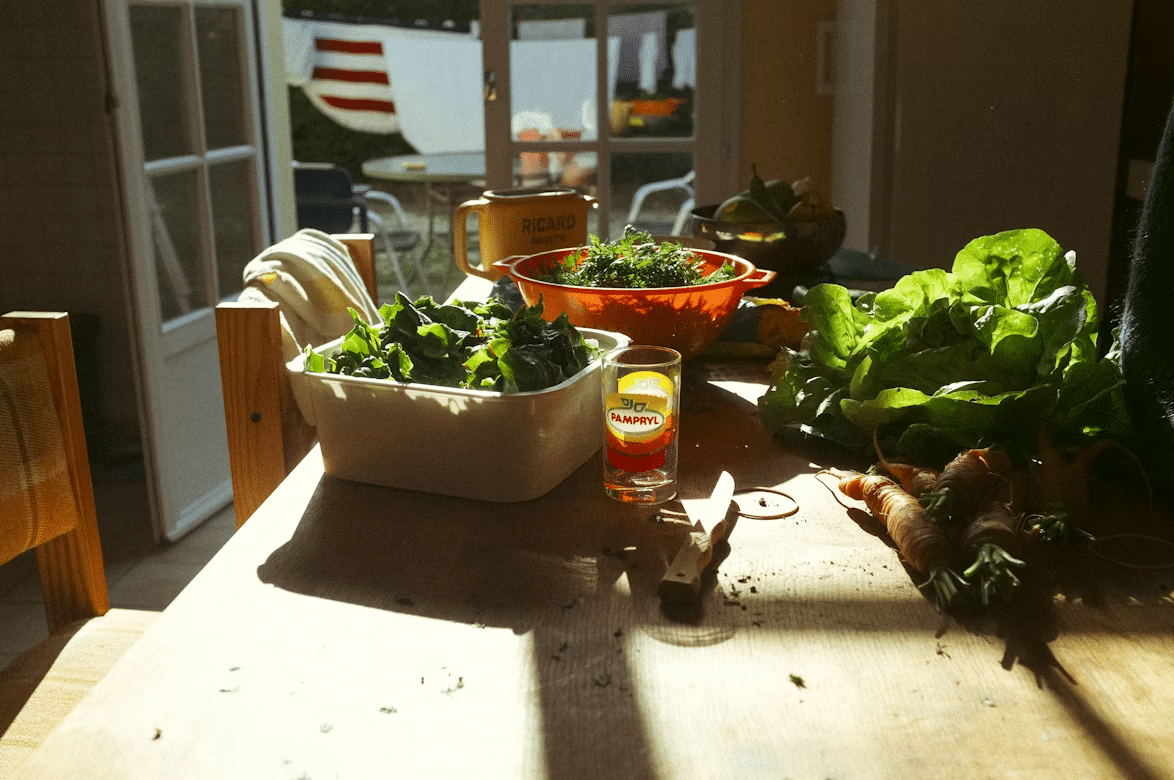
Fresh herbs, tomatoes, and garden vegetables spread across a spacious kitchen island
Storage matters here too, especially if your kitchen serves as a bridge between gardening and cooking. Deep drawers for produce bowls, accessible shelves for preserving jars, and a pantry that can hold homemade sauces, dried herbs, or seasonal ingredients all make a difference. Garden-to-table living creates its own kind of abundance, and the kitchen should be ready for it. You want room for the practical realities of harvest season, not just the polished version seen in photos.
Countertops are another key part of the experience. If you regularly cook from fresh ingredients, prep space is everything. You need room to strip herbs from stems, sort peppers by size, wash lettuce, or lay out ingredients for a simple meal that began outside. An island or an extended run of counters can completely change how enjoyable this feels. Instead of working around clutter, you can work with the ingredients. That shift may sound small, but it transforms the energy of the room.
Materials should support a lived-in, nature-connected home as well. Durable surfaces, forgiving floors, and finishes that don’t demand constant perfection are especially useful when the kitchen receives frequent traffic from garden to home. You don’t want to panic over every dropped leaf, damp shoe, or splash of soil-tinted water. A good kitchen helps you clean up easily and keep moving. It should make gardening feel more integrated into home life, not like something you have to contain.
Natural light also plays a beautiful role. Bright kitchens make produce look better, encourage indoor herbs, and create a stronger visual connection to the yard. Even on ordinary days, a light-filled kitchen feels more alive. It reminds you that food is seasonal, that growing things takes patience, and that the home can be both practical and nurturing at once. For many people, that’s the real dream, not just renovation for its own sake, but a home that feels connected to the world outside its walls.
This is also where design can quietly support sustainability. A kitchen built for fresh ingredients, efficient storage, and easy prep often encourages less waste. You’re more likely to cook what you pick, store things well, and stay engaged with your ingredients when the room helps rather than hinders. Good design doesn’t need to preach. It simply makes better habits feel easier to follow.
I also love when kitchens create small spaces for ritual: a sunny corner for potted herbs, open shelving for ceramic bowls, hooks for garden baskets, or a bench nearby where harvest can rest before dinner starts. These details carry warmth. They make the kitchen feel like an extension of the garden rather than a separate, sealed-off room. That connection is what gives a home its personality.
If you’re thinking about creating a more functional and beautiful bridge between your kitchen and the rest of your living space, GVD Renovations is a brand worth knowing. The right renovation isn’t only about new finishes. It’s about creating a room that supports the meals, routines, and homegrown moments you want more of.
A kitchen that works well with the garden doesn’t have to be perfect. It just needs to be generous in the right ways, with light, with space, with flow, and with storage that reflects real life. When those details come together, cooking from what you grow becomes less of an effort and more of a natural extension of home.
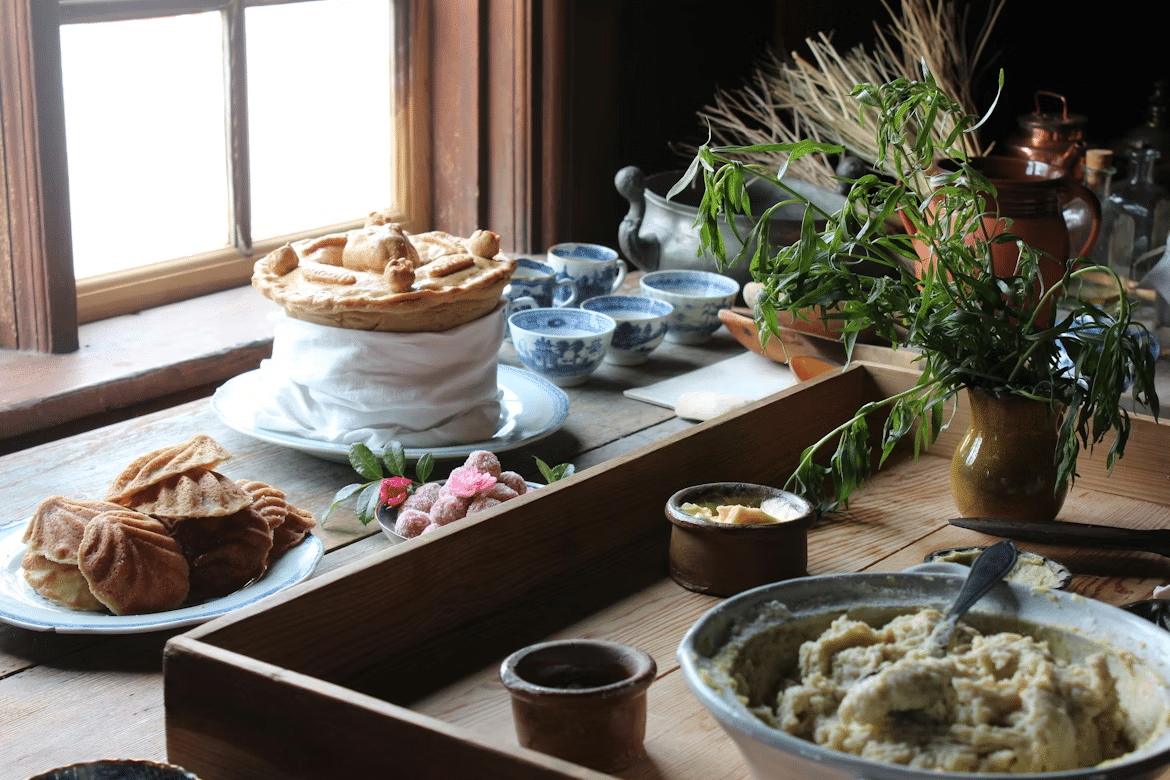
Garden-to-table dinner preparation in a warm kitchen with herbs, cutting boards, and open windows