I still remember the first time I heard scratching inside my wall late at night. At first, I brushed it off. Then the sounds kept coming back.
That is when I realized something was living where it should not be.
If you are searching for how to get rid of mice in walls, you likely feel the same mix of stress and confusion I did. The short answer is yes, it can be fixed, and you do not have to tear your house apart.
In this guide, you will learn how mice get inside walls, why they stay there, and what actually works.
You will also see clear steps you can take right now to stop the noise, limit damage, and keep them from returning.
Why Mice in Walls Are More Common Than You Think
If you’ve ever heard scratching or tiny footsteps behind your walls, you’re not alone. Mice living in walls is actually way more common than most people think.
Walls are like secret tunnels for mice. They feel safer there. Out in the open, they could get spotted by people or cats. Inside walls, though? Quiet, dark, and protected. A perfect hiding place.
Mice often sneak into homes when the seasons change, especially in fall and winter. They’re not trying to scare you. They just want warmth, food, and a dry place.
Most people hear mice before they ever see one. That’s because mice are sneaky. They come out when it’s dark and quiet, and they’re quick.
Online, tons of people say the same thing: “I hear them at night but never see them!” That’s no surprise. Mice are experts at hiding.
So if you think you might have mice, you probably do.
How to Get Rid of Mice in Walls Without Making the Problem Worse
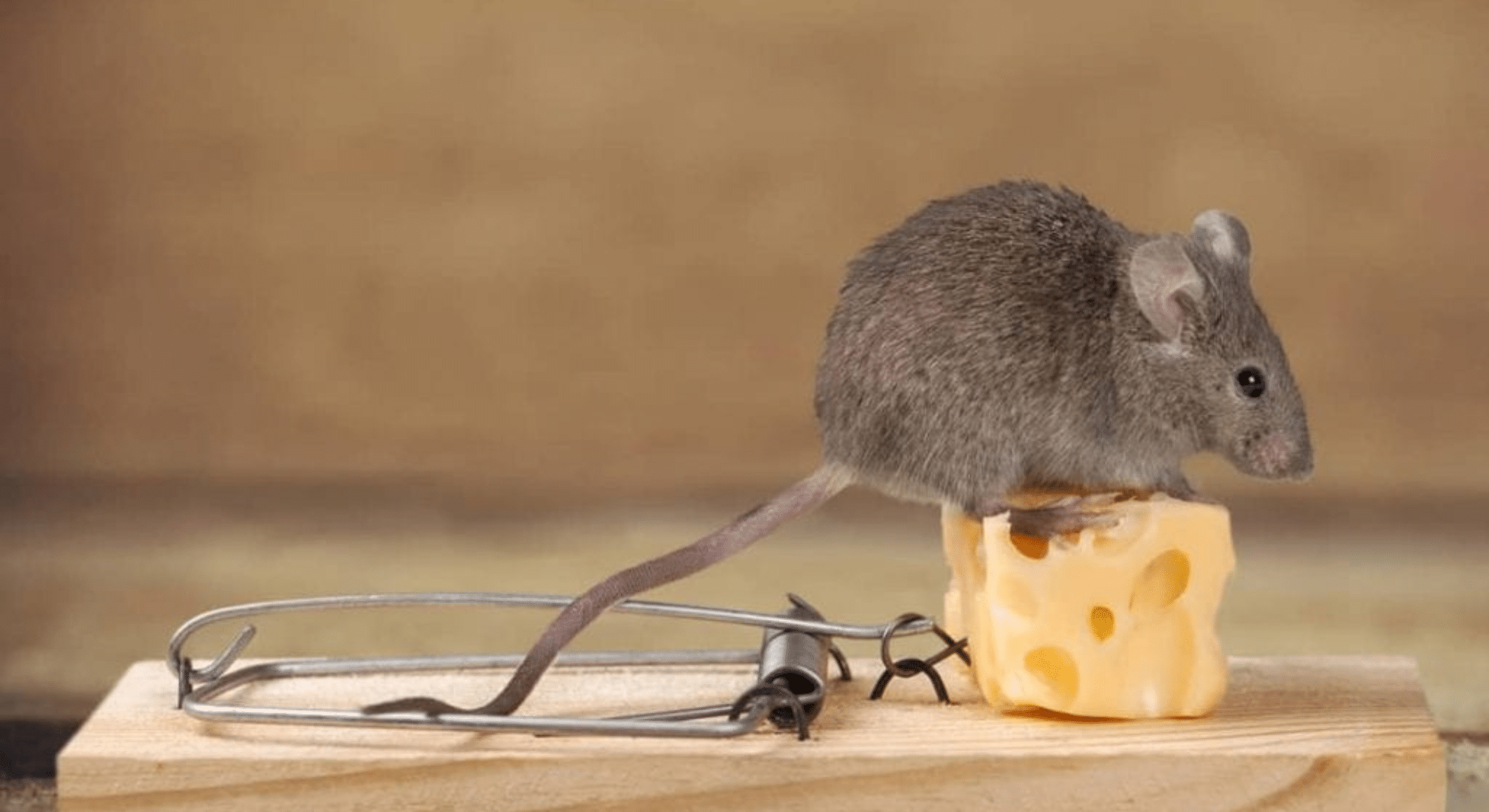
Getting rid of mice in your walls isn’t just about setting traps. The order you do things in really matters. If you rush, you could make things worse.
When people panic, they often seal holes too soon. That traps mice inside the walls. What happens next? The mice die in there. Then you get smells that last for weeks.
Others set poison first. That sounds easy, but it backfires. Poisoned mice often crawl deep into walls before they die. You’ll never reach them. And again—the smell is awful.
The smartest move? Go slow. Figure out how mice are getting in. Then plan.
People who’ve been through it say they wish they had:
- Found entry points first
- Used traps before sealing
- Waited to close up holes until sure all mice were gone
So don’t rush. A calm plan works better and saves you from gross surprises later.
Signs Mice Are Living Inside Your Walls
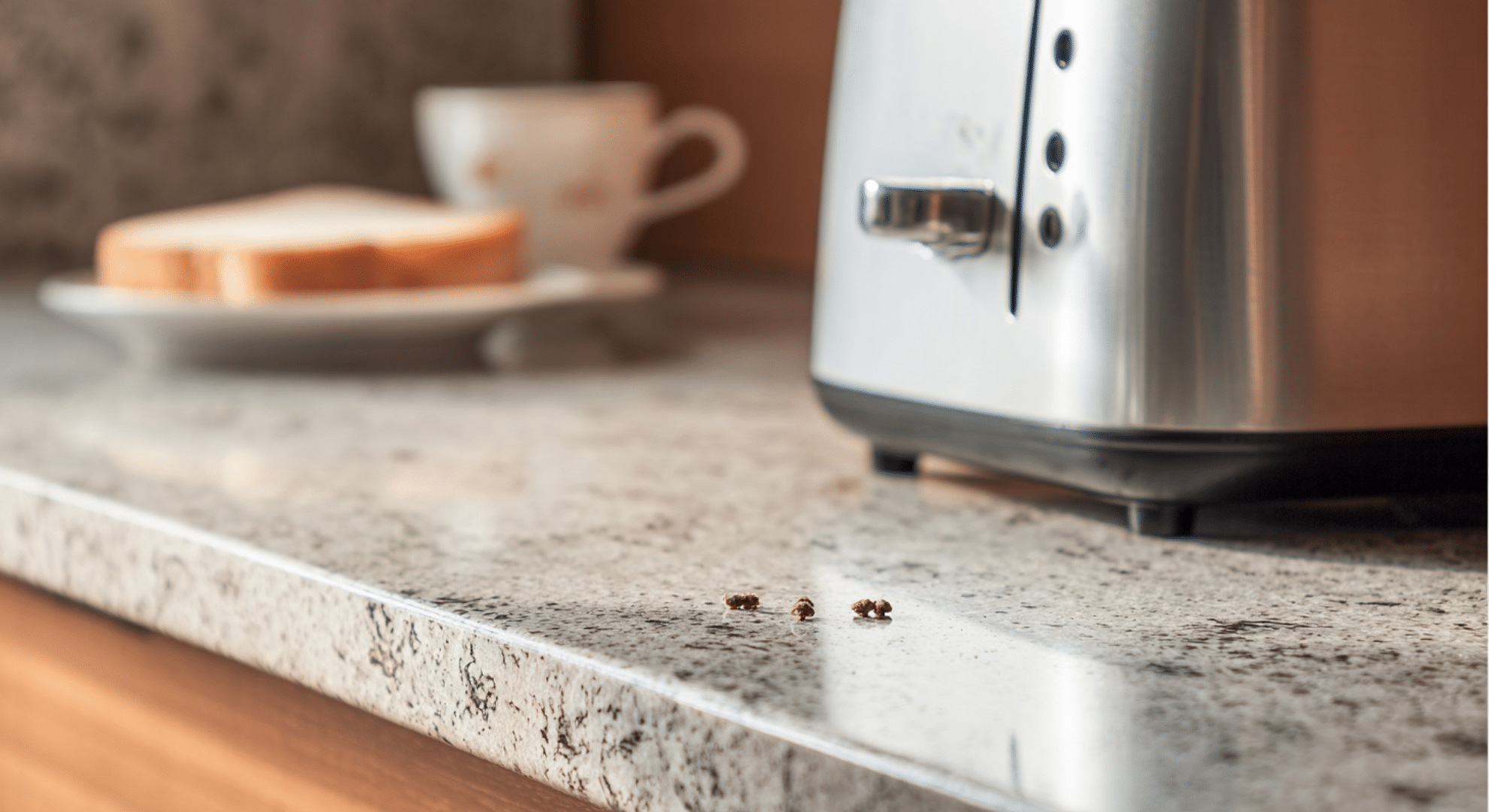
You might not see mice, but you can still know they’re there. Mice leave signs, if you know what to look (and listen) for.
Here are the most common signs:
1. Scratching or Running Sounds
It often starts with light scratching. You might hear tiny feet running inside your walls, especially near the floor or ceiling.
These sounds are usually fast and quiet, like something moving quickly through tight spaces.
2. Noises at Night
Mice are more active when it’s dark. Many people say they hear squeaking, gnawing, or movement just after they go to bed.
If your house is quiet and you start to hear odd sounds late at night, it could be mice.
3. Droppings in Strange Places
Look in the back of kitchen drawers, behind appliances, or in your basement.
If you find small dark droppings in places where no one goes often, that’s a red flag. One or two might not seem like much, but mice don’t leave “just one.”
4. Smells That Come and Go
Some people notice a weird smell they can’t explain. It might be musty, or like something sour.
If it’s stronger in one part of the house, especially near a wall or vent, that might mean mice are nearby. If a mouse dies in the wall, the smell will come and go depending on the time of day or temperature.
5. Homeowner talking about hearing scratching in the walls
A condo owner shares that they only heard scratching in a wall behind a cupboard every night, but couldn’t find any direct evidence of mice until investigating further.
Homeowners on Mumsnet talk about mice living in walls, trying different methods (like repellents and traps), and the frustration of smells and noises in the wall spaces. Users share experiences including bad smells when mice die inside walls and the struggle to get rid of them once they’re inside cavity spaces.
These kinds of discussions match what many people report: hearing noises they first assume are something else (like pipes or pets) and noticing unexplained smells or signs only after they realized they had mice in the walls.
Common Mistakes People Make When Dealing With Mice in Walls

Many people try poison first because it seems easy. But when mice eat poison inside walls, they often die out of reach. That means you get rotting smells that linger for days or weeks, and you still can’t retrieve the carcass without cutting into your walls.
Experts warn that this is one of the top mistakes because it leads to foul odors and extra work later.
Some homeowners rush to plug up every gap once they think mice are gone. If any are still inside, sealing holes traps them. That again leads to decay and stinks inside walls. The smarter order is evict first, seal later.
Mice repellents (like smells or ultrasonic devices) are often used as the only strategy. Many sources note that repellents don’t solve the root problem and mice can ignore or get used to them.
Traps work if placed where mice actually travel. People often set traps in open rooms instead of along baseboards and entry paths, where mice run. Incorrect trap placement reduces captures and lets the infestation continue behind the scenes.
Real homeowner advice from forums and Reddit threads echoes these mistakes all the time: poison leads to mystery smells, sealing too soon locks mice inside, repellents don’t finish the job, and poorly placed traps hardly catch anything.
Plan to Get Mice Out of Your Walls
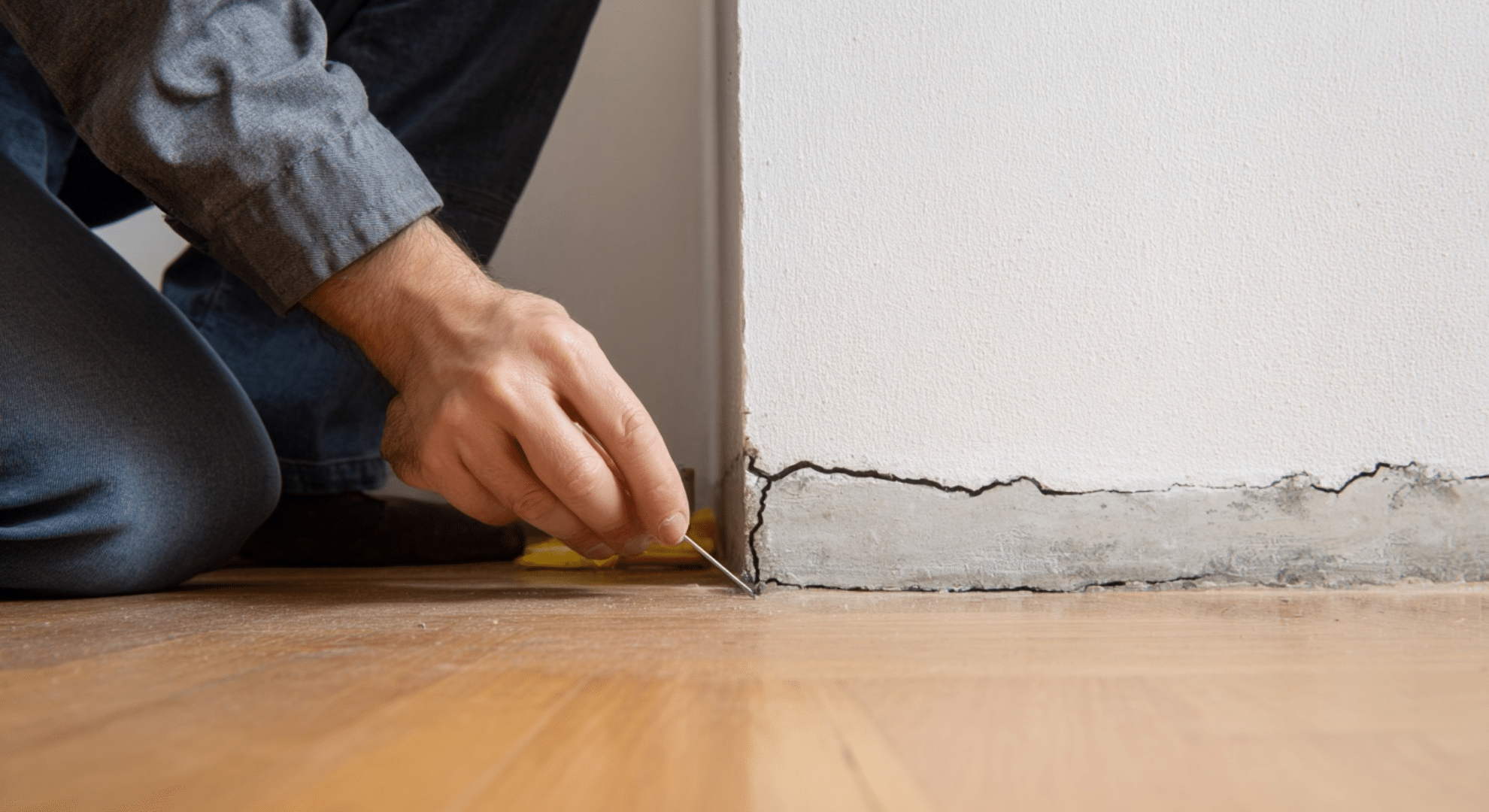
Getting rid of mice inside walls takes a smart plan, not just quick fixes. If you do things out of order, you’ll end up with bigger problems, like smells or repeat infestations. Here’s a simple step-by-step plan that works.
1. Listen and look for signs: Pay attention to scratching sounds, droppings, and smells. Try to figure out where the mice are most active.
2. Find how they’re getting in: Check around the outside and inside of your home. Look for gaps near pipes, vents, and the foundation. Mice can squeeze through holes as small as a dime.
3. Set traps before sealing: Use snap traps along walls, behind appliances, or near signs of mice. Don’t rely on poison—it causes dead mice smells and more problems.
4. Wait before closing holes: Only seal entry points once you’re sure all mice are gone. Closing too early can trap them inside.
5. Keep watching: Even after sealing, check for new signs every few weeks. Mice can come back if you miss something.
How Long Does It Take to Get Rid of Mice in Walls
Getting rid of mice isn’t instant. It takes time, patience, and doing things in the right order. Some people see results in a few days.
Others take weeks. It depends on how many mice are inside and how fast you act. Here’s a rough timeline of what to expect:
| Timeframe | What’s Happening |
|---|---|
| Day 1–3 | You hear scratching or movement. You notice droppings or smells. |
| Day 4–7 | Traps are set. You might catch a few mice. Sounds may start to fade. |
| Week 2 | Fewer noises. You’re checking for new signs. Droppings slow down. |
| Week 3–4 | No new signs. You seal entry points. House stays quiet. |
| After 1 Month | Still no noise or droppings? Likely mouse-free. Keep checking monthly. |
Silence can be a good sign, but not always. Sometimes mice go quiet during the day or move to another wall.
Make sure to check traps and signs before thinking the problem is gone.
When Cutting Into the Wall is Necessary and When It Isn’t
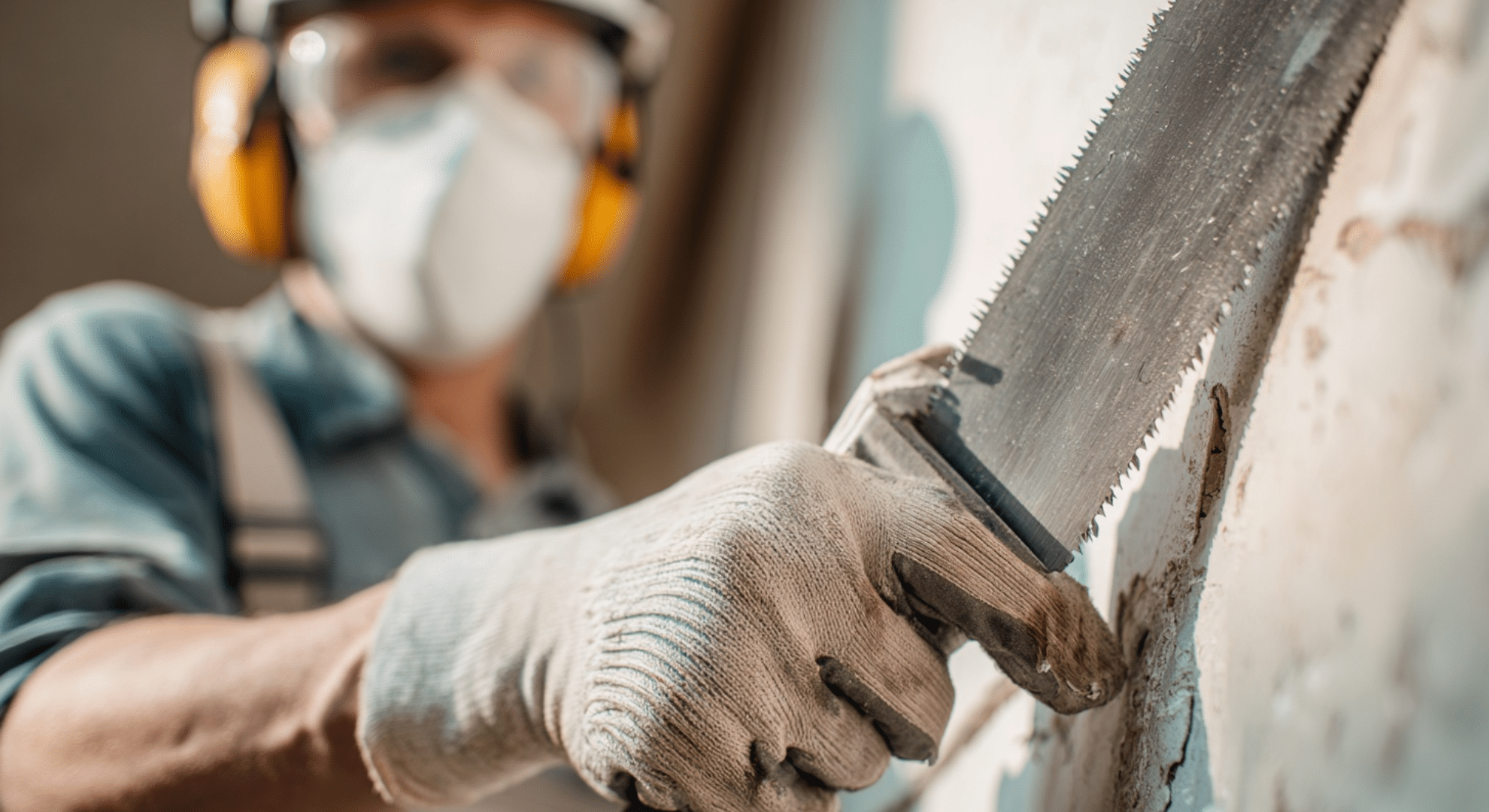
Most of the time, you do not need to cut into your walls to get rid of mice. In fact, doing so too early can cause more mess and cost than it’s worth.
When Cutting Isn’t Needed
In most cases, traps, sealing gaps, and cleaning up are enough. Mice travel along baseboards and through gaps around pipes and vents. That means you can fix the problem without breaking drywall. Many homeowners say they were able to solve everything using just traps, foam sealant, and patience.
When Cutting Might Be Necessary
Here are the rare times cutting may be the only option:
- A dead mouse smell won’t go away and seems to come from deep inside the wall.
- Nesting sounds stay in one spot with no trap success or signs outside the wall.
- You’ve tried everything else, but signs still keep showing up.
Safety Warning
If you decide to cut into a wall, wear gloves, eye protection, and a mask. Mice carry germs, and wall dust can irritate your lungs.
It’s safest to let a pro handle it if you’re unsure.
How Professionals Get Rid of Mice in Walls
When you call a pro to deal with mice in your walls, they don’t just set traps and leave. They follow a full process to find out how mice got in and how to keep them out for good.
First, they inspect the outside and inside of your home.
They look for entry points near pipes, vents, or gaps in the foundation. Some use thermal cameras or listening tools to check where mice are hiding in the walls.
Next, they use a mix of traps and exclusion methods. Exclusion means sealing off entry points so mice can’t come back.
This is different from just trapping. It’s about fixing the problem, not just catching what’s already there.
Hiring a pro makes sense when:
- The noise or smell won’t stop
- DIY traps haven’t worked
- You can’t find where mice are coming in
They bring tools and experience you probably don’t have.
How to Keep Mice From Coming Back
Getting rid of mice is only half the job. If you don’t block their way back in, they’ll return, sometimes within weeks. Here’s how to stop that from happening:
- Seal all gaps and cracks, even tiny ones. Mice can squeeze through holes as small as a dime.
- Use steel wool or metal mesh in holes. Mice can chew through foam or plastic but not metal.
- Check around pipes and vents. These are common entry points most people miss.
- Keep food sealed in containers, not just bags. Mice have strong teeth and sharp noses.
- Take out trash often and don’t let it pile up. Even crumbs attract them.
- Clear clutter in basements, attics, and garages. Mice love quiet, hidden spots.
- Trim plants and bushes near your foundation. Mice use overgrown plants as cover to sneak in.
Doing these things gives mice fewer chances to move in again and makes your home way less inviting to them.
Conclusion
Getting mice out of your walls takes a clear plan, not just traps and guesses.
I’ve walked through what signs to look for, what not to do, and how to stop them from coming back. It’s not just about fixing the problem; it’s about keeping your home calm and clean for the long run.
Now that you know how to get rid of mice in walls, think about what step makes the most sense for your home today. Stay patient, act in the right order, and you’ll see results.
Keep in mind: sealing gaps too soon or using poison too fast often makes things worse.
Want more down-to-earth advice like this? Check out other blogs on the website; they’re full of helpful tips you can actually use!