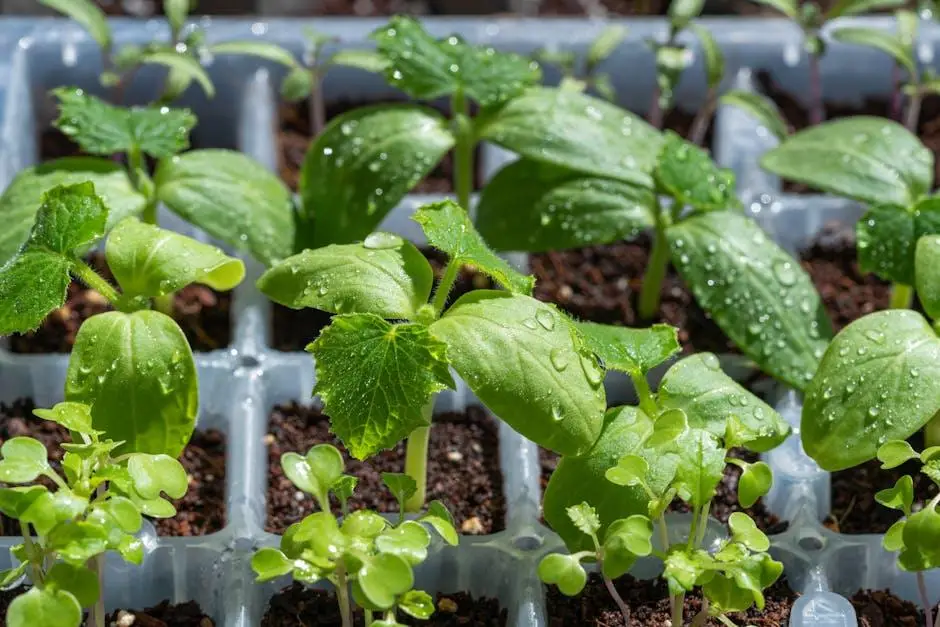
I’ve watched those tiny gnats circling my favorite pothos one too many times, and I finally cracked the code on banishing them for good.
These little pests, called fungus gnats, absolutely adore our indoor gardens because the moist soil creates their dream breeding ground.
They’re sneaky, too, laying eggs that hatch into larvae feasting on roots before emerging as adults, which explains why they never seem to leave on their own.
I’m sharing everything I’ve learned about eliminating them completely and keeping your plant babies gnat-free, because your leafy corner deserves to be as peaceful as it is beautiful.
Identifying Plant Gnats Correctly
I used to mistake every tiny flying thing for the same pest until I learned to spot the real culprits.
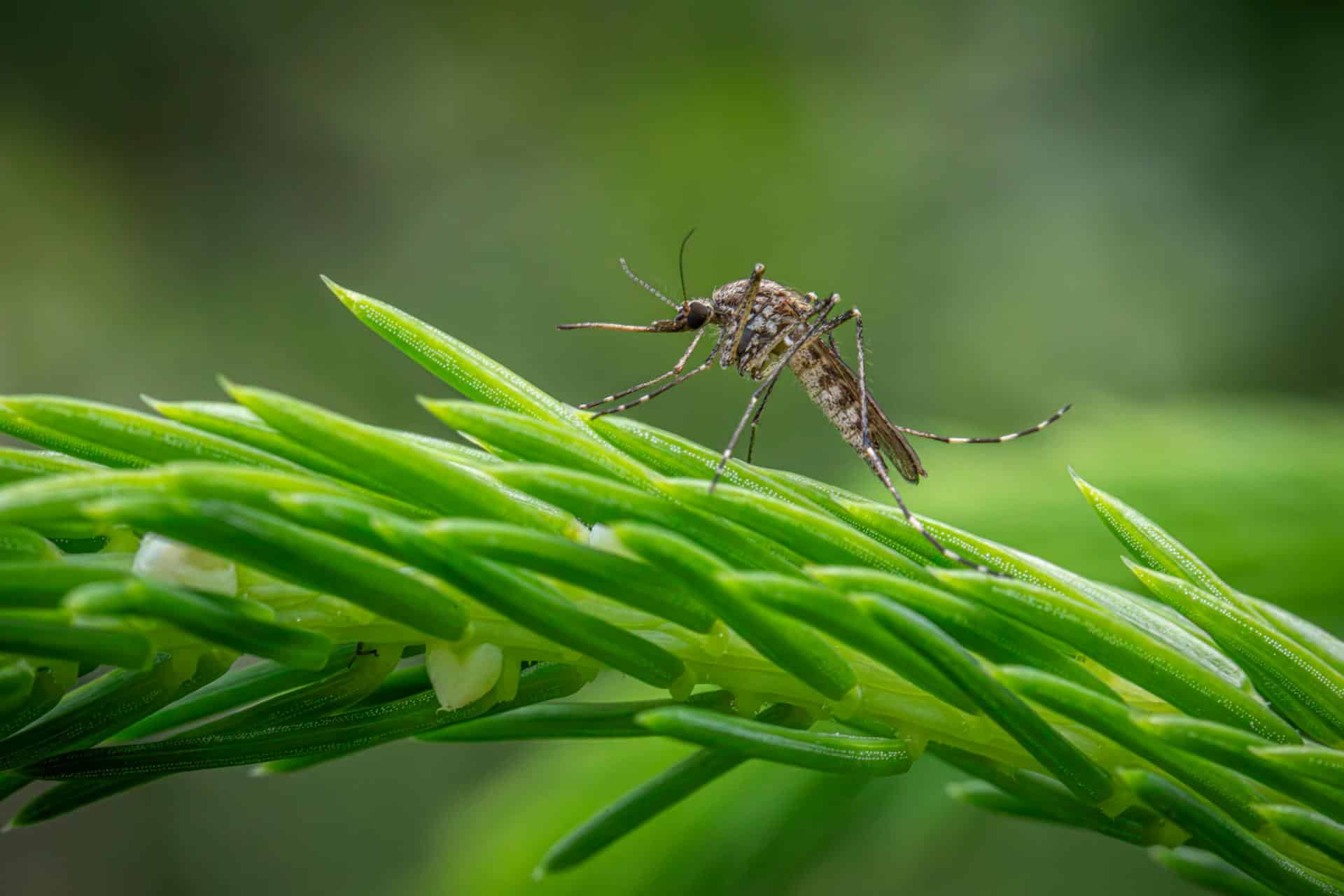
Plant gnats are delicate, dark-colored insects with long legs and translucent wings; they look almost mosquito-like but tinier.
You’ll spot adults hovering near soil or crawling across leaves, while their larvae are translucent little worms wiggling through the top layer of potting mix.
Here’s how to tell them apart from their lookalikes:
| Gnat Type | Where They Hang Out | What They Love |
|---|---|---|
| Fungus Gnats | Around soil & plants | Moist potting mix |
| Fruit Flies | Kitchen counters | Overripe produce |
| Drain Flies | Near sinks & drains | Standing water |
Why You Have Gnats in Your Plants?
I’ve learned that gnats in houseplants almost always trace back to one thing: moisture. Overwatering creates the damp, soggy conditions in which fungus gnats absolutely thrive in, giving their eggs the perfect environment to hatch.
Add poor drainage to the mix, and that excess water just sits there, turning your soil into a gnat nursery.
The organic matter in potting soil, like peat moss and compost, is basically their favorite food source, and our cozy indoor humidity only makes everything more inviting.
It’s rarely about dirty plants or bad luck; it’s about understanding what these little pests need to survive so we can take those conditions away.
Natural Ways to Get Rid of Gnats in Plants
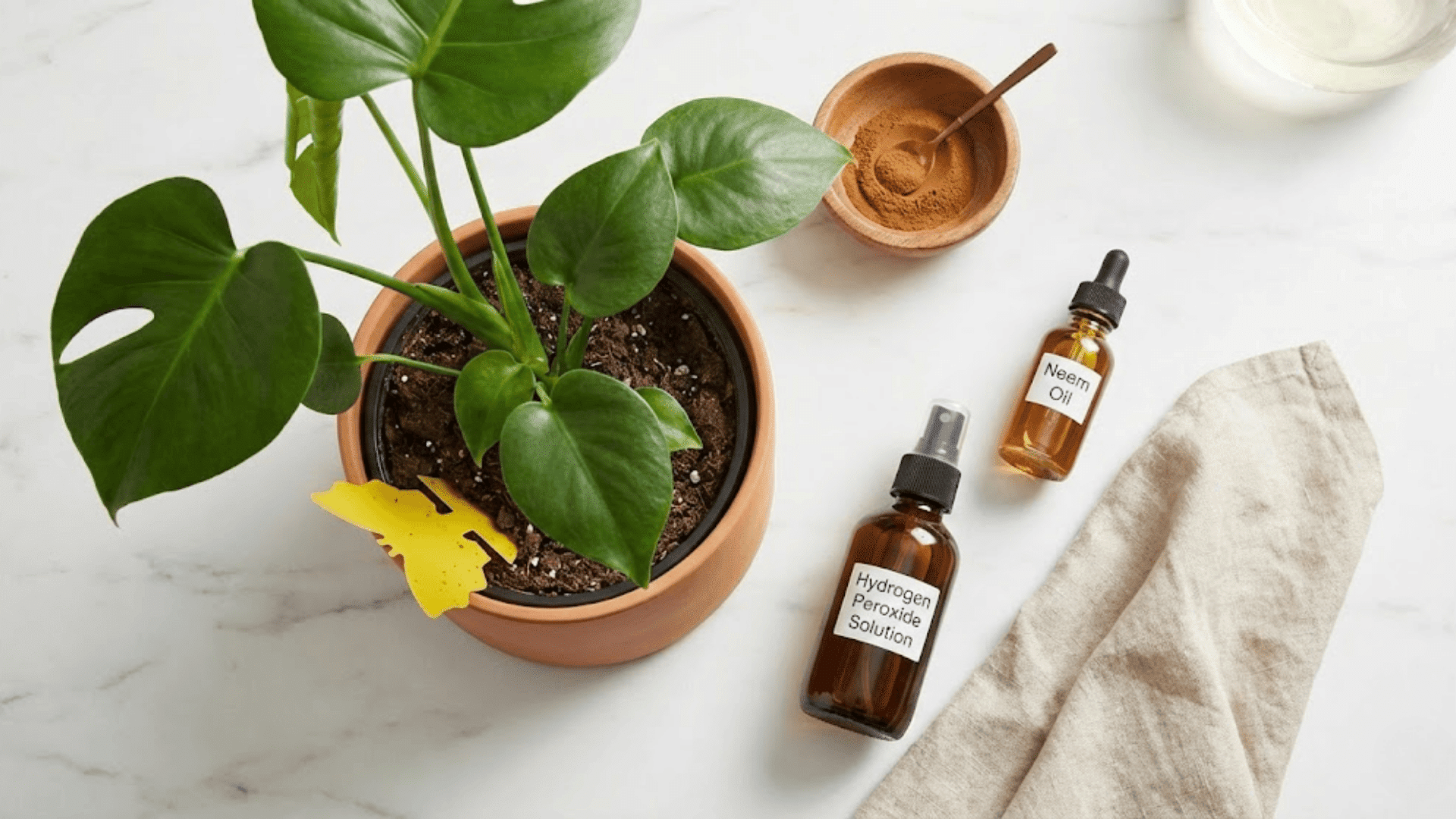
The best part about fighting gnats naturally is that most solutions are gentle on your plants while being tough on pests.
I’ve tested these methods in my own plant collection, and they work beautifully when used consistently.
1. Drying Out the Soil (Most Effective First Step)
This is my go-to first move because it breaks the gnat lifecycle at its source. Letting the top few inches of soil dry out starves larvae and prevents new eggs from hatching.
- Step 1: Stop watering and let the top 2-3 inches of soil dry completely
- Step 2: Check the moisture with your finger before watering again
- Step 3: Focus on drought-tolerant plants like pothos, snake plants, and succulents first
- Step 4: Water deeply but less frequently moving forward
- Step 5: Repeat this cycle until gnats disappear
2. Sticky Traps
These bright yellow cards catch adult gnats before they can lay more eggs. I use them to track how bad my infestation is and to slowly reduce the population.
- Step 1: Place sticky traps directly in the soil near the stem
- Step 2: Position traps at the soil level where gnats hover most
- Step 3: Replace traps every week or when fully covered
- Step 4: Use multiple traps for heavily infested plants
- Step 5: Keep traps up for prevention even after gnats seem gone
3. Hydrogen Peroxide Soil Drench
This bubbling solution kills larvae on contact while adding oxygen to your soil. It’s become my secret weapon for stubborn infestations.
- Step 1: Mix one part 3% hydrogen peroxide with four parts water
- Step 2: Water your plant thoroughly with the diluted solution
- Step 3: Watch for fizzing, which means it’s killing larvae
- Step 4: Let the soil dry out before watering normally again
- Step 5: Repeat treatment after 5-7 days if needed
4. Neem Oil & Insecticidal Soap
Neem oil works as a preventative and disrupts the gnat lifecycle, while insecticidal soap kills on contact. I alternate between them depending on severity.
- Step 1: Use neem oil weekly as a soil drench for prevention
- Step 2: Apply insecticidal soap directly to the soil for active infestations
- Step 3: Spray neem on leaves if you spot adults resting there
- Step 4: Always test on one plant first to check for sensitivity
- Step 5: Continue treatments for 2-3 weeks to break the cycle
5. Beneficial Nematodes
These microscopic helpers are nature’s pest control, and they’ve saved my larger plant collections from major gnat problems.
Beneficial nematodes are tiny organisms that hunt down and feed on gnat larvae in the soil without harming your plants or beneficial insects. Mix them into water according to package directions and drench your soil thoroughly.
They’re perfect for serious infestations or outdoor container gardens where other methods feel overwhelming. The nematodes keep working for weeks, giving you long-term protection.
Homemade Gnat Remedies: DIY Solutions
These kitchen-cupboard solutions have gotten me through gnat problems without a trip to the store. They’re simple, budget-friendly, and surprisingly effective when used correctly.
6. Cinnamon on Soil Surface
Cinnamon is a natural antifungal that stops gnat larvae from developing. I love this method because it smells amazing and looks pretty too.
- Step 1: Let your soil dry out slightly before applying
- Step 2: Sprinkle a thin layer of ground cinnamon across the entire soil surface
- Step 3: Reapply after watering when the cinnamon washes into the soil
- Step 4: Use alongside other methods for best results
- Step 5: Continue for several weeks to prevent new eggs from hatching
7. Apple Cider Vinegar Traps
These traps catch adult gnats, but won’t solve the root problem since larvae stay in the soil. I use them as a monitoring tool more than a cure.
- Step 1: Fill a small jar with apple cider vinegar and a drop of dish soap
- Step 2: Cover with plastic wrap and poke small holes in the top
- Step 3: Place traps near affected plants at the soil level
- Step 4: Replace the mixture every few days as it fills with gnats
- Step 5: Combine with soil treatments to tackle larvae simultaneously
8. Sand or Gravel Soil Toppers
A physical barrier stops adult gnats from laying eggs and prevents larvae from emerging. This has become my favorite long-term prevention strategy.
- Step 1: Let the top inch of soil dry completely first
- Step 2: Add a half-inch layer of fine sand or aquarium gravel
- Step 3: Water from the bottom or carefully through the barrier
- Step 4: Keep the topper dry between waterings
- Step 5: Leave in place permanently for ongoing protection
9. Chamomile Tea Soil Soak
Chamomile has natural antifungal properties that create an unwelcoming environment for gnat larvae. It’s gentle enough to use regularly without stressing your plants.
- Step 1: Brew strong chamomile tea and let it cool completely
- Step 2: Water your plants thoroughly with the cooled tea
- Step 3: Focus on the top few inches of soil where larvae live
- Step 4: Repeat weekly until gnats are gone
- Step 5: Use as a preventative treatment during humid months
Gnats in Houseplants: Chemical Treatments
Sometimes natural methods aren’t enough for severe infestations, and that’s okay. I’ve had moments where bringing in stronger solutions was the only way to save my plant collection from being completely overrun.
| Treatment Type | How It Works | Best For | Safety Notes |
|---|---|---|---|
| Systemic Insecticides (Granular) | Absorbed through roots | Severe infestations | Keep away from edibles, pets, and children |
| Systemic Insecticides (Liquid) | Mixed with water | Individual plant treatment | Wear gloves; use in ventilated areas |
| Pyrethrin Sprays | Contact killer | Flying adults | Can irritate lungs; spray outdoors |
| Mosquito Bits (BTI) | Bacterial larvae killer | Organic alternative | Safe around pets and people |
When to Consider Chemical Treatment: If natural methods fail after 3-4 weeks or gnats are spreading rapidly and affecting plant health, it’s time to escalate. Always follow label directions and never use outdoor pesticides indoors.
How to Prevent Gnats in Houseplants Permanently?
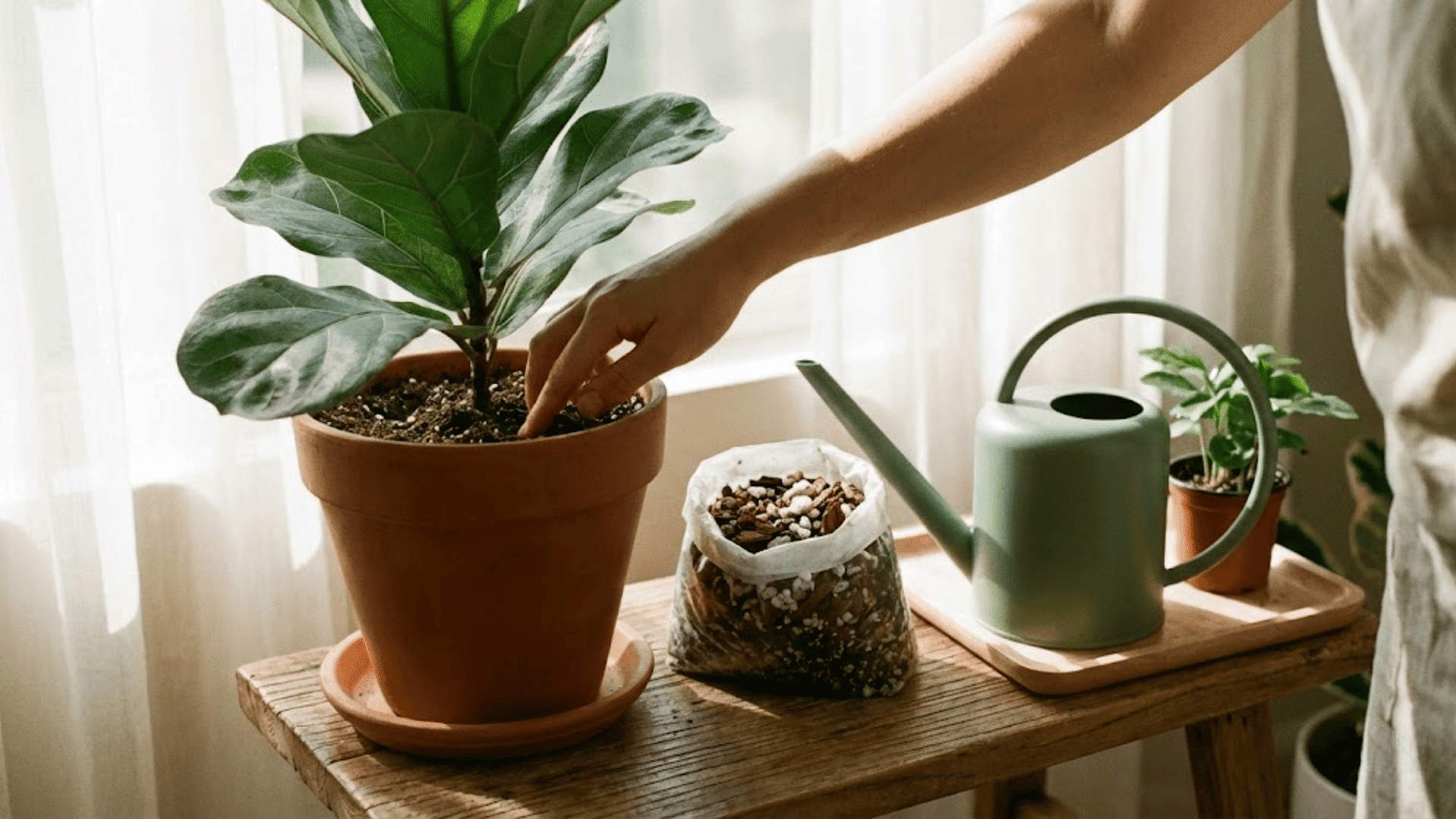
Preventing gnats is so much easier than treating them, and these habits have kept my plants pest-free for months. Once you build these practices into your routine, gnats become a distant memory instead of a recurring nightmare.
1. Proper Watering Schedule & Potting Mix Selection
The foundation of gnat prevention is managing moisture levels and choosing soil that doesn’t stay soggy. I’ve learned that getting these two things right eliminates most gnat problems before they start.
- Water only when the top 2-3 inches of soil feel dry to the touch
- Use well-draining potting mixes with perlite, orchid bark, or pumice
- Avoid heavy, moisture-retaining soils for most houseplants
- Bottom water occasionally to keep the soil surface dry
- Add drainage materials like charcoal or coarse sand to dense mixes
2. Improving Drainage & Quarantining New Plants
Every pot needs drainage holes, and every new plant needs isolation time. These two rules have saved me from so many potential infestations.
- Always use pots with drainage holes to prevent water pooling
- Add a layer of rocks or pottery shards at the pot’s bottom
- Quarantine new plants for 2-3 weeks away from your collection
- Inspect new plant soil closely for signs of gnats or larvae
- Consider repotting new plants in fresh, sterile soil immediately
3. Seasonal Care Adjustments
Different seasons bring different gnat risks, and I’ve learned to adjust my care routine accordingly.
Here’s how to stay ahead throughout the year:
| Season | Gnat Risk | Prevention Tips |
|---|---|---|
| Spring/Summer | High (warmth + humidity) | Water less frequently; increase airflow with fans |
| Fall/Winter | Medium (slower drying) | Reduce watering schedule; move plants to brighter spots |
| Rainy Season | Very High (excess moisture) | Use dehumidifiers; avoid overwatering during cloudy weeks |
| Dry Season | Low (natural drying) | Maintain consistent care; perfect time to treat any issues |
Common Mistakes That Keep Gnats Coming Back
I’ve made every single one of these mistakes, and they kept me stuck in a frustrating cycle of battling the same gnats over and over.
Recognizing these pitfalls helped me finally break free and keep my plants gnat-free.
- Overwatering Again Too Soon: Going back to frequent watering before the infestation is fully gone just restarts the entire lifecycle.
- Treating only Adults: Sticky traps catch flying gnats, but do nothing about the hundreds of larvae still living in your soil.
- Ignoring Soil Quality: Using old, compacted, or overly organic potting mix creates the perfect gnat breeding ground, no matter what else you do.
- Using Ineffective Vinegar Traps Alone: Apple cider vinegar catches some adults, but never addresses the root problem lurking beneath the surface.
- Giving up Too Early: Stopping treatment after a few days when the gnat lifecycle takes weeks to fully break.
Gnats have multiple life stages happening simultaneously, so you need to keep up your treatment and prevention routine for at least three to four weeks to catch every generation.
Once you commit to the full process, you’ll finally see lasting results.
The Bottom Line
Getting rid of gnats in plants doesn’t have to be complicated or overwhelming.
With the right combination of drying out soil, using natural treatments, and building better watering habits, you can reclaim your peaceful plant space for good.
I know how frustrating these tiny pests can be, but trust me when I say that consistent care truly works wonders. Your leafy sanctuary deserves to thrive without unwanted visitors.
Have you tried any of these methods, or do you have a favorite gnat-busting trick of your own? I’d love to hear what’s worked for your plant collection.