Those cheerful red-and-black visitors fluttering through your garden aren’t just adorable, they’re incredibly helpful for keeping your plants healthy.
Ladybugs are nature’s tiny guardians, feasting on aphids, mites, and other unwanted guests that threaten your precious plants.
Instead of reaching for harsh chemicals, imagine welcoming these beneficial beetles to do the heavy lifting for you.
Creating a ladybug-friendly haven is simpler than you might think, and it starts with understanding what draws these helpful insects to stay.
We’ll walk through the garden-tested methods and beautiful plant choices that’ll turn your outdoor space into a ladybug paradise, naturally keeping your garden healthy and thriving all season long.
Why Ladybugs are Garden Heroes?
Ladybugs aren’t just pretty additions to your garden; they’re hardworking helpers with impressive appetites.
A single ladybug can devour up to fifty aphids daily, plus mealybugs, scale insects, and spider mites that damage your blooms and vegetables.
Beyond pest patrol, these spotted beetles also contribute to pollination as they move between flowers searching for food.
By inviting ladybugs into your space, you’re building a balanced ecosystem that supports biodiversity and reduces your reliance on chemical sprays.
This natural approach means healthier soil, safer produce, and a garden that works harmoniously with nature rather than against it, creating a sustainable haven for beneficial insects year after year.
What Ladybugs Need to Thrive?
Creating the perfect environment for ladybugs means understanding their basic needs throughout their lifecycle.
When you provide the right combination of food, water, and shelter, these beneficial beetles will settle in and make your garden their permanent home.
- Adult ladybugs feed on nectar and pollen from flowers, while their larvae hunt for aphids and soft-bodied insects to fuel their growth.
- Keep blooms available throughout the growing season so ladybugs always have a reason to stick around and return.
- Set out shallow dishes filled with water and small stones, giving ladybugs a safe landing spot to drink without drowning.
- Add ladybug houses or insect hotels to offer cozy overwintering spots and daytime shelter from harsh weather and predators.
- Skip the pesticides entirely, as chemicals don’t discriminate and will harm or drive away the very insects you’re trying to attract.
A chemical-free, resource-rich garden becomes a sanctuary where ladybugs can complete their entire lifecycle, ensuring generations of natural pest control at your fingertips.
Best Plants to Attract Ladybugs
The fastest way to welcome ladybugs into your garden is by planting their favorite blooms and herbs. These plants provide the nectar, pollen, and pest-hosting environments that keep ladybugs fed and happy all season long.
1. Dill
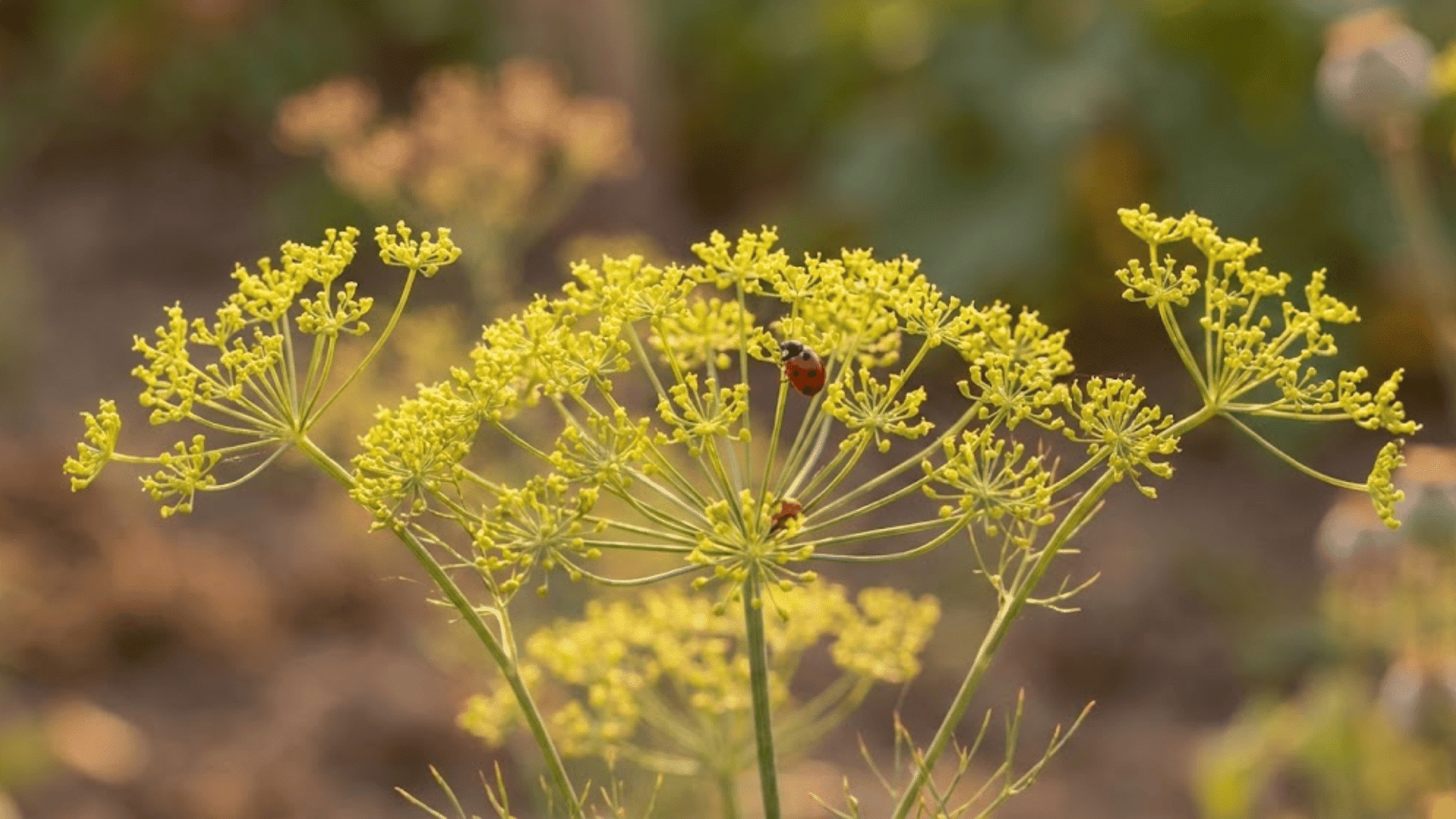
Color Profile: Delicate yellow umbels
Sunlight Requirement: Full sun
This feathery herb produces umbrella-shaped flower clusters that ladybugs adore for their abundant nectar. Dill’s aromatic blooms appear in mid-summer and create the perfect feeding station for adult beetles.
As a bonus, you’ll harvest fresh dill for your kitchen while the flowers work double duty, attracting beneficial insects throughout the growing season.
2. Fennel
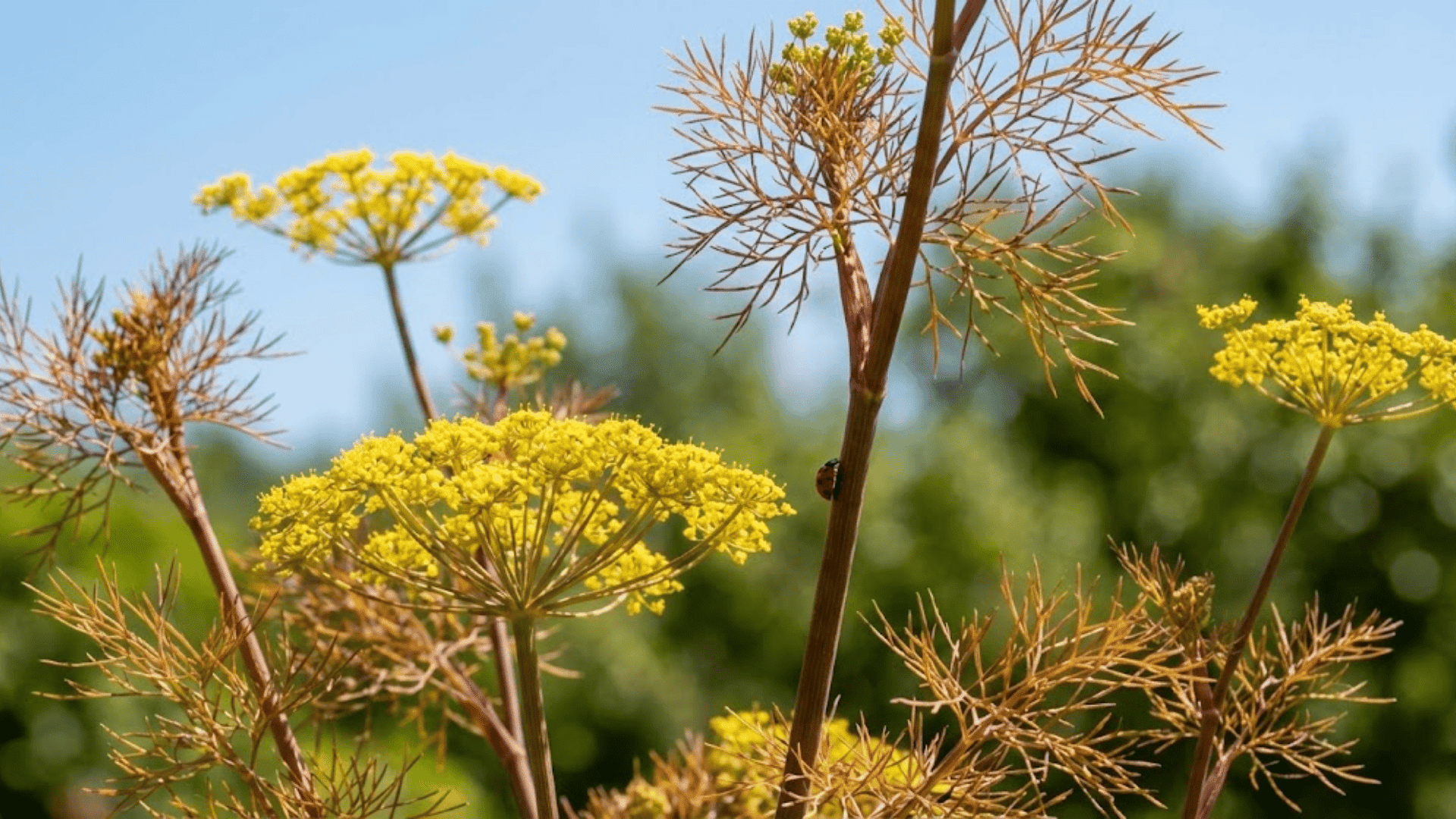
Color Profile: Bright yellow flower heads
Sunlight Requirement: Full sun
Fennel’s flat-topped blooms offer easy landing pads where ladybugs can access nectar with minimal effort. The tall, graceful plants create vertical interest in your garden while serving as magnets for beneficial insects.
Both bronze and green fennel varieties work beautifully, and their licorice-scented foliage adds wonderful texture to any planting scheme.
3. Cilantro
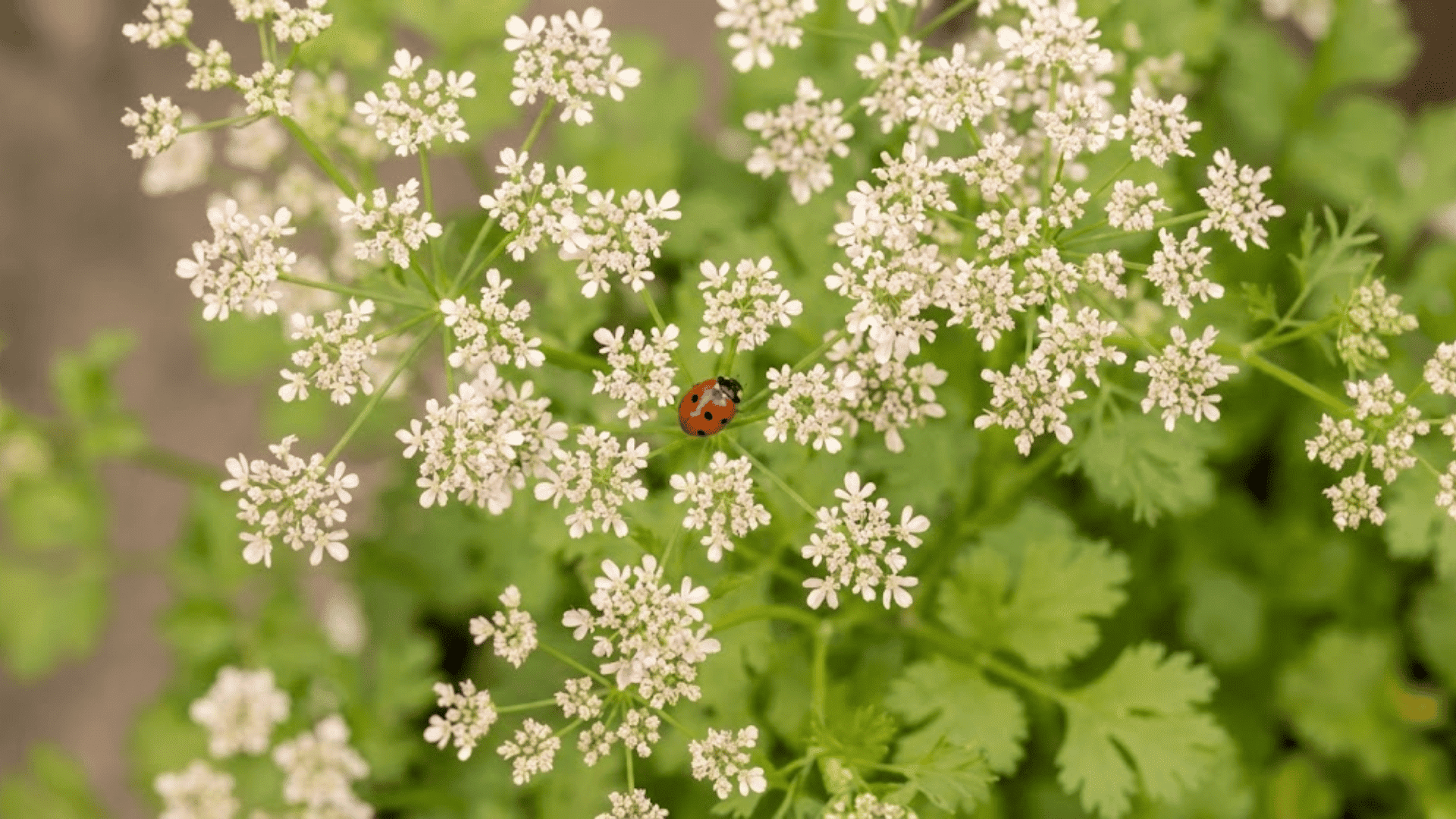
Color Profile: White to pale pink clusters
Sunlight Requirement: Full sun to partial shade
Let your cilantro bolt instead of pulling it out, and you’ll be rewarded with delicate flower clusters that ladybugs find irresistible.
This dual-purpose herb gives you fresh leaves for cooking early in the season, then transitions into a pollinator haven. The flowers appear quickly in warm weather, making cilantro an excellent choice for continuous bloom gardens.
4. Parsley
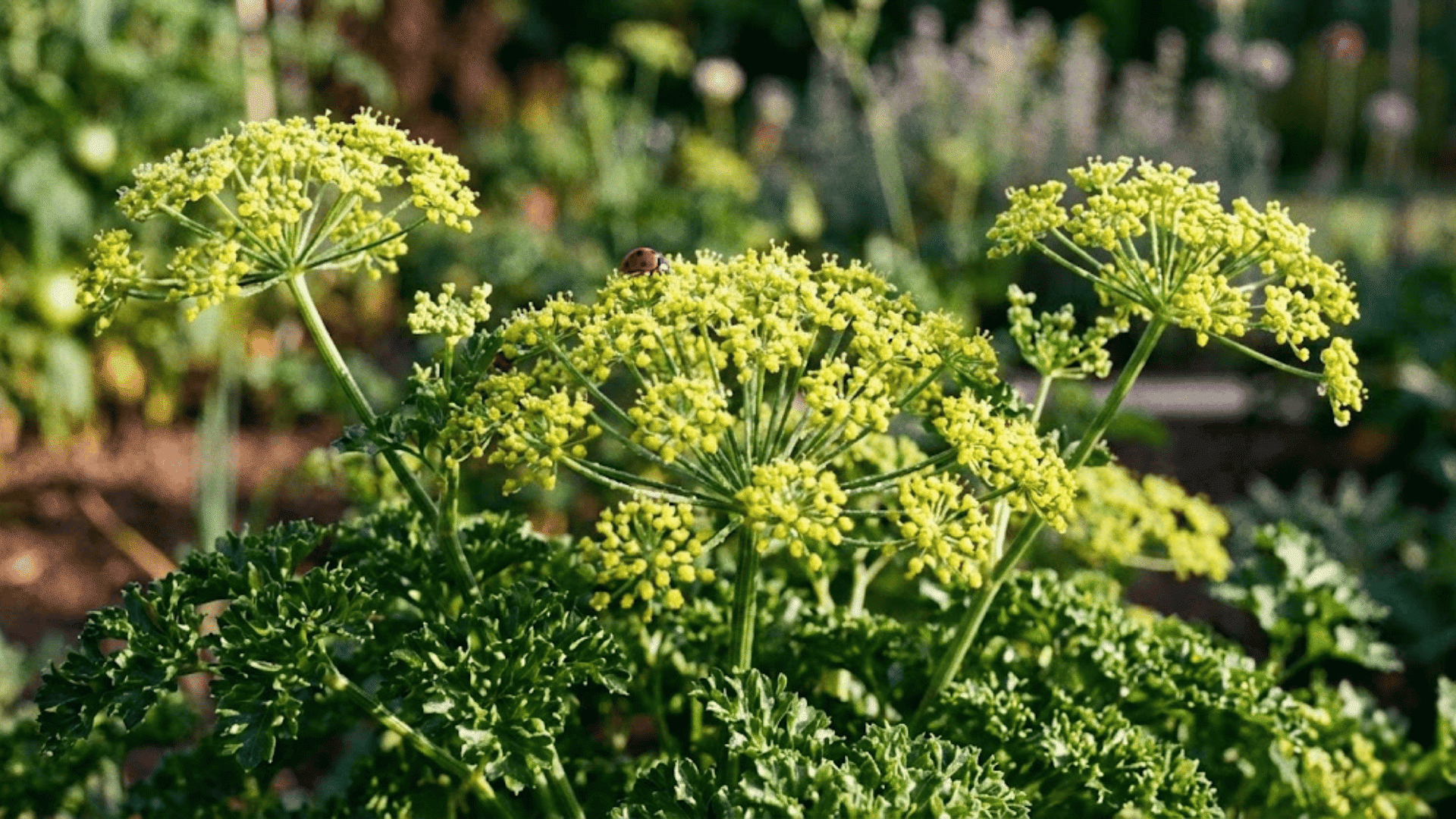
Color Profile: Yellowish-green umbels
Sunlight Requirement: Full sun to partial shade
Often overlooked as just a culinary herb, parsley produces intricate flower clusters in its second year that beneficial insects flock to.
The nectar-rich blooms provide essential nutrition for ladybugs, while the dense foliage offers shelter. Flat-leaf and curly varieties both attract ladybugs equally well, so choose based on your cooking preferences.
5. Chives
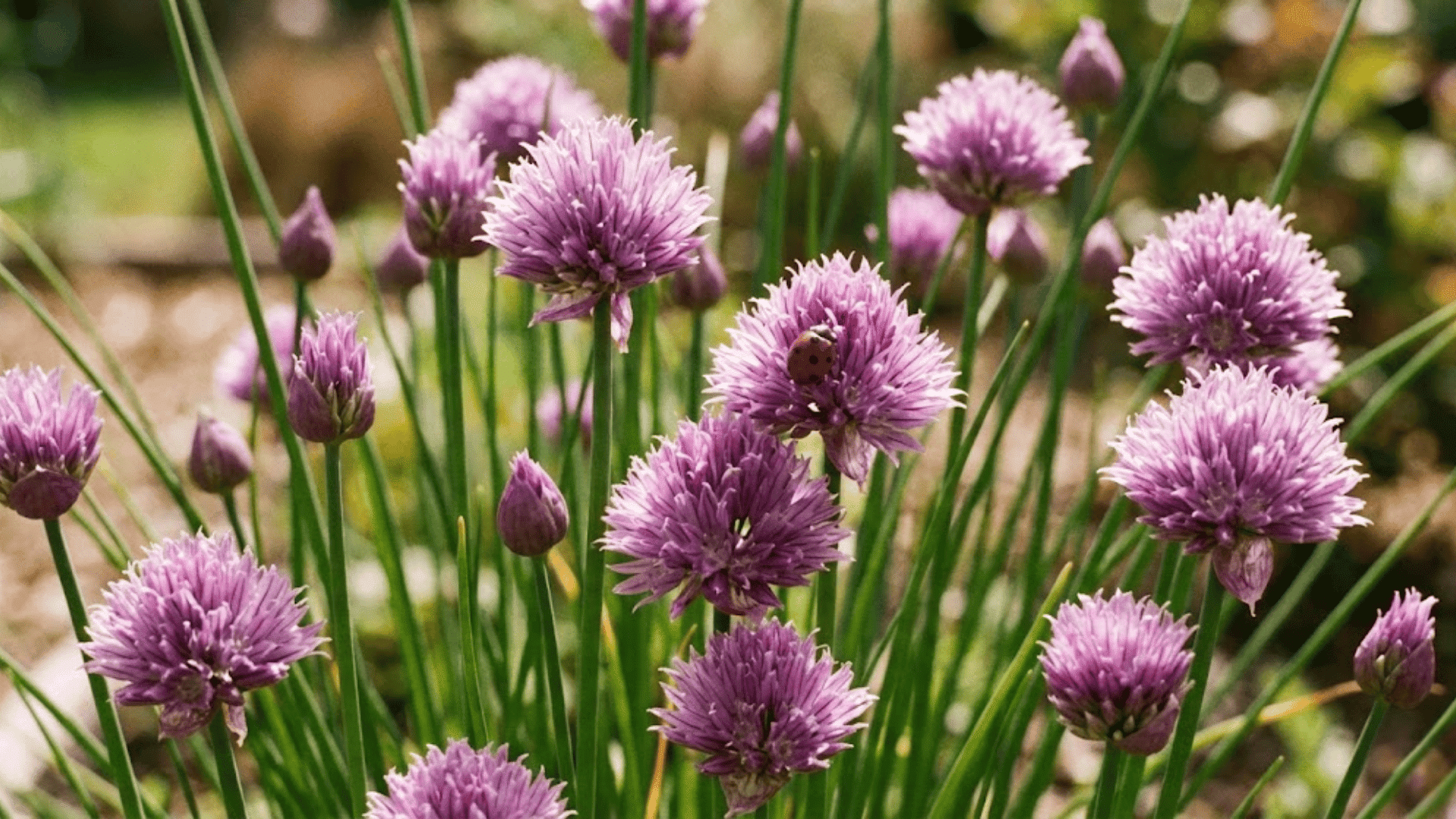
Color Profile: Purple pom-pom flowers
Sunlight Requirement: Full sun
These cheerful purple globes emerge in early spring, offering one of the first nectar sources for ladybugs coming out of dormancy.
Chives form attractive clumps that multiply over time, creating more flowering power each year. The mild onion-flavored leaves and edible flowers make this a must-have herb for beneficial insect gardens.
6. Mint
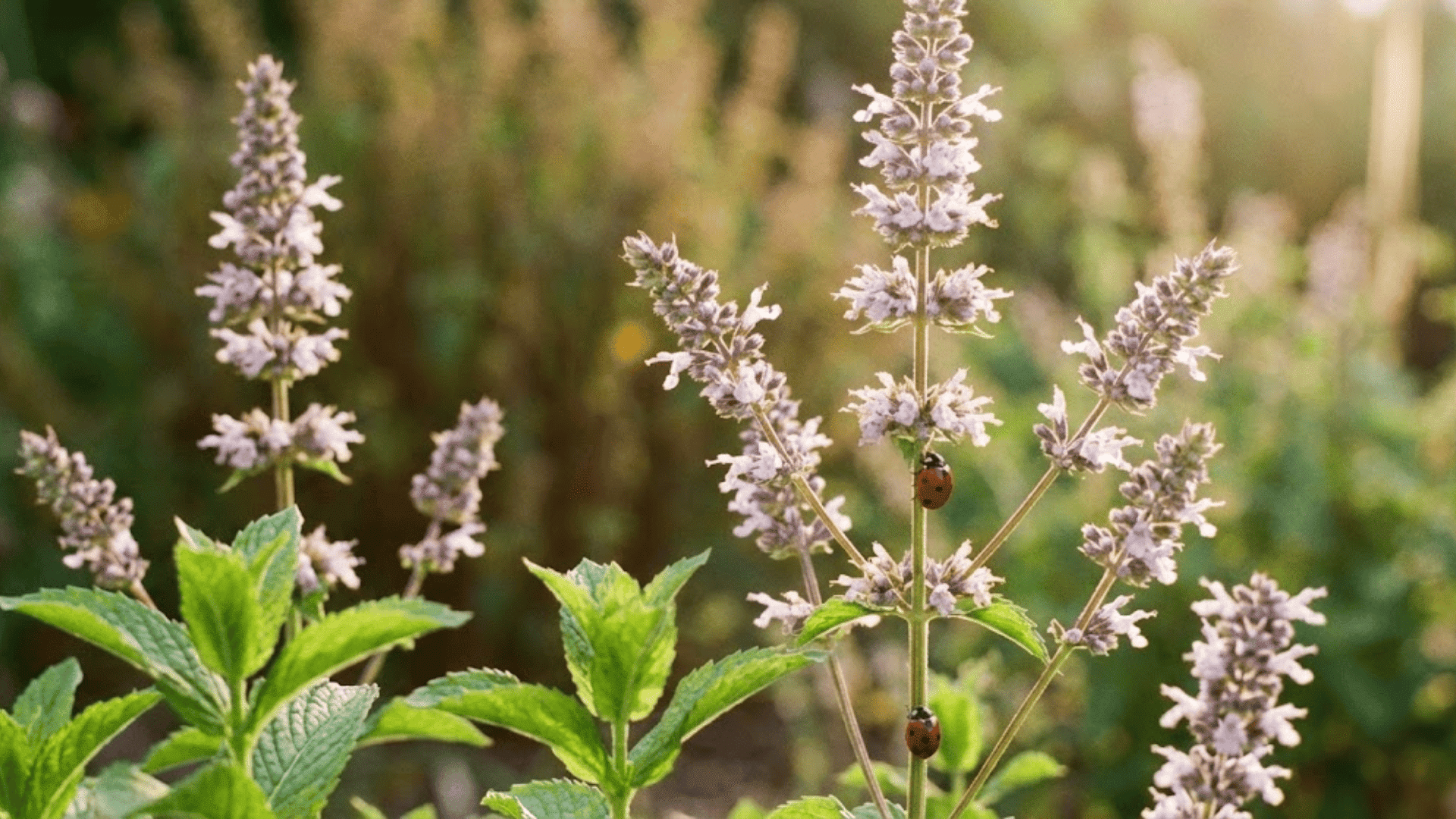
Color Profile: Pale purple to white spikes
Sunlight Requirement: Full sun to partial shade
Mint’s tiny tubular flowers packed along tall spikes provide abundant nectar that ladybugs seek out repeatedly. This vigorous groundcover spreads enthusiastically, so plant it in containers or designated areas.
The continuous blooming throughout summer keeps ladybugs visiting regularly, and you’ll enjoy fragrant leaves for teas and cooking all season.
7. Yarrow
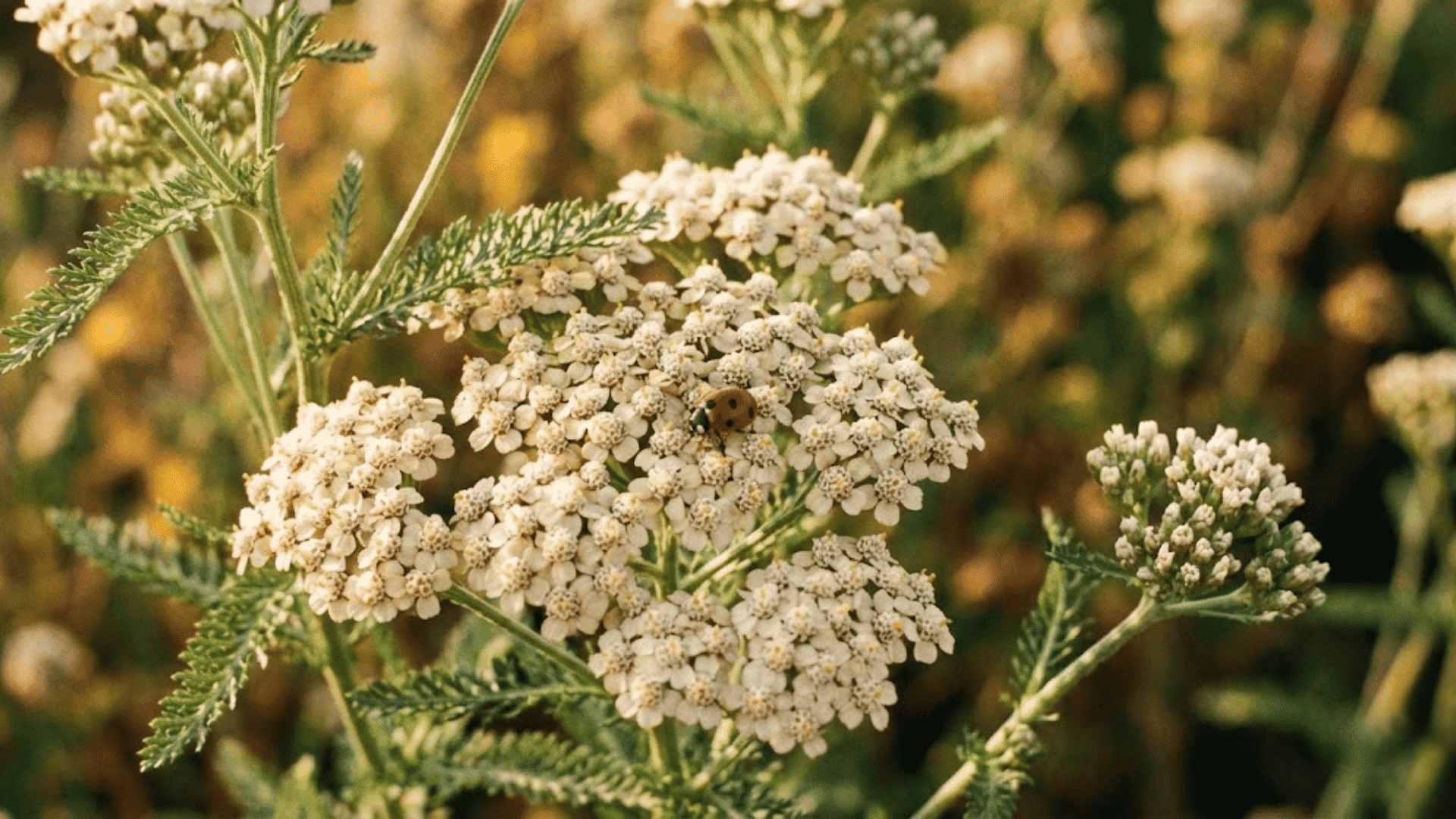
Color Profile: White, yellow, pink, or red flat clusters
Sunlight Requirement: Full sun
Yarrow’s distinctive flat-topped flower heads create perfect landing platforms where ladybugs can easily access pollen and nectar. These tough, drought-tolerant perennials bloom for months and require virtually no maintenance.
The feathery foliage adds soft texture to borders, and the flowers dry beautifully, making yarrow both practical and ornamental.
8. Marigolds
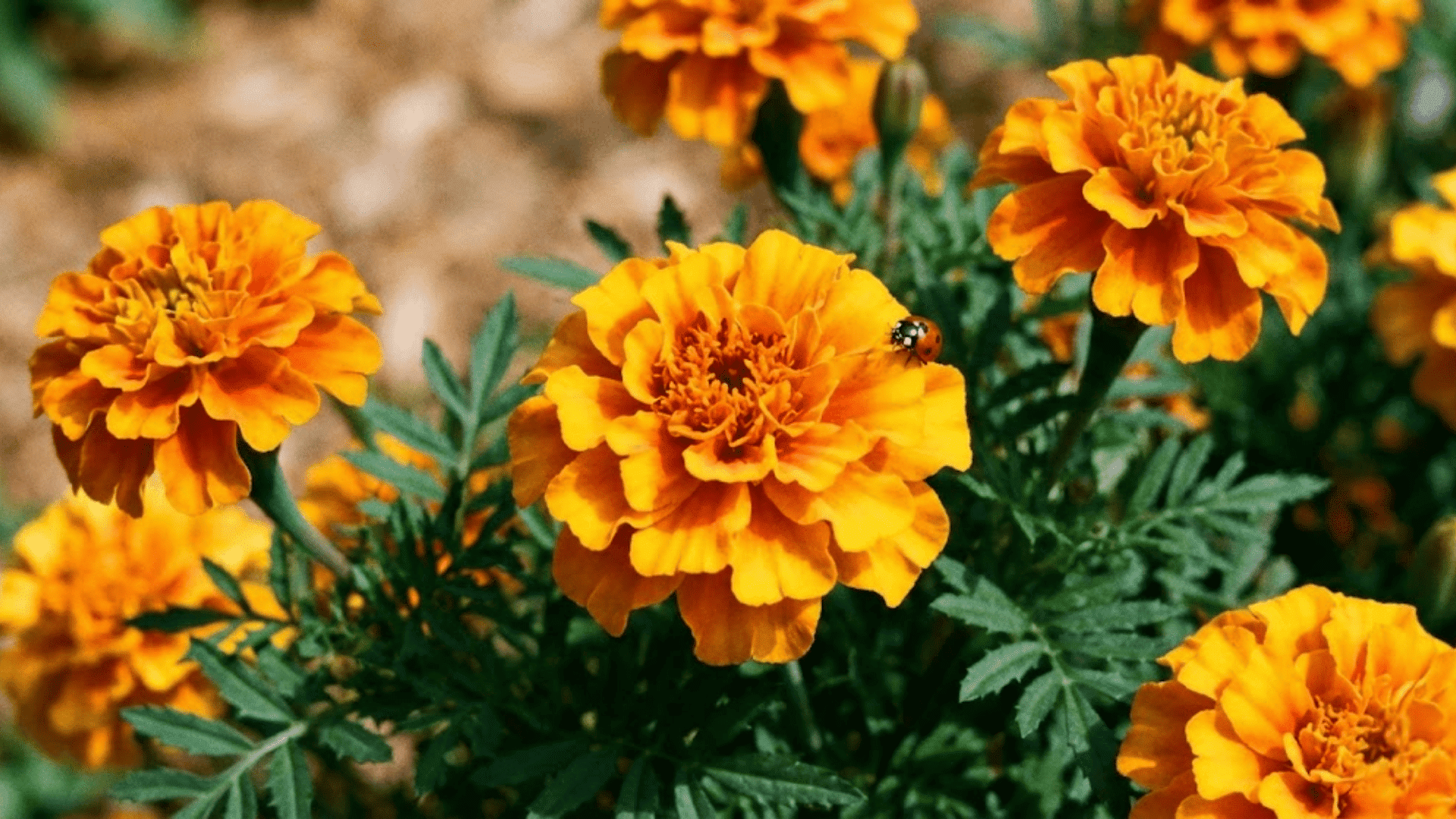
Color Profile: Bright orange, yellow, and gold
Sunlight Requirement: Full sun
These cheerful annuals offer easily accessible nectar in their open-faced blooms that ladybugs navigate with ease. Marigolds bloom reliably from spring until frost, providing consistent food sources throughout the season.
French marigolds and signet varieties work particularly well, and their pungent scent may help deter certain garden pests naturally.
9. Cosmos
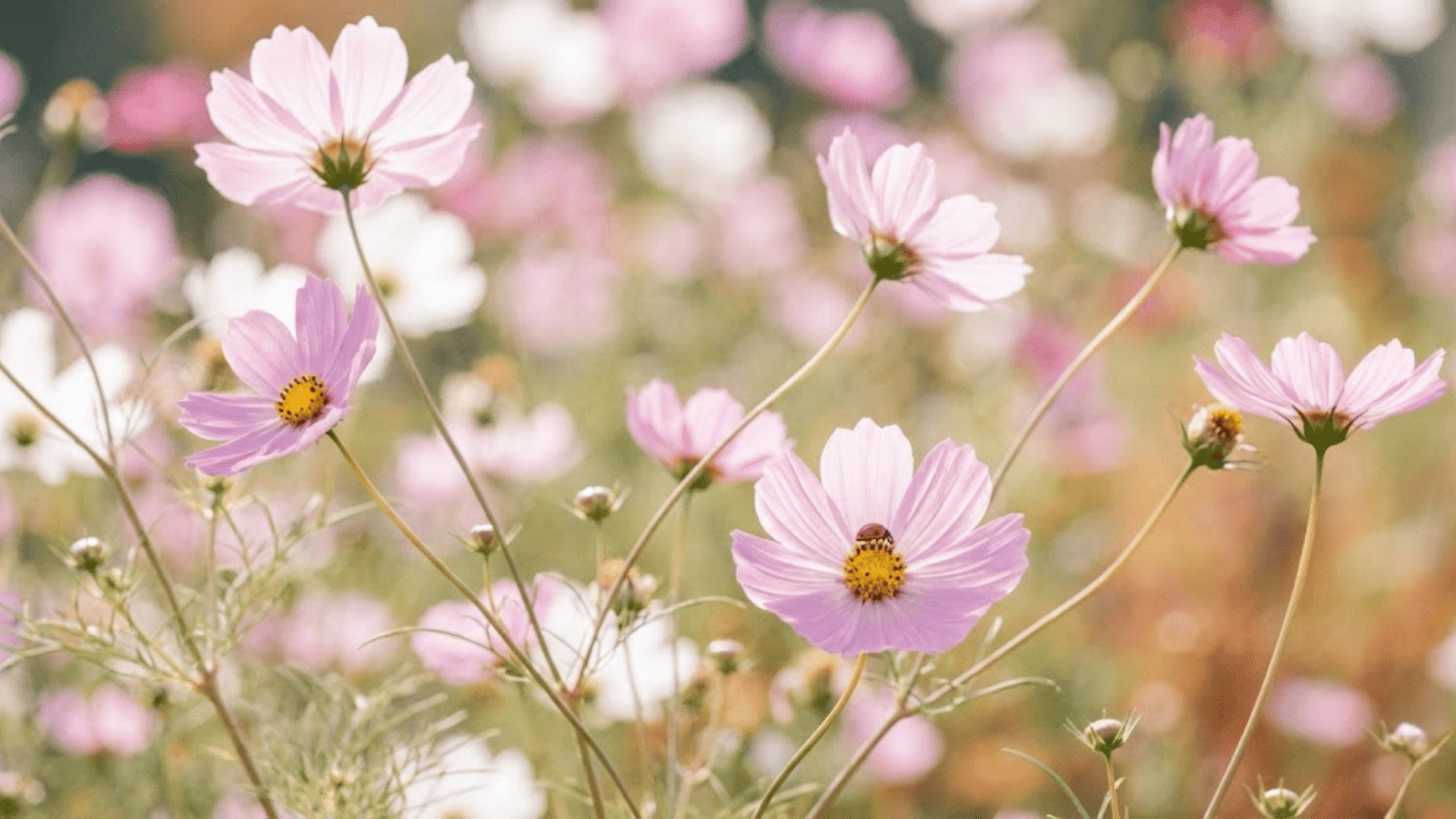
Color Profile: Pink, white, magenta, or orange
Sunlight Requirement: Full sun
Cosmos produces an abundance of daisy-like flowers on tall, airy stems that sway beautifully in summer breezes. The flower structure allows ladybugs easy access to pollen and nectar during their exceptionally long blooming period.
These low-maintenance annuals self-sow readily, returning year after year to create effortless beneficial insect habitat.
10. Calendula
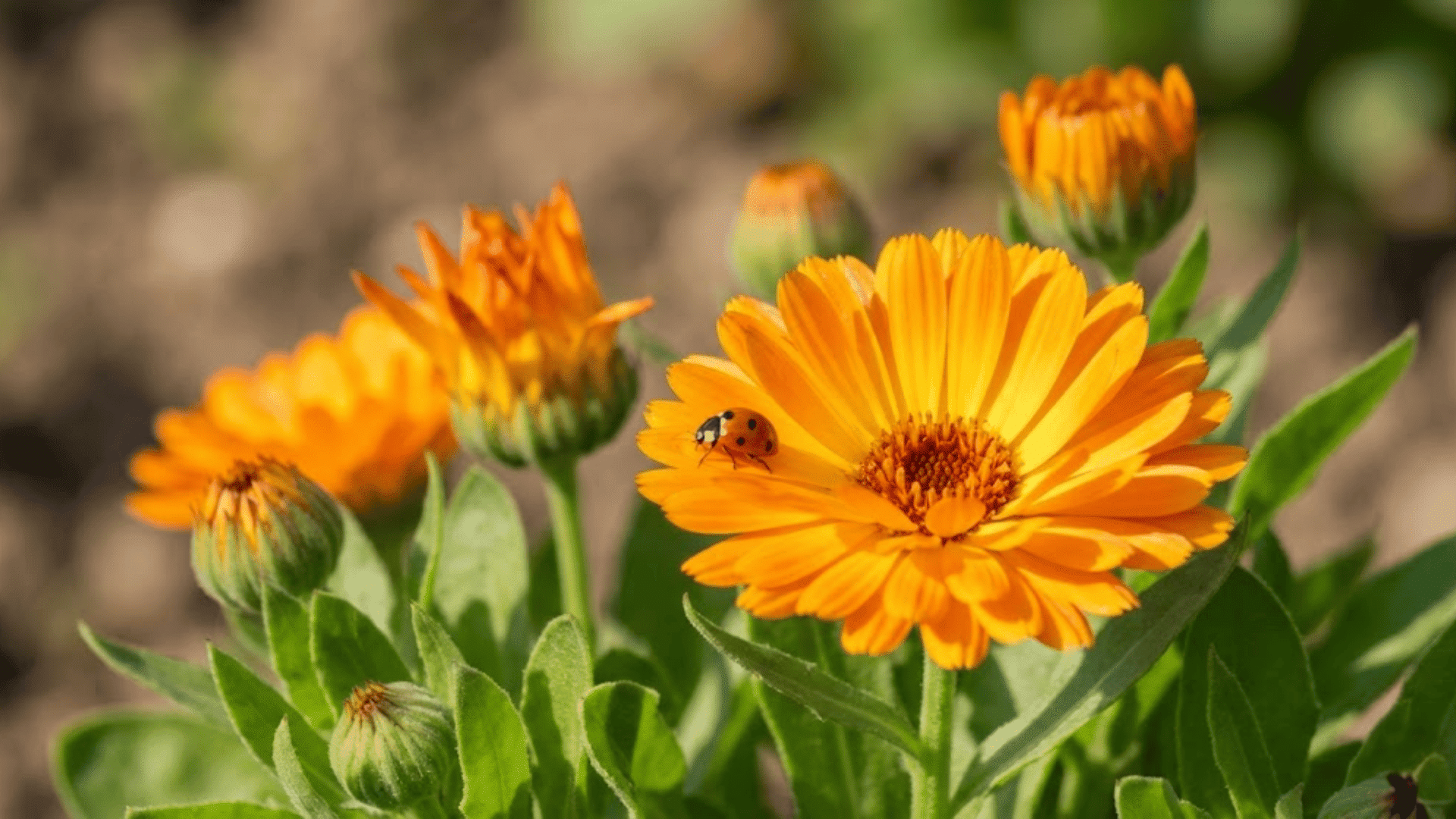
Color Profile: Vibrant orange and yellow
Sunlight Requirement: Full sun
Also known as pot marigold, calendula offers multiple layers of petals surrounding a central disc packed with pollen. Ladybugs appreciate the abundant food source, and the flowers bloom continuously when deadheaded regularly.
Calendula thrives in cooler weather, extending your garden’s ladybug-attracting season into early fall when many other flowers fade.
11. Sweet Alyssum
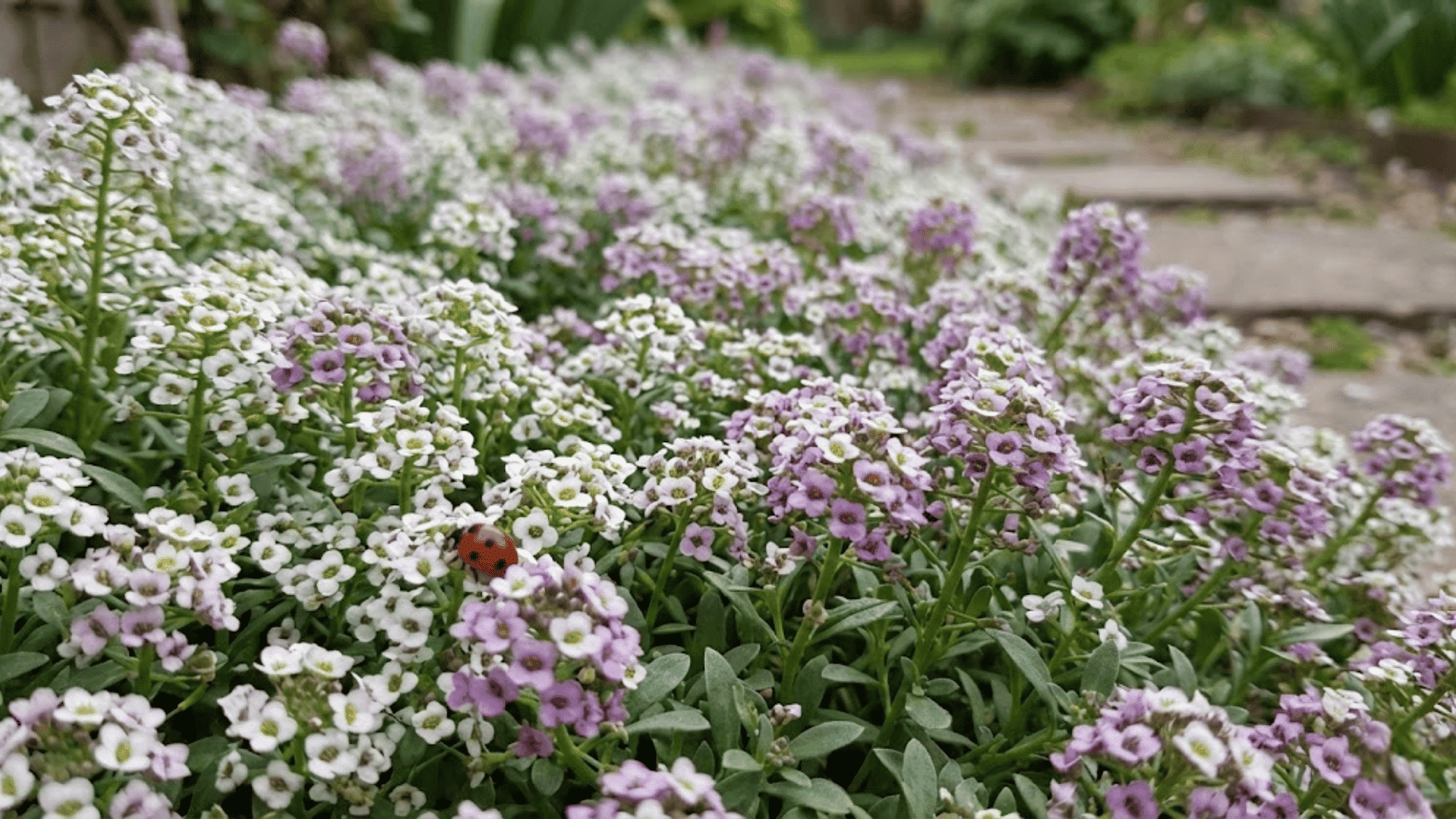
Color Profile: White, purple, or pink clusters
Sunlight Requirement: Full sun to partial shade
This low-growing annual forms fragrant carpets of tiny flowers that create shelter and food for ladybugs near ground level. The honey-scented blooms attract beneficial insects while filling gaps between larger plants beautifully.
Alyssum tolerates light foot traffic and reseeds enthusiastically, making it perfect for pathways and edging.
12. Nasturtiums
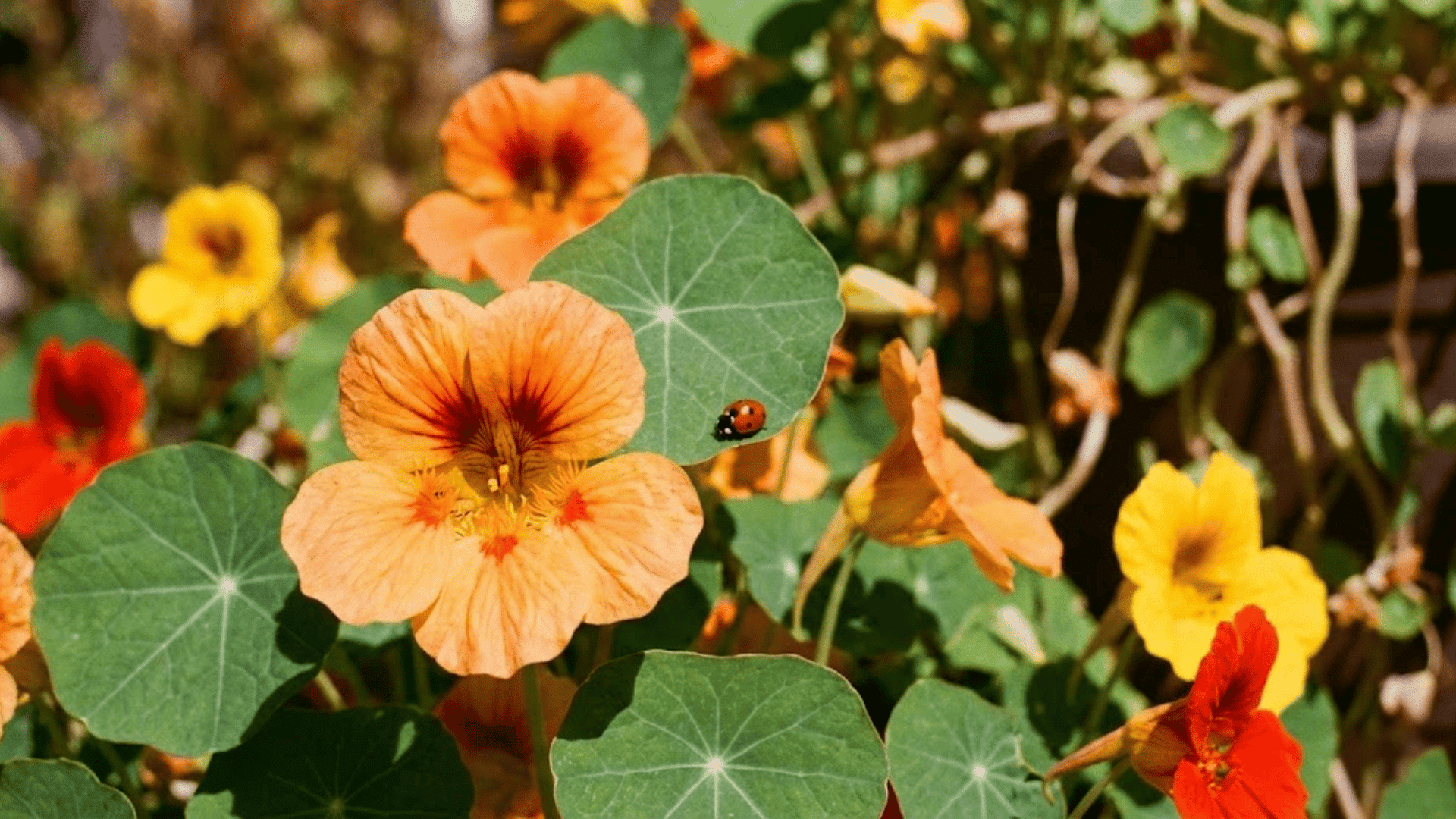
Color Profile: Orange, yellow, red, or cream
Sunlight Requirement: Full sun to partial shade
These colorful bloomers serve double duty as trap plants, attracting aphids that subsequently draw hungry ladybugs to your garden. Both the flowers and the round leaves are edible with a peppery flavor.
Nasturtiums thrive in poor soil and cascade beautifully from containers or climb trellises, adding versatility to any planting scheme.
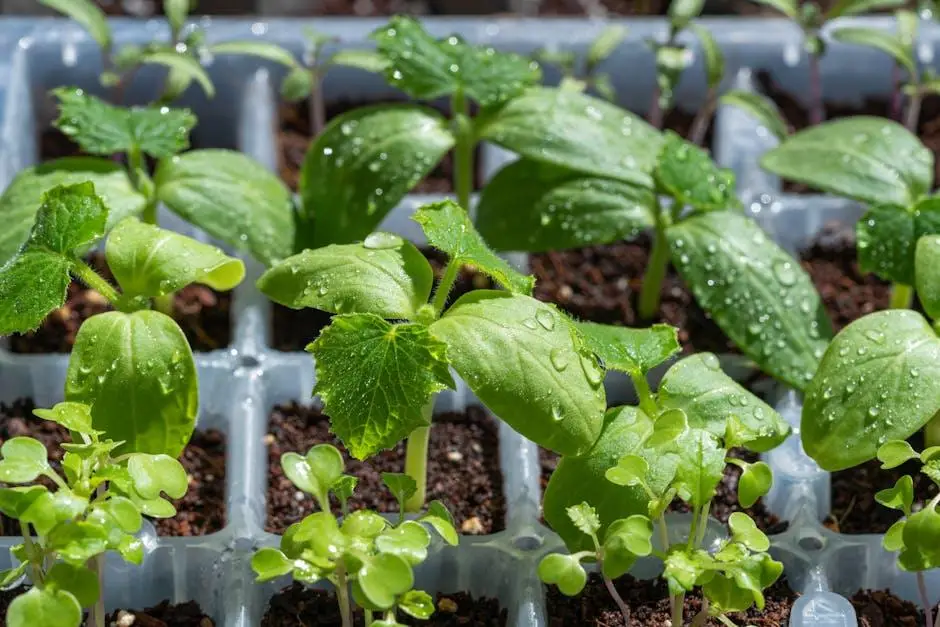
13. Brassicas
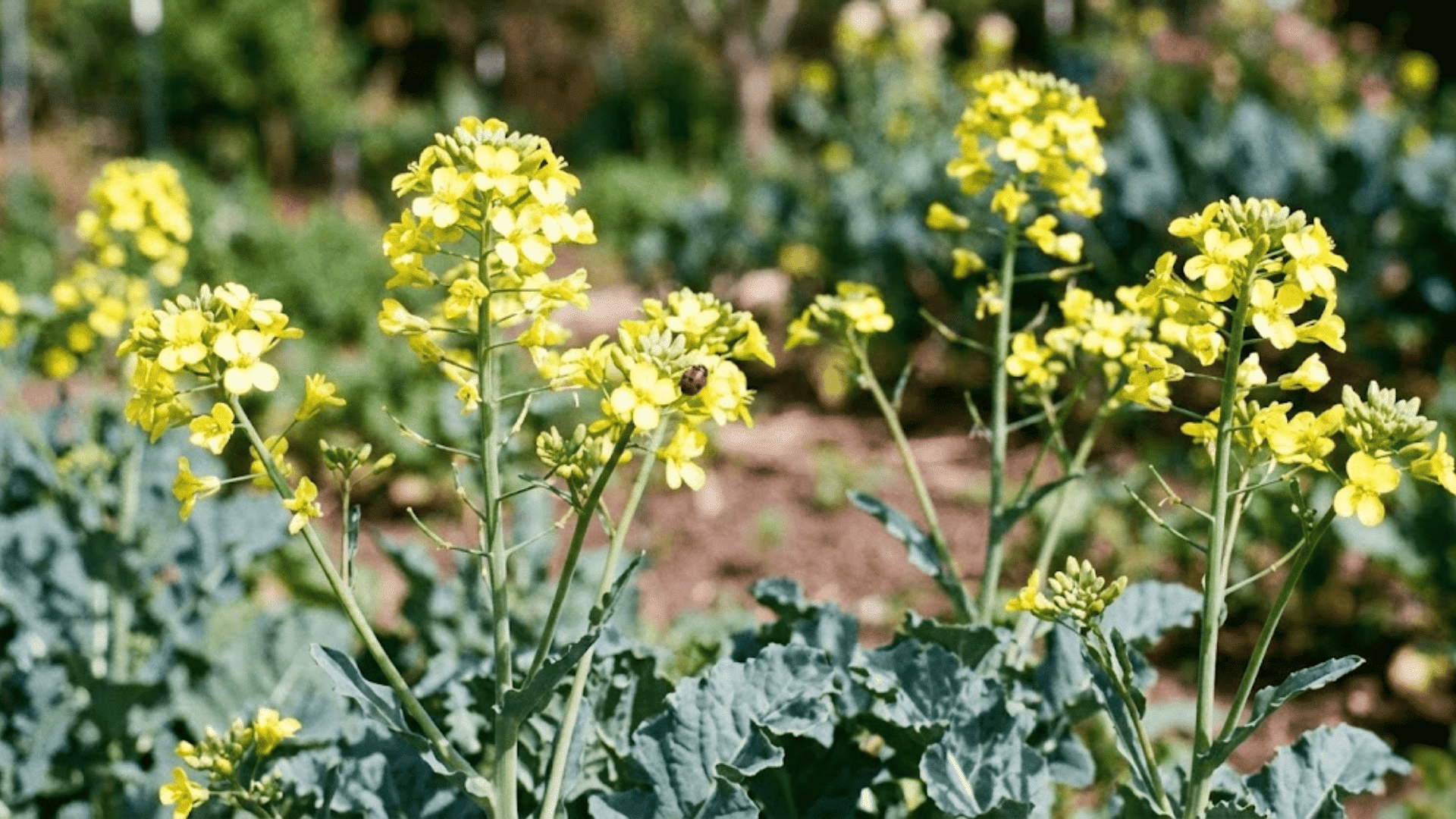
Color Profile: Yellow four-petaled flowers
Sunlight Requirement: Full sun
Let broccoli, kale, or cabbage plants bolt to produce clusters of bright yellow flowers that aphids readily colonize. These aphid populations become feeding stations for ladybug larvae, creating a sustainable pest management system.
The cheerful blooms also attract other beneficial insects, making bolted brassicas valuable contributors to garden biodiversity.
14. Zinnias
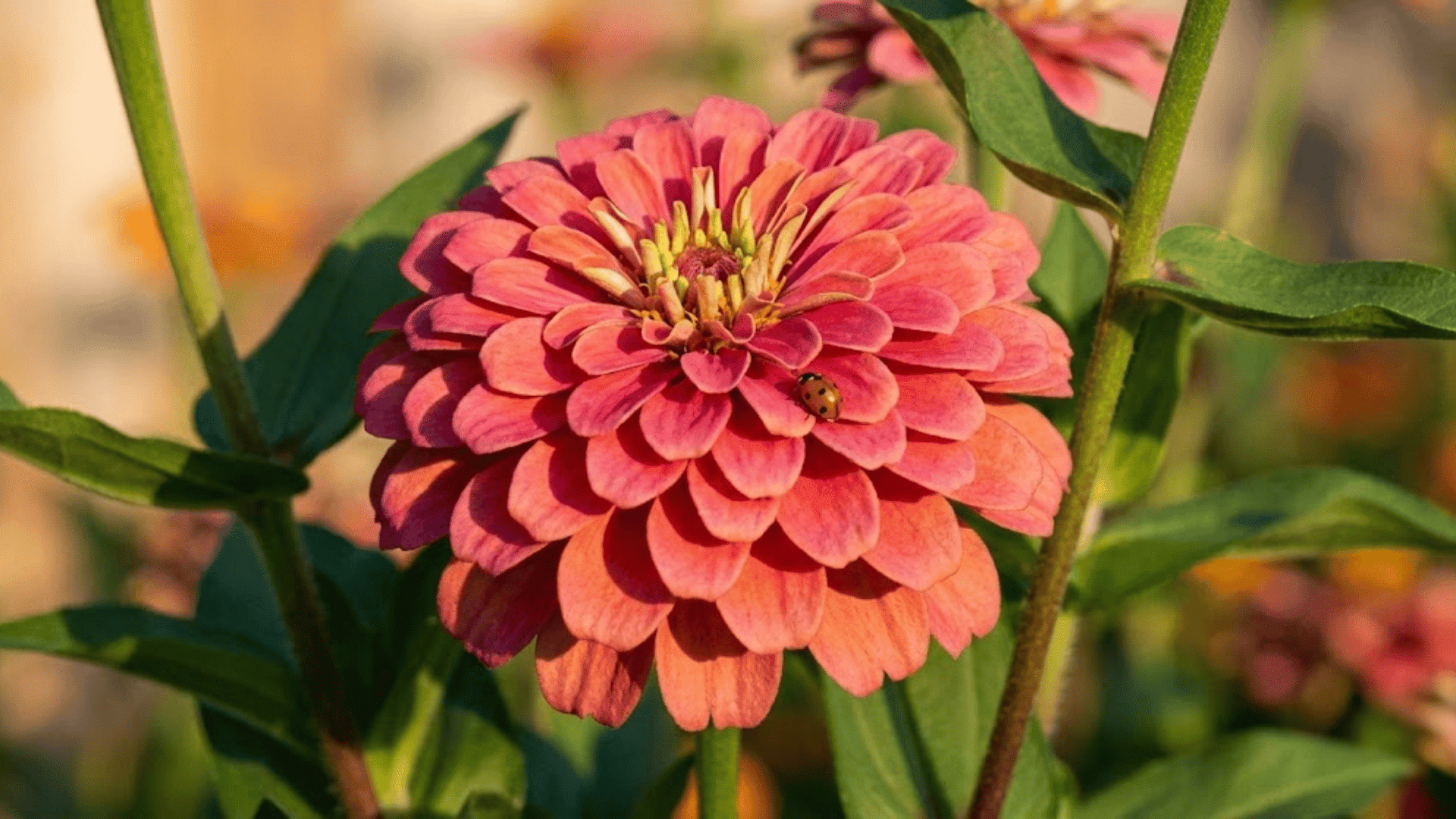
Color Profile: Vibrant rainbow hues in warm tones
Sunlight Requirement: Direct, bright light
Zinnias produce bold, long-lasting flowers with accessible pollen that ladybugs feast on throughout summer and fall. These heat-loving annuals come in countless varieties from button-sized pompoms to dinner-plate dahlia types.
The sturdy stems support beneficial insects well, and regular deadheading encourages even more blooms to keep ladybugs returning.
15. Dandelions
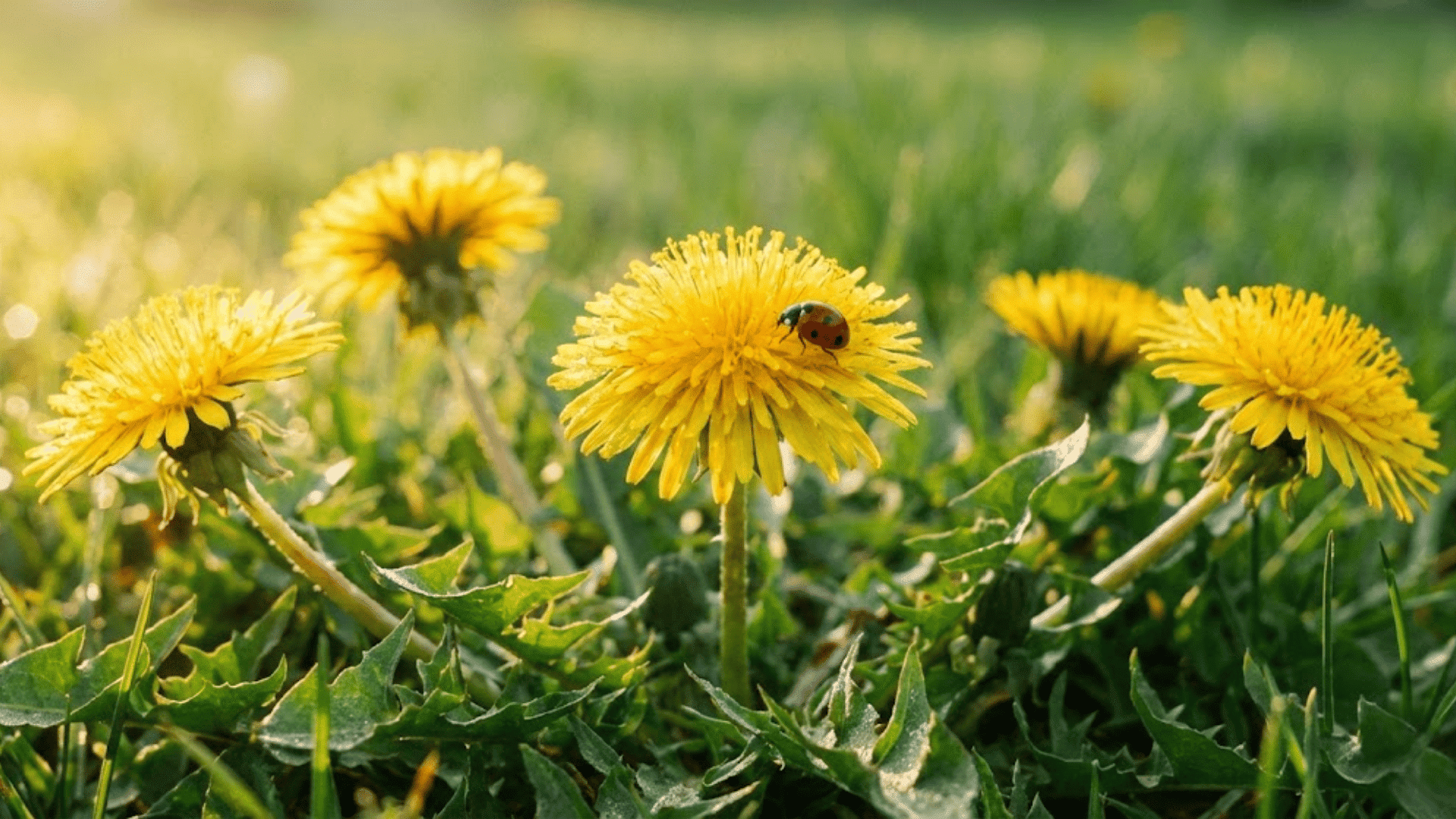
Color Profile: Bright golden yellow
Sunlight Requirement: Full sun to partial shade
Before you pull these common “weeds,” consider that dandelions provide crucial early-season nectar when little else is blooming.
Ladybugs emerging from winter dormancy rely on these flowers for essential nutrition. The plants require zero care, and their deep taproots improve soil health while supporting beneficial insect populations naturally.
16. Sunflowers

Color Profile: Yellow with brown or green centers
Sunlight Requirement: Full sun
Beyond their cheerful faces, sunflowers offer abundant pollen and often host aphid populations on their stems and leaves. Ladybugs patrol these tall plants for prey while enjoying nectar from the composite flowers.
Choose branching varieties for more blooms, or plant dwarf types in containers to bring ladybug-attracting power to patios and small spaces.
17. Russian Sage
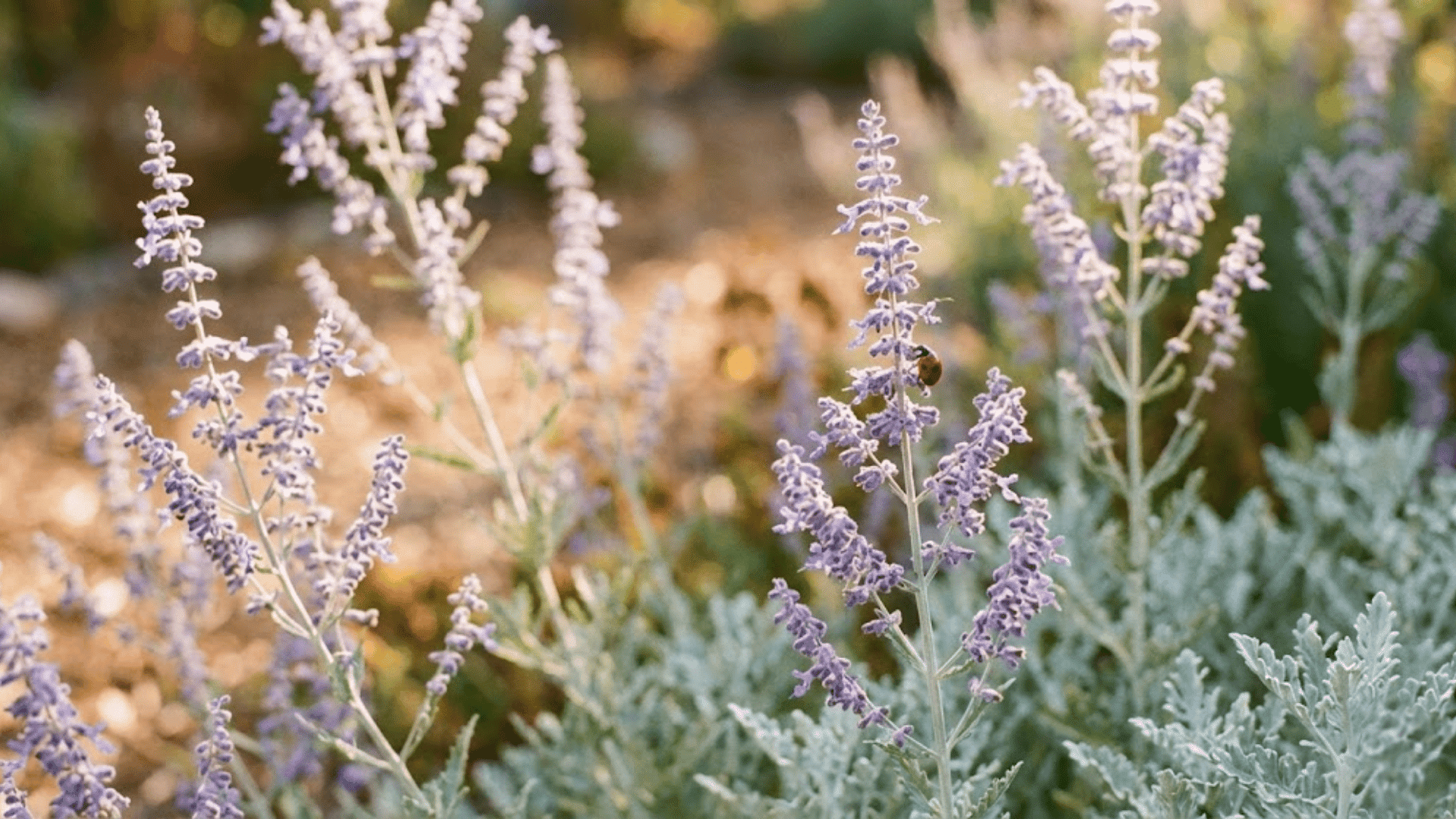
Color Profile: Lavender-blue spiky plumes
Sunlight Requirement: Full sun
This drought-tolerant perennial produces aromatic silvery foliage topped with airy flower spikes that ladybugs visit throughout late summer.
The long blooming period coincides with peak ladybug activity, providing reliable food when many spring flowers have faded. Russian sage requires minimal maintenance and adds wonderful height and texture to sunny borders.
Garden Design Tips to Attract Ladybugs
Thoughtful garden design makes all the difference in creating a space where ladybugs will settle in for the long term. Strategic placement of plants, water sources, and shelter transforms your garden into a ladybug sanctuary.
- Plant nectar-rich flowers in generous clusters rather than scattering them individually, making it easier for ladybugs to find and feed efficiently.
- Stagger your plantings to ensure continuous blooms from early spring through late fall, providing uninterrupted food sources throughout the season.
- Leave designated wild zones with undisturbed leaf litter and hollow plant stems where ladybugs can hide, rest, and overwinter safely.
- Position ladybug houses one to three feet above ground near flowering plants, offering convenient shelter close to their primary food sources.
- Place shallow water dishes with pebbles or small stones near garden beds, giving ladybugs safe drinking spots without the risk of drowning.
When these elements work together harmoniously, your garden becomes a self-sustaining ecosystem where ladybugs naturally thrive and multiply season after season.
Seasonal Strategies to Attract Ladybugs to Your Garden
Understanding ladybug needs throughout the year helps you maintain a welcoming habitat during every season.
Adjust your garden practices to support these beneficial beetles from their spring emergence through winter dormancy.
| Season | Planting Focus | Maintenance | Habitat Care |
|---|---|---|---|
| Spring | Early-blooming herbs like chives, parsley, and dandelions for emerging ladybugs | Delay garden cleanup to protect overwintering beetles | Allow plant debris to remain until temperatures warm consistently |
| Summer | Succession planting for continuous blooms through peak season | Deadhead spent flowers and provide consistent irrigation | Keep water dishes filled and refreshed during hot, dry periods |
| Fall & Winter | Let herbs and flowers go to seed for late-season nectar | Skip fall cleanup and leave stems standing | Preserve leaf litter and hollow stems as a hibernation shelter |
Common Mistakes to Avoid
Even with the best intentions, certain gardening habits can accidentally discourage ladybugs from calling your space home. Being aware of these common pitfalls helps you create a truly beneficial insect-friendly environment.
- Spraying broad-spectrum pesticides kills ladybugs along with pests, disrupting the natural balance you’re trying to establish in your garden.
- Doing a thorough fall cleanup by removing all leaves, stems, and plant debris eliminates the overwintering habitat that ladybugs desperately need to survive cold months.
- Purchasing and releasing ladybugs without first creating a proper habitat means they’ll simply fly away to find better conditions elsewhere, wasting your investment.
Building a sustainable ladybug population takes patience and the right environment, rather than quick fixes. When you avoid these mistakes and focus on long-term habitat creation, ladybugs will arrive and stay naturally.
The Closing Note
Your garden can become a thriving haven where ladybugs work tirelessly to keep pests in check, all without a single drop of chemicals.
By choosing the right plants, providing water and shelter, and maintaining a pesticide-free space, you’re investing in a natural pest control system that renews itself season after season.
Once you understand how to attract ladybugs, you’ll wonder why you ever relied on anything else to protect your plants.
Have you tried any of these methods in your own space? Share your ladybug success stories in the comments below!