I used to stand at my front door with a cup of coffee and nowhere to sit. Rain? I’d back up. Sun? I’d squint.
Then one day, I grabbed a chair, dragged it outside, and realized what I was missing: a space that felt like outdoors but still sheltered.
That’s when I started collecting covered porch ideas that didn’t feel like they came out of a catalog.
Now it’s your turn. If you’re craving a spot that’s peaceful, dry, and feels like you, this blog is built for that.
I’ll walk you through ideas that work for real homes, real weather, and real budgets. You won’t get fluff; just solid ways to shape a porch you’ll actually use and love.
Understanding What Makes a Covered Porch Work Well
A covered porch isn’t just a roof over some steps; it’s part of your home that should feel comfortable, useful, and welcoming. What makes it work well comes down to a few simple things.
First, the size should fit what you want to do there. If you just want a quiet place to read, you don’t need much room. But if you want to eat outside or have people over, you’ll need space for chairs and a table.
Next, think about how it connects to your house. You want it to feel easy to walk out and enjoy, not like it’s stuck on as an afterthought.
Good lighting and airflow matter too. A fan, some soft lights, or even a screen can make it better all year round.
Finally, your porch should match your style. Wood, paint, plants, or simple seating can make it feel just right without being too much.
How to Plan Your Covered Porch Design
Before you start building, you need a clear plan. That’s how you avoid mistakes, save money, and end up with a porch you’ll actually use. First, think about what you want your porch to do.
Is it for sitting quietly? Eating with family? Hanging out with friends?
Your answer will shape everything: how big it should be, what it’s made of, and how it connects to your house.
Style comes next. Look at your home. Is it simple? Classic? Modern? Your porch should feel like it belongs to it.
For covers, you’ve got choices: a roof extension for a clean look, a pergola for a light feel, or an awning if you want flexibility. Metal and polycarbonate are stronger and last longer in rough weather.
Don’t forget your local climate. Hot sun, heavy rain, snow, or sticky air can all affect what works. You might need shade, airflow, or privacy. Fans, screens, and curtains help.
Then pick colors and textures that match your home. Go for what feels calm and easy. Last, measure everything. Think about how much space you need for chairs, walking room, and a clear path to the door. Planning now makes the porch feel right later.
Covered Porch Materials: What to Know Before You Choose
Choosing the right material for your covered porch is one of the most important steps in the whole process.
Each option has its own pros and cons, depending on your climate, your home’s style, and how much upkeep you’re okay with. Wood is warm and classic, but it needs care, especially in wet or humid places.
Metal lasts longer and holds up well in snow and rain but can get hot in the sun. Composite is a mix of wood and plastic that resists rot, insects, and warping, though it can cost more up front.
Other roof options include:
- Retractable covers: great for flexible shade but may not hold up in strong wind or snow.
- Polycarbonate panels: light, tough, and see-through; good for rain but not for blocking heat.
- Fabric covers: soft look, easy to change, but not for year-round weather.
No matter what you choose, the weather in your area should guide you. Hot, sunny places may need UV protection and airflow. Rainy spots need leak-proof roofing.
In snowy places, strength matters more than looks. Think about what your porch will face daily—and pick materials that can handle it.
Covered Porch Ideas for Every Style and Space
Your porch doesn’t have to be boring or unused. With the right ideas, it can become your favorite place to sit, relax, or even hang out with friends and family.
Here are some easy and fun front porch cover ideas to make your covered porch match your space and style:
1. Modern Wood-Slat Cover
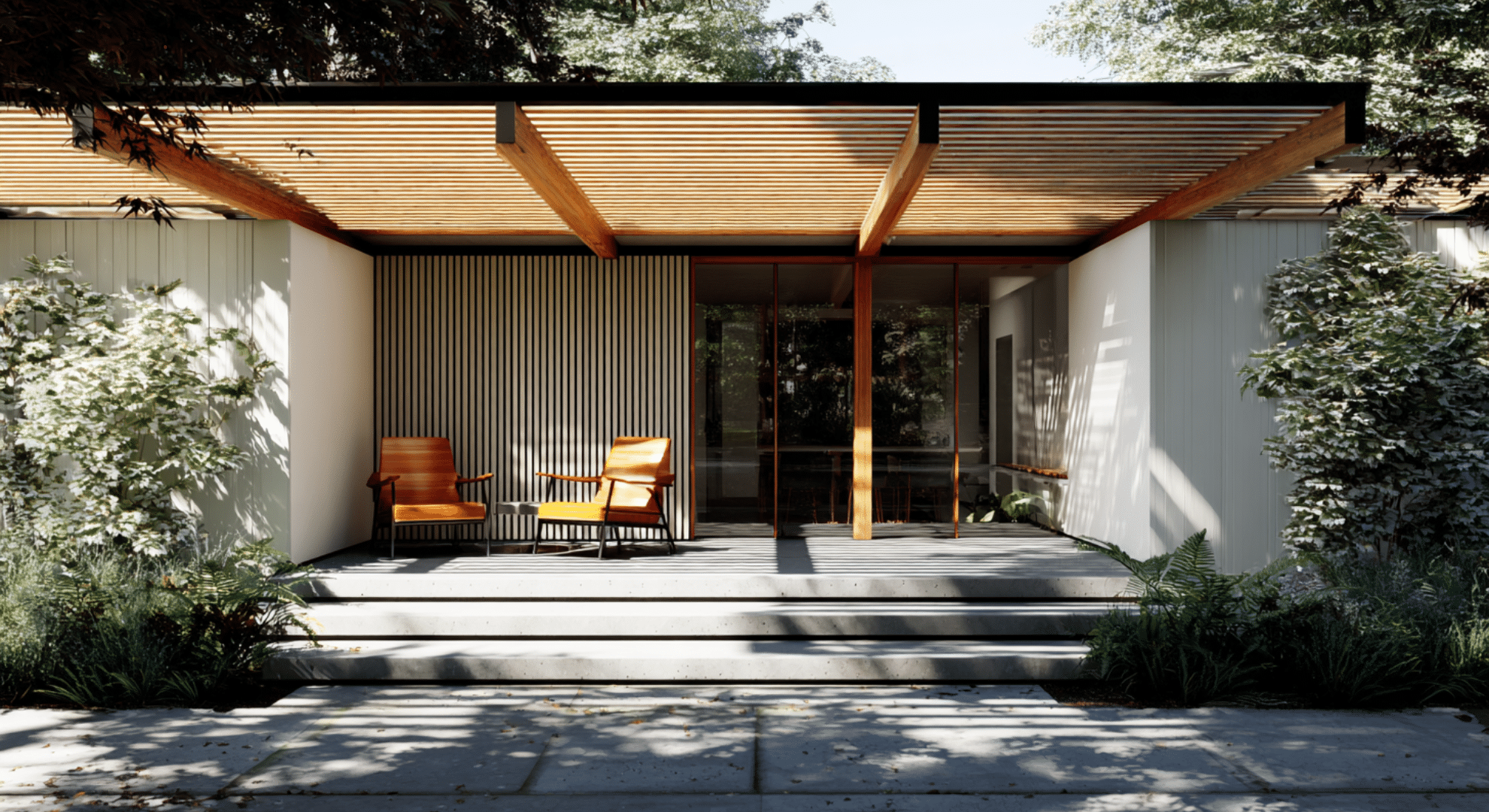
This design uses slim, spaced-out wooden slats that give shade while letting some light through. It feels simple and modern, especially when painted or stained to match your home.
It’s great for airflow and gives a clean, open look. Perfect for warmer places where you want light shade without fully blocking the sun.
2. Farmhouse Porch with Thick Beams
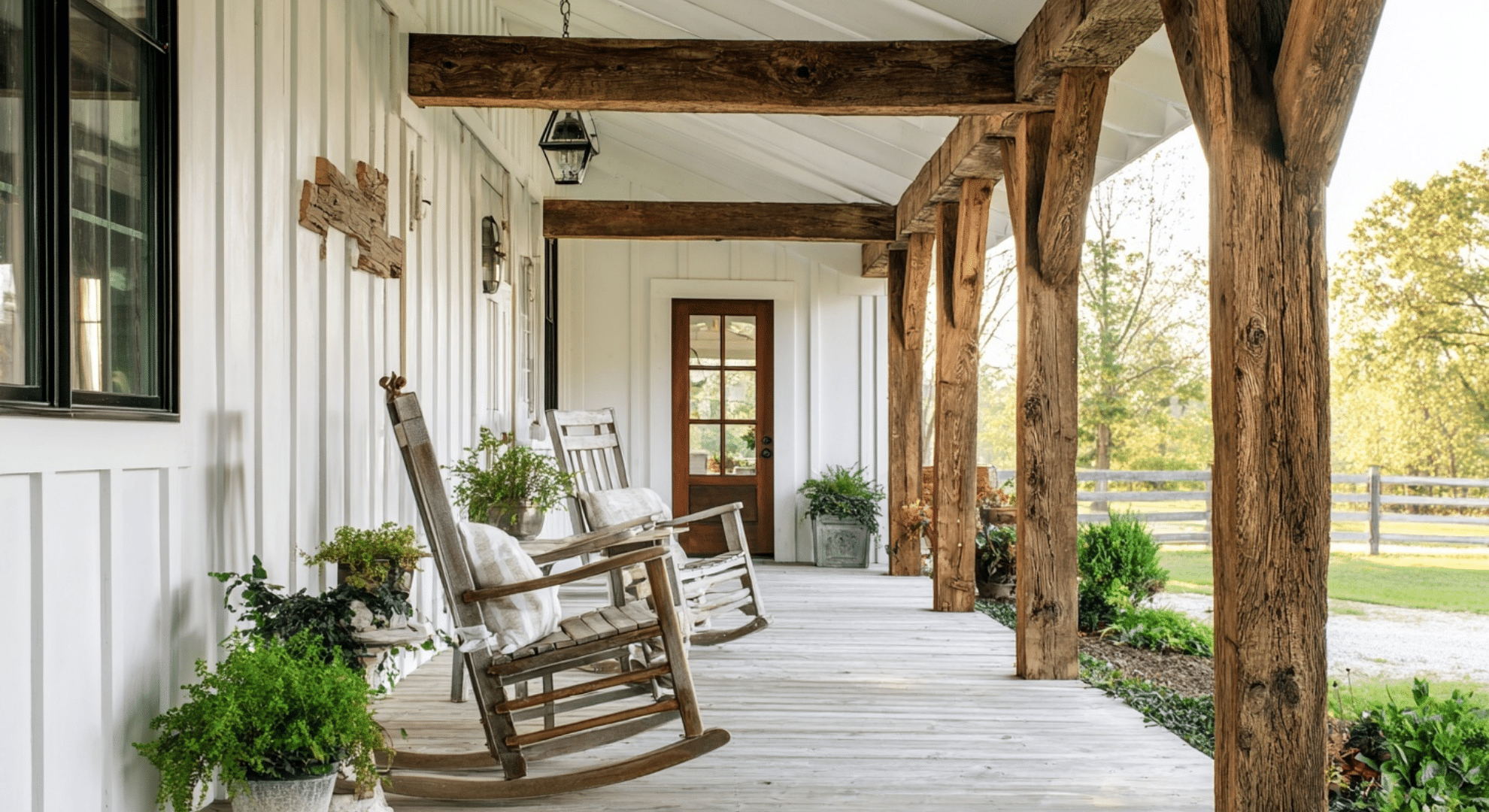
Big, chunky wood beams give a porch that strong, farmhouse feel. It works well with white siding, brick, or stone. The thick structure makes it look grounded and cozy.
Add a swing, lantern lights, or wooden rockers for that country-style charm. It’s great if you want something solid that stands out.
3. Coastal Breezy Curtains
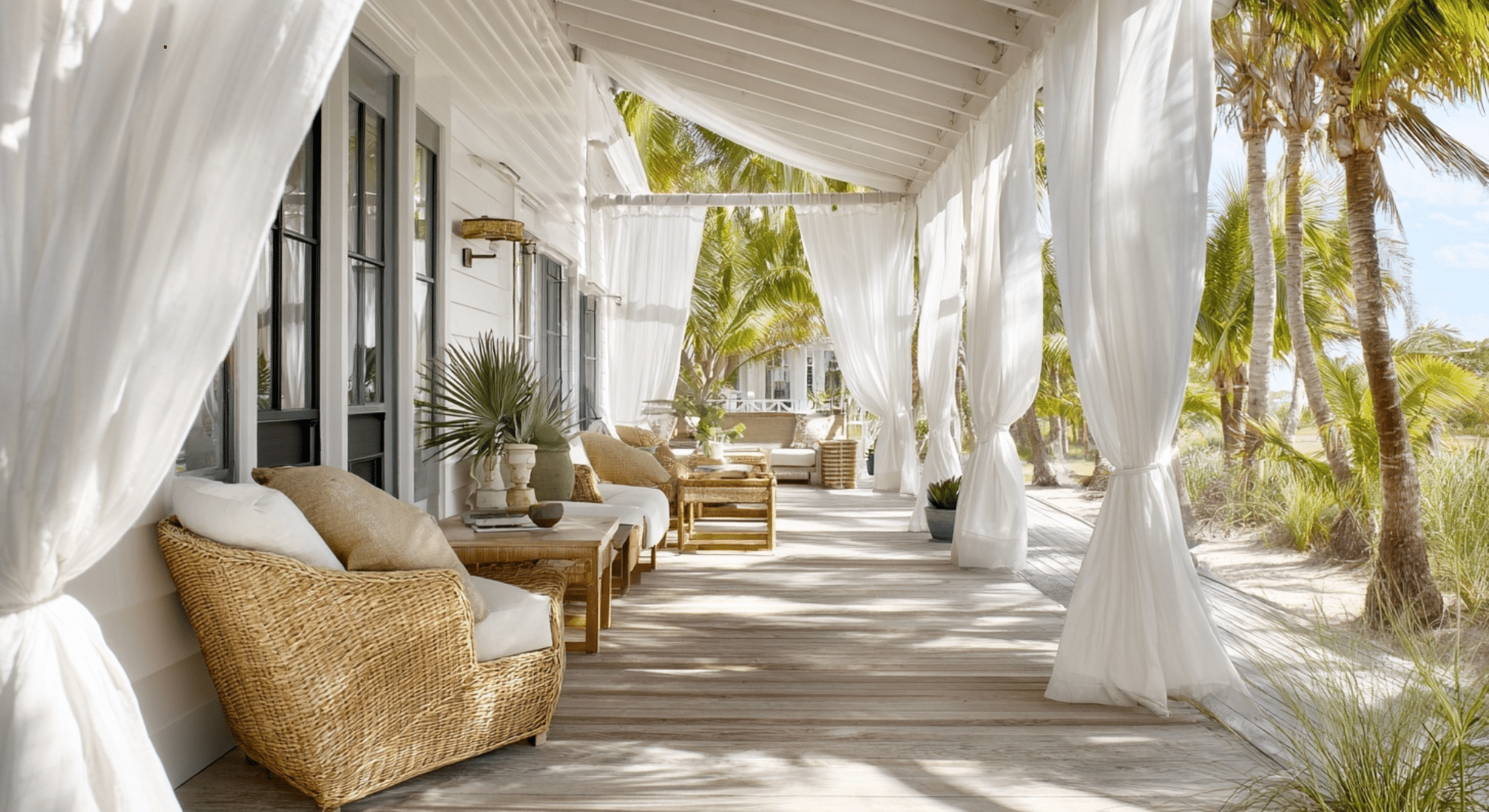
Light curtains that sway in the breeze can make your porch feel like a beach getaway. They add shade and a little privacy without closing things off. Use white or light colors for a soft, airy feel.
This setup works best in warm, sunny climates where you want a calm, relaxing vibe.
4. Rustic Reclaimed Timber Cover
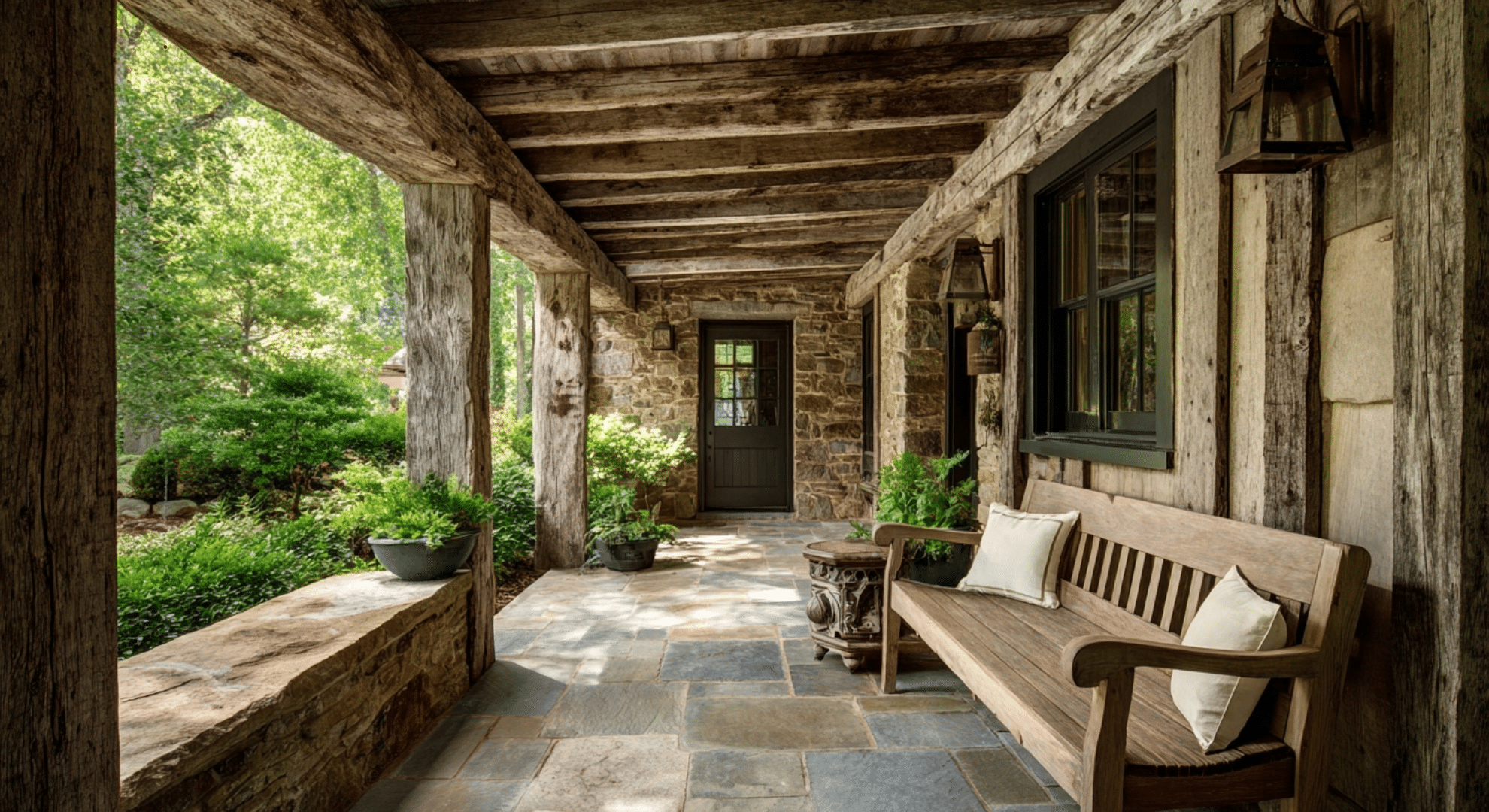
Old wood beams bring a worn, rugged look that adds character. If you like things that feel broken-in and real, this one’s for you.
The weathered wood pairs well with stone, brick, or metal. It’s strong and sturdy, great for porches in the country or mountain areas with changing weather.
5. Minimal Porch with Clean Roof Lines
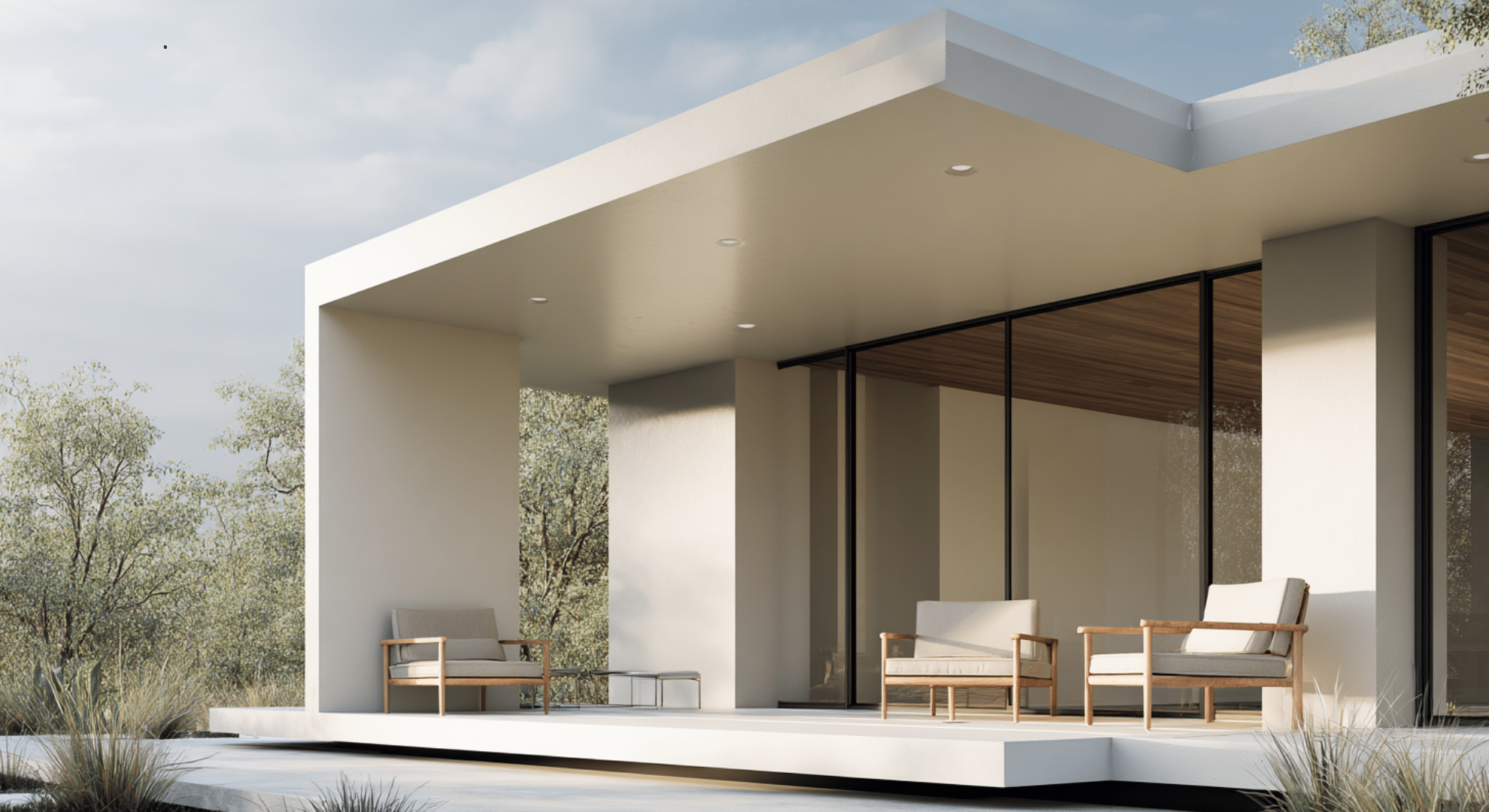
This one’s all about keeping it simple. A flat or gently sloped roof, smooth materials, and no extra details give it a neat, modern look.
Perfect if your house is already clean and square in style. Keep furniture low and simple to match the quiet, tidy look.
6. Metal-Roof Porch
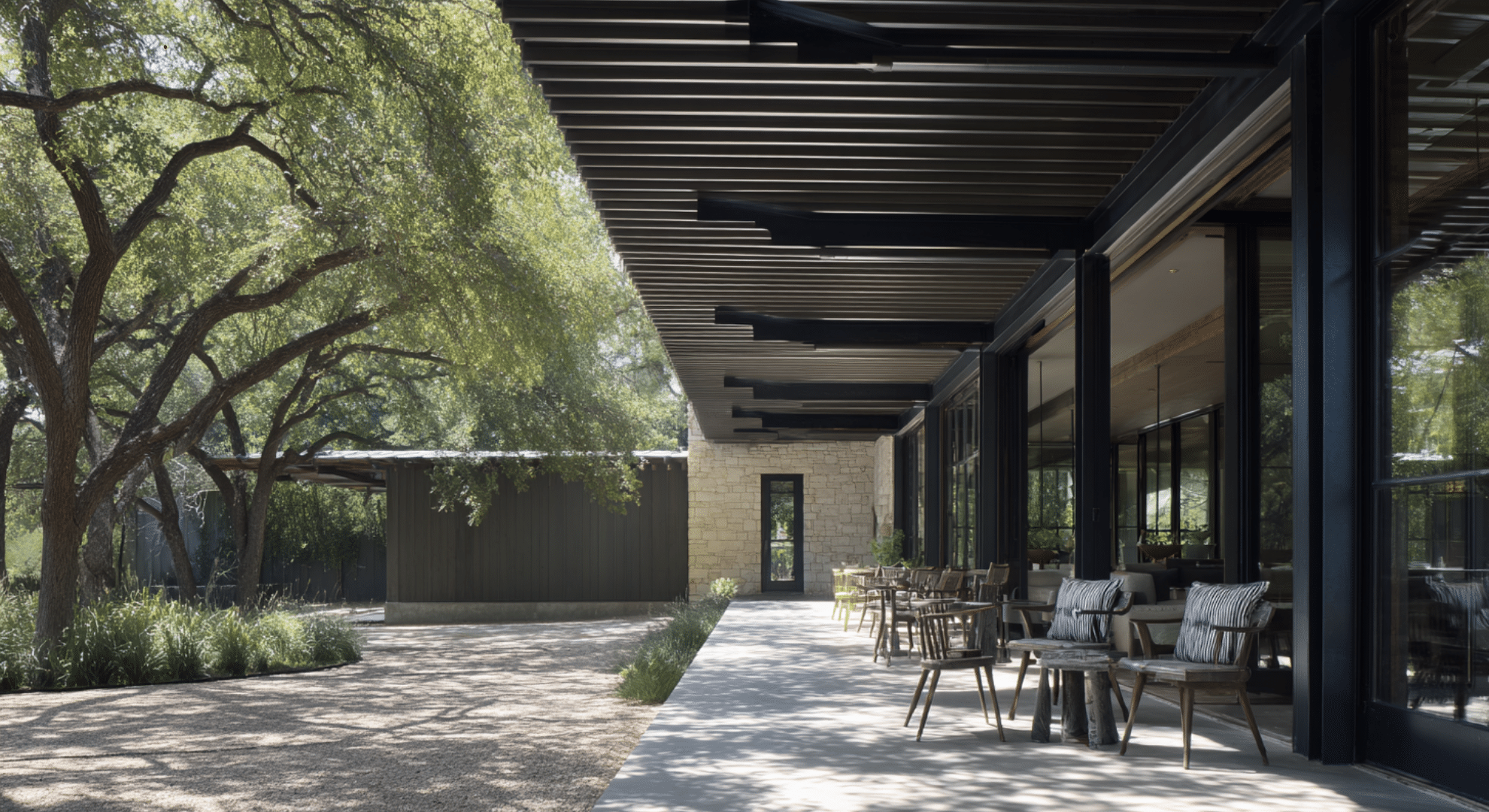
Metal roofs last long, hold up in bad weather, and bounce sunlight to keep things cool. This type looks sharp with farmhouse, industrial, or modern homes.
It’s strong and useful all year. Some folks love the sound of rain on the roof, just something to think about if you’re into that kind of calm.
7. Pergola with Climbing Vines
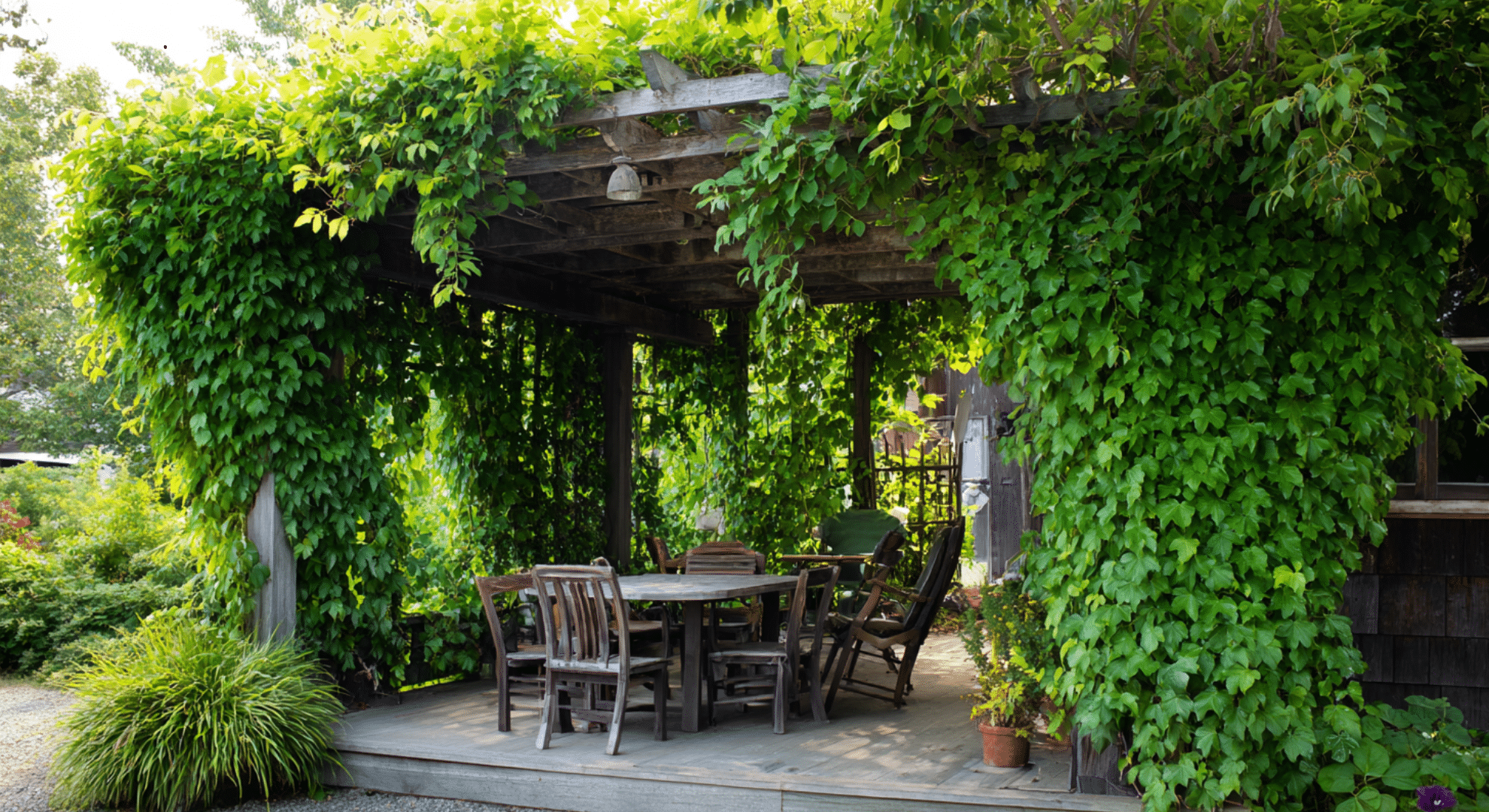
A pergola gives soft shade, and when you let vines grow over it, it turns into a green, living roof. You can use jasmine, grapevines, or ivy to cover the top slowly.
It’s great for areas with sun but not too much rain. This one feels close to nature and adds calm to your porch.
8. Retractable Fabric Cover
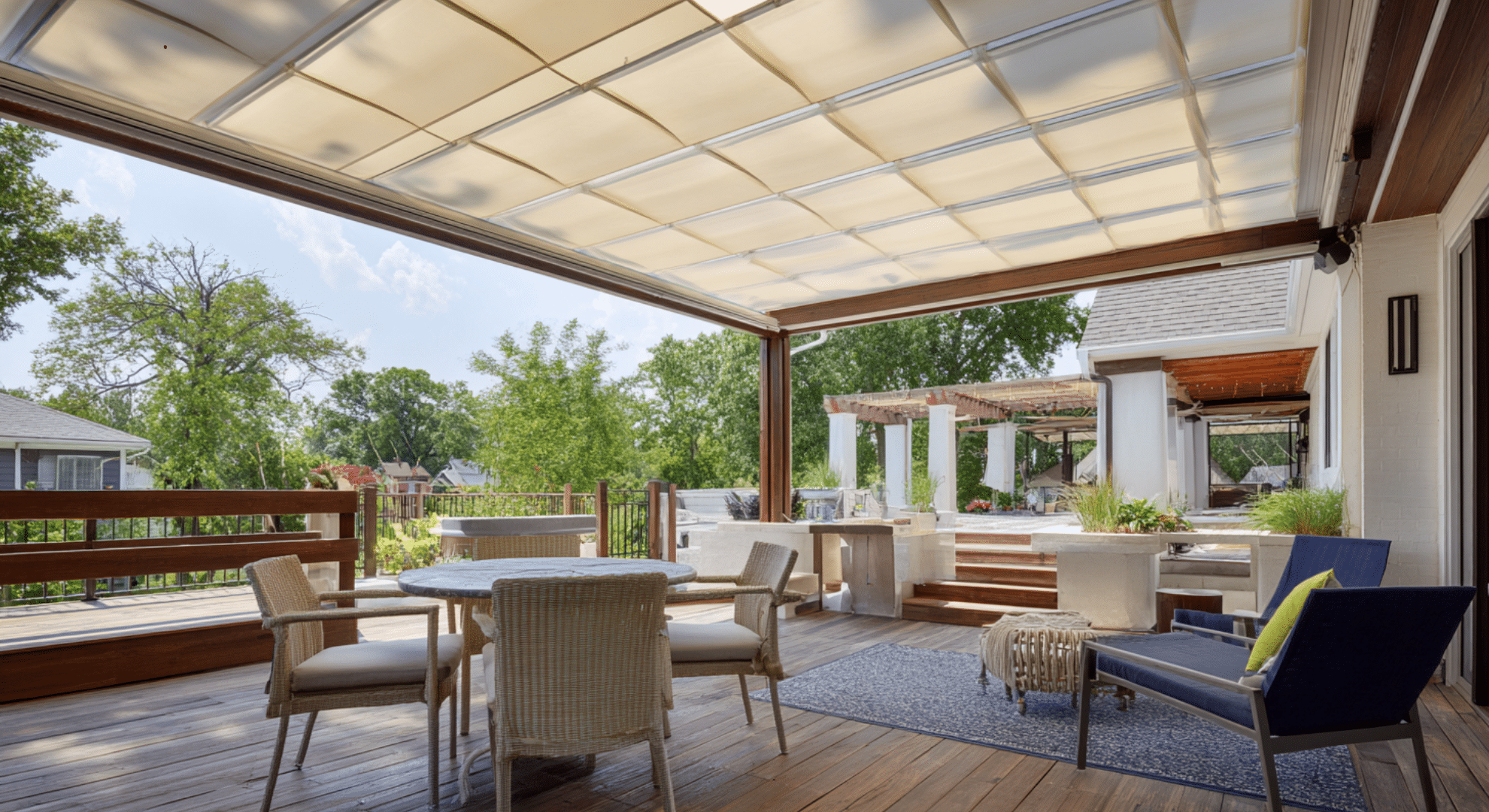
This setup lets you control your shade. Pull the fabric out on sunny days, push it back when you want open sky.
It’s a good choice if your weather changes often and you want options. Just know it may not be the best for heavy snow or strong winds.
9. Small Porch with Cozy Bench
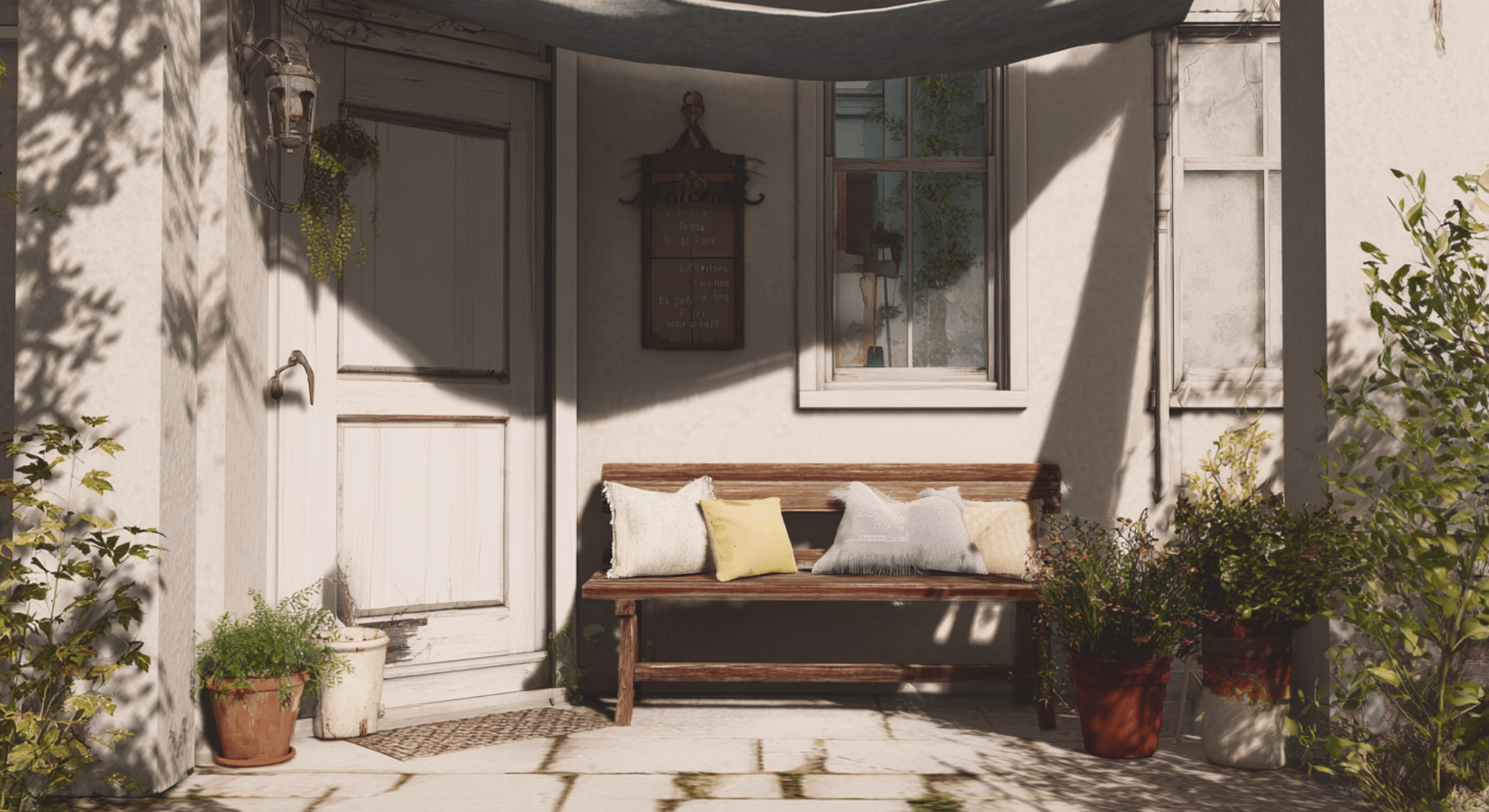
Even a tiny porch can feel good. A soft bench, a few pillows, and a small plant can turn it into a peaceful spot.
Use a simple cover like a small awning or roof extension to block rain or sun. It’s a nice choice for smaller homes or front door areas.
10. Narrow Porch with Slim Roof Extension
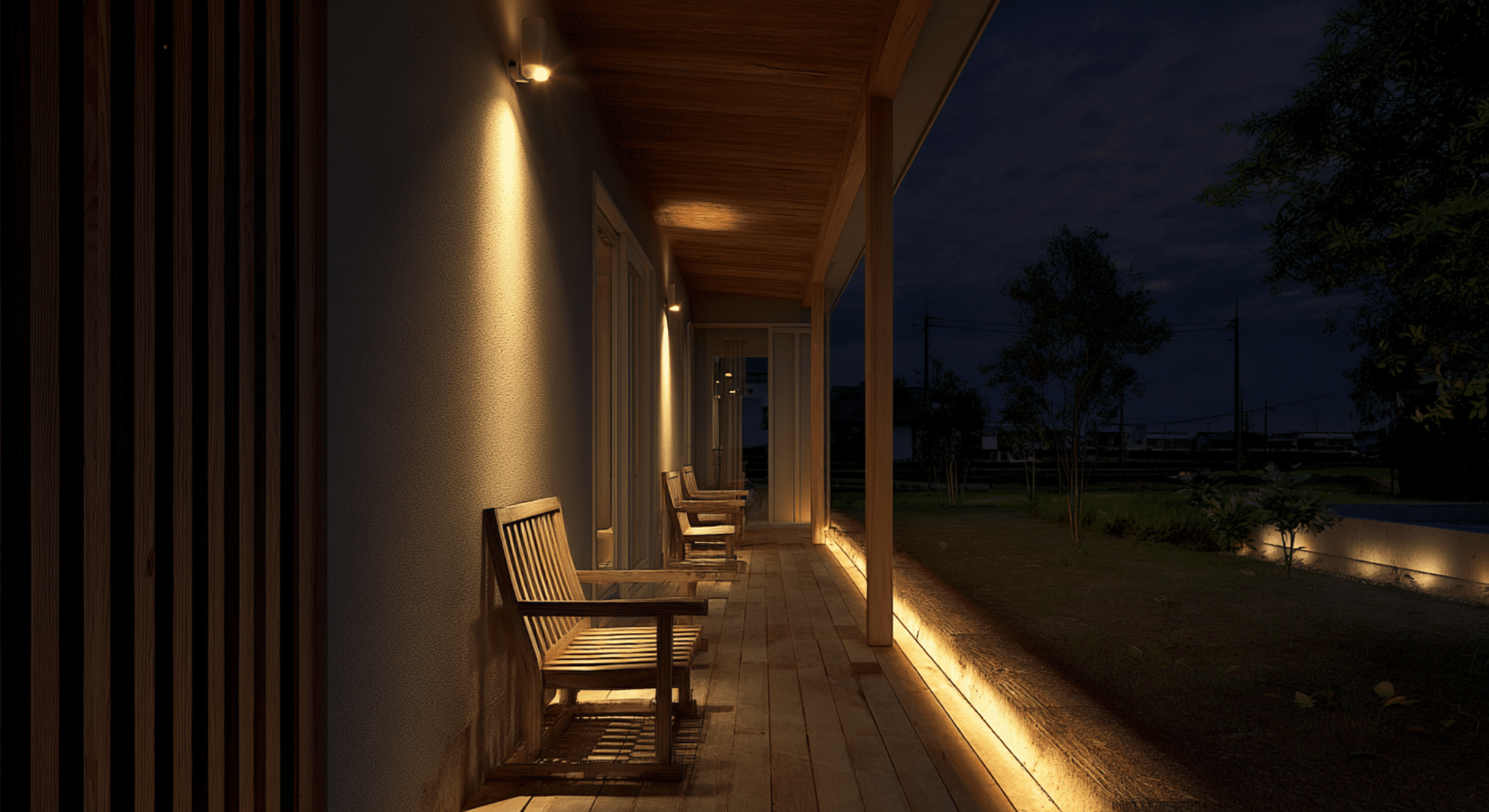
If space is tight, a thin roof extension gives just enough cover. It keeps your doorway dry and adds a clean line above.
Use slim chairs or a small stool to make it useful. It’s great for townhomes, narrow lots, or homes with limited porch space. Simple, light, and easy to build.
11. Wraparound Porch with Continuous Roof
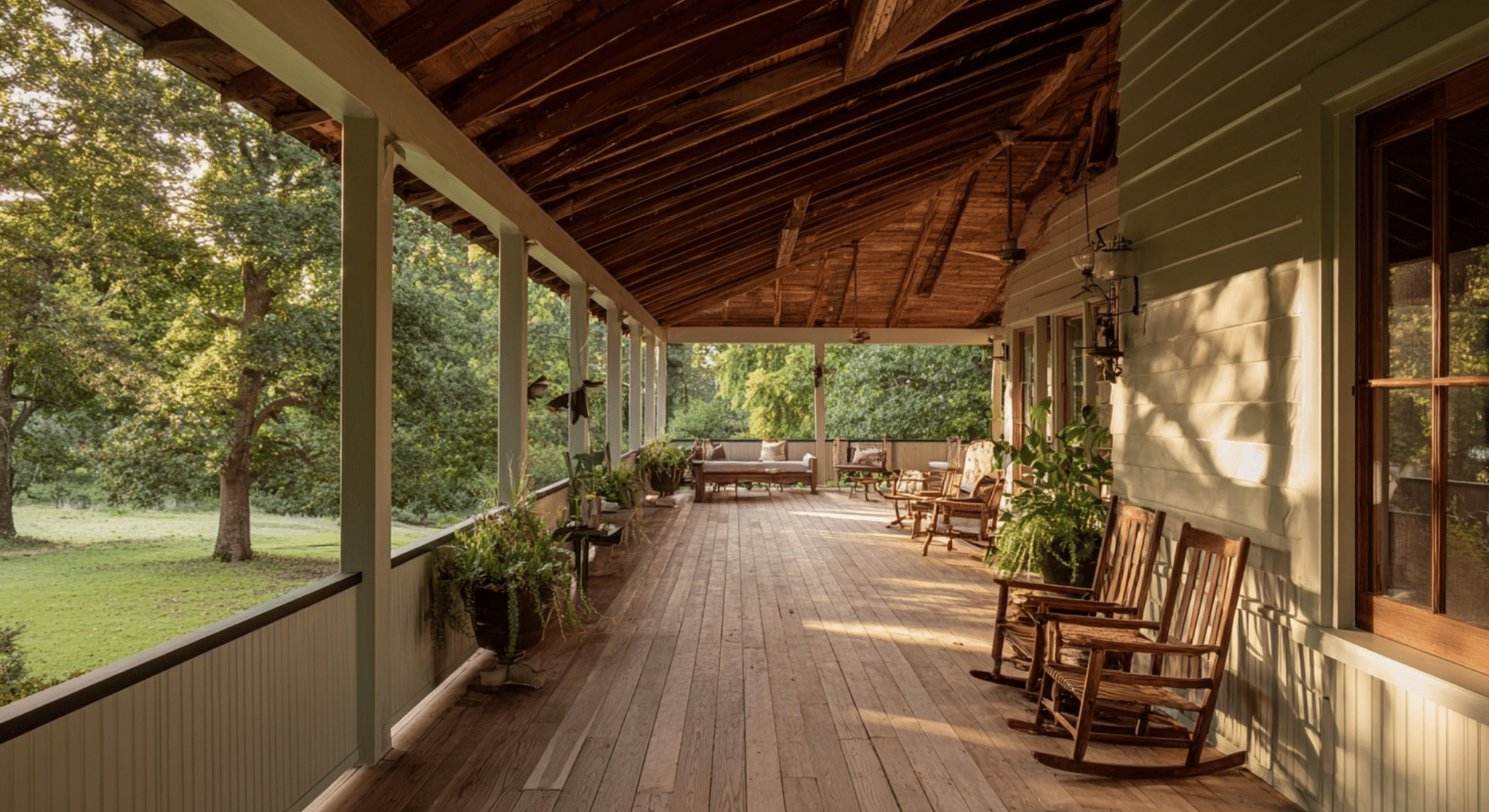
This porch circles around the house, giving lots of space and shade on more than one side. A single, smooth roof ties it all together.
Great for watching the yard from different angles or following the sun (or shade). Add chairs, swings, or tables anywhere, it’s flexible and makes the house feel open and wide.
12. Corner Reading Porch
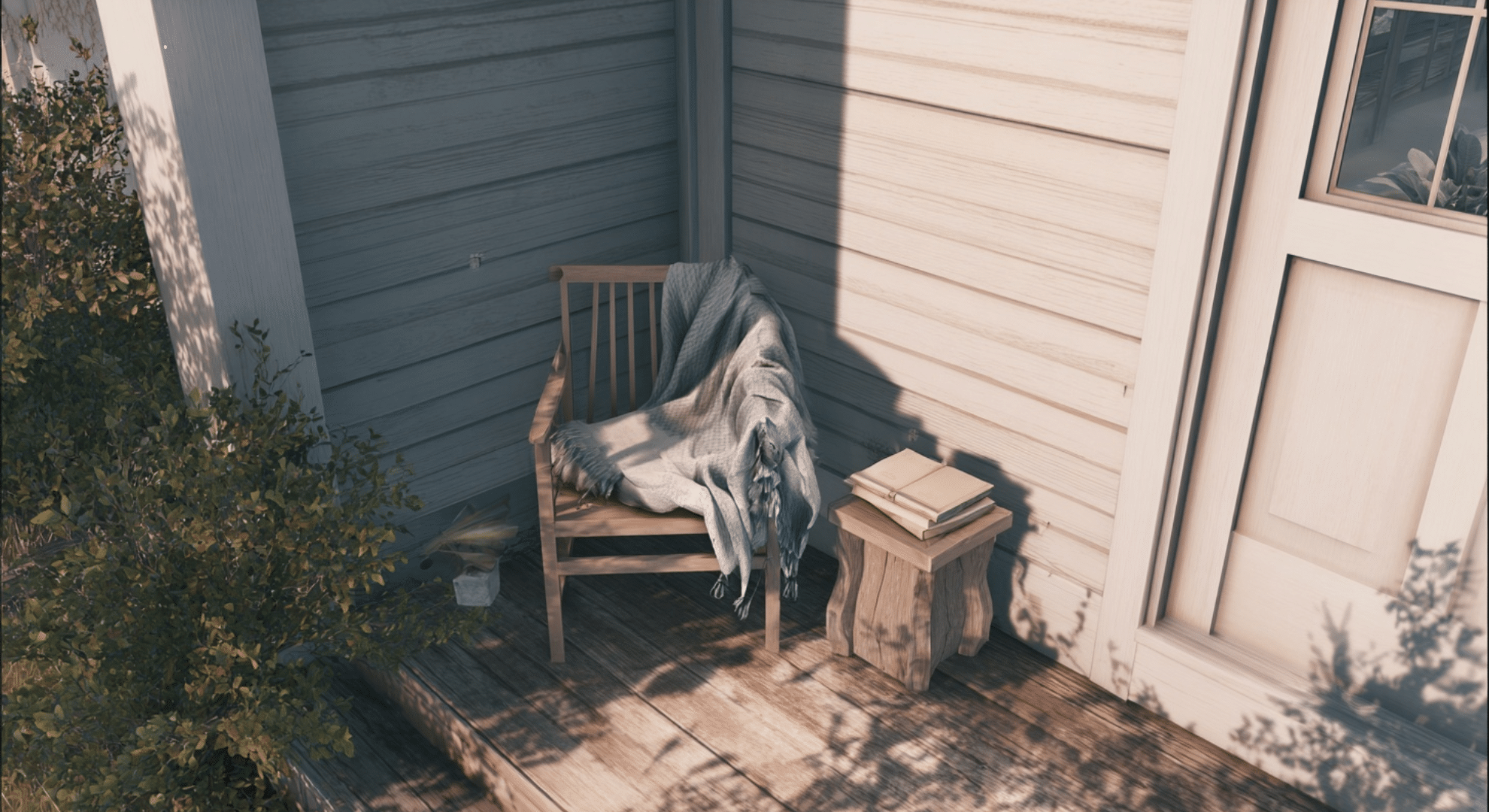
Tucked into the corner of your house, this small porch is perfect for quiet time. Add a comfy chair, a small shelf, and cover it just enough to keep the weather out.
It’s great if you want a peaceful space that feels a bit hidden. Good for reading, resting, or just sipping something warm.
13. Dining Porch
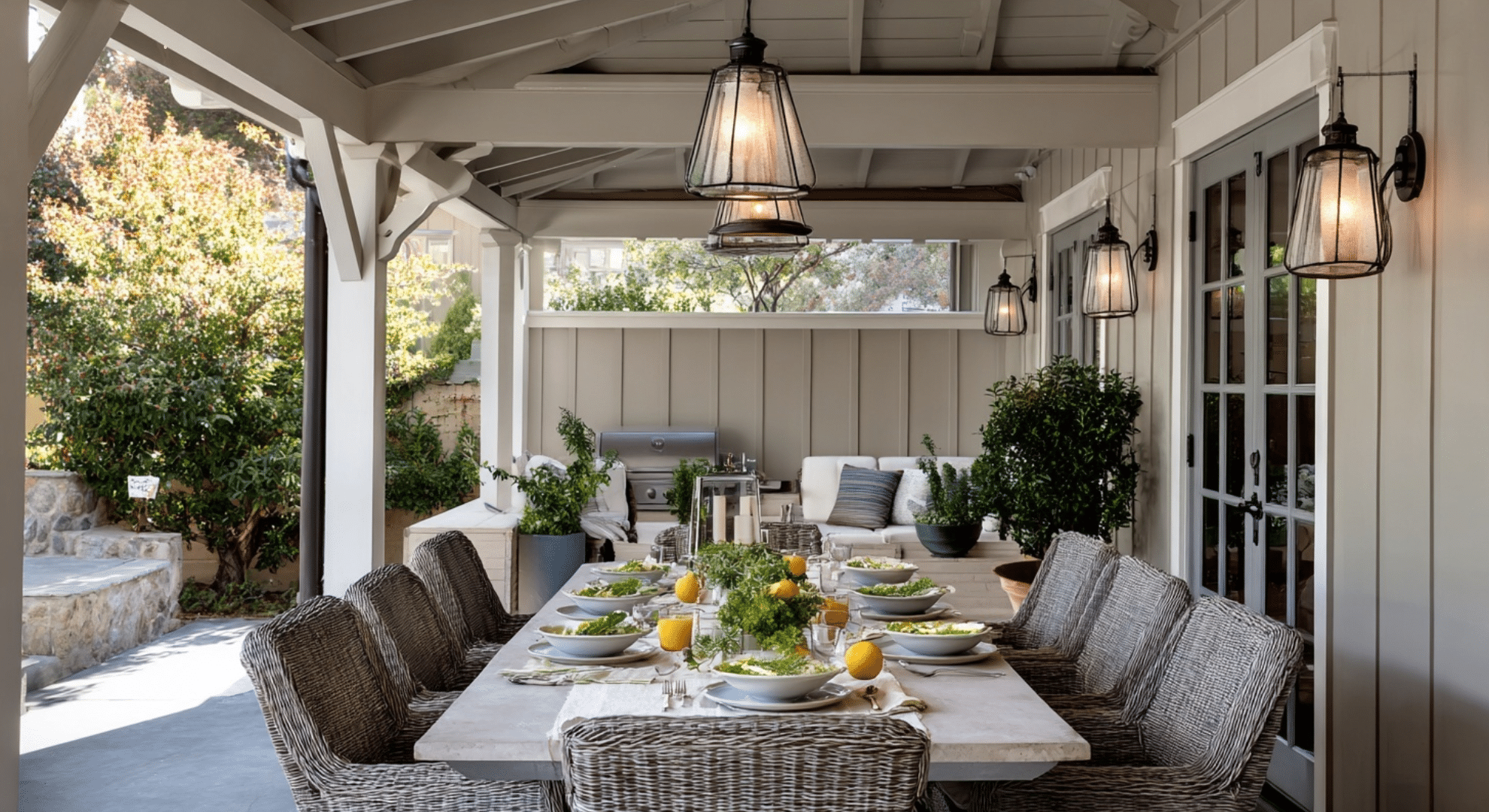
This porch is built for meals outside. Make sure the cover is wide enough to keep the table dry and shaded.
Use string lights or a fan for comfort. It’s perfect for family dinners or small get-togethers, giving you the feel of eating outside without the bugs or too much sun.
14. Covered Lounge Area
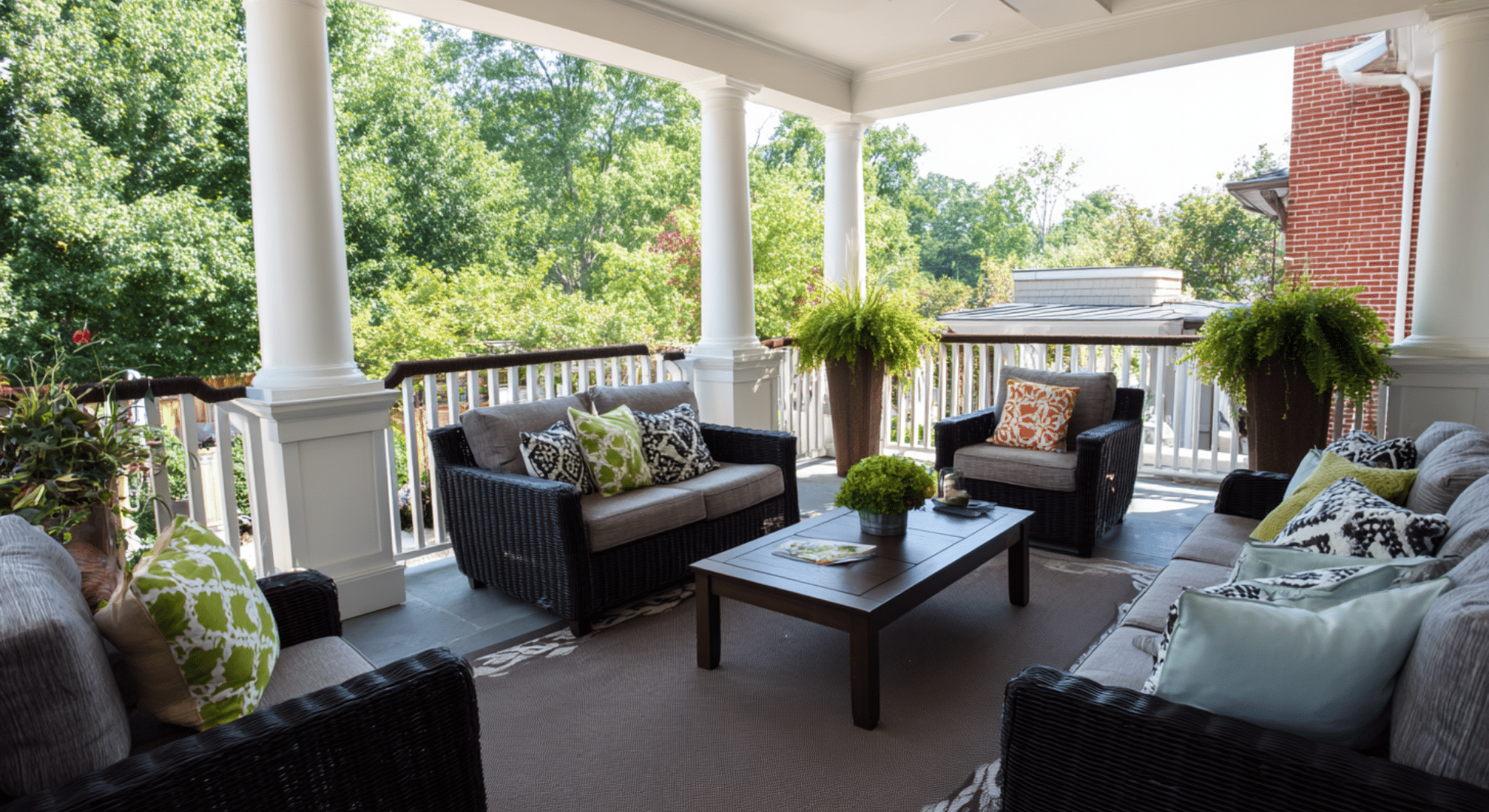
Think soft chairs, a coffee table, and maybe a rug under a solid roof. This porch is for relaxing, talking, or watching the day go by.
The cover keeps things dry and cool, so you can use it more often. Great if you want your porch to feel more like a second living room.
15. Porch Cover with Skylights
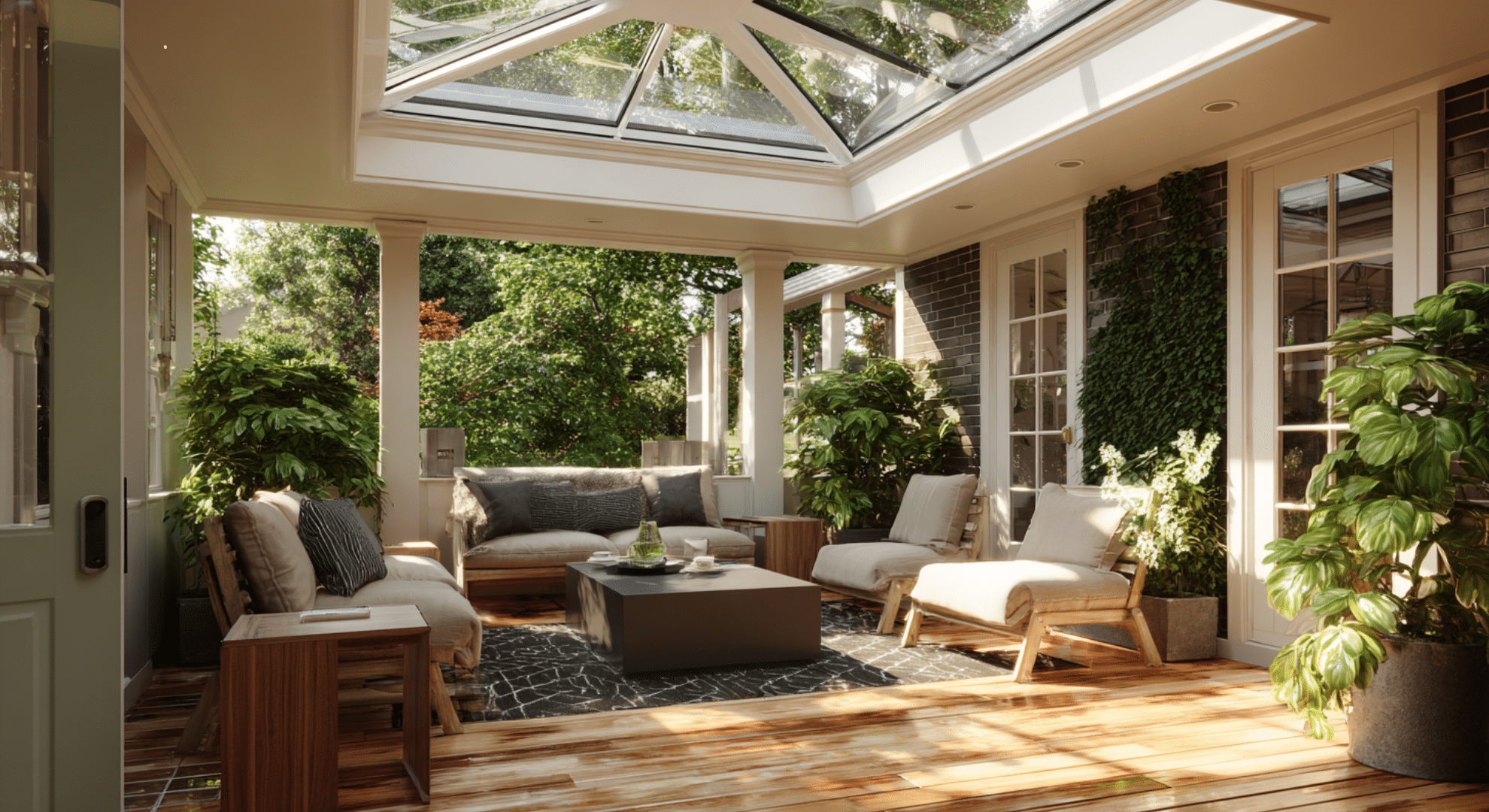
Add skylights to your porch roof if you want light without giving up coverage. They let in the sun but still keep out rain. It’s perfect for darker porches or areas that face away from the light.
You get a bright, open feel without losing the shade or roof protection.
16. Porch with Privacy Screens
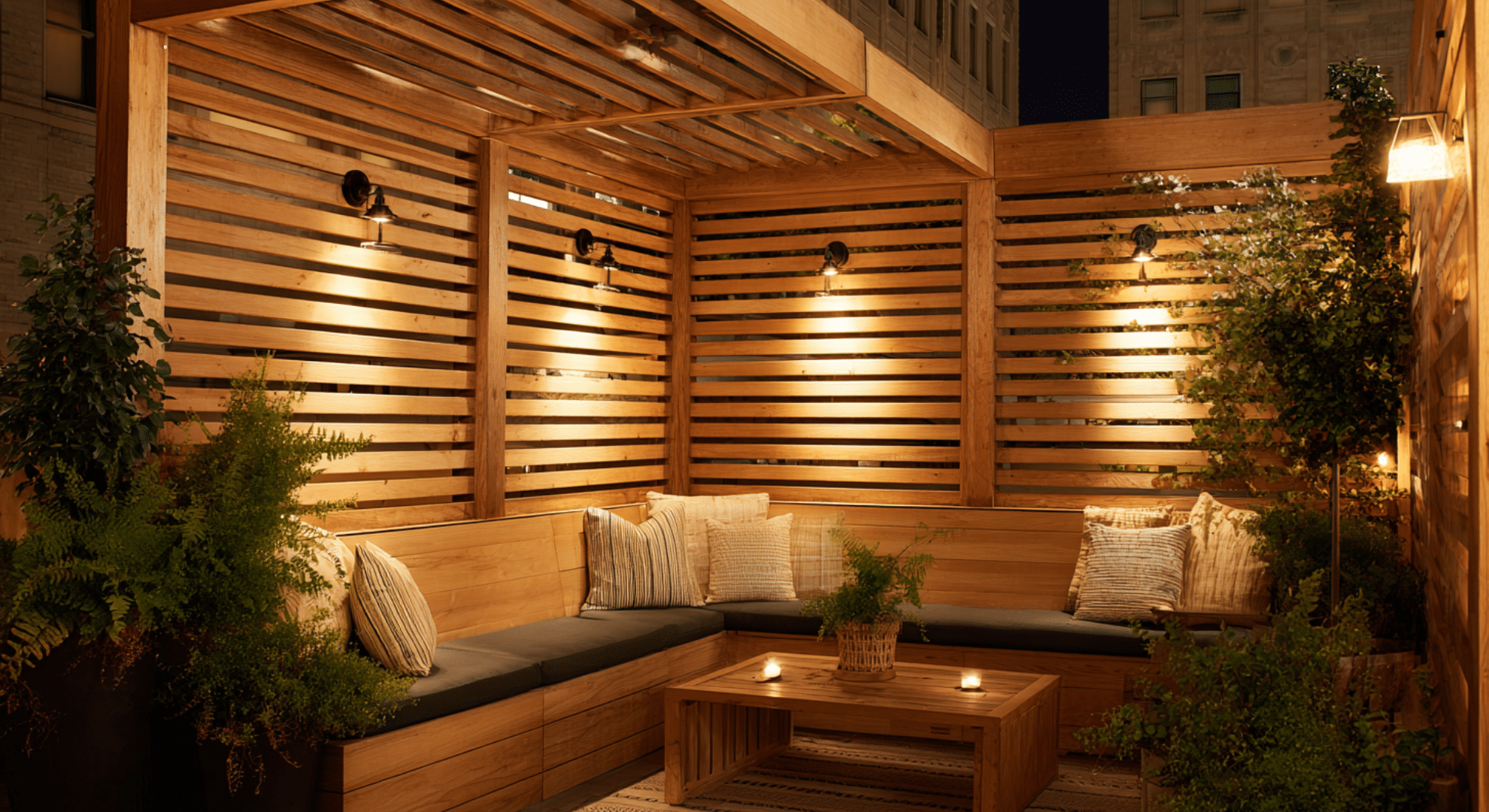
Privacy screens can be wood, fabric, or metal, and they help block views from neighbors or streets. They also cut wind and give a cozy feeling.
Add them to one or two sides of your porch. It’s a smart choice if you want your porch to feel more like your own space.
17. Brick Porch with Classic Entry Cover
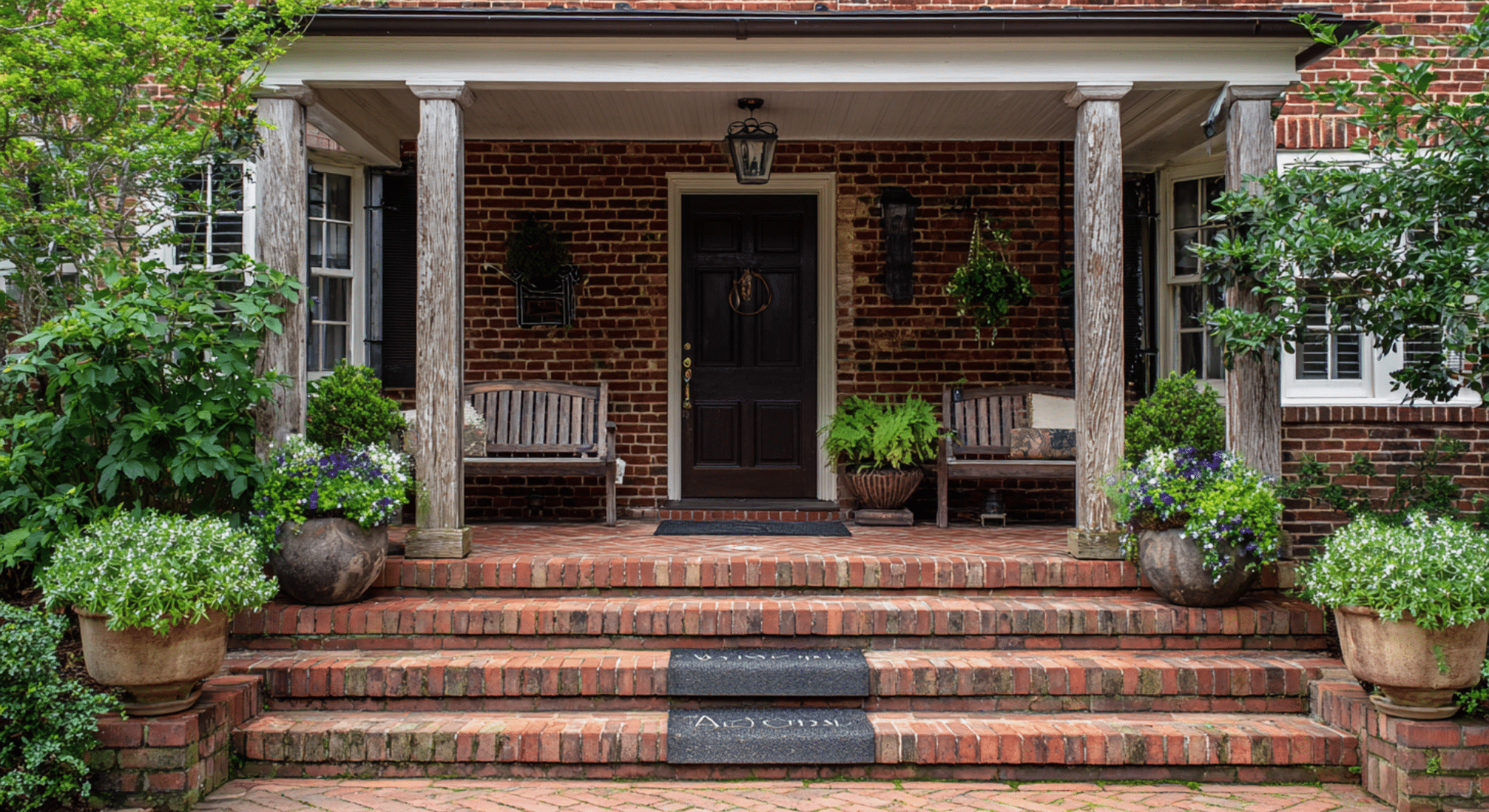
A brick base with a roofed entry gives a solid, timeless look. It works well with older homes or houses that already use brick.
The cover protects the door and adds charm to the front. Add a couple of chairs or plants to warm it up without changing the solid feel.
18. Metal Awning for Shade
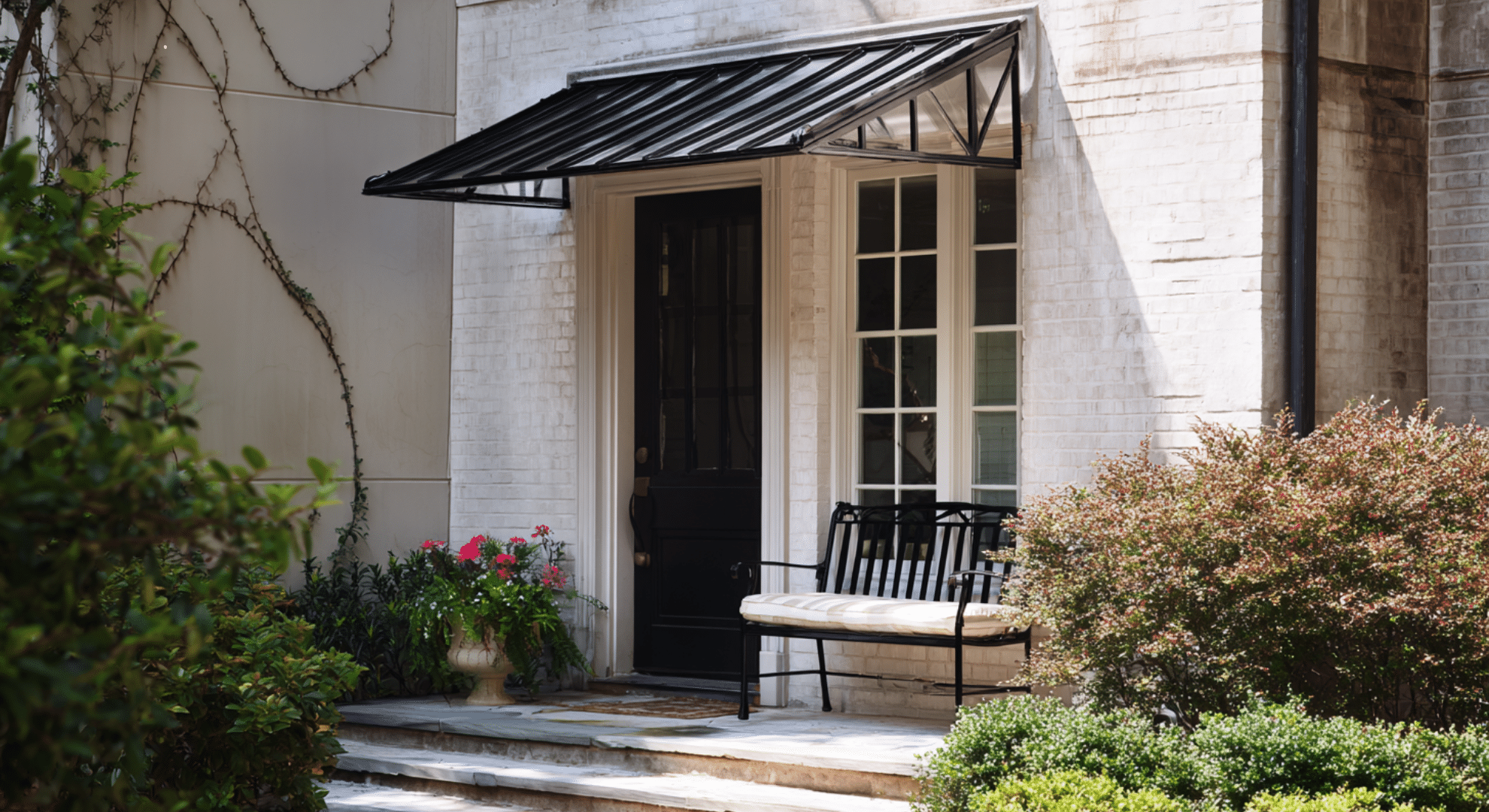
A metal awning is a simple, no-fuss way to get shade fast. It attaches right to the house and doesn’t take up much space.
These are great for back doors or side porches. They last a long time and need almost no care. Perfect for hot or rainy areas.
19. Rattan-Furnished Porch
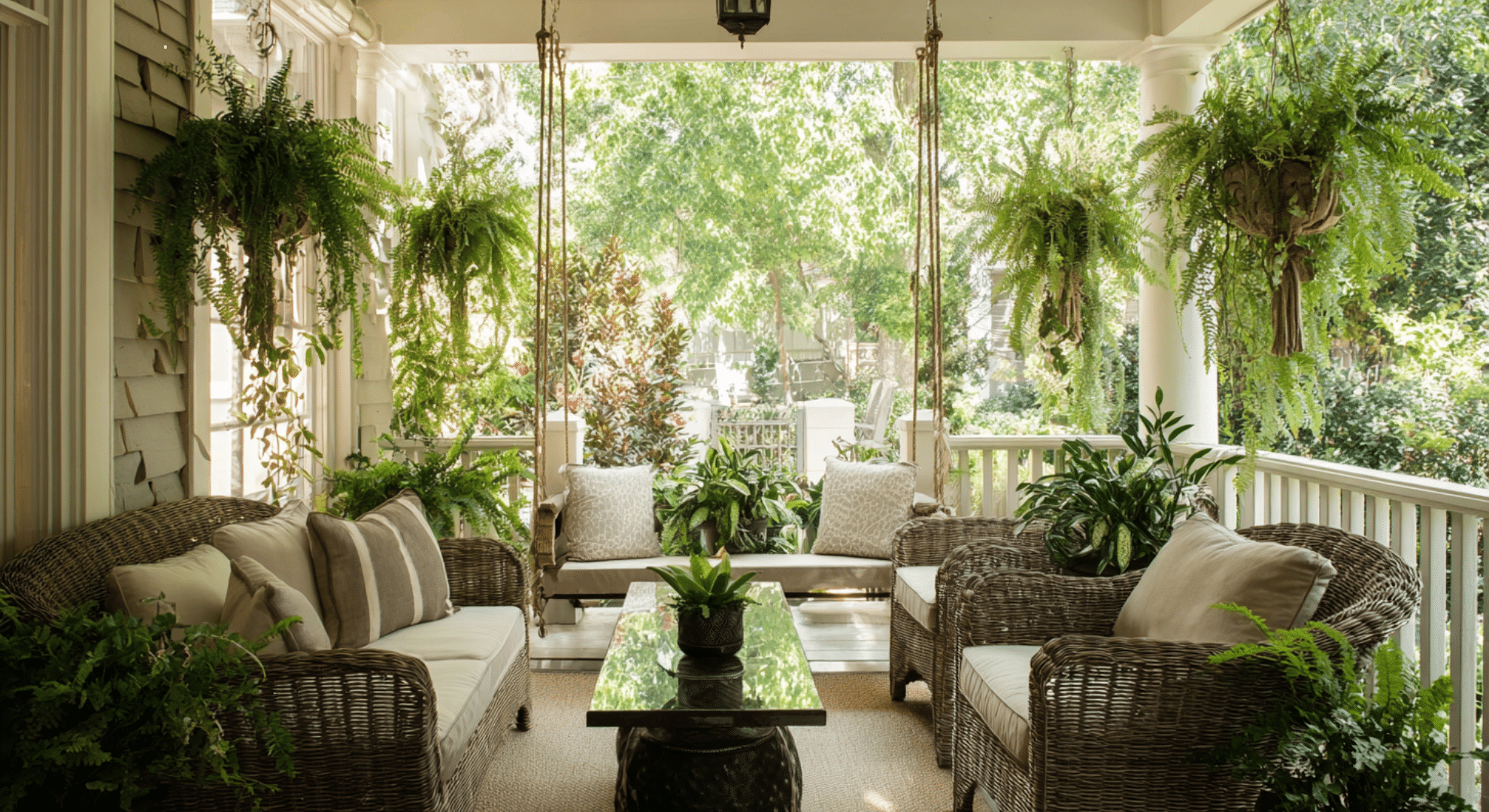
Use a covered porch to create a soft, laid-back vibe with rattan chairs and tables. Add some cushions and soft lighting, and it feels like a little getaway.
Just make sure the cover keeps the furniture dry. This setup is great for relaxing with a drink or chatting with friends.
20. Screen-Ready Covered Porch
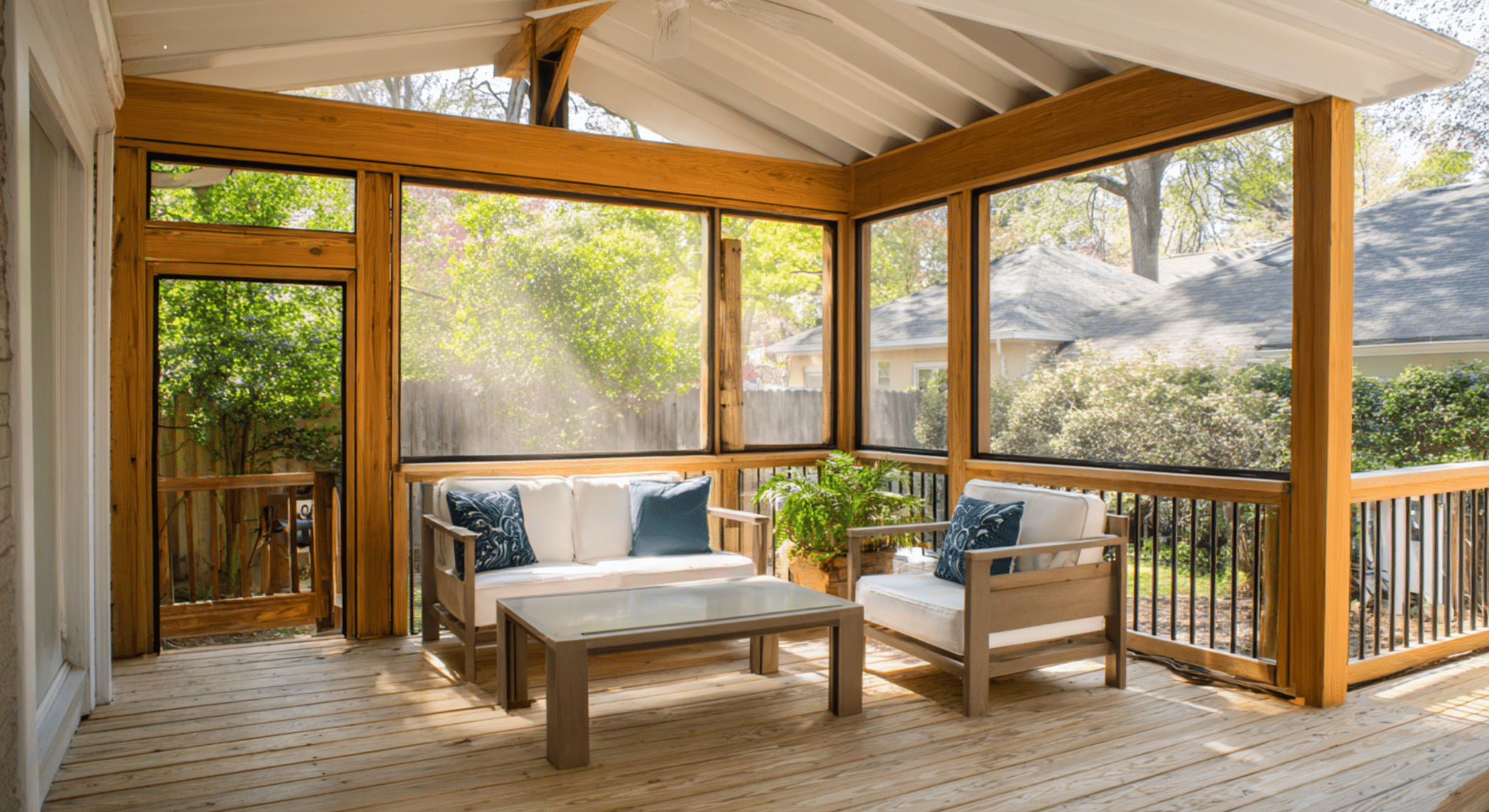
If you plan to screen in your porch later, start with a solid roof and simple framing. Screens help with bugs and wind, but your base should be strong and ready first.
This idea is smart if you want shade now and more protection later without redoing the whole thing.
21. Shaded Coffee Nook
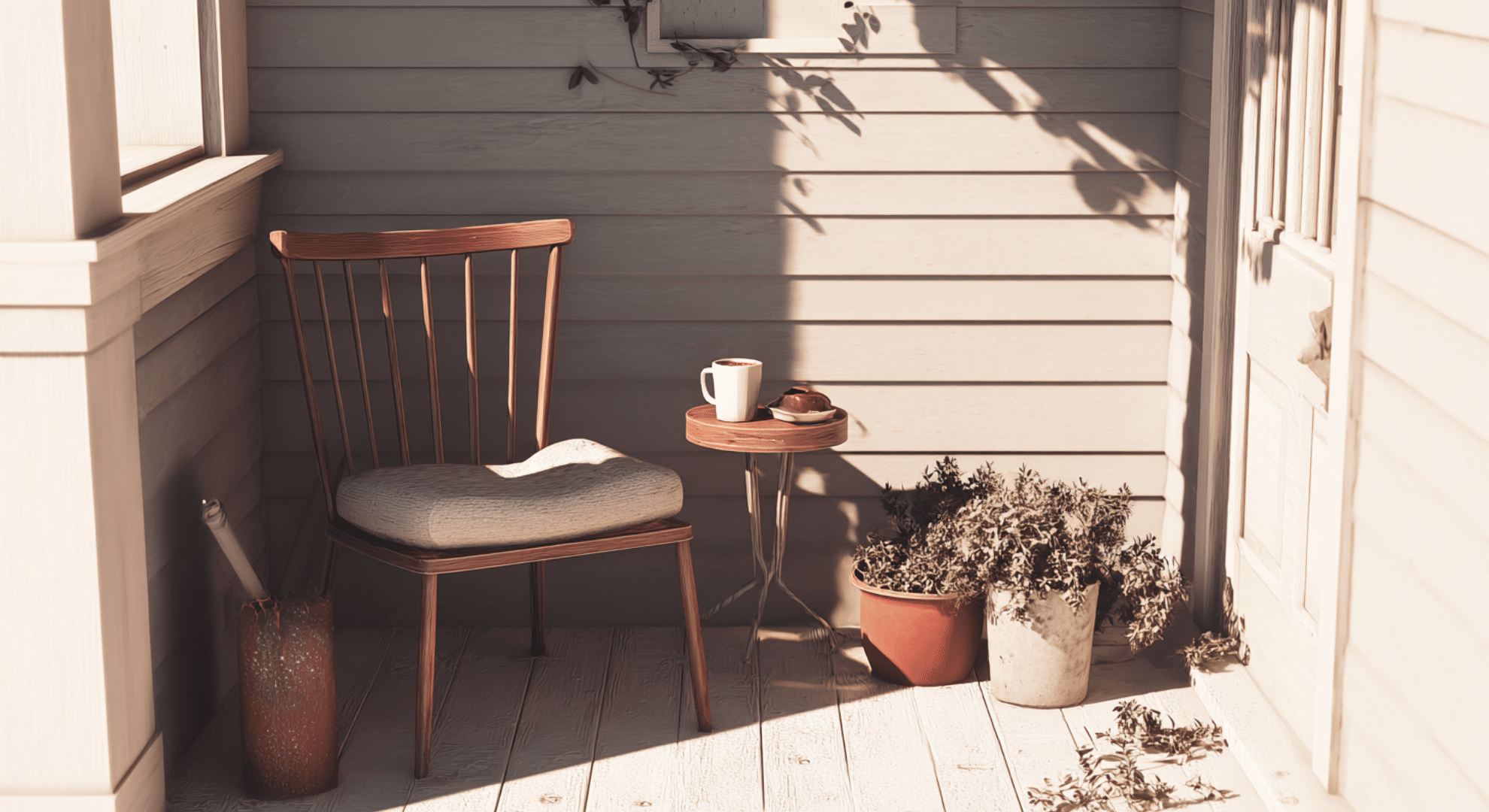
Turn a corner or small space into your morning coffee spot. Use a roof or awning just big enough to cover a chair and small table.
Add a plant or two for calm. It’s a simple, low-cost idea that brings joy every day without needing much space.
22. Exposed Rafters
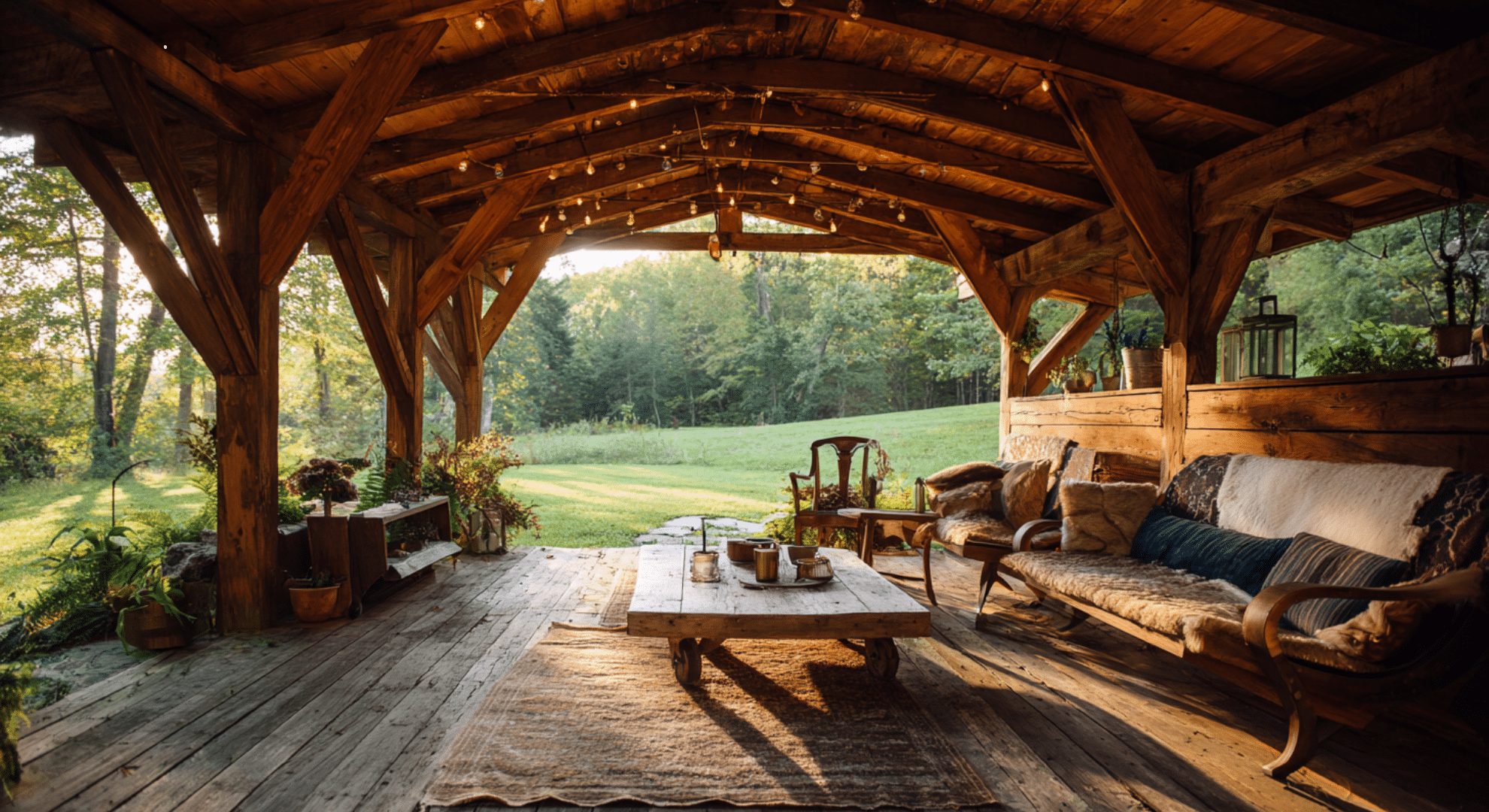
Leaving the rafters visible under your porch roof gives it a more open, rustic look. It works well with wood or metal and feels strong without looking too fancy.
You can stain or paint the beams or leave them natural. Great for adding character without needing more stuff.
23. Hanging Plant Cover
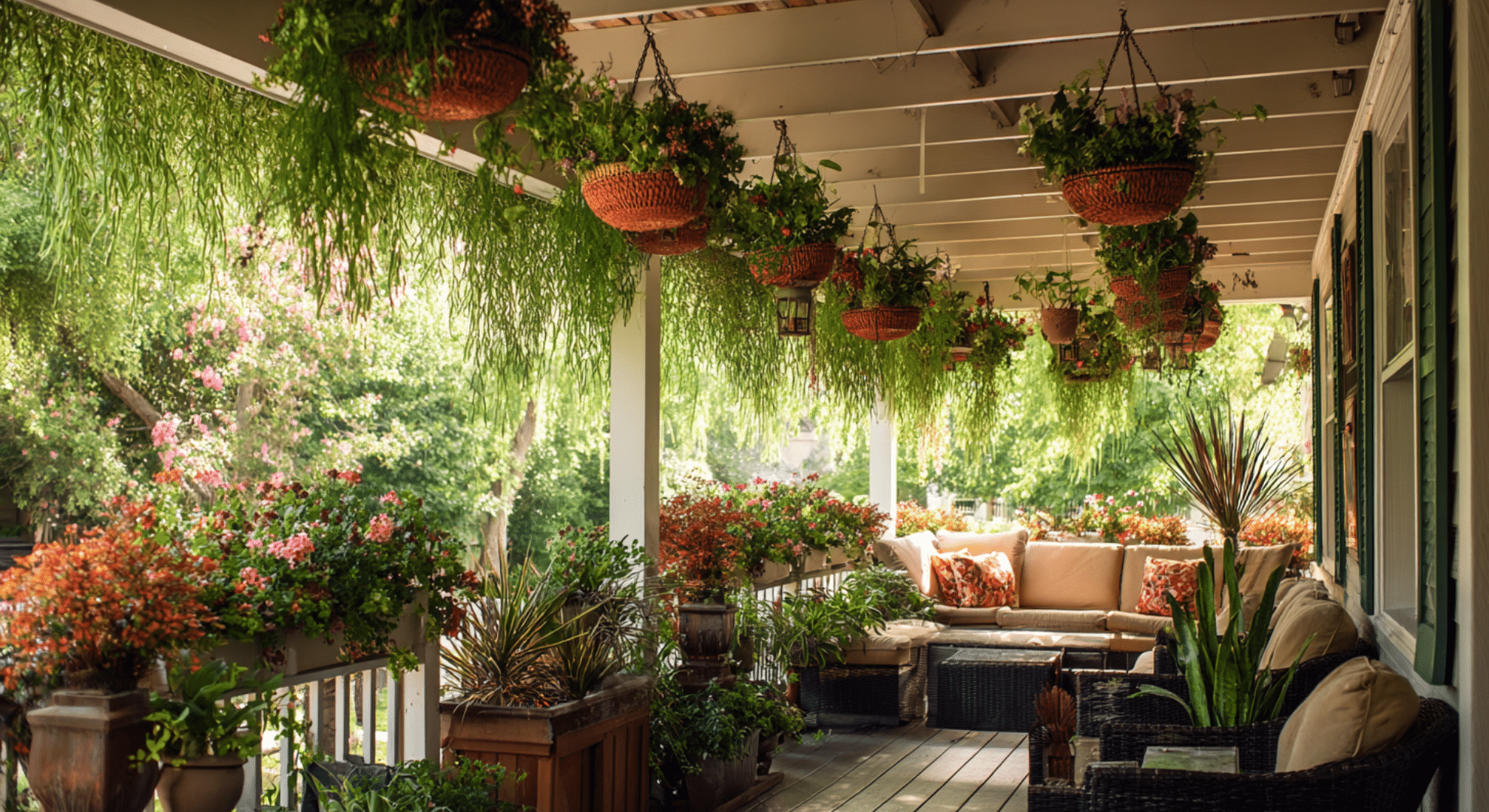
Use your porch roof to hang plants: ferns, flowers, or herbs. You get shade, color, and greenery all at once. It’s a great way to bring nature in and make your porch feel fresh.
Just be sure the roof can hold the weight and that the plants get enough light.
24. Painted Ceiling with Roof Cover
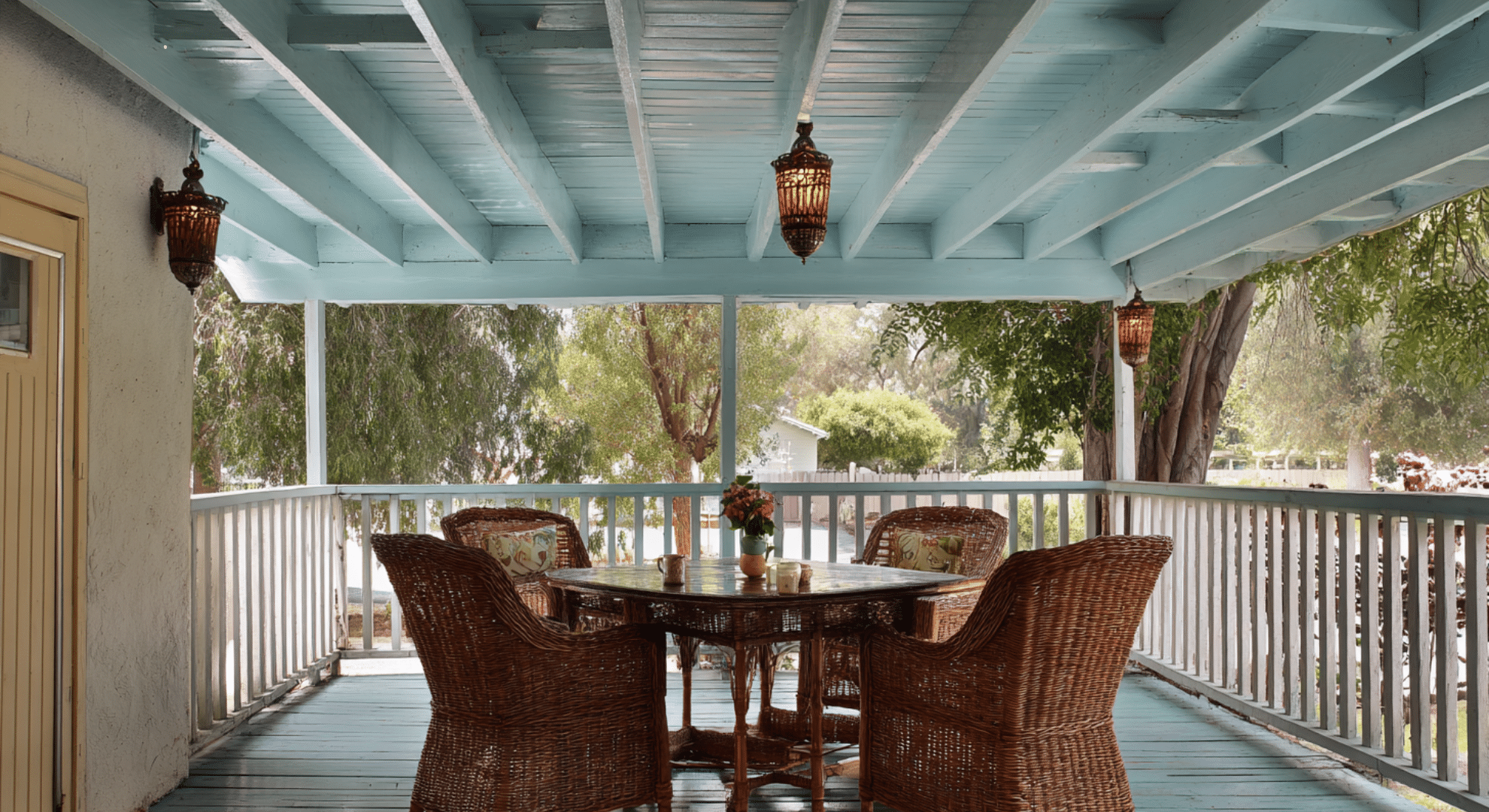
Painting the ceiling of your porch a soft color like sky blue or light gray can change the whole feel. It adds style without taking up space. Works well with both wood and metal roofs.
A painted ceiling makes the porch feel finished and adds a calm, cool touch from above.
25. Covered Porch with Fan
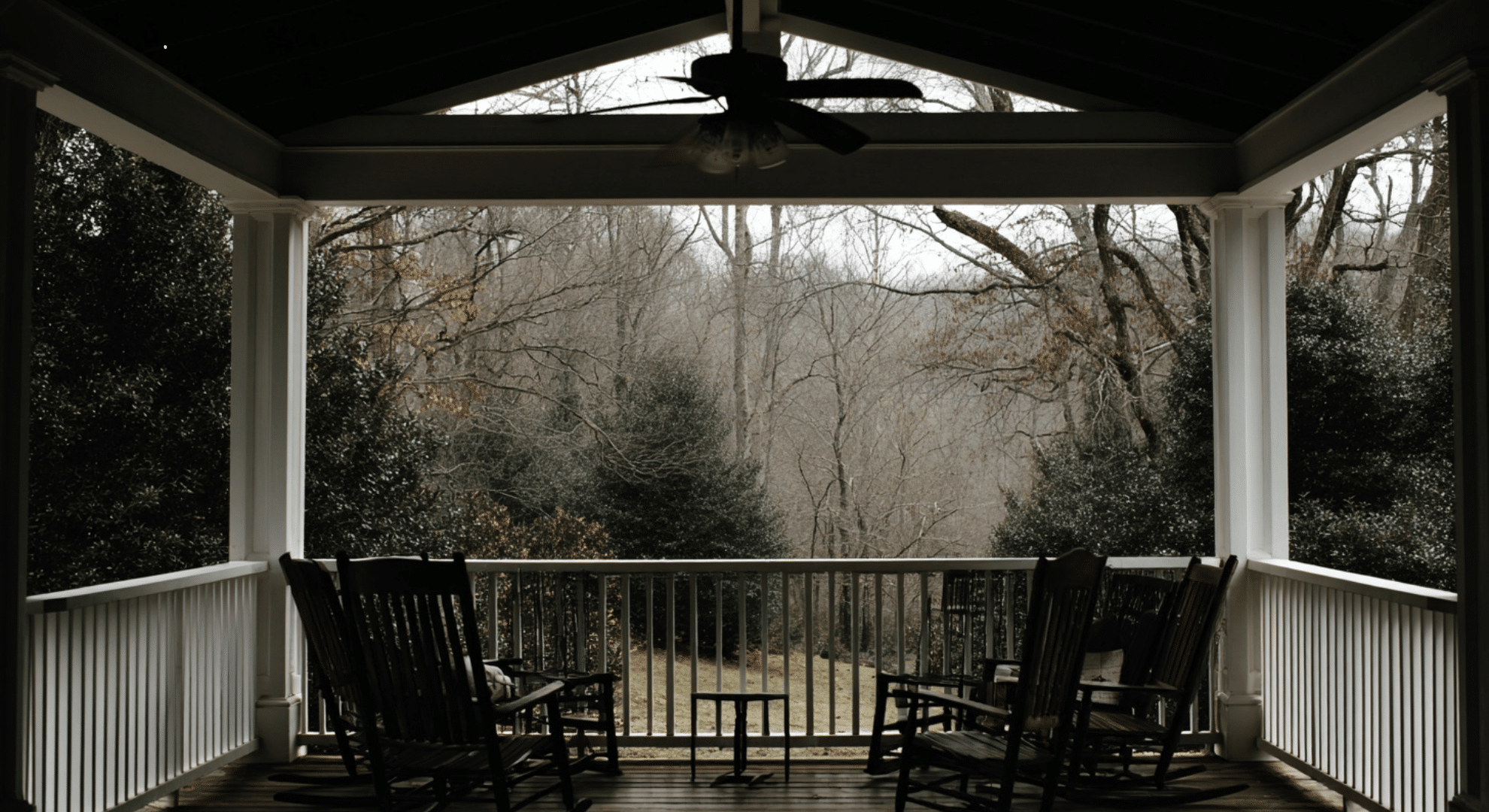
Adding a ceiling fan to your covered porch helps keep air moving on hot days. It also keeps bugs away and adds comfort year-round.
Make sure the roof is high enough and wired safely. A fan turns your porch into a cool spot that’s easier to enjoy in warm, still air.
26. Modern Black-and-Wood Porch
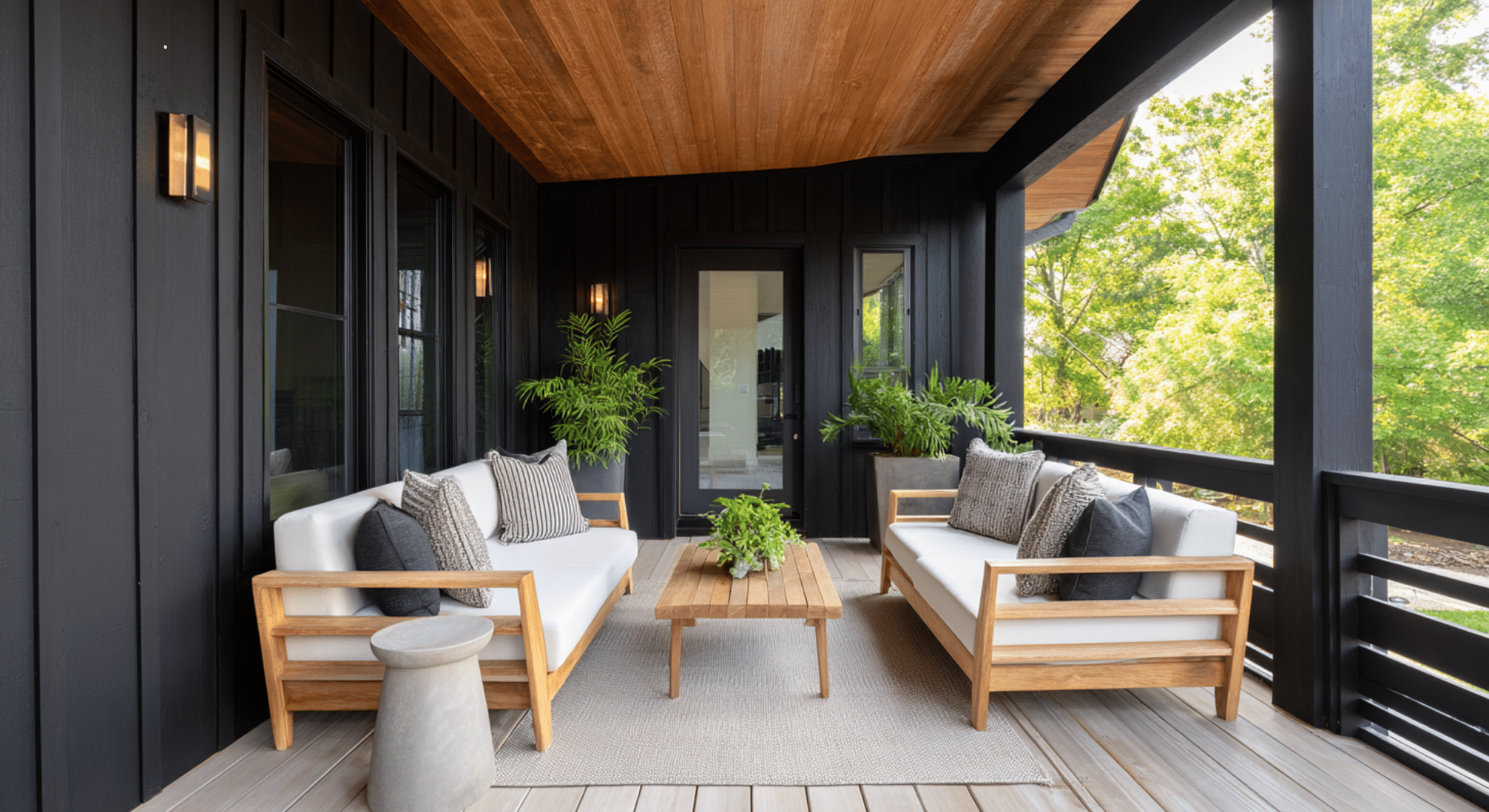
This style uses black trim and natural wood to create a bold, clean look. It fits modern homes and adds contrast without being too much.
Use simple lines, matching furniture, and a flat or sloped roof. The mix of dark and natural gives it a sharp, stylish feel that still feels warm.
27. Decorative Gable Roof Cover
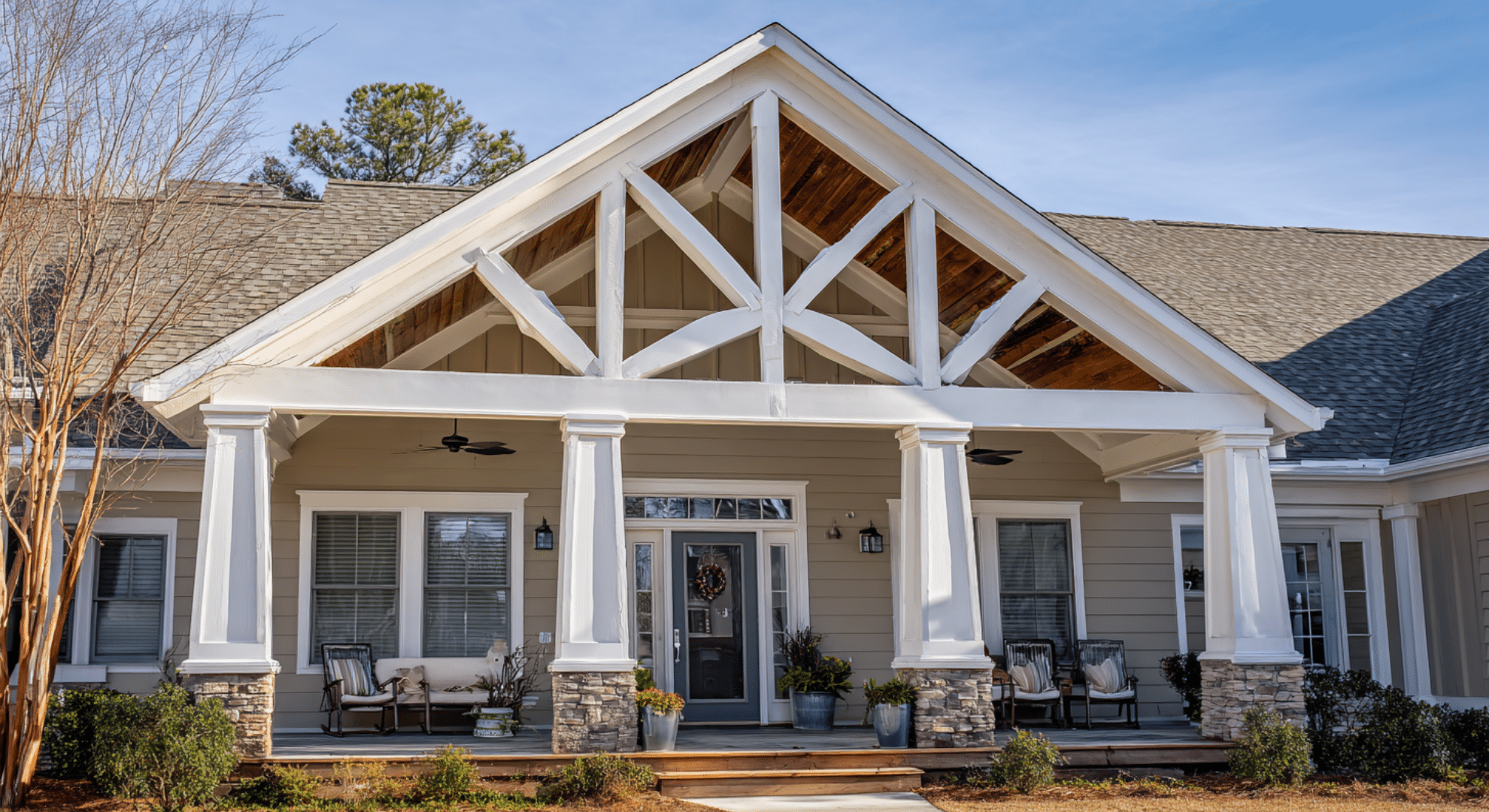
A gable roof adds height and shape to your porch. The triangle top draws the eye and makes the space feel bigger.
You can leave it open or fill it in with detail, like wood trim or vents. It adds a classic look and works with both brick and siding homes.
28. Built-In Seating Porch
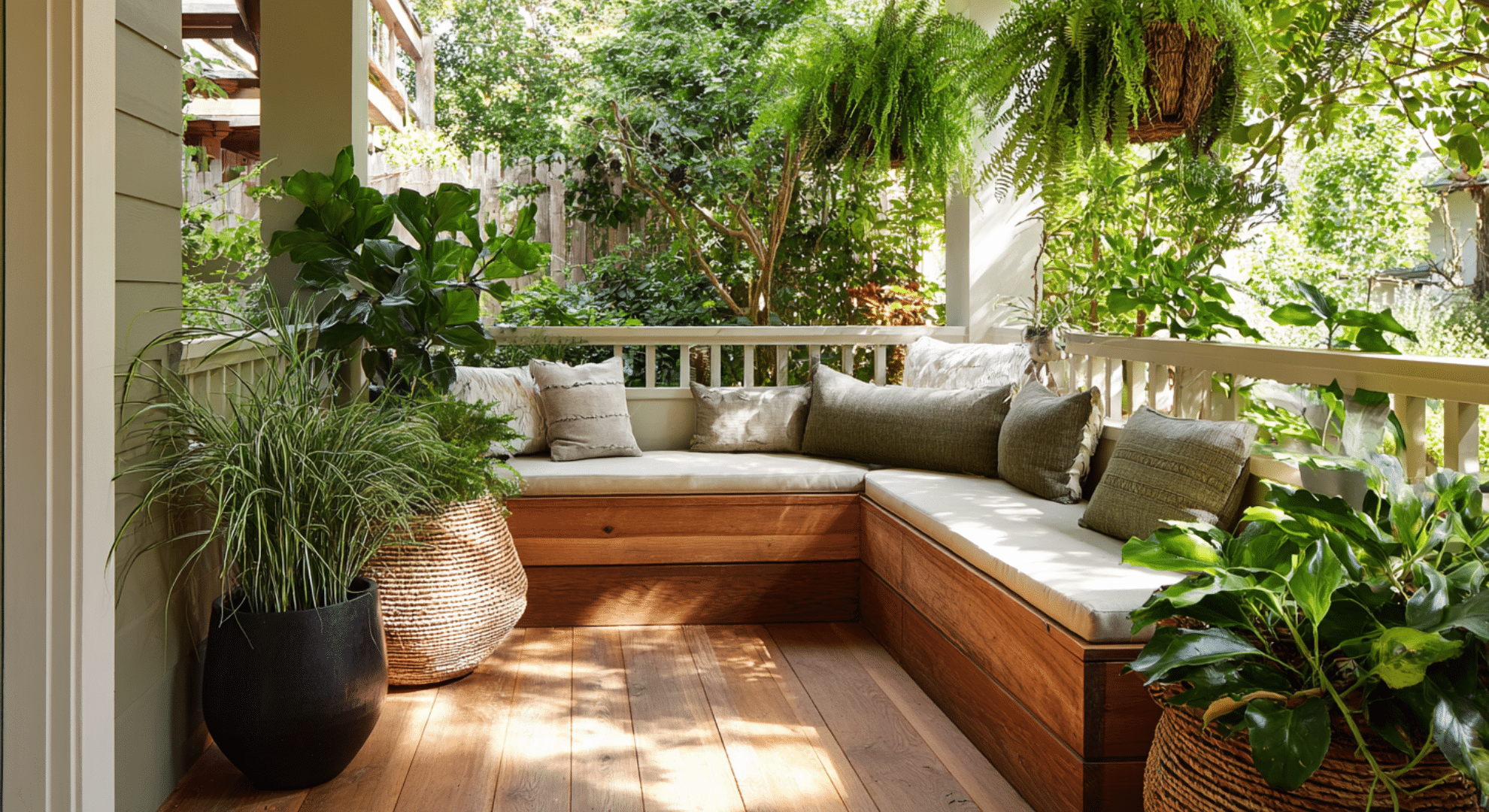
Instead of buying chairs, build benches right into the porch. Add storage underneath or keep it simple with cushions on top. This works well in corners or along walls.
It saves space, looks clean, and gives everyone a place to sit. Great for porches with limited room or busy areas.
29. Daybed Swing Porch
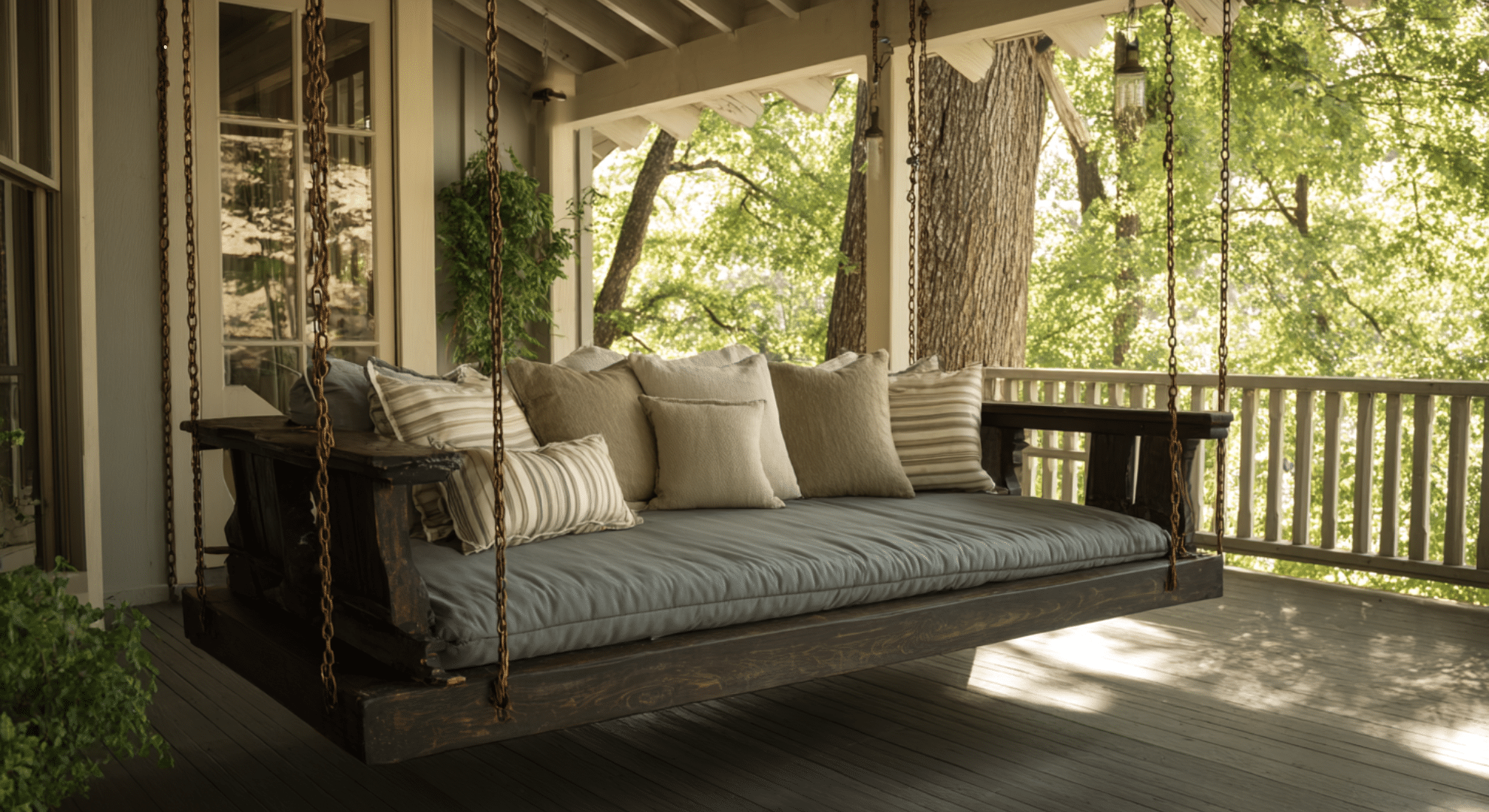
A large swing that fits like a bed turns your porch into a relaxing spot. Hang it from the roof with strong chains or rope.
Add soft cushions, and you’ve got the perfect place for naps, reading, or quiet time. Just make sure the cover above keeps it dry and shaded.
30. Stone Fireplace Porch
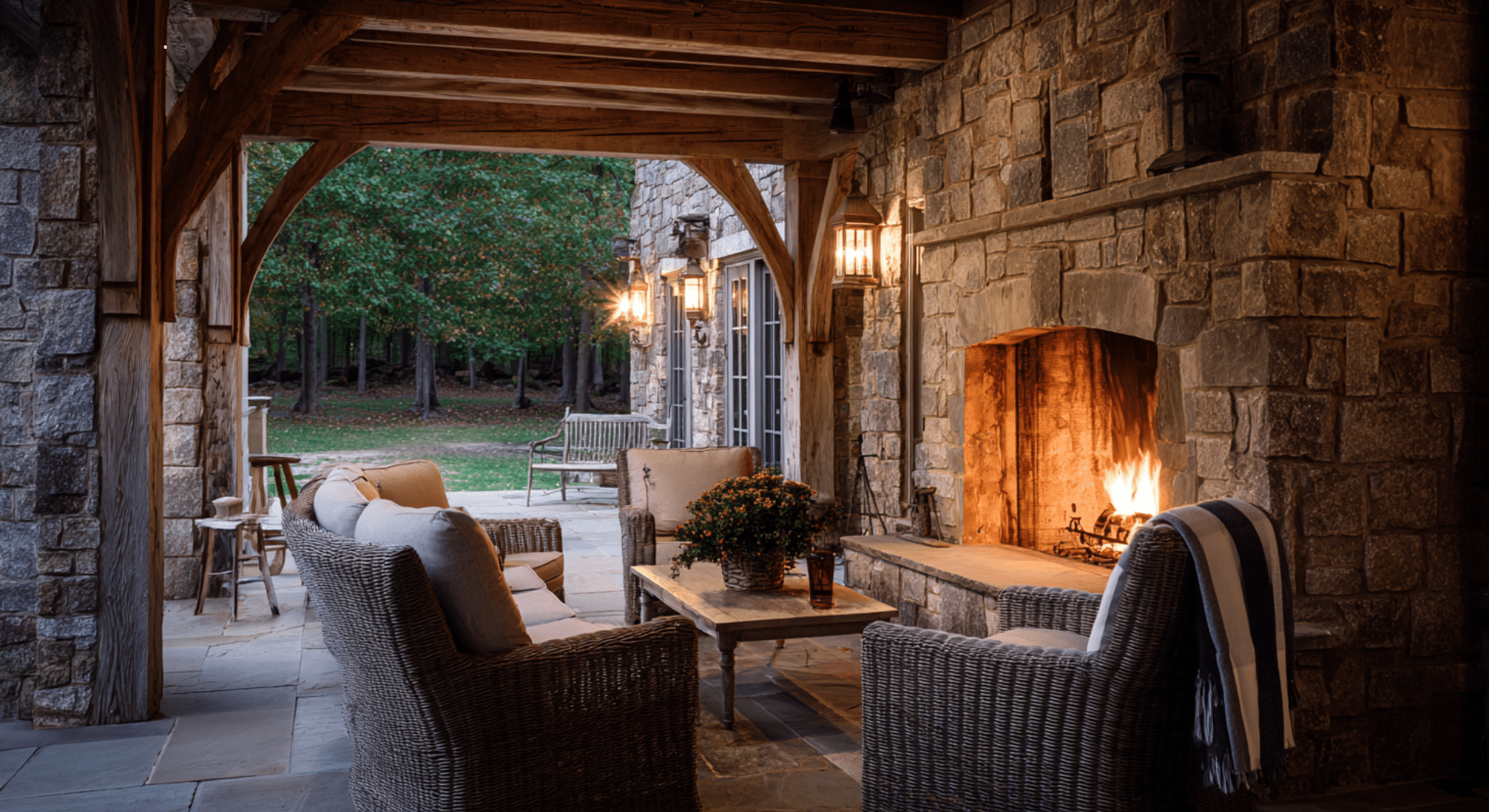
If you want to use your porch all year, add a small outdoor fireplace made of stone. It adds warmth, style, and a reason to gather, even in cooler months.
The roof above keeps smoke moving out while keeping you dry. This setup turns your porch into a true hangout space.
31. Clear Polycarbonate Roof
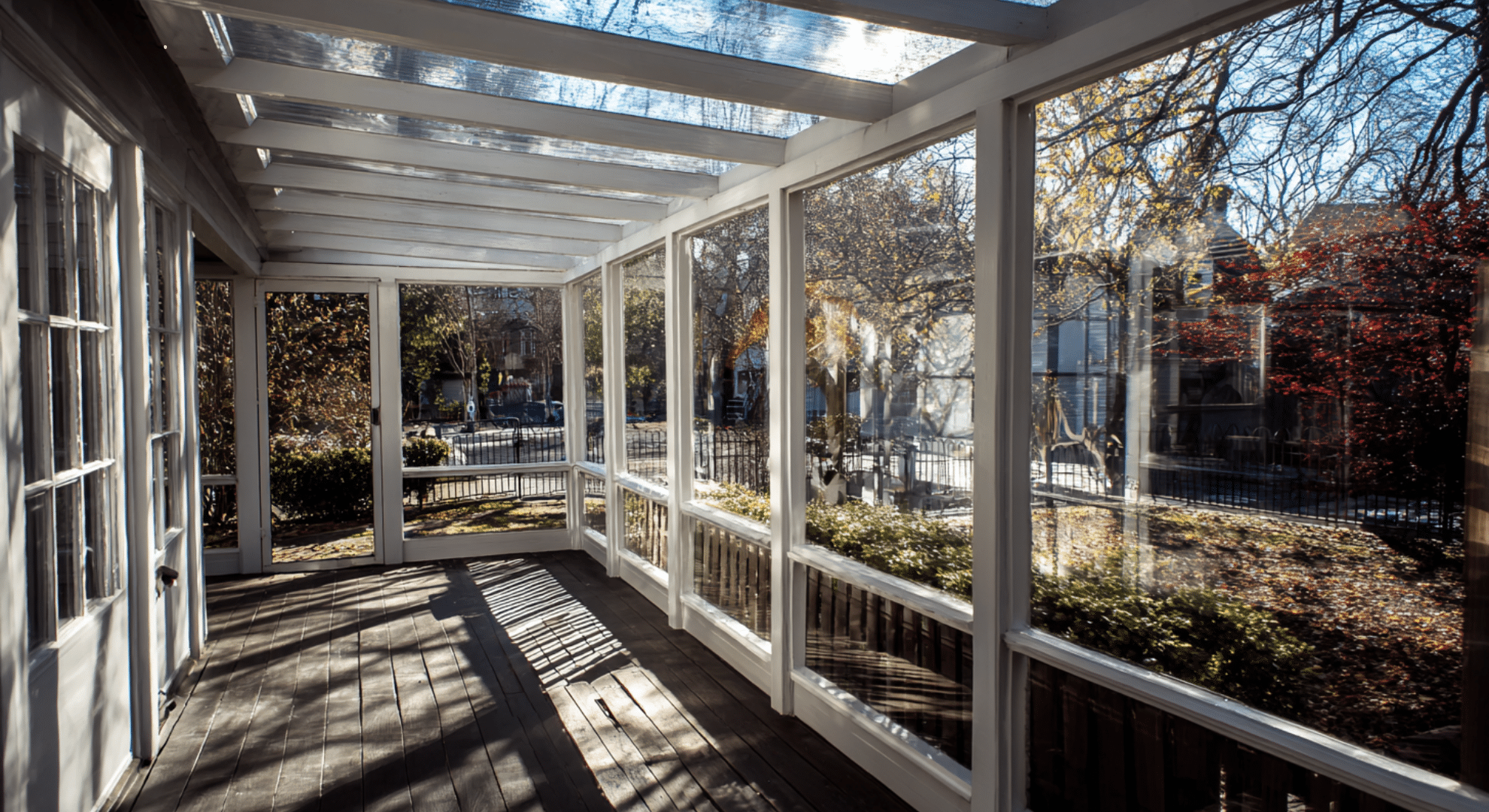
A clear polycarbonate roof lets in light while keeping out rain. It’s lightweight and strong, good for places that get sun but not too much heat.
This type of roof is perfect if you want brightness without giving up coverage. It also works well over garden-style or back porches.
32. Layered Outdoor Rugs + Cover
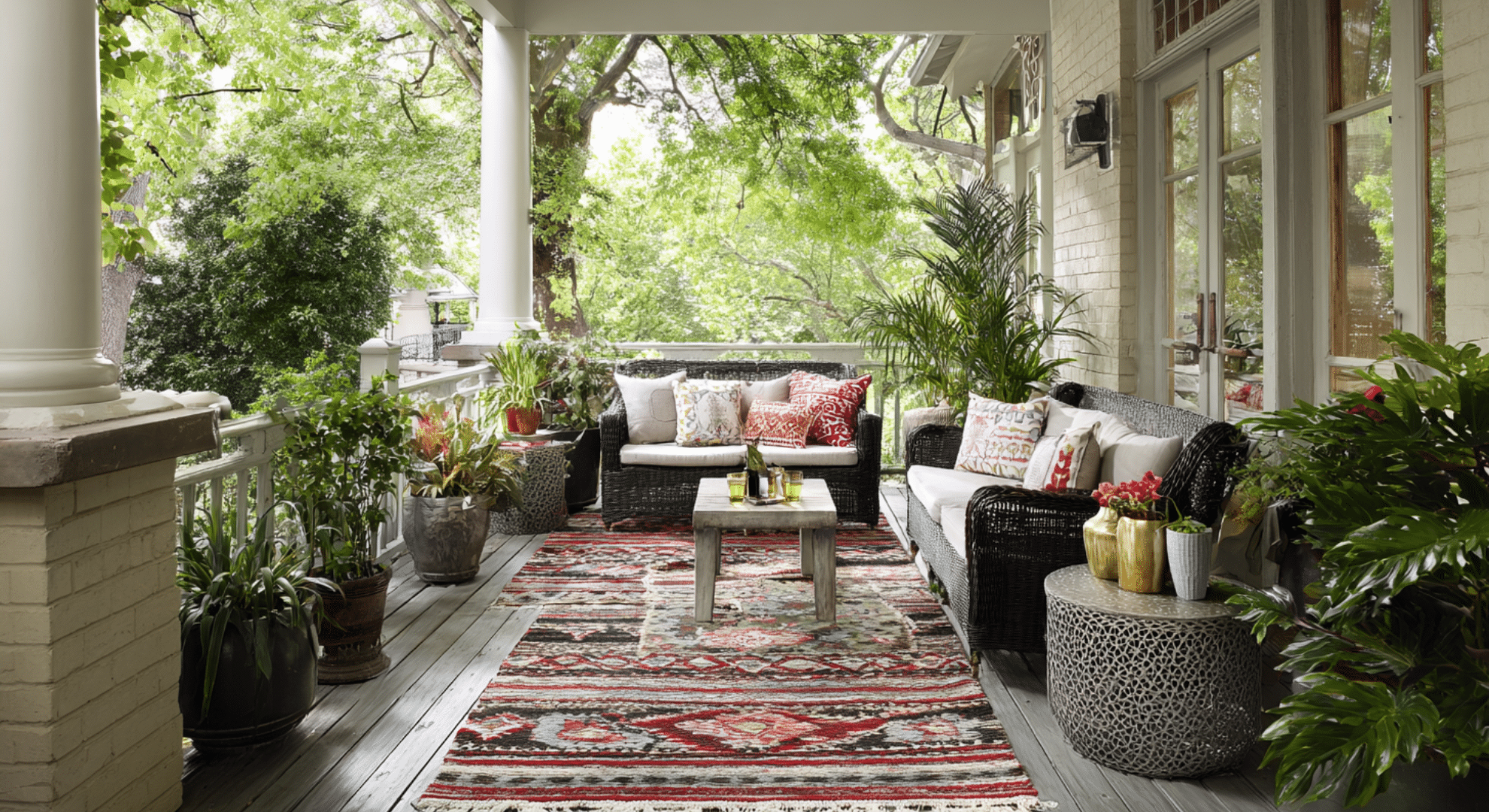
Put down two or more outdoor rugs under your porch roof for a soft, lived-in feel. Mix patterns or keep it simple with one color.
The cover protects the rugs, and the rugs make the porch feel like a real room. It’s an easy way to add warmth and style.
33. Wood-Beam Front Porch Cover
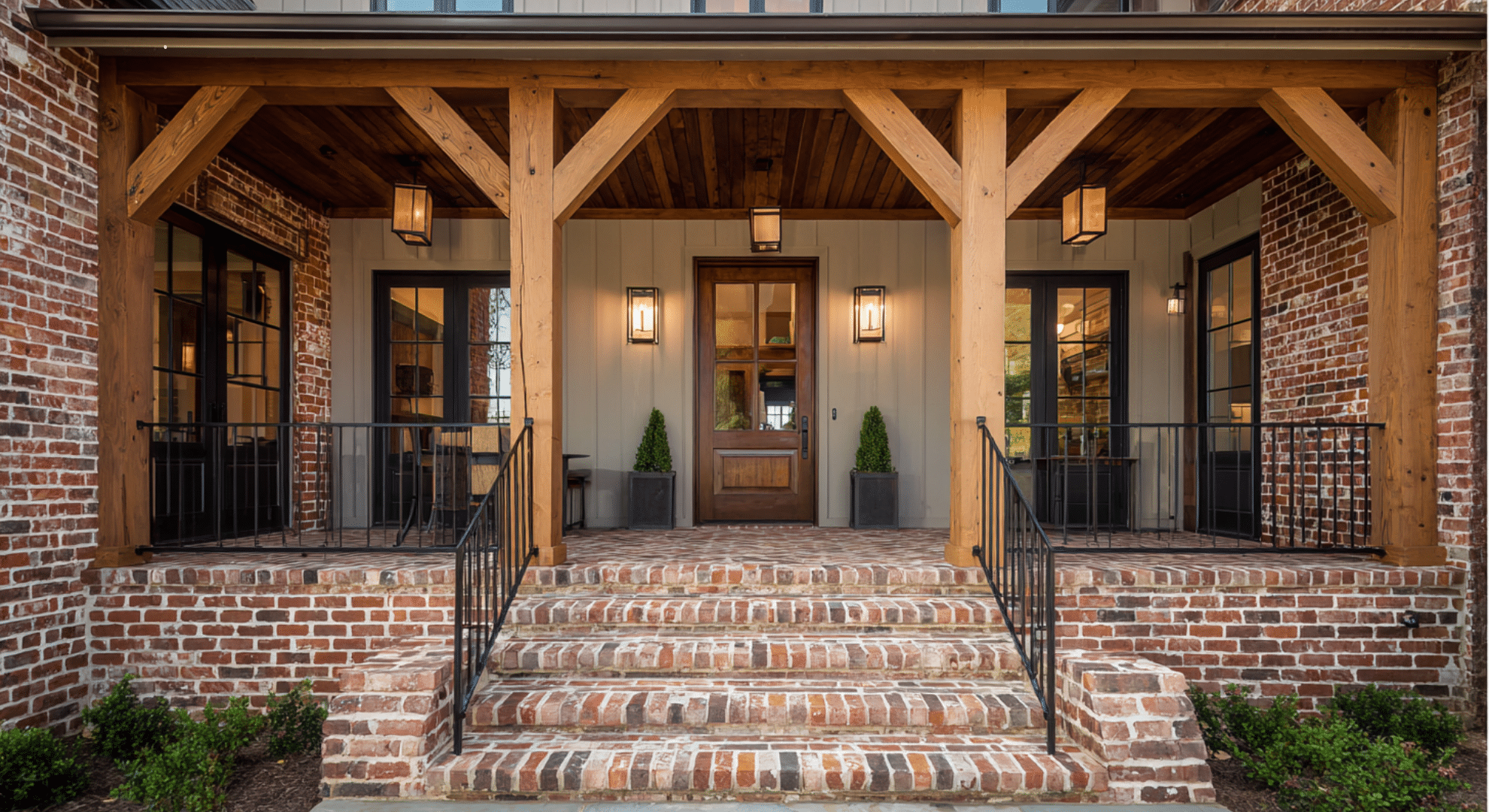
Big wooden beams over the front steps add class and support. This look works well with farmhouse or rustic-style homes.
The beams can be stained or painted to match your house. It gives a strong, grounded feel right at the entry and offers simple shade or shelter from rain.
Cost and Budget Tips for Covered Porches
Building a covered porch doesn’t have to drain your wallet but you do need a plan. Costs can vary a lot based on size, materials, and extras.
The good news? There are smart ways to save without cutting corners. Some of them are:
- Average cost for a basic covered porch ranges from $4,000 to $12,000, depending on size and location.
- Budget-friendly choices include pressure-treated wood, simple awnings, and second-hand furniture.
- DIY builds make sense if the design is simple, the area is small, and you have basic tools and skills.
- Professional help is best for complex roofs, electrical work, or full structural changes.
- Add-ons like screens, fans, or lights can be added later to spread out the cost.
- Portable heaters or solar lights are low-cost extras that still improve comfort and use.
Plan your spending with flexibility. It’s okay to start small and build up over time—just make sure the basics are done right from the start.
Simple Tips to Keep Your Covered Porch Looking Good
A covered porch can last for years if you take care of it. You don’t need fancy tools or hours of work. Just a few small steps like these done regularly can keep everything strong, clean, and safe:
- Sweep and wipe down your porch once a week to clear dirt, leaves, and dust.
- Wash wood and floors every few months with mild soap and water.
- Check beams and roof for cracks, leaks, or sagging twice a year—once in spring and again before winter.
- Clean screens with a soft brush or vacuum to keep airflow strong and bugs out.
- Protect wood with stain or sealant every 2–3 years to block moisture and sun damage.
- Tighten screws and bolts on fans, furniture, and railings once or twice a year.
Stay ahead of small problems before they turn into big ones. A few minutes now can save you money—and keep your porch looking fresh all year.
Conclusion
I used to think a porch was just a nice extra until I built one I actually wanted to sit on.
Going through every detail, from the roof type to the right bench, showed me how even small choices make a big difference. I didn’t follow a perfect plan, I followed what felt right for my space.
Now you’ve got your own path to shape.
These covered porch ideas aren’t about trends; they’re about making your space feel more like home.
Choose what fits your daily life. Let it grow over time. And remember: comfort always beats “perfect.”
Still curious? There’s more where this came from. Go find the other blogs for real, down-to-earth home ideas you can actually use!