Attracting the Right Pollinators to Your Garden (and Managing the Ones You Don’t Want)
A thriving garden is the result of careful choices that support healthy plant growth while encouraging beneficial wildlife. Beyond soil, water and sunlight, it also relies on the complex relationship between plants and insects. For homeowners passionate about sustainable gardening, creating a plot that supports pollinators while keeping pest populations under control can be a highly rewarding experience.
What Is a Healthy Pollinator Garden Ecosystem?
Every garden functions as a small ecosystem. Within it, insects, plants, soil organisms and environmental conditions all interact with one another. Pollinators, such as bees and butterflies, are important components of a garden ecosystem since they play a major role in plant reproduction and food production. In fact, 33% of the food humans consume depends on pollinators. Without them, fruiting crops and flowering plants would struggle to produce yields.
A well-planned pollinator garden focuses on attracting a wide range of beneficial insects by offering food, shelter and safe habitats. However, some species feed on leaves and roots that can weaken plants if left unchecked.
While some insects may pose a risk to plants, it is important to recognize that a few damaged leaves are often harmless. Many plants can tolerate minor feeding without any long-term consequences. In fact, a completely pest-free garden is not desirable, as it indicates a lack of biodiversity.
Creating a Pollinator-Friendly Environment
A successful pollinator garden depends on diversity. The more varied the planting, the more stable the ecosystem becomes. Choosing a diverse mix of pollinator garden plants helps provide a steady source of nectar and pollen throughout the year. Native flowering plants, herbs and shrubs are especially effective in attracting bees, butterflies and other beneficial insects.
Layering plants at different heights also improves habitat quality. Ground cover plants provide shelter for small insects, while shrubs and taller flowers offer resting and nesting spaces. As different insects are active at different times of the year, planting a variety of species that bloom in varied seasons creates a healthier, more balanced garden ecosystem overall.
Establishing a New Mindset About Pests
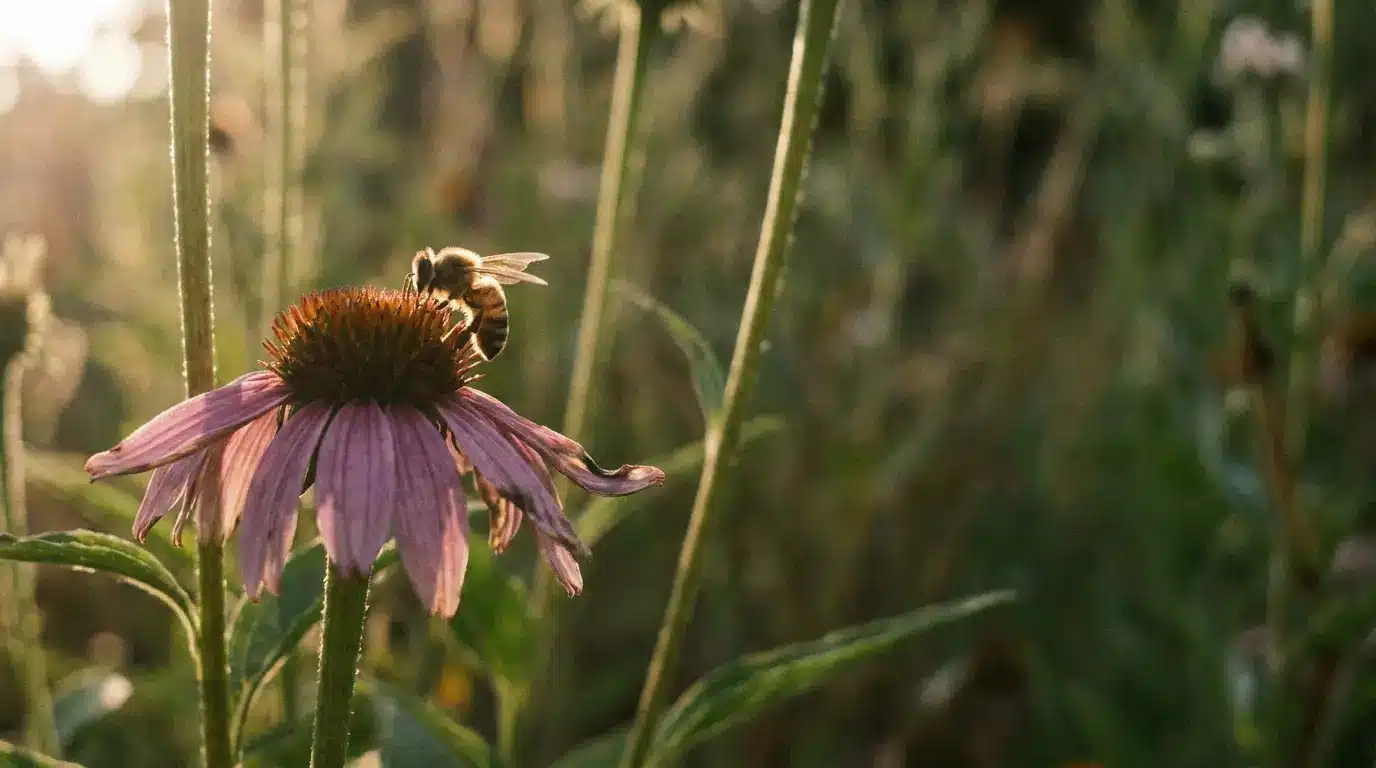
Before thinking about pest control, it helps to begin with careful observation and a basic understanding of the insects present in a garden. Instead of reacting immediately to visible damage, taking time to assess how severe the issue actually is often leads to more effective solutions in the long term.
This mindset is especially important when dealing with insects that are both a valuable part of the ecosystem and a potential concern in certain situations. For example, bees are beneficial pollinators, but they could be a risk to family members who are allergic to bee stings. In these cases, some people may feel inclined to eliminate the bees to avoid any potential health hazards. However, a better approach is less about removing the insects and more about managing how and when people and pollinators interact safely.
Safe interaction with pollinators involves keeping a respectful distance, especially during busy foraging times. Positioning attractive pollinator garden plants far away from high-traffic areas reduces close encounters. Leaving nests undisturbed is also an important step to maintain calm behavior from aggressive insects. With simple awareness and careful garden layout, people and pollinators can safely coexist.
Managing Pests Without Chemicals
When pests do start to cause real issues, simple and low-impact methods that don’t require chemicals are usually sufficient. Some of these strategies include:
- Plant rotation: Moving pollinator garden plants to different parts of the garden each year interrupts the pest’s life cycle and reduces recurring infestations.
- Pruning: Removing affected leaves or stems can limit the spread of insects and improve airflow around the plant.
- Physical barriers: Netting, copper tape and simple hand removal provide targeted control without harming other insects.
- Encouraging natural predators: Birds, spiders and beneficial insects help keep pest populations in balance.
- Companion planting: Growing certain plants together, such as marigolds with tomatoes or basil with peppers, can naturally deter pests.
Benefits of Chemical-Free Gardening
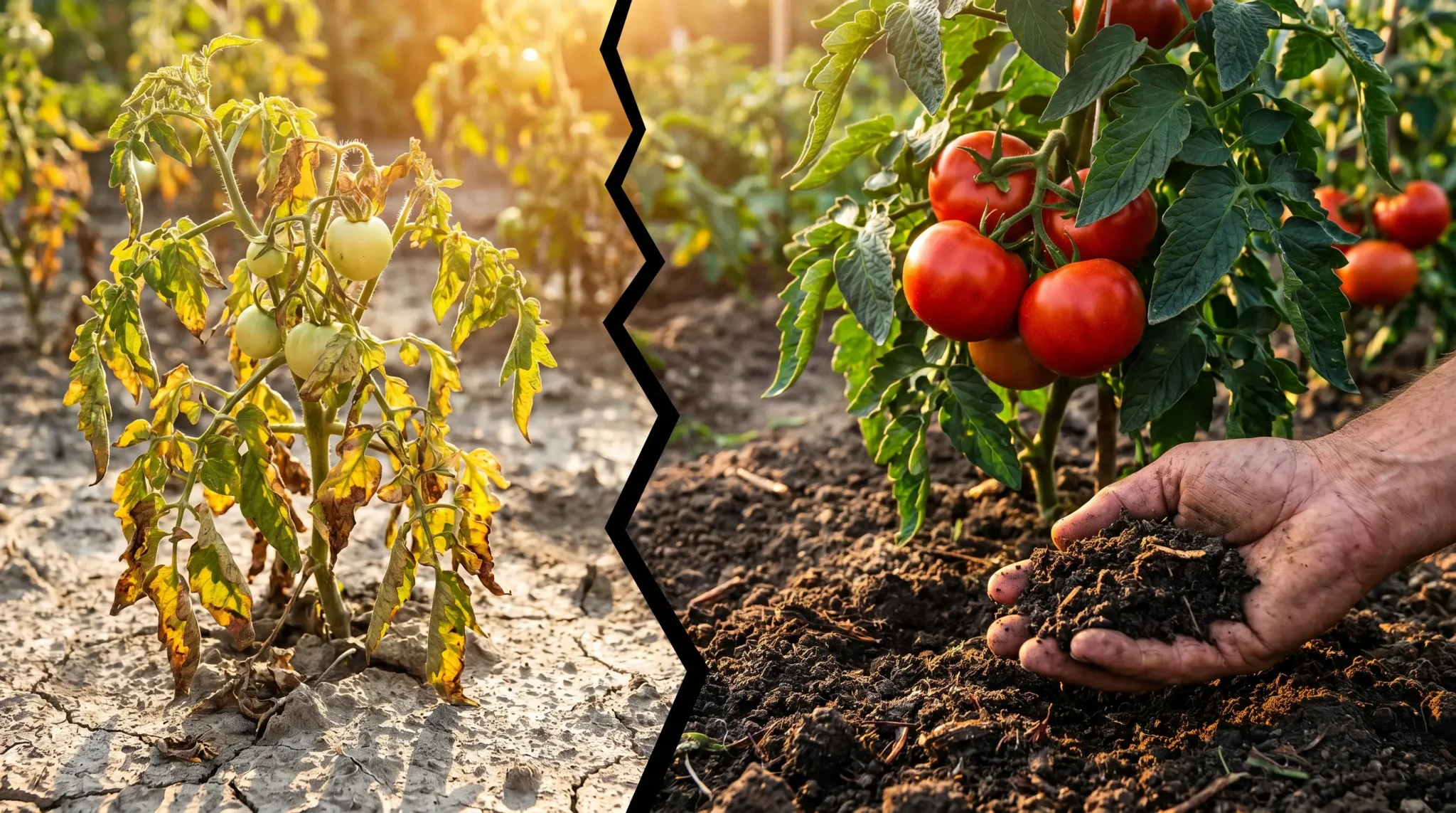
Chemical-free gardening actually contributes to keeping pests under control. Without synthetic sprays, microorganisms in the soil can flourish, breaking down organic matter and supporting plant growth. These beneficial microbes, such as bacteria and fungi, play an important role in helping plants absorb nutrients and defend against diseases.
Plants depend on these microorganisms so much that they release around 20%-30% of their sugars through their roots to attract and sustain them. This symbiotic relationship helps build healthier, more nutrient-rich soil, resulting in stronger plants that are naturally more resistant to pests.
Living in Perfect Harmony
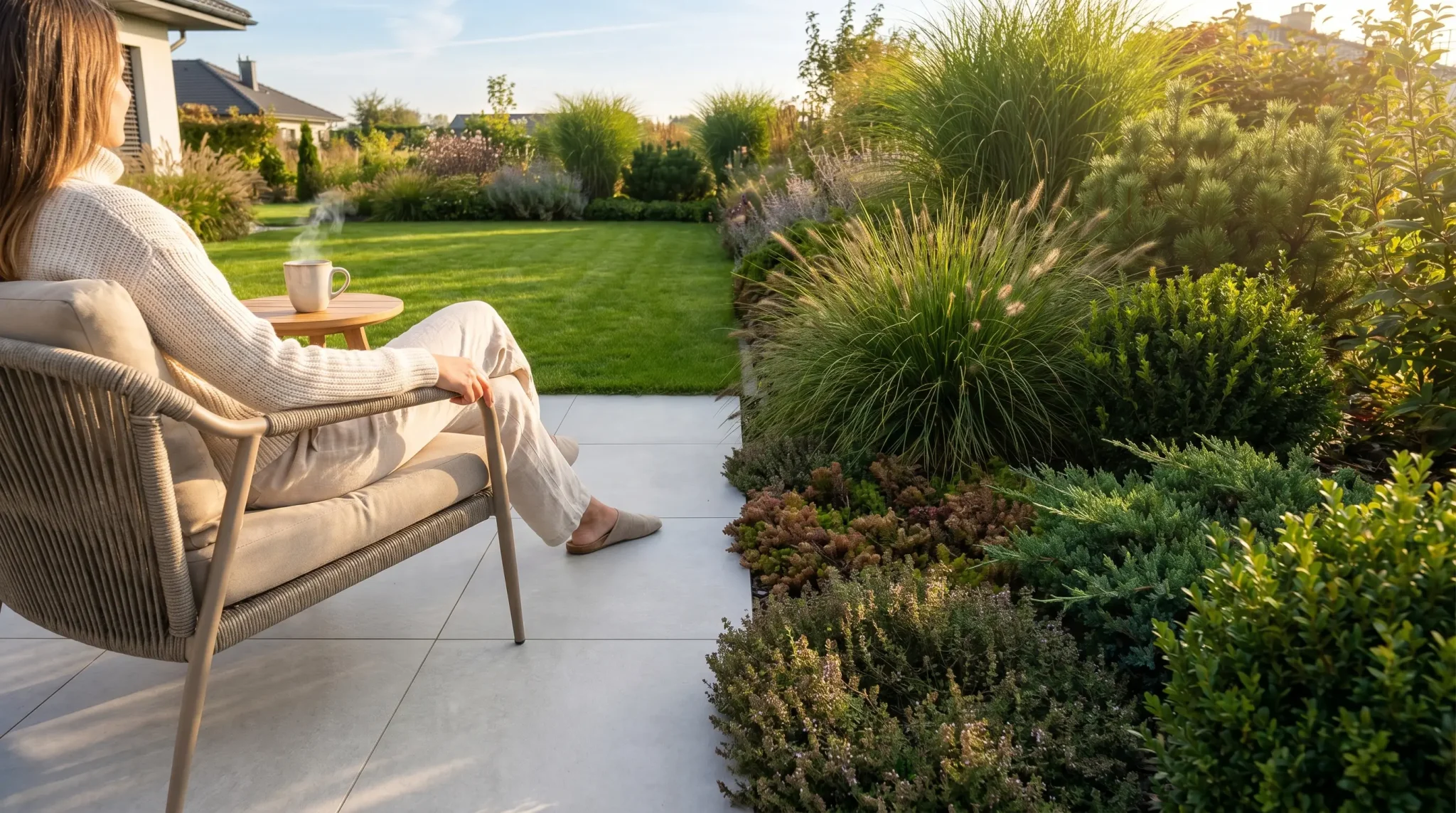
Creating a well-balanced pollinator garden is about being in harmony with nature and allowing it to take its course. By supporting pollinators and managing pests naturally, homeowners can create sustainable outdoor spaces that nurture resilience and beauty. Over time, such gardens become self-sustaining systems where beneficial insects flourish, pests are kept in check and plant health improves naturally.